




About the Book
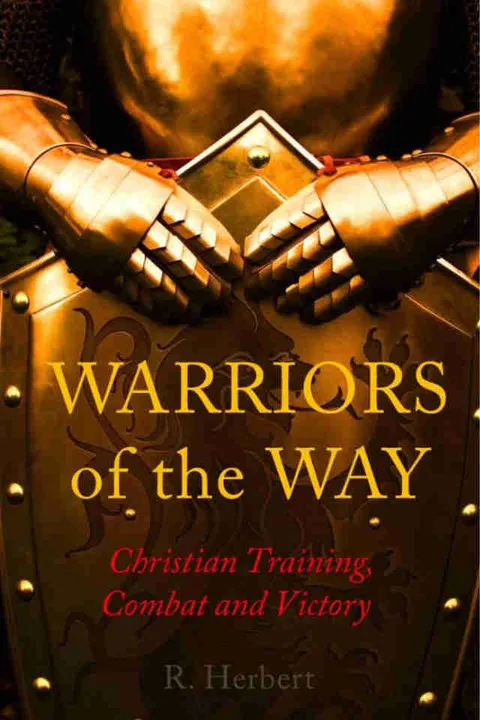
"Warriors of the Way" by R. Herbert follows the journey of a group of warriors who must navigate a treacherous and mystical land in order to defeat an ancient evil force. This action-packed and suspenseful tale explores themes of bravery, determination, and the power of teamwork in the face of adversity.
Warren Wiersbe
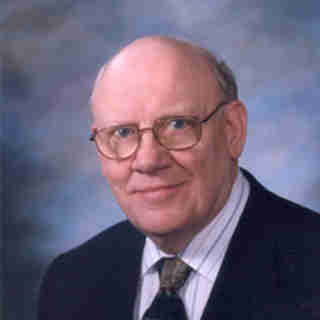 Dr. Warren Wiersbe once described Heaven as “not only a destination, but also a motivation. When you and I are truly motivated by the promise of eternity with God in heaven, it makes a difference in our lives.”
For Wiersbe, the promise of eternity became the motivation for his long ministry as a pastor, author, and radio speaker. Beloved for his biblical insight and practical teaching, he was called “one of the greatest Bible expositors of our generation” by the late Billy Graham.
Warren W. Wiersbe died on May 2, 2019, in Lincoln, Nebraska, just a few weeks shy of his 90th birthday.
“He was a longtime, cherished friend of Moody Bible Institute, a faithful servant of the Word, and a pastor to younger pastors like me,” said Dr. Mark Jobe, president of Moody Bible Institute. “We are lifting up pastor Wiersbe’s family in prayer at this time and rejoicing in the blessed hope that believers share together.”
Wiersbe grew up in East Chicago, Indiana, a town known for its steel mills and hard-working blue-collar families. In his autobiography, he connected some of his earliest childhood memories to Moody Bible Institute; his home church pastor was a 1937 graduate, Dr. William H. Taylor. After volunteering to usher at a 1945 Youth for Christ rally, Wiersbe found himself listening with rapt attention to Billy Graham’s sermon, and responded with a personal prayer of dedication.
In a precocious turn of events, the young Wiersbe was already a published author, having written a book of card tricks for the L. L. Ireland Magic Co. of Chicago. He quickly learned to liven up Sunday school lessons with magic tricks as object lessons (“not the cards!” he would say). After his high school graduation in 1947 (he was valedictorian), he spent a year at Indiana University before transferring to Northern Baptist Seminary in Chicago, where he earned a bachelor of theology degree. His future wife, Betty, worked in the school library, and Wiersbe was a frequent visitor.
While in seminary he became pastor of Central Baptist Church in East Chicago, serving until 1957. During those years he became a popular YFC speaker, which led to a full-time position with Youth for Christ International in Wheaton. He published his first article for Moody Monthly magazine in 1956, about Bible study methods, and seemed to outline his ongoing writing philosophy. “This is more of a personal testimony,” he said, “because I want to share these blessings with you, rather than write some scholarly essay, which I am sure I could not do anyway.”
At a 1957 YFC convention in Winona Lake, Indiana, Wiersbe preached a sermon that was broadcast live over WMBI, his first connection to Moody Radio. “I wish every preacher could have at least six months’ experience as a radio preacher,” he said later (because they would preach shorter).
While working with Youth for Christ, Wiersbe got a call from Pete Gunther at Moody Publishers, asking about possible book projects. First came Byways of Blessing (1961), an adult devotional; then two more books in 1962, A Guidebook for Teens and Teens Triumphant. He would eventually publish 14 titles with Moody, including William Culbertson: A Man of God (1974), Live Like a King (1976), The Annotated Pilgrim’s Progress (1980), and Ministering to the Mourning (2006), written with his son, David Wiersbe.
In 1961, D. B. Eastep invited Wiersbe to join the staff of Calvary Baptist Church in Covington, Kentucky. forming a succession plan that was hastened by Eastep’s sudden death in 1962. Warren and Betty Wiersbe remained at the church for 10 years, until they were surprised by a phone call from The Moody Church. The pastor, Dr. George Sweeting, had just resigned to become president of Moody Bible Institute. Would Wiersbe fill the pulpit, and pray about becoming a candidate?
He was already well known to the Chicago church—and to the MBI community. He continued to write for Moody Monthly and had just started a new column, “Insights for the Pastor.” The monthly feature continued to run during the years Wiersbe served at The Moody Church. Wiersbe would become one of the magazine’s most prolific writers—200 articles during a 40-year span. Meanwhile he also started work on the BE series of exegetical commentaries, books that soon found a place on the shelf of every evangelical pastor.
His ministry to pastors continued as he spoke at Moody Founder’s Week, Pastors’ Conference, and numerous campus events. He also inherited George Sweeting’s role as host of the popular Songs in the Night radio broadcast, produced by Moody Radio’s Bob Neff and distributed on Moody’s growing network of radio stations.
Later in life he would move to Lincoln, Nebraska, where he served as host of the Back to the Bible radio broadcast. He also taught courses on preaching at Trinity Evangelical Divinity School and Grand Rapids Baptist Seminary. He kept writing, eventually publishing more than 150 books and losing track of how many (“I can’t remember them all, and I didn’t save copies of everything,” he said.)
Throughout his ministry, Warren Wiersbe described himself as a bridge builder, a reference to his homiletical method of moving “from the world of the Bible to the world of today so that we could get to the other side of glory in Jesus.” As explained by his grandson, Dan Jacobson, “His preferred tools were words, his blueprints were the Scriptures, and his workspace was a self-assembled library.”
Several of Wiersbe’s extended family are Moody alums, including a son, David Wiersbe ’76; grandson Dan Jacobsen ’09 and his wife, Kristin (Shirk) Jacobsen ’09; and great-nephew Ryan Smith, a current student.
During his long ministry and writing career, Warren Wiersbe covered pretty much every topic, including the inevitability of death. These words from Ministering to the Mourning offer a fitting tribute to his own ministry:
We who are in Christ know that if He returns before our time comes to die, we shall be privileged to follow Him home. God’s people are always encouraged by that blessed hope. Yet we must still live each day soberly, realizing that we are mortal and that death may come to us at any time. We pray, “Teach us to number our days aright, that we may gain a heart of wisdom” (Psalm 90:12).
Dr. Warren Wiersbe once described Heaven as “not only a destination, but also a motivation. When you and I are truly motivated by the promise of eternity with God in heaven, it makes a difference in our lives.”
For Wiersbe, the promise of eternity became the motivation for his long ministry as a pastor, author, and radio speaker. Beloved for his biblical insight and practical teaching, he was called “one of the greatest Bible expositors of our generation” by the late Billy Graham.
Warren W. Wiersbe died on May 2, 2019, in Lincoln, Nebraska, just a few weeks shy of his 90th birthday.
“He was a longtime, cherished friend of Moody Bible Institute, a faithful servant of the Word, and a pastor to younger pastors like me,” said Dr. Mark Jobe, president of Moody Bible Institute. “We are lifting up pastor Wiersbe’s family in prayer at this time and rejoicing in the blessed hope that believers share together.”
Wiersbe grew up in East Chicago, Indiana, a town known for its steel mills and hard-working blue-collar families. In his autobiography, he connected some of his earliest childhood memories to Moody Bible Institute; his home church pastor was a 1937 graduate, Dr. William H. Taylor. After volunteering to usher at a 1945 Youth for Christ rally, Wiersbe found himself listening with rapt attention to Billy Graham’s sermon, and responded with a personal prayer of dedication.
In a precocious turn of events, the young Wiersbe was already a published author, having written a book of card tricks for the L. L. Ireland Magic Co. of Chicago. He quickly learned to liven up Sunday school lessons with magic tricks as object lessons (“not the cards!” he would say). After his high school graduation in 1947 (he was valedictorian), he spent a year at Indiana University before transferring to Northern Baptist Seminary in Chicago, where he earned a bachelor of theology degree. His future wife, Betty, worked in the school library, and Wiersbe was a frequent visitor.
While in seminary he became pastor of Central Baptist Church in East Chicago, serving until 1957. During those years he became a popular YFC speaker, which led to a full-time position with Youth for Christ International in Wheaton. He published his first article for Moody Monthly magazine in 1956, about Bible study methods, and seemed to outline his ongoing writing philosophy. “This is more of a personal testimony,” he said, “because I want to share these blessings with you, rather than write some scholarly essay, which I am sure I could not do anyway.”
At a 1957 YFC convention in Winona Lake, Indiana, Wiersbe preached a sermon that was broadcast live over WMBI, his first connection to Moody Radio. “I wish every preacher could have at least six months’ experience as a radio preacher,” he said later (because they would preach shorter).
While working with Youth for Christ, Wiersbe got a call from Pete Gunther at Moody Publishers, asking about possible book projects. First came Byways of Blessing (1961), an adult devotional; then two more books in 1962, A Guidebook for Teens and Teens Triumphant. He would eventually publish 14 titles with Moody, including William Culbertson: A Man of God (1974), Live Like a King (1976), The Annotated Pilgrim’s Progress (1980), and Ministering to the Mourning (2006), written with his son, David Wiersbe.
In 1961, D. B. Eastep invited Wiersbe to join the staff of Calvary Baptist Church in Covington, Kentucky. forming a succession plan that was hastened by Eastep’s sudden death in 1962. Warren and Betty Wiersbe remained at the church for 10 years, until they were surprised by a phone call from The Moody Church. The pastor, Dr. George Sweeting, had just resigned to become president of Moody Bible Institute. Would Wiersbe fill the pulpit, and pray about becoming a candidate?
He was already well known to the Chicago church—and to the MBI community. He continued to write for Moody Monthly and had just started a new column, “Insights for the Pastor.” The monthly feature continued to run during the years Wiersbe served at The Moody Church. Wiersbe would become one of the magazine’s most prolific writers—200 articles during a 40-year span. Meanwhile he also started work on the BE series of exegetical commentaries, books that soon found a place on the shelf of every evangelical pastor.
His ministry to pastors continued as he spoke at Moody Founder’s Week, Pastors’ Conference, and numerous campus events. He also inherited George Sweeting’s role as host of the popular Songs in the Night radio broadcast, produced by Moody Radio’s Bob Neff and distributed on Moody’s growing network of radio stations.
Later in life he would move to Lincoln, Nebraska, where he served as host of the Back to the Bible radio broadcast. He also taught courses on preaching at Trinity Evangelical Divinity School and Grand Rapids Baptist Seminary. He kept writing, eventually publishing more than 150 books and losing track of how many (“I can’t remember them all, and I didn’t save copies of everything,” he said.)
Throughout his ministry, Warren Wiersbe described himself as a bridge builder, a reference to his homiletical method of moving “from the world of the Bible to the world of today so that we could get to the other side of glory in Jesus.” As explained by his grandson, Dan Jacobson, “His preferred tools were words, his blueprints were the Scriptures, and his workspace was a self-assembled library.”
Several of Wiersbe’s extended family are Moody alums, including a son, David Wiersbe ’76; grandson Dan Jacobsen ’09 and his wife, Kristin (Shirk) Jacobsen ’09; and great-nephew Ryan Smith, a current student.
During his long ministry and writing career, Warren Wiersbe covered pretty much every topic, including the inevitability of death. These words from Ministering to the Mourning offer a fitting tribute to his own ministry:
We who are in Christ know that if He returns before our time comes to die, we shall be privileged to follow Him home. God’s people are always encouraged by that blessed hope. Yet we must still live each day soberly, realizing that we are mortal and that death may come to us at any time. We pray, “Teach us to number our days aright, that we may gain a heart of wisdom” (Psalm 90:12).
How Did Evil Begin
Why is there a Satan? Why does a being exist whose name means accuser — a “devil,” which means slanderer, a “deceiver of the whole world” (Revelation 12:9), a “ruler of this world” (John 12:31; 14:30; 16:11), a “god of this age” (2 Corinthians 4:4 NKJV), a “prince of the power of the air” (Ephesians 2:2), a “Beelzebul, the prince of demons” (Matthew 12:24)? Where does he come from? How did it come about that he ever sinned? The letters of Jude and 2 Peter give us clues. Jude 6 says, “The angels who did not stay within their own position of authority, but left their proper dwelling, he has kept in eternal chains under gloomy darkness until the judgment of the great day.” And 2 Peter 2:4 says, “God did not spare angels when they sinned, but cast them into hell and committed them to chains of gloomy darkness to be kept until the judgment.” It appears, then, that some of God’s holy angels (we may assume, in principle, that Satan is included, whether these verses refer to his original rebellion or a later one) “sinned,” or as Jude says, “did not stay within their own position of authority.” In other words, the sin was a kind of insurrection, a desire for more power and more authority than they were appointed by God to have. So Satan and the other fallen angels originate as created holy angels who rebel against God, reject him as their all-satisfying King, and set out on a course of self-exaltation and presumed self-determination. They do not want to be subordinate. They do not want to be sent by God to serve others (Hebrews 1:14). They want to have final authority over themselves. And they want to exalt themselves above God. Most Popular Answer But these thoughts about the origin of Satan do not answer the question we began with: Why is there a Satan? They simply push the question back to the very beginning. Why did any holy angel sin? Here is the most popular answer of our modern era: All of God’s creatures were created “free moral agents.” If God had made them otherwise they would have been mere machines with no will of their own. . . . To be a “free moral agent” implies that one has the power of “choice.” . . . As long as Satan chose the “Will of God” there was no “Evil” in the Universe, but the moment he chose to follow his own Will, then he fell, and by persuading others to follow him he introduced “Evil” into the Universe. (Clarence Larkin, The Spirit World, 12–14) There are at least two problems with this presumed answer: (1) it does not answer the question and (2) it assumes that God cannot exert sufficient influence on a morally responsible being so as to keep that being safe in the worship of God — to keep him from sinning. ‘Free Will’ Philosophy First, it does not answer the question, Why did any holy angel sin? To say that a perfect angel sinned because he had the power to do so is no answer. Why would a perfectly holy angel in God’s infinitely beautiful presence suddenly be inclined to hate God? “Free will” — that is, ultimate self-determination — is not an answer. It explains nothing. “Free will” is a name put on a mystery. But it is not the biblical name. Because the Bible never teaches that there is such a thing as ultimate human, or ultimate demonic, self-determination. That is a philosophical notion forced onto the Bible, not taught by the Bible. In fact, that philosophical notion was one of Satan’s first designs for humanity — to persuade Adam and Eve that they could be ultimately self-determining, and that this would be good for them (Genesis 3:4–5). Both of those ideas were false. They could not become ultimately self-determining, and it was deadly for them to try. The human race has been ruined by these notions ever since. Slandering God’s Saving Power Second, Larkin’s appeal to angelic self-determination assumes that God cannot exert sufficient influence on a morally responsible being so as to keep that being safe in the worship of God forever. Larkin’s deadly mistake is to assume that if God exerted such influence, the angels “would have been mere machines with no will of their own.” This too is a philosophical assumption forced on the Bible, not taught by the Bible. In fact, the Bible pervasively teaches the opposite — that God can and does exert sufficient influence on morally responsible beings (his children!) to keep them safe in the worship of God forever. When the Bible says, for example, that God will “cause [us] to walk in [his] statutes” (Ezekiel 36:27), and that he is “working in us that which is pleasing in his sight” (Hebrews 13:21), and that he “works in [us], both to will and to work for his good pleasure” (Philippians 2:13), and that the work he began in us he “will bring . . . to completion at the day of Jesus Christ” (Philippians 1:6), and that he “will sustain [us] to the end, guiltless in the day of our Lord Jesus Christ” (1 Corinthians 1:8), and that “those whom he justified he also glorified” (Romans 8:30) — when God says all this, he means for us to stop talking nonsense about such glorious influence turning us into machines. It doesn’t. It is life-giving grace. It is effective. It keeps us safe forever. And to call it machine-making is slanderous. If God did not exert sovereign influence over our wayward hearts, we would all fall away. Prone to wander, Lord, I feel it, Prone to leave the God I love. Here’s my heart, oh, take and seal it, Seal it for Thy courts above. “If God did not exert sovereign influence over our wayward hearts, we would all fall away.” God’s “sealing” (Ephesians 1:13) — his decisive, keeping influence — does not turn us into machines. It keeps us safe in the worship of God forever. No one who is justified will fail to be glorified (Romans 8:30). Heaven will never see an insurrection among the saints. Not because we are better than the angels, but because the blood of Jesus secured the new covenant for God’s elect, where God says, “I will put the fear of me in their hearts, that they may not turn from me” (Jeremiah 32:40). He bought this pledge for his children by his blood. They will not commit treason. Let us praise such sovereign, merciful, keeping influence. God save us from slandering his saving power. It is false when Larkin assumes that God could not have kept his holy angels from sinning — safe in the worship of God. It is false to assume that such sovereign influence would make angels, or humans, into robots. It doesn’t. Redemption’s Stage What then is the answer to the question, Why did any holy angel sin? The answer is that God had a wise and gracious purpose. That is why it happened. Some of God’s holy angels sinned because their fall would set in motion a history of redemption that would fulfill the infinitely wise purposes of God in creation. All the “unsearchable . . . judgments” and all the “inscrutable . . . ways” of God flow from the depths of his wisdom (Romans 11:33). “O Lord, how manifold are your works! In wisdom have you made them all” (Psalm 104:24). He is “the only wise God” (Romans 16:27). All that happens from eternity to eternity happens according to the wisdom of the one “who works all things according to the counsel of his will” (Ephesians 1:11). And we know it was a gracious purpose because God’s plan before the creation of the world was to show grace to unworthy sinners. Sin came into being as part of a plan to show grace to sinners. “[God] saved us and called us to a holy calling, not because of our works but because of his own purpose and grace, which he gave us in Christ Jesus before the ages began” (2 Timothy 1:9). The plan before creation was that Christ would be the Lamb slain for sinners — sinners whose names were “written before the foundation of the world in the book of life of the Lamb who was slain” (Revelation 13:8). Christ slain for sinners was the plan before any human sinned. Two Unassailable Truths But notice what question I am not answering here. I am not answering the question, How did the first sin happen in the heart of a holy angel? The why question I have answered by saying the first sin happened as part of God’s wisdom and purposes and planning. But that assumes God was able to see to it that the first sin happened without himself being a sinner, and without making the first sinning angel into a machine. I do not know the answer to the question of how God did this. This, to me, is one of the great mysteries of biblical teaching that I cannot explain — how God governs the will of sinful beings, yet, in doing so, does not sin, and does not take away their responsibility. I see that it is true, because the Bible teaches it, but how God does this remains a mystery. Recall that above I said that “free will” — ultimate self-determination — is the name some people put on this mystery. Then I added that this is not the biblical name. Because the Bible never teaches that there is such a thing as ultimate self-determination, except in God. The Bible doesn’t give the mystery a name. Rather it teaches two truths again and again: God governs the hearts and minds of all sinful beings without himself sinning, and they are truly and justly accountable for all their sins. Sovereign over Satan Since we are not told explicitly how things transpired in the fall of Satan, it is illuminating to study how God relates to Satan’s will now. Is God helpless when a satanic will chooses to do evil? Can God restrain that will? Or would that only turn the will into a machine? The biblical answer is that God has the right and power to restrain Satan anytime he pleases. Consider these examples. 1. Though Satan is called “the ruler of this world” (John 12:31), Daniel 4:17 says, “The Most High rules the kingdom of men and gives it to whom he will.” Satan’s world rule is subordinate to God’s. 2. Though unclean spirits are everywhere doing deceptive and murderous things, Jesus Christ has all authority over them. “He commands even the unclean spirits, and they obey him” (Mark 1:27). 3. Satan is a roaring lion, prowling and seeking someone to devour (1 Peter 5:8). Peter explains that the jaws of this lion are, in fact, the sufferings of persecution: “Resist him, firm in your faith, knowing that the same kinds of suffering are being experienced by your brotherhood throughout the world” (1 Peter 5:9). But this suffering, Peter says, does not happen apart from God’s sovereign will: “It is better to suffer for doing good, if that should be God’s will” (1 Peter 3:17). 4. Satan is a murderer from the beginning (John 8:44). But God decides, finally, who lives and who dies and when: “If the Lord wills, we will live and do this or that” (James 4:15). 5. When Satan aims to destroy Job and prove that God is not his treasure, he must get permission from God before he attacks his possessions (Job 1:12) or his body (Job 2:6). 6. Satan is the great tempter. He wants us to sin. Luke tells us that Satan was behind Peter’s three denials. “Satan demanded to have you, that he might sift you like wheat” (Luke 22:31). But Jesus is sovereign over this tempter’s work, and its outcome. He says to Peter, “I have prayed for you that your faith may not fail. And when you have turned again, strengthen your brothers” (Luke 22:32). Not “if you turn,” but “when you turn.” Christ rules over all of Satan’s designs. Satan aims to fail Peter. Jesus aims to fit him for leadership. 7. Paul says in 2 Corinthians 4:4 that Satan “has blinded the minds of the unbelievers.” But two verses later, God removes that blindness. “God, who said, ‘Let light shine out of darkness,’ has shone in our hearts to give the light of the knowledge of the glory of God in the face of Jesus Christ” (2 Corinthians 4:6). So now back to the question about the origin of Satan’s sinfulness. Is God helpless before the will of his own angels? Is there a power outside himself that limits his rule over their choices and plans? My conclusion is that, from cover to cover, the Bible presents God as governing Satan and his demons. He has the right and power to restrain them any time he pleases. Guarding the Mystery The sum of the matter, then, about where a sinful Satan came from is this: He was a holy angel who mysteriously came to prefer self-exaltation over God-exaltation. He fell into the delusion that ultimate self-determination was possible for a finite creature, and that it was preferable to submitting to God. This fall was part of God’s all-wise plan. It did not take him off guard. How God saw to it that this part of his plan came to pass, without himself sinning and without turning Satan into a machine, I do not know. “From cover to cover, the Bible presents God as governing Satan and his demons.” Trying to explain this mystery with so-called “free will” — that is, ultimate self-determination — is unbiblical and vacuous. It is unbiblical because the idea that any of God’s creatures has ultimate self-determination is not taught anywhere in the Bible. And it is vacuous because it does not explain anything. Simply asserting that a holy angel had the “power of choice” offers no explanation of why a perfectly holy being in God’s infinitely beautiful presence would suddenly be inclined to hate God. We should probably take our cue from the reticence of the Bible to speak about Satan’s origin. He is there in the first pages of the Bible with no explanation. The mystery of his first sin remains just that. We surround it and guard it with biblical truth, lest unbiblical and vacuous explanations spread like a smog over the Scriptures and obscure the glory of God’s saving purposes. Article by John Piper Founder & Teacher, desiringGod.org