

Others like upside-down day Features >>










About the Book
"Upside-Down Day" by Beverly Lewis follows the adventures of Lisa, who experiences a day where everything seems to go wrong. As she navigates through unexpected challenges and frustrations, she learns valuable lessons about patience, resilience, and the importance of maintaining a positive attitude. Through her ups and downs, Lisa ultimately discovers the power of gratitude and inner strength.
Maria Woodworth-Etter
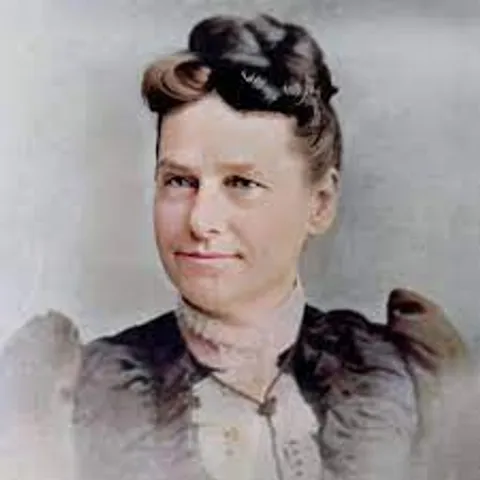 Maria Woodworth-Etter’s Early life
Maria’s early life was plagued with tragedies. Her father died of sunstroke when she was 11 years old leaving her mother with eight children to provide for. She married at 16 but fought a continual battle with ill-health, losing five of her six children. During her sickness she had visions of children in heaven and the lost suffering in hell.
She promised God, that if He would heal her, she would serve Him completely. She asked God for same apostolic power He gave the disciples and was gloriously baptized in the Holy Spirit. “It felt like liquid fire, and there were angels all around.”
The call to preach
Despite her personal struggles with ‘women in ministry’ and the prevailent hostile attitudes to female preachers, she felt compelled by God to accept the invitation to preach in the United Brethren in Christ (Friends) in 1876 and later associated with the Methodist Holiness church.
Evangelism with signs and wonders
Though simply evangelistic in the early days she was unusually successful and in 1885 supernatural signs began to accompany her ministry. Her ministry resurrected dead churches, brought salvation to thousands of unconverted and encouraged believers to seek a deeper walk with God.
She descibes one of her meetings
She described an 1883 meeting in Fairview, Ohio: “I felt impressed God was going to restore love and harmony in the church..… All present came to the altar, made a full consecration, and prayed for a baptism of the Holy Ghost and fire. That night it came. Fifteen same to the altar screaming for mercy.
Men and women fell and lay like dead. I felt it was the work of God, but did not know how to explain it or what to say. I was a little frightened . . . after lying for two hours all, one after another, sprang to their feet as quick as a flash with shining faces and shouted all over the house. I had never seen such bright conversions or such shouting….
The ministers and old saints wept and praised the Lord …..they said it was the Pentecost power, that the Lord was visiting them in great mercy and power …..(they) experienced visions of heaven and hell, collapsed on the floor as if they’d been shot or had died.” Subsequently, thousands were healed of a wide variety of sicknesses and diseases and many believers, even ministers, received mighty baptisms of the Holy Spirit. She soon became a national phenomenon.
1,000 seater tent
In 1889, she purchased a tent that could seat eight thousand people and set it up in Oakland, California. “The power of God was over all the congregation; and around in the city of Oakland. The Holy Ghost would fall on the people while we were preaching. The multitude would be held still, like as though death was in their midst.
Many of the most intelligent and best dressed men would fall back in their seats, with their hands held up to God. being held under the mighty power of God. Men and women fell, all over the tent, like trees in a storm; some would have visions of God. Most all of them came out shouting the praises of God.”
She declared that if 19th-century believers would meet God’s conditions, as the 120 did on the Day of Pentecost, they would have the same results. “A mighty revival would break out that would shake the world, and thousands of souls would be saved. The displays of God’s power on the Day of Pentecost were only a sample of what God designed should follow through the ages. Instead of looking back to Pentecost, let us always be expecting it to come, especially in these days.”
Her views of Pentecostalism
Initially she had grave concerns about the burgeoning Pentecostal movement, mainly because of some unbalanced teaching and reported extremism. Soon she came to believe it was an authentic move of the Holy Spirit and was enthusiastically welcomed within its ranks. She became both a model and a mentor for the fledgling movement. This association elicited another wave of revival between 1912 and her death in 1924 as she ministered throughout the country and her books were read across the world.
Etter Tabenacle
In 1918, she built Etter Tabernacle as her home church base and affiliated with the Assemblies of God. In her closing years she still ministered with a powerful anointing despite struggling with gastritis and dropsy. On occasion she would be carried to the podium, preach with extraordinary power, then be carried home again!
Her demise
Her health continued to decline and she died on September 16, 1924. She is buried in a grave in Indianapolis next to her daughter and son-in-law. Her inscription reads “Thou showest unto thousands lovingkindness.”
In conclusion
Without doubt Maria Woodworth-Etter was an amazing woman blessed with an astonishing ministry. Rev. Stanley Smith – one of the famous “Cambridge Seven” and for many years a worker with “The China Inland Mission” wrote this about her autobiography:
“I cannot let this opportunity go by without again bringing to the notice of my readers, ‘Acts of the Holy Ghost,’ or ‘Life and Experiences of Mrs. M. B. Woodworth-Etter.’ It is a book I value next to the Bible. In special seasons of waiting on God I have found it helpful to have the New Testament on one side of me and Mrs. Etter’s book on the other; this latter is a present-day record of ‘the Acts’ multiplied.
Mrs. Etter is a woman who has had a ministry of healing since 1885, her call as an evangelist being some years previous to this. I venture to think that this ministry is unparalleled in the history of the Church, for which I give all the glory to the Lord Jesus Christ, as Mrs. Etter would, I know, wish me to do. This ministry should be made known, for the glory of the Triune God and the good of believers.”
We agree and pray that such an anointing will rest upon God’s end-time people so that ‘this Gospel of the Kingdom will be preached in all the world before the end comes!’ Matthew 24:14
Tony Cauchi
Maria Woodworth-Etter’s Early life
Maria’s early life was plagued with tragedies. Her father died of sunstroke when she was 11 years old leaving her mother with eight children to provide for. She married at 16 but fought a continual battle with ill-health, losing five of her six children. During her sickness she had visions of children in heaven and the lost suffering in hell.
She promised God, that if He would heal her, she would serve Him completely. She asked God for same apostolic power He gave the disciples and was gloriously baptized in the Holy Spirit. “It felt like liquid fire, and there were angels all around.”
The call to preach
Despite her personal struggles with ‘women in ministry’ and the prevailent hostile attitudes to female preachers, she felt compelled by God to accept the invitation to preach in the United Brethren in Christ (Friends) in 1876 and later associated with the Methodist Holiness church.
Evangelism with signs and wonders
Though simply evangelistic in the early days she was unusually successful and in 1885 supernatural signs began to accompany her ministry. Her ministry resurrected dead churches, brought salvation to thousands of unconverted and encouraged believers to seek a deeper walk with God.
She descibes one of her meetings
She described an 1883 meeting in Fairview, Ohio: “I felt impressed God was going to restore love and harmony in the church..… All present came to the altar, made a full consecration, and prayed for a baptism of the Holy Ghost and fire. That night it came. Fifteen same to the altar screaming for mercy.
Men and women fell and lay like dead. I felt it was the work of God, but did not know how to explain it or what to say. I was a little frightened . . . after lying for two hours all, one after another, sprang to their feet as quick as a flash with shining faces and shouted all over the house. I had never seen such bright conversions or such shouting….
The ministers and old saints wept and praised the Lord …..they said it was the Pentecost power, that the Lord was visiting them in great mercy and power …..(they) experienced visions of heaven and hell, collapsed on the floor as if they’d been shot or had died.” Subsequently, thousands were healed of a wide variety of sicknesses and diseases and many believers, even ministers, received mighty baptisms of the Holy Spirit. She soon became a national phenomenon.
1,000 seater tent
In 1889, she purchased a tent that could seat eight thousand people and set it up in Oakland, California. “The power of God was over all the congregation; and around in the city of Oakland. The Holy Ghost would fall on the people while we were preaching. The multitude would be held still, like as though death was in their midst.
Many of the most intelligent and best dressed men would fall back in their seats, with their hands held up to God. being held under the mighty power of God. Men and women fell, all over the tent, like trees in a storm; some would have visions of God. Most all of them came out shouting the praises of God.”
She declared that if 19th-century believers would meet God’s conditions, as the 120 did on the Day of Pentecost, they would have the same results. “A mighty revival would break out that would shake the world, and thousands of souls would be saved. The displays of God’s power on the Day of Pentecost were only a sample of what God designed should follow through the ages. Instead of looking back to Pentecost, let us always be expecting it to come, especially in these days.”
Her views of Pentecostalism
Initially she had grave concerns about the burgeoning Pentecostal movement, mainly because of some unbalanced teaching and reported extremism. Soon she came to believe it was an authentic move of the Holy Spirit and was enthusiastically welcomed within its ranks. She became both a model and a mentor for the fledgling movement. This association elicited another wave of revival between 1912 and her death in 1924 as she ministered throughout the country and her books were read across the world.
Etter Tabenacle
In 1918, she built Etter Tabernacle as her home church base and affiliated with the Assemblies of God. In her closing years she still ministered with a powerful anointing despite struggling with gastritis and dropsy. On occasion she would be carried to the podium, preach with extraordinary power, then be carried home again!
Her demise
Her health continued to decline and she died on September 16, 1924. She is buried in a grave in Indianapolis next to her daughter and son-in-law. Her inscription reads “Thou showest unto thousands lovingkindness.”
In conclusion
Without doubt Maria Woodworth-Etter was an amazing woman blessed with an astonishing ministry. Rev. Stanley Smith – one of the famous “Cambridge Seven” and for many years a worker with “The China Inland Mission” wrote this about her autobiography:
“I cannot let this opportunity go by without again bringing to the notice of my readers, ‘Acts of the Holy Ghost,’ or ‘Life and Experiences of Mrs. M. B. Woodworth-Etter.’ It is a book I value next to the Bible. In special seasons of waiting on God I have found it helpful to have the New Testament on one side of me and Mrs. Etter’s book on the other; this latter is a present-day record of ‘the Acts’ multiplied.
Mrs. Etter is a woman who has had a ministry of healing since 1885, her call as an evangelist being some years previous to this. I venture to think that this ministry is unparalleled in the history of the Church, for which I give all the glory to the Lord Jesus Christ, as Mrs. Etter would, I know, wish me to do. This ministry should be made known, for the glory of the Triune God and the good of believers.”
We agree and pray that such an anointing will rest upon God’s end-time people so that ‘this Gospel of the Kingdom will be preached in all the world before the end comes!’ Matthew 24:14
Tony Cauchi
waiting is worth the reward
In my early twenties, I was a newlywed, fresh-faced and full of hope. Matt and I were well traveled. We had seen almost every Baptist encampment in Texas thanks to his itinerant preaching career. (Don’t be jealous.) While there were countless gifts in that season, what marked that time of my life more than anything else was the pain of a dream deferred. I had a burning desire and dream to lead worship and write songs for worship. I was surrounded by gifted men and women doing such, but by God’s grace and design, I enjoyed the ministry only in small doses. I felt stifled. I felt inadequate. There was work to be done on my heart, and the Lord knew it. I just struggled to see it. I wrote the letter below to the woman I was, with the hope that it might be an encouragement to someone who is wrestling with a dream deferred. You aren’t alone. As I wrote this, I found myself encouraged as well. There are still places I desire to see God work, still dreams I would love to see fulfilled. Writing was a needed reminder that he is working even if it isn’t evident to us, and that he is the dream better than any other dream he puts in our hearts. I know it feels like you will always be frustrated — like God has somehow forgotten you or is acting only as your own personal cosmic killjoy. While you’re hitting barrier after barrier pursuing your heart’s dreams and desires, it seems like everyone around you is living their best life now. You are tired of wrestling. You just want something to break your way. But there’s something I want to tell you that you probably don’t want to hear right now. I promise, though, that you will be so glad if you hang on to these words in the years ahead. Count it all joy, my brothers, when you meet trials of various kinds, for you know that the testing of your faith produces steadfastness. And let steadfastness have its full effect, that you may be perfect and complete, lacking in nothing. (James 1:2–4) Broken Dreams, Delayed Desires Yes, this “trial” is nothing compared to what others who worship Jesus are facing. You aren’t being persecuted for your faith; you aren’t destitute. Although you are living in the foreign wilderness of West Texas, you aren’t an exile or refugee. Nonetheless, this trial fits among the “various kinds,” and thus has the potential to do a tremendous work on your heart, if you will let it. On one level, it doesn’t feel like your faith is being tested. You still believe God is able to do anything; he’s just choosing not to do the things you want him to do for you. It feels like punishment. It feels unfair and confusing. You didn’t ask for these desires, but here they are. There’s nothing wrong or sinful about them. So what are you to do with them? In your mind, you assume there are two choices: either he gives you what you want the way you want it, or he takes the desires away. Beloved, there is so much more. Here’s what he’s doing. He is burning away the fluff. He is pulling out every false prop on which you’ve built your trust. He is frustrating your plans so that you turn your eyes from those around you and the lack you find inside you to see and love him for who he is and not merely what he can do for you. There is no more vital work than that. He loves you too much to give you what you want too soon. I know that’s easy for me to say when I know how this will all play out — when I know that you will be relieved that you didn’t get what you thought you wanted in the way you wanted it. The pressing and breaking of steadfastness doing its work is worth it. Portraits of Steadfastness So what does steadfastness look like? It looks like Jacob wrestling with the angel of the Lord (Genesis 32:24–32). He didn’t run away. He endured. He grappled with God even when it gave him a limp. He held on for dear life — for a blessing. He didn’t give up, and neither did God. Steadfastness looks like Job. He suffered horribly. He cried out desperately. He even lamented the day of his birth (Job 3:3). He questioned the Lord’s ways and was confronted with the terrifying beauty of God’s holiness. But he didn’t turn away. He was humbled in God’s presence. He laid his hand on his mouth and opened his ears to what God had to say. He rightly saw his scrawny, limited self in light of the magnificence of God. He repented. He prayed for his friends who just didn’t get what he was going through. God rebuked them, but he didn’t rebuke Job in the same way. He corrected and challenged him and eventually blessed him. Steadfastness looks like Hannah. All she wanted was a baby, but all she had was the love of her husband. She wept. She didn’t eat. Her heart was broken into pieces (1 Samuel 1:6–7). But she still went, year by year, with her husband to worship and sacrifice to the Lord in Shiloh. She poured her heart out to the Lord in her distress and through bitter tears. She didn’t hold back. She came honestly, though reverently, knowing that the Lord was the only one who could do something about her pain. And the Lord heard her prayer. He opened her womb and gave her a son that she gave back to him in return (1 Samuel 1:19–20). Perfect and Complete Do you remember when Jesus told his disciples, “I still have many things to say to you, but you cannot bear them now” (John 16:12)? The same is true of me to you; some things you learn only by growing older. But I will say this: Steadfastness looks like you falling forward into God’s grace — wrestling hard, crying out, and bringing the broken pieces of your heart to the Lord. It’s you looking to Jesus, the author and perfecter of your faith, who was perfectly steadfast through the most excruciating trial (Hebrews 12:2). He endured. He cried out. He became broken on your behalf so that his steadfastness could be your steadfastness. So when you’re in the midst of the hard work of steadfastness, remember that it won’t be pretty. And although you are being made “perfect and complete,” it’s not going to look perfect or feel complete. But who you are becoming is better than anything you now imagine — better than any desire or dream fulfilled before its time. You are becoming slowly but surely like Jesus. Be patient with yourself. You will need to read this letter again. And again and again. The process of becoming more steadfast won’t stop until you see your true heart’s desire face to face.