
Others like tortured for christ Features >>



About the Book
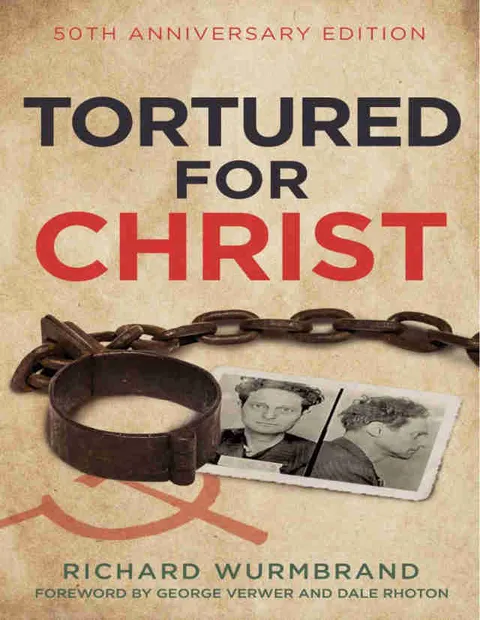
"Tortured for Christ" is a memoir written by Pastor Richard Wurmbrand about his experiences enduring persecution and torture for his Christian faith while imprisoned in Communist Romania. The book documents his resilience and unwavering faith in the face of immense suffering, and serves as a testament to the power of faith and hope in the darkest of times.
Jack Coe
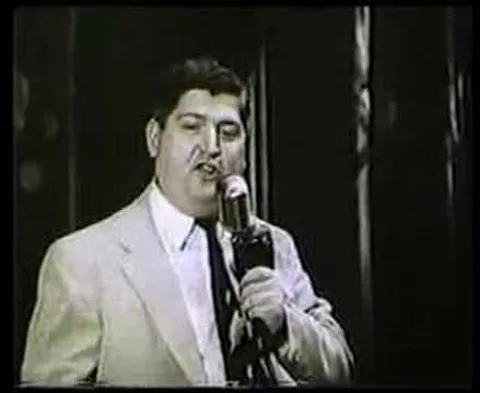 Jack G. Coe was born on March 11, 1918 in Oklahoma City, Oklahoma. His father, George, was a gambler and an alcoholic. His parents, although having been Christians, did not attend church. His grandparents, on his father's side were Christians but they were not able to influence their son's behavior. The couple had seven children in all. When Jack was five his father gambled away all their furniture and their house, leaving his mother Blanche destitute with seven children. They were devastated. His mother tried to make a new life by moving to Pennsylvania, but it was too hard. When Coe's father came to her house promising to change she agreed to reunite. The change did not last, however, and George went back to gambling.
Blanche left George for good, but only took her daughter with her this time. The boys were left with their father, which meant they were essentially left on their own. Often they did not have food to eat. Blanche did return to claim them, but could not care for them on her own. When Jack was nine he and his twelve year old brother was turned over to an orphanage. His older brother ran away, but was hit by a car and died. Jack struggled with rejection and abandonment. At seventeen he left the orphanage and began to drink, becoming an alcoholic like his father. He drank so much he had ulcers and his heart became enlarged. The doctor told him that if he didn't quit drinking he was going to die. Not knowing where else to go he moved to California to be near his mother. When he thought he was near death he promised God he would turn his life around and he was healed for a while. The family moved to Texas and he was drinking again. This time he heard God's voice "This is your last chance". The following Sunday he went to a Nazarene church and accepted Christ. He was radically changed. He went to church meetings almost every night, prayed, and read the Word constantly. After a year and a half he went to a Pentecostal meeting and was filled with the Holy Spirit and had a vision of Jesus.
Jack felt called to the ministry and went to and Assembly of God school called Southwestern Bible Institute, led by P.C. Nelson. He left in 1941 to join the army after the bombing of Pearl Harbor. He was so committed to God's purposes that he went to church every night. His sergeant sent him for psychiatric evaluation This happened several times while he was in the army. One day he was reading a book by P.C. Nelson on Healing when he fell asleep. He had a dream where he saw his sister close to death in a hospital but he saw a bright light come into her room and she was healed. He left immediately to see her and everything was as he'd seen it in a dream. She was healed and he was changed forever.
In 1944 Coe became ill with malaria. He was sent home because the doctors felt they could not help him. He sought the Lord who told him "preach the gospel". God healed him. He went out to preach and three people were saved. That year he was ordained as an Assembly of God minister. His healing experiences caused him to seek God about the gifts of healing. In 1945 he felt God called him to have a healing meeting. He went to Texas and announced in a church that God was going to heal the sick, cause the blind to see, and the deaf to hear. Those were bold words indeed! A woman received her sight that night. His ministry was launched. He began traveling over the country.
In 1946 God spoke to Coe and his wife Juanita to sell their house and start an itinerant ministry. They purchased a beat up truck and a ministry tent and began to live on the road. In 1948 God spoke to Coe to go to Redding, California. A woman, whose leg was about to be amputated, was healed and the news spread throughout the city. God blessed the couple and for the first time had enough money to be ahead on their finances. Healings and miracles regularly occurred in his meetings.
There were some very controversial things about Jack Coe. He believed that he should have a larger tent than other evangelists and went and measured Oral Roberts tent, then he ordered one larger. His style was dramatic and he often hit, slapped, or jerked people. He also would pull people out of wheelchairs. His speaking style was aggressive as he challenged people to believe God. He suggested that people who stood against him would be "struck dead by God". He was anti-medicine and told people not to go to doctors. He also encouraged interracial meetings.
In 1950 Coe began publishing the Herald of Healing magazine. Within six years it was being sent to over 350,000 people. God began to speak to Coe about opening an orphanage. He collected money for the project at every meeting. He sold his own home and began to build the children's home. His own family moved into the partially finished building so they would have a place to live. Coe eventually bought 200 acres outside of Dallas and built four dormitories and established a home farm. They could support 200 abandoned children.
In 1952 Coe began a radio ministry, which eventually was carried on over 100 radio stations. He also began having trouble with the Assembly of God organization. Although initially responsive to suggestions, he felt their goal was to limit the ministry. He suggested that the Assembly of God leadership had lost the belief in the miraculous and felt that they should be replaced. Needless to say this aggravated the situation. In 1953 Coe was expelled from the Assembly of God church. They felt that he was independent, extreme, prone to exaggeration, and they weren't sure about his ministry style. Coe felt that it was an attack against his success. He told people that "one of the officials made the remark to me that he would not rest until every man that was preaching divine healing in a deliverance ministry, separated from the General Council of the Assembly of God."
In 1953 Coe started his own church in Dallas. It was called the Dallas Revival Center. God spoke to him that it was important for those not getting healed to receive teaching about healing from the Word. In 1954 Coe opened a faith home, where people could stay for extended periods of time to receive prayer for healing. Teaching and prayer were given daily. 1956 was a pivotal year. While Coe was preaching in Miami he was arrested for practicing medicine without a license. This brought national attention to him and the ministry, both positive and negative. He was acquitted of practicing medicine without a license when the trial went to court.
At the end of 1956 Coe became ill. He had pushed himself night and day for years. He had poor eating habits and was overweight. He thought it was exhaustion but it was bulbar polio, a form of polio that affects the nerves. He became paralyzed, developed pneumonia, and died December 16, 1956.
Jack G. Coe was born on March 11, 1918 in Oklahoma City, Oklahoma. His father, George, was a gambler and an alcoholic. His parents, although having been Christians, did not attend church. His grandparents, on his father's side were Christians but they were not able to influence their son's behavior. The couple had seven children in all. When Jack was five his father gambled away all their furniture and their house, leaving his mother Blanche destitute with seven children. They were devastated. His mother tried to make a new life by moving to Pennsylvania, but it was too hard. When Coe's father came to her house promising to change she agreed to reunite. The change did not last, however, and George went back to gambling.
Blanche left George for good, but only took her daughter with her this time. The boys were left with their father, which meant they were essentially left on their own. Often they did not have food to eat. Blanche did return to claim them, but could not care for them on her own. When Jack was nine he and his twelve year old brother was turned over to an orphanage. His older brother ran away, but was hit by a car and died. Jack struggled with rejection and abandonment. At seventeen he left the orphanage and began to drink, becoming an alcoholic like his father. He drank so much he had ulcers and his heart became enlarged. The doctor told him that if he didn't quit drinking he was going to die. Not knowing where else to go he moved to California to be near his mother. When he thought he was near death he promised God he would turn his life around and he was healed for a while. The family moved to Texas and he was drinking again. This time he heard God's voice "This is your last chance". The following Sunday he went to a Nazarene church and accepted Christ. He was radically changed. He went to church meetings almost every night, prayed, and read the Word constantly. After a year and a half he went to a Pentecostal meeting and was filled with the Holy Spirit and had a vision of Jesus.
Jack felt called to the ministry and went to and Assembly of God school called Southwestern Bible Institute, led by P.C. Nelson. He left in 1941 to join the army after the bombing of Pearl Harbor. He was so committed to God's purposes that he went to church every night. His sergeant sent him for psychiatric evaluation This happened several times while he was in the army. One day he was reading a book by P.C. Nelson on Healing when he fell asleep. He had a dream where he saw his sister close to death in a hospital but he saw a bright light come into her room and she was healed. He left immediately to see her and everything was as he'd seen it in a dream. She was healed and he was changed forever.
In 1944 Coe became ill with malaria. He was sent home because the doctors felt they could not help him. He sought the Lord who told him "preach the gospel". God healed him. He went out to preach and three people were saved. That year he was ordained as an Assembly of God minister. His healing experiences caused him to seek God about the gifts of healing. In 1945 he felt God called him to have a healing meeting. He went to Texas and announced in a church that God was going to heal the sick, cause the blind to see, and the deaf to hear. Those were bold words indeed! A woman received her sight that night. His ministry was launched. He began traveling over the country.
In 1946 God spoke to Coe and his wife Juanita to sell their house and start an itinerant ministry. They purchased a beat up truck and a ministry tent and began to live on the road. In 1948 God spoke to Coe to go to Redding, California. A woman, whose leg was about to be amputated, was healed and the news spread throughout the city. God blessed the couple and for the first time had enough money to be ahead on their finances. Healings and miracles regularly occurred in his meetings.
There were some very controversial things about Jack Coe. He believed that he should have a larger tent than other evangelists and went and measured Oral Roberts tent, then he ordered one larger. His style was dramatic and he often hit, slapped, or jerked people. He also would pull people out of wheelchairs. His speaking style was aggressive as he challenged people to believe God. He suggested that people who stood against him would be "struck dead by God". He was anti-medicine and told people not to go to doctors. He also encouraged interracial meetings.
In 1950 Coe began publishing the Herald of Healing magazine. Within six years it was being sent to over 350,000 people. God began to speak to Coe about opening an orphanage. He collected money for the project at every meeting. He sold his own home and began to build the children's home. His own family moved into the partially finished building so they would have a place to live. Coe eventually bought 200 acres outside of Dallas and built four dormitories and established a home farm. They could support 200 abandoned children.
In 1952 Coe began a radio ministry, which eventually was carried on over 100 radio stations. He also began having trouble with the Assembly of God organization. Although initially responsive to suggestions, he felt their goal was to limit the ministry. He suggested that the Assembly of God leadership had lost the belief in the miraculous and felt that they should be replaced. Needless to say this aggravated the situation. In 1953 Coe was expelled from the Assembly of God church. They felt that he was independent, extreme, prone to exaggeration, and they weren't sure about his ministry style. Coe felt that it was an attack against his success. He told people that "one of the officials made the remark to me that he would not rest until every man that was preaching divine healing in a deliverance ministry, separated from the General Council of the Assembly of God."
In 1953 Coe started his own church in Dallas. It was called the Dallas Revival Center. God spoke to him that it was important for those not getting healed to receive teaching about healing from the Word. In 1954 Coe opened a faith home, where people could stay for extended periods of time to receive prayer for healing. Teaching and prayer were given daily. 1956 was a pivotal year. While Coe was preaching in Miami he was arrested for practicing medicine without a license. This brought national attention to him and the ministry, both positive and negative. He was acquitted of practicing medicine without a license when the trial went to court.
At the end of 1956 Coe became ill. He had pushed himself night and day for years. He had poor eating habits and was overweight. He thought it was exhaustion but it was bulbar polio, a form of polio that affects the nerves. He became paralyzed, developed pneumonia, and died December 16, 1956.
God Knows
At the end of Exodus 2, Moses is a fugitive in Midian, hiding from Pharaoh and the people of Israel are groaning in Egypt, crying out for deliverance from the oppressive, abusive death grip of slavery. And the chapter ends with these words: “God saw the people of Israel — and God knew” (Exodus 2:25). Those words, “God knew,” are pregnant with hope. God Knew God knew. God was aware of each person’s suffering. He understood what was happening to them and how it was affecting them. God knew the dehumanizing degradation and routine rapine that is part and parcel of a slave’s experience. He knew the premature breakdown of bodies ruthlessly subjected daily to exhausting manual labor (Exodus 1:11). He knew the bitter erosion of hope that occurs when all labor only benefits ungrateful abusers (Exodus 1:14). God knew the horror and trauma of legalized, enforced infanticide (Exodus 1:16). And he knew the resentment and anger that is on constant simmer in a culture of hopelessness, sometimes boiling over into vengeful violence against oppressors (Exodus 2:11–12), and other times into tragic violence within the oppressed community (Exodus 2:13). God knew and he was preparing to take action in a way that would leave a permanent, indelible imprint upon the collective memory of the human race. God Foreknew But God didn’t only know this when it all happened. He knew it was going to happen long before it even looked remotely possible that it could happen. Centuries earlier God had told Abram (later Abraham), the founder of the Israelite nation, Know for certain that your offspring will be sojourners in a land that is not theirs and will be servants there, and they will be afflicted for four hundred years. But I will bring judgment on the nation that they serve, and afterward they shall come out with great possessions. (Genesis 15:13–14, italics mine) The nature and implications of God’s foreknowledge — what he foreknows and how certain this foreknowledge is — have been debated for millennia. Admittedly, this is deep water for human intellects to swim in. But in this text we have a direct quote from God himself on the subject. And he says it so plainly a child could not mistake it: “Know for certain that your offspring will be [enslaved] and will be afflicted for four hundred years.” This was not a qualified expert making an educated guess about the future decisions of free moral agents on the basis of probabilities. This was clear, specific, certain foresight. God certainly foreknew that the Israelites would experience desperate suffering. And his revealed foresight also clearly revealed a divine purpose in this horrible experience, a purpose whose scope extended way beyond just Israel. God Knew What He Was Doing Two verses later in Genesis 15, God tells Abram, “And [your descendants] shall come back here [to Canaan] in the fourth generation, for the iniquity of the Amorites is not yet complete” (Genesis 15:16, italics mine). This statement about the Amorites is a multi-layered gift for the saints of God. To unpack its implications would require a book. In it is a world of God’s precise patience, justice, judgment, and more. But with regard to Israel’s suffering, we see in the Amorite allusion a rare jewel of God’s rationale for his timeline. The enslaved Israelite’s prayers must have sounded much like their future royal kinsman’s: “How long, O LORD? Will you forget me forever? . . . How long shall my enemy be exalted over me?” (Psalm 13:1–2). God rarely provides an answer to such a question. But here he provides an answer before the question was ever raised. How long, O LORD? Four hundred years. Why so long? Because my purposes involve far more than just Israel and Egypt. They also involve the sin of and my righteous judgment on the peoples of Canaan. When the time is ripe for me to fulfill my covenant to Abraham, it will also be ripe for me to judge the wickedness of the Amorites. In the bloody, sweaty, tearful, agonizing experience of slavery, it would have looked like God had forgotten. He had not. He knew. He had foreknown. And he knew just what he was doing. God Knows The reality expressed in the words “God knows” is a well of profound comfort and peace for us in our afflictions. Yes, there remain unanswered questions. No, they do not themselves remove our pain. But in Exodus 2:25 and Genesis 15:13–14 we see why these words are pregnant with hope. Your affliction has a purpose. You likely don’t know what it is yet, but someday you will. And your affliction has a timeline. You likely don’t know what it is yet, and likely it already seems too long. But someday you will understand. And you will understand that the purposes for both your affliction and how long you were required to endure it extended far beyond the range of your perception. And then it will make sense. Jesus Christ has guaranteed your exodus. And it is a far greater exodus than the mere escape from your affliction. There is coming an end to your sojourning in this foreign land (Hebrews 11:13). There is a Promised Land far greater than Canaan. And when you reach it, no matter what you suffered in this veil of tears, you will have no regrets. God will have worked it all for such good that you will wonder that you ever questioned his judgment or goodness (Romans 8:28). In your affliction, cry out to God for help (Exodus 2:23). He hears. And when the time is right, God will answer you. For God sees you — and he knows. Article by Jon Bloom