

Others like times and seasons Features >>


-160.webp)


-160.webp)




About the Book
"Times And Seasons" follows the lives of four women as they navigate through various seasons of life, including joy, sorrow, and growth. Through their experiences, the authors explore themes of faith, friendship, and resilience, offering a heartwarming and inspiring story of hope and redemption.
A.W. Tozer (Aiden Wilson Tozer)
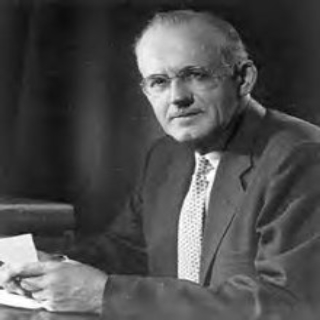 Early life
Tozer hailed from a tiny farming community in western La Jose, Pennsylvania. He was converted to Christianity as a teenager in Akron, Ohio: While on his way home from work at a tire company, he overheard a street preacher say, "If you don't know how to be saved ... just call on God, saying, 'Lord, be merciful to me a sinner.'" Upon returning home, he climbed into the attic and heeded the preacher's advice.
Pastor
In 1919, five years after his conversion and without formal education in Christian theology, Tozer accepted an offer to serve as pastor of his first church. That began 44 years of ministry associated with the Christian and Missionary Alliance (C&MA), a Protestant Evangelical denomination, 33 of them serving as a pastor in several different congregations (his first, a small storefront church in Nutter Fort, West Virginia). Later, he served thirty years (1928 to 1959) as the pastor of Southside Alliance Church in Chicago; the final years of his life he spent as pastor of Avenue Road Church in Toronto, Ontario, Canada. Observing contemporary Christian living, Tozer felt that the church was on a dangerous course toward compromising with "worldly" concerns.
Born into poverty, Tozer was self-educated and taught himself what he missed in high school and university.
Author
Tozer began writing in 1931 for the denominational magazine of the Christian and Missionary Alliance, Alliance Weekly (now Alliance Life), which became the platform from which his writing career emerged. He later wrote the monthly column “There’s Truth in It” (1936–37) and “A Word in Season” (1944–46). In May 1950, he became the editor of the Alliance Weekly, a position he filled until his death in 1963.
At the urging of David W. Fant, publications secretary of the C&MA, Tozer wrote biographies of A. B. Simpson (1943) and Robert A. Jaffray (1947). It was the publication of his third book, The Pursuit of God (1948), that made Tozer a household name among evangelicals. In addition to the 12 books he published in his lifetime, more than 40 other books have been compiled from his magazine features, editorials, and transcribed sermons.
During his lifetime, Tozer’s works were published by Christian Publications, Inc., the denominational press operated by the C&MA. The publishing house declared bankruptcy in 2006 and was purchased by WingSpread Publishers of Camp Hill, Pennsylvania.[8] In November 2013, Moody Publishers acquired Wingspread from parent company Zur Ltd., a transaction that included more than 60 Tozer books and pamphlets. Some of Tozer’s works are now in the public domain and have been issued by multiple publishers.
Personal life
Tozer had seven children, six sons and a daughter. Living a simple and non-materialistic lifestyle, he and his wife, Ada Cecelia Pfautz, never owned a car, preferring bus and train travel. Even after becoming a well-known Christian author, Tozer signed away much of his royalties to those who were in need.
Prayer was of vital personal importance for Tozer. "His preaching as well as his writings were but extensions of his prayer life," comments his biographer, James L. Snyder, in the book In Pursuit of God: The Life Of A.W. Tozer. "He had the ability to make his listeners face themselves in the light of what God was saying to them," writes Snyder.
Death and legacy
Tozer died on May 13, 1963, after suffering a heart attack. He was buried in Chicago, and later the family had his remains reinterred at Ellet Cemetery, Akron, Ohio. A simple marker reads: A. W. Tozer—A Man of God. The Alliance Weekly ran a memorial issue with numerous tributes and excerpts. The same issue also featured “God’s Greatest Gift to Man," a transcription of his final sermon. A few months prior to his death, Tozer had submitted the manuscript to The Christian Book of Mystical Verse, which was released in 1964 as his final book. His official publisher, Christian Publications, released many titles after his death, based on his magazine articles and sermon transcriptions. These continue in print with Moody Publishers. Several other publishers have released his public domain works.
In 2000, The Pursuit of God was named to Christianity Today’s list of 100 “Books of the Century.” In 2006, Knowledge of the Holy was named in “The Top 50 Books That Have Shaped Evangelicals.” Contemporary Christian music artist Lauren Barlow of BarlowGirl later published a compilation of stories told by 59 artists, writers, and leaders about A.W. Tozer’s personal inspiration.
Early life
Tozer hailed from a tiny farming community in western La Jose, Pennsylvania. He was converted to Christianity as a teenager in Akron, Ohio: While on his way home from work at a tire company, he overheard a street preacher say, "If you don't know how to be saved ... just call on God, saying, 'Lord, be merciful to me a sinner.'" Upon returning home, he climbed into the attic and heeded the preacher's advice.
Pastor
In 1919, five years after his conversion and without formal education in Christian theology, Tozer accepted an offer to serve as pastor of his first church. That began 44 years of ministry associated with the Christian and Missionary Alliance (C&MA), a Protestant Evangelical denomination, 33 of them serving as a pastor in several different congregations (his first, a small storefront church in Nutter Fort, West Virginia). Later, he served thirty years (1928 to 1959) as the pastor of Southside Alliance Church in Chicago; the final years of his life he spent as pastor of Avenue Road Church in Toronto, Ontario, Canada. Observing contemporary Christian living, Tozer felt that the church was on a dangerous course toward compromising with "worldly" concerns.
Born into poverty, Tozer was self-educated and taught himself what he missed in high school and university.
Author
Tozer began writing in 1931 for the denominational magazine of the Christian and Missionary Alliance, Alliance Weekly (now Alliance Life), which became the platform from which his writing career emerged. He later wrote the monthly column “There’s Truth in It” (1936–37) and “A Word in Season” (1944–46). In May 1950, he became the editor of the Alliance Weekly, a position he filled until his death in 1963.
At the urging of David W. Fant, publications secretary of the C&MA, Tozer wrote biographies of A. B. Simpson (1943) and Robert A. Jaffray (1947). It was the publication of his third book, The Pursuit of God (1948), that made Tozer a household name among evangelicals. In addition to the 12 books he published in his lifetime, more than 40 other books have been compiled from his magazine features, editorials, and transcribed sermons.
During his lifetime, Tozer’s works were published by Christian Publications, Inc., the denominational press operated by the C&MA. The publishing house declared bankruptcy in 2006 and was purchased by WingSpread Publishers of Camp Hill, Pennsylvania.[8] In November 2013, Moody Publishers acquired Wingspread from parent company Zur Ltd., a transaction that included more than 60 Tozer books and pamphlets. Some of Tozer’s works are now in the public domain and have been issued by multiple publishers.
Personal life
Tozer had seven children, six sons and a daughter. Living a simple and non-materialistic lifestyle, he and his wife, Ada Cecelia Pfautz, never owned a car, preferring bus and train travel. Even after becoming a well-known Christian author, Tozer signed away much of his royalties to those who were in need.
Prayer was of vital personal importance for Tozer. "His preaching as well as his writings were but extensions of his prayer life," comments his biographer, James L. Snyder, in the book In Pursuit of God: The Life Of A.W. Tozer. "He had the ability to make his listeners face themselves in the light of what God was saying to them," writes Snyder.
Death and legacy
Tozer died on May 13, 1963, after suffering a heart attack. He was buried in Chicago, and later the family had his remains reinterred at Ellet Cemetery, Akron, Ohio. A simple marker reads: A. W. Tozer—A Man of God. The Alliance Weekly ran a memorial issue with numerous tributes and excerpts. The same issue also featured “God’s Greatest Gift to Man," a transcription of his final sermon. A few months prior to his death, Tozer had submitted the manuscript to The Christian Book of Mystical Verse, which was released in 1964 as his final book. His official publisher, Christian Publications, released many titles after his death, based on his magazine articles and sermon transcriptions. These continue in print with Moody Publishers. Several other publishers have released his public domain works.
In 2000, The Pursuit of God was named to Christianity Today’s list of 100 “Books of the Century.” In 2006, Knowledge of the Holy was named in “The Top 50 Books That Have Shaped Evangelicals.” Contemporary Christian music artist Lauren Barlow of BarlowGirl later published a compilation of stories told by 59 artists, writers, and leaders about A.W. Tozer’s personal inspiration.
satan: his work and destiny
Two errors regarding Satan are current and since he alone is advantaged by them it is reasonable to conclude that he is the author of them. 1. Many believe that Satan does not really exist and that the supposed person of Satan is no more than an evil principle, or influence, which is in man and in the world. This conception is proved to be wrong by the fact that there is the same abundant evidence that Satan is a person as there is that Christ is a person. The Scriptures, which alone are authoritative on these matters, treat one to be a person as much as the other, and if the personality of Christ is accepted on the testimony of the Bible, the personality of Satan must also be accepted on the same testimony. 2. Likewise, others believe that Satan is the direct cause of sin in every person. This impression is not true (1) because Satan is not aiming to promote sin in the world. He did not purpose to be a fiend, but rather to be "like the most High" (Isa. 14:14); he is not aiming to destroy, so much as he is to construct, and to realize his own ambition for authority over this world system, which system proposes culture, morality, and religion (2 Cor. 11:13-15). The impression that Satan is the direct cause of sin is not true (2) because human sin is said to come directly from the fallen human heart (Mark 7:18-23; Jas. 1:13-16; Gen. 6:5). I. The Work of Satan The following are only a few of the many passages bearing on the work of Satan: Isaiah 14:12-17. This passage reveals Satan's original and supreme purpose. He would ascend into Heaven, exalt his throne above the stars of God, and be like the most High. To this end he will use his unmeasured wisdom and power; he will weaken the nations, make the earth to tremble, make the world as a wilderness, destroy the cities thereof, and refuse to release his prisoners. Though every phrase of this passage is a startling disclosure, two in particular may be noted: 1. "I will he like the most High." As recorded in the Scriptures, the activities of Satan following his moral fall can be traced only in the line of this supreme motive. It was this purpose which in all seriousness he recommended to Adam and Eve (Gen. 3:5), and they, by adopting Satan's ideal, became self-centered, self-sufficient, and independent of God. This attitude on the part of Adam and Eve became their very nature and has been transmitted to all their posterity to the extent that their posterity are called the "children of wrath" (Eph. 2:3; 5:6; Rom. 1:18), they must be born again (John 3:3), and, when saved, have a struggle to be yielded wholly to the will of God. Again, Satan's desire to be "like the most High" is seen in his passion to be worshiped by Christ (Luke 4:5-7). When the Man of Sin enters the holy place and is worshiped as God (2 Thess. 2:3, 4; Dan. 9:27; Matt. 24:15; Rev. 13:4-8), for a brief moment, Satan's supreme desire will be realized under the permissive will of God. 2. He "opened not the house of his prisoners." The entire prophecy from which this phrase is taken is concerning the work of Satan as it will have been completed in the days of his final judgment. Doubtless there is a larger fulfillment yet future; however, we know that Satan is now doing all in his power to keep the unsaved from being delivered from the power of darkness and translated into the kingdom of God's dear Son (Col. 1:13). Satan is the one who energizes the children of disobedience (Eph. 2:2), blinds the minds of the unsaved lest the light of the Gospel shall reach them (2 Cor. 4:3, 4), and holds the unconscious world in his arms (1 John 5:19, R.V.). It is also revealed that Satan in his warfare will counterfeit the things of God, which undertaking will likewise be in accord with his purpose to be "like the most High." He will promote extensive religious systems (1 Tim. 4:1-3; 2 Cor. 11:13-15). In this connection, it should be observed that Satan can promote forms of religion which are based on selected Bible texts, which elevate Christ as the leader, and which incorporate every phase of the Christian faith excepting one — the doctrine of salvation by grace alone on the ground of the shed blood of Christ. Such satanic delusions are now in the world and multitudes are being deceived by them. Such false systems are always to be tested by the attitude they take toward the saving grace of God through the efficacious blood of Christ (Rev. 12:11). Satan's enmity is evidently against God alone. He is in no way at enmity with the unsaved, and when he aims his "fiery darts" at the children of God, he attacks them only because of the fact that they are indwelt by the divine nature, and through them he is enabled to secure a thrust at God. Likewise, the attack against the children of God is not in the sphere of "flesh and blood," but in the sphere of their heavenly association with Christ. That is, the believer may not be drawn away into immorality, but he may utterly fail in prayer, in testimony and in spiritual victory. Such failure, it should be seen, is as much defeat and dishonor in the sight of God as those sins which are freely condemned by the world. II. The Destiny of Satan As the Word of God is explicit regarding the origin of Satan, so it is explicit regarding his career and destiny. Five progressive judgments of Satan are to be distinguished: 1. Satan's Moral Fall. Though the time in the dateless past is not disclosed, Satan's moral fall, with its necessary separation from God, is clearly indicated (Ezek. 28:15; 1 Tim. 3:6). It is evident, however, that he did not lose his heavenly position, the larger portion of his power, or his access to God. 2. Satan's Judgment through the Cross. Through the cross a perfect judgment has been secured (John 12:31; 16:11; Col. 2:14, 15), but the execution of that sentence is yet future. This sentence with its execution was predicted in the Garden of Eden (Gen. 3:15). 3. Satan will be cast out of Heaven. In the midst of the coming Tribulation and as a result of a war in Heaven, Satan will be cast out of Heaven and be limited to the earth. He will then act in great wrath knowing that he has but a short time to continue (Rev. 12:7-12. Note, also, Isa. 14:12; Luke 10:18). 4. Satan will be confined, to the Abyss. For the thousand-year reign of Christ upon the earth, Satan will be sealed in the abyss, after which he must be loosed for a "little season" (Rev. 20:1-3, 7). 5. Satan's Final Doom. Having promoted an open rebellion against God during the "little season," Satan is then cast into the lake of fire to be tormented day and night for ever and ever (Rev. 20:10). From Major Bible Themes... by Lewis Sperry Chafer. Chicago: The Bible Institute Colportage, 1937, ©1926.