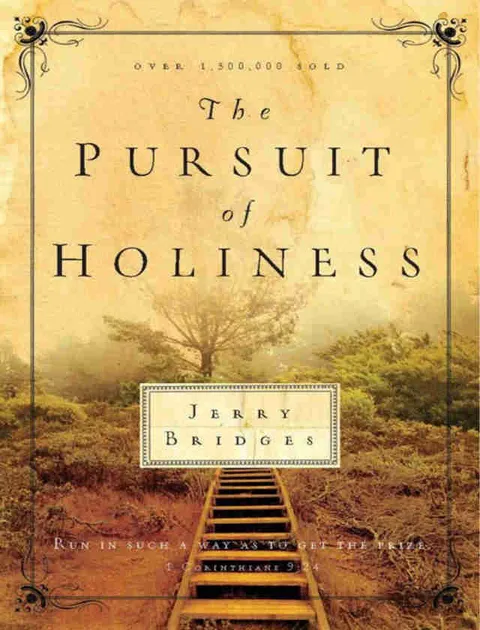

Others like the pursuit of holiness Features >>


About the Book
"The Pursuit of Holiness" by Jerry Bridges is a Christian book that explores the importance of living a life of holiness, defined as a continual pursuit of conformity to the character of Jesus Christ. The book focuses on practical ways to grow in holiness, including the role of obedience, dependence on God's grace, and the importance of developing spiritual disciplines. Bridges emphasizes the necessity of personal effort in pursuing holiness, while recognizing that it is ultimately God who empowers believers to live holy lives.
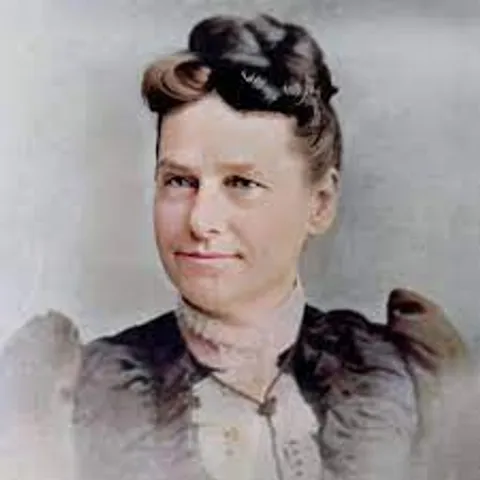
Maria Woodworth-Etter
 Maria Woodworth-Etter’s Early life
Maria’s early life was plagued with tragedies. Her father died of sunstroke when she was 11 years old leaving her mother with eight children to provide for. She married at 16 but fought a continual battle with ill-health, losing five of her six children. During her sickness she had visions of children in heaven and the lost suffering in hell.
She promised God, that if He would heal her, she would serve Him completely. She asked God for same apostolic power He gave the disciples and was gloriously baptized in the Holy Spirit. “It felt like liquid fire, and there were angels all around.”
The call to preach
Despite her personal struggles with ‘women in ministry’ and the prevailent hostile attitudes to female preachers, she felt compelled by God to accept the invitation to preach in the United Brethren in Christ (Friends) in 1876 and later associated with the Methodist Holiness church.
Evangelism with signs and wonders
Though simply evangelistic in the early days she was unusually successful and in 1885 supernatural signs began to accompany her ministry. Her ministry resurrected dead churches, brought salvation to thousands of unconverted and encouraged believers to seek a deeper walk with God.
She descibes one of her meetings
She described an 1883 meeting in Fairview, Ohio: “I felt impressed God was going to restore love and harmony in the church..… All present came to the altar, made a full consecration, and prayed for a baptism of the Holy Ghost and fire. That night it came. Fifteen same to the altar screaming for mercy.
Men and women fell and lay like dead. I felt it was the work of God, but did not know how to explain it or what to say. I was a little frightened . . . after lying for two hours all, one after another, sprang to their feet as quick as a flash with shining faces and shouted all over the house. I had never seen such bright conversions or such shouting….
The ministers and old saints wept and praised the Lord …..they said it was the Pentecost power, that the Lord was visiting them in great mercy and power …..(they) experienced visions of heaven and hell, collapsed on the floor as if they’d been shot or had died.” Subsequently, thousands were healed of a wide variety of sicknesses and diseases and many believers, even ministers, received mighty baptisms of the Holy Spirit. She soon became a national phenomenon.
1,000 seater tent
In 1889, she purchased a tent that could seat eight thousand people and set it up in Oakland, California. “The power of God was over all the congregation; and around in the city of Oakland. The Holy Ghost would fall on the people while we were preaching. The multitude would be held still, like as though death was in their midst.
Many of the most intelligent and best dressed men would fall back in their seats, with their hands held up to God. being held under the mighty power of God. Men and women fell, all over the tent, like trees in a storm; some would have visions of God. Most all of them came out shouting the praises of God.”
She declared that if 19th-century believers would meet God’s conditions, as the 120 did on the Day of Pentecost, they would have the same results. “A mighty revival would break out that would shake the world, and thousands of souls would be saved. The displays of God’s power on the Day of Pentecost were only a sample of what God designed should follow through the ages. Instead of looking back to Pentecost, let us always be expecting it to come, especially in these days.”
Her views of Pentecostalism
Initially she had grave concerns about the burgeoning Pentecostal movement, mainly because of some unbalanced teaching and reported extremism. Soon she came to believe it was an authentic move of the Holy Spirit and was enthusiastically welcomed within its ranks. She became both a model and a mentor for the fledgling movement. This association elicited another wave of revival between 1912 and her death in 1924 as she ministered throughout the country and her books were read across the world.
Etter Tabenacle
In 1918, she built Etter Tabernacle as her home church base and affiliated with the Assemblies of God. In her closing years she still ministered with a powerful anointing despite struggling with gastritis and dropsy. On occasion she would be carried to the podium, preach with extraordinary power, then be carried home again!
Her demise
Her health continued to decline and she died on September 16, 1924. She is buried in a grave in Indianapolis next to her daughter and son-in-law. Her inscription reads “Thou showest unto thousands lovingkindness.”
In conclusion
Without doubt Maria Woodworth-Etter was an amazing woman blessed with an astonishing ministry. Rev. Stanley Smith – one of the famous “Cambridge Seven” and for many years a worker with “The China Inland Mission” wrote this about her autobiography:
“I cannot let this opportunity go by without again bringing to the notice of my readers, ‘Acts of the Holy Ghost,’ or ‘Life and Experiences of Mrs. M. B. Woodworth-Etter.’ It is a book I value next to the Bible. In special seasons of waiting on God I have found it helpful to have the New Testament on one side of me and Mrs. Etter’s book on the other; this latter is a present-day record of ‘the Acts’ multiplied.
Mrs. Etter is a woman who has had a ministry of healing since 1885, her call as an evangelist being some years previous to this. I venture to think that this ministry is unparalleled in the history of the Church, for which I give all the glory to the Lord Jesus Christ, as Mrs. Etter would, I know, wish me to do. This ministry should be made known, for the glory of the Triune God and the good of believers.”
We agree and pray that such an anointing will rest upon God’s end-time people so that ‘this Gospel of the Kingdom will be preached in all the world before the end comes!’ Matthew 24:14
Tony Cauchi
Maria Woodworth-Etter’s Early life
Maria’s early life was plagued with tragedies. Her father died of sunstroke when she was 11 years old leaving her mother with eight children to provide for. She married at 16 but fought a continual battle with ill-health, losing five of her six children. During her sickness she had visions of children in heaven and the lost suffering in hell.
She promised God, that if He would heal her, she would serve Him completely. She asked God for same apostolic power He gave the disciples and was gloriously baptized in the Holy Spirit. “It felt like liquid fire, and there were angels all around.”
The call to preach
Despite her personal struggles with ‘women in ministry’ and the prevailent hostile attitudes to female preachers, she felt compelled by God to accept the invitation to preach in the United Brethren in Christ (Friends) in 1876 and later associated with the Methodist Holiness church.
Evangelism with signs and wonders
Though simply evangelistic in the early days she was unusually successful and in 1885 supernatural signs began to accompany her ministry. Her ministry resurrected dead churches, brought salvation to thousands of unconverted and encouraged believers to seek a deeper walk with God.
She descibes one of her meetings
She described an 1883 meeting in Fairview, Ohio: “I felt impressed God was going to restore love and harmony in the church..… All present came to the altar, made a full consecration, and prayed for a baptism of the Holy Ghost and fire. That night it came. Fifteen same to the altar screaming for mercy.
Men and women fell and lay like dead. I felt it was the work of God, but did not know how to explain it or what to say. I was a little frightened . . . after lying for two hours all, one after another, sprang to their feet as quick as a flash with shining faces and shouted all over the house. I had never seen such bright conversions or such shouting….
The ministers and old saints wept and praised the Lord …..they said it was the Pentecost power, that the Lord was visiting them in great mercy and power …..(they) experienced visions of heaven and hell, collapsed on the floor as if they’d been shot or had died.” Subsequently, thousands were healed of a wide variety of sicknesses and diseases and many believers, even ministers, received mighty baptisms of the Holy Spirit. She soon became a national phenomenon.
1,000 seater tent
In 1889, she purchased a tent that could seat eight thousand people and set it up in Oakland, California. “The power of God was over all the congregation; and around in the city of Oakland. The Holy Ghost would fall on the people while we were preaching. The multitude would be held still, like as though death was in their midst.
Many of the most intelligent and best dressed men would fall back in their seats, with their hands held up to God. being held under the mighty power of God. Men and women fell, all over the tent, like trees in a storm; some would have visions of God. Most all of them came out shouting the praises of God.”
She declared that if 19th-century believers would meet God’s conditions, as the 120 did on the Day of Pentecost, they would have the same results. “A mighty revival would break out that would shake the world, and thousands of souls would be saved. The displays of God’s power on the Day of Pentecost were only a sample of what God designed should follow through the ages. Instead of looking back to Pentecost, let us always be expecting it to come, especially in these days.”
Her views of Pentecostalism
Initially she had grave concerns about the burgeoning Pentecostal movement, mainly because of some unbalanced teaching and reported extremism. Soon she came to believe it was an authentic move of the Holy Spirit and was enthusiastically welcomed within its ranks. She became both a model and a mentor for the fledgling movement. This association elicited another wave of revival between 1912 and her death in 1924 as she ministered throughout the country and her books were read across the world.
Etter Tabenacle
In 1918, she built Etter Tabernacle as her home church base and affiliated with the Assemblies of God. In her closing years she still ministered with a powerful anointing despite struggling with gastritis and dropsy. On occasion she would be carried to the podium, preach with extraordinary power, then be carried home again!
Her demise
Her health continued to decline and she died on September 16, 1924. She is buried in a grave in Indianapolis next to her daughter and son-in-law. Her inscription reads “Thou showest unto thousands lovingkindness.”
In conclusion
Without doubt Maria Woodworth-Etter was an amazing woman blessed with an astonishing ministry. Rev. Stanley Smith – one of the famous “Cambridge Seven” and for many years a worker with “The China Inland Mission” wrote this about her autobiography:
“I cannot let this opportunity go by without again bringing to the notice of my readers, ‘Acts of the Holy Ghost,’ or ‘Life and Experiences of Mrs. M. B. Woodworth-Etter.’ It is a book I value next to the Bible. In special seasons of waiting on God I have found it helpful to have the New Testament on one side of me and Mrs. Etter’s book on the other; this latter is a present-day record of ‘the Acts’ multiplied.
Mrs. Etter is a woman who has had a ministry of healing since 1885, her call as an evangelist being some years previous to this. I venture to think that this ministry is unparalleled in the history of the Church, for which I give all the glory to the Lord Jesus Christ, as Mrs. Etter would, I know, wish me to do. This ministry should be made known, for the glory of the Triune God and the good of believers.”
We agree and pray that such an anointing will rest upon God’s end-time people so that ‘this Gospel of the Kingdom will be preached in all the world before the end comes!’ Matthew 24:14
Tony Cauchi
Food Rules
A graduate student sits at a booth with friends, his second drink near empty. “Can I refill you?” the waiter asks. A mother sees the chocolate as she reaches for her youngest’s sippy cup. She tries not to eat sugar in the afternoons, but she’s tired and stressed, and the children aren’t looking. A father comes back to the kitchen after putting the kids down. Dinner is done, but the leftover pizza is still sitting out. The day has drained him, and another few pieces seem harmless. Compared to the battles many fight — against addiction, against pornography, against anger, against pride — scenarios such as these may seem too trivial for discussion. Don’t we have bigger sins to worry about than the gluttony of secret snacks and third helpings? And yet, food is a bigger battleground than many recognize. Do you remember Moses’s terse description of the world’s first sin? She took of its fruit and ate , and she also gave some to her husband who was with her, and he ate . (Genesis 3:6) Murder did not bar Adam and Eve from paradise — nor did adultery, theft, lying, or blasphemy. Eating did. Our first parents ate their way out of Eden. And in our own way, so do we. Garden of Eating Food problems, whether large (buffet binging) or small (hidden, uncontrolled snacking), go back to the beginning. Our own moments before the refrigerator or the cupboard can, in some small measure, reenact that moment by the tree. And apart from well-timed grace from God, we often respond in one of two ungodly ways. “Our first parents ate their way out of Eden. And in our own way, so do we.” Some, like Adam and Eve, choose to indulge . They sense, on some level, that to eat is to quiet the voice of conscience and weaken the walls of self-control (Proverbs 25:28). They would recognize, if they stopped to ponder and pray, that this “eating is not from faith” (Romans 14:23). But they neither stop, nor ponder, nor pray. Instead, they tip their glass for another drink, snatch and swallow the chocolate, grab a few more slices. Wisdom’s protest avails little against the suggestion of “just one more.” “Since Eden,” Derek Kidner writes, “man has wanted the last ounce out of life, as though beyond God’s ‘enough’ lay ecstasy, not nausea” ( Proverbs , 152). And so, the indulgent drink and grab and sip and snack, forgetting that their grasping leads them, not deeper into Eden’s heart, but farther outside Eden’s walls, where, nauseous and bloated, they bow to the god called “belly” (Philippians 3:19; see also Romans 16:18). Meanwhile, others choose to deny . Their motto is not “Eat, drink, be merry” (Luke 12:19), but “Do not handle, do not taste, do not touch” (Colossians 2:21). They frantically count calories, buy scales, and build their lives on the first floor of the food pyramid. Though they may not impose their diets on others, at least for themselves they “require abstinence from foods that God created to be received with thanksgiving” (1 Timothy 4:3) — as if one should see Eden’s lawful fruit and say, “I’m good with grass.” If our God-given appetites are a stallion, some let the horse run unbridled, while others prefer to shut him up in a stable. Still others, of course, alternate (sometimes wildly) between the two. In Christ, however, God teaches us to ride. Appetite Redeemed Paul’s familiar command to “be imitators of me, as I am of Christ” (1 Corinthians 11:1) comes, surprisingly enough, in the context of food (see 1 Corinthians 8–10, especially 8:7–13 and 10:14–33). And the Gospels tell us why: in Jesus, we find appetite redeemed. “The Son of Man came eating and drinking,” Jesus says of himself (Matthew 11:19) — and he wasn’t exaggerating. Have you ever noticed just how often the Gospels mention food? Jesus’s first miracle multiplied wine (John 2:1–11); two of his most famous multiplied bread (Matthew 14:13–21; 15:32–39). He regularly dined as a guest at others’ homes, whether with tax collectors or Pharisees (Mark 2:13–17; Luke 14:1). He told parables about seeds and leaven, feasts and fattened calves (Matthew 13:1–9, 33; Luke 14:7–11; 15:11–32). When he met his disciples after his resurrection, he asked, “Have you anything here to eat?” (Luke 24:41) — another time, he took the initiative and cooked them breakfast himself (John 21:12). No wonder he thought it good for us to remember him over a meal (Matthew 26:26–29). And yet, for all of his freedom with food, he was no glutton or drunkard. Jesus could feast, but he could also fast — even for forty days and forty nights when necessary (Matthew 4:2). At meals, you never get the sense that he was preoccupied with his plate; rather, God and neighbor were his constant concern (Mark 2:13–17; Luke 7:36–50). And so, when the tempter found him in his weakness, and suggested he make bread to break his fast, our second Adam gave a resolute no (Matthew 4:3–4). Here is a man who knows how to ride a stallion. While some indulged, and others denied, our Lord Jesus directed his appetite. Meeting Eden’s Maker If we are going to imitate Jesus in his eating, we will need more than the right food rules. Adam and Eve did not fall, you’ll remember, for lack of a diet. No, we imitate Jesus’s eating only as we enjoy the kind of communion he had with the Father. This touches the root of the failure at the tree, doesn’t it? Before Eve reached for the fruit, she let the serpent cast a shadow over her Father’s face. She let him convince her that the God of paradise, as Sinclair Ferguson writes, “was possessed of a narrow and restrictive spirit bordering on the malign” ( The Whole Christ , 80). The god of the serpent’s beguiling was a misanthrope deity, one who kept his best fruit on forbidden trees. And so, Eve reached. But through Jesus Christ, we meet God again: the real Maker of Eden, and the only one who can break and tame our appetites. Here is the God who made all the earth’s food; who planted trees on a hundred hills and said, “Eat!” (Genesis 2:16); who feeds his people from “the abundance of [his] house,” and gives “them drink of the river of [his] delights” (Psalm 36:8); who does not withhold anything good from his own (Psalm 84:11); and who, in the fullness of time, withheld not even the greatest of all goods: his beloved Son (Romans 8:32). “We eat, drink, and abstain to the glory of God only when we, like Jesus, taste God himself as our choicest food.” Unlike Adam and Eve, Jesus ate (and abstained) in the presence of this unfathomably good God. And so, when he ate, he gave thanks to the Giver (Matthew 14:19; 1 Corinthians 11:24). When he ran up against his Father’s “You shall not eat,” he did not silence conscience or discard self-control, but feasted on something better than bread alone (Matthew 4:4). “My food,” he told his disciples, “is to do the will of him who sent me and to accomplish his work” (John 4:34). He knew there was a time to eat and a time to abstain, and that both times were governed by the goodness of God. We eat, drink, and abstain to the glory of God only when we, like Jesus, taste God himself as our choicest food (1 Corinthians 10:31; Psalm 34:8). Direct Your Appetite Admittedly, the line between just enough and too much is a blurry one, and even the most mature can fail to notice that border until they’ve eaten beyond it. Even still, between the overflowing plate of indulgence and the empty plate of denial is a third plate, one we increasingly discern and choose as the Spirit refines our heart’s palate. Here, we neither indulge nor deny our appetites, but like our Lord Jesus, we direct them. So then, there you are, ready to grab another portion, take another drink, down another handful, though your best spiritual wisdom dictates otherwise. You are ready, in other words, to reach past God’s “enough” once again. What restores your sanity in that moment? Not repeating the rules with greater fervor, but following the rules back to the mouth of an infinitely good God. When you sense that you have reached God’s “enough” — perhaps through briefly stopping, pondering, praying — you have reached the wall keeping you from leaving the Eden of communion with Christ, that Food better than all food (John 4:34). And so, you walk away, perhaps humming a hymn to the God who is good: Thou art giving and forgiving, Ever blessing, ever blest, Wellspring of the joy of living, Ocean depth of happy rest! This is the Maker of Eden, the God and Father of our Lord Jesus Christ. And if the real God is this good, then we need not grasp for what he has not given.