
The Christian's Secret Of A Happy Life Order Printed Copy
- Author: Hannah Whitall Smith
- Size: 913KB | 291 pages
- |
Others like the christian's secret of a happy life Features >>

The Desires Of Ages
-160.webp)
The Pursuit Of His Presence
The Finest Of The Wheat
The Missing Link Of Meditation
-160.webp)
The Ministry Of The Psalmist (Music Ministry)
The Shelter Of The Most High
Holiness Day By Day
40 Days To Discovering God's Big Idea For Your Life
Good Morning Holy Spirit (Revised And Expanded)
Bait Of Satan Devotional
About the Book
"The Christian's Secret of a Happy Life" by Hannah Whitall Smith explores the importance of fully surrendering oneself to God in order to experience true joy and contentment. Smith discusses the significance of faith, trust, and obedience in maintaining a close relationship with God and finding peace amidst life's challenges. Ultimately, the book emphasizes the transformative power of living a life centered on God and His love.
Brother Yun
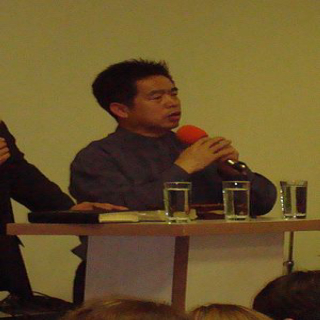 Brother Yun was born in February 1958 in the province of Henan. His original name was Liu Zhenying (刘振营).
Brother Yun became a believer at the age of 16. Soon after he became a Christian, God called him to be His witness in the west and south. As he was obedient to the calling, he eventually became a witness of Christ not just in the western and southern parts of China, but throughout China and in the nations beyond China as well.
Brother Yun was born into a poor family. His family’s financial situation took a turn for the worst when his father became ill with an asthmatic condition that led to lung cancer eventually. His life got worse when he became a Christian as he suffered severe trials and persecutions. In the midst of suffering for the Lord, however, he experienced miracle after miracle, which helped to strengthen his faith.
HOW BROTHER YUN BECAME A BELIEVER
In 1974, Brother Yun’s father became ill with lung cancer. His mother, who had been a Christian for many years but had become spiritually cold after the expulsion of Western missionaries during the Cultural Revolution, felt a deep sense of desperation because if her husband had died then, it would leave the family in dire straits. She thought of committing suicide. One evening, as she was lying in bed, she heard a voice saying to her that Jesus loved her. In tears and in repentance, she rededicated her life to God and gathered her family to pray for her husband. The next morning, her husband got better and as a result, everyone in the family, including Brother Yun, put their faith in God.
HIS HUNGER FOR THE WORD OF GOD
Brother Yun was 16 when he became a Christian. Soon after, he started hungering for the Word of God. However, his family did not have a Bible. He began asking his mother who Jesus was. In response, his mother would tell him that Jesus was the Son of God and that He had recorded all His teachings in the Bible.
Brother Yun wanted a Bible and his mother recalled that there was a man in another village who had one. So she brought him to see the man. The man was too afraid to show Brother Yun his Bible. So he suggested to the latter that he could pray and ask God for one.
Brother Yun decided to fast and pray for a Bible. For the next 100 days, he ate only one bowl of steamed rice everyday. One day at 4am, after fasting for 100 days, he saw a vision. In the vision, he was walking up a steep hill and trying to push a heavy cart at the same time. He was heading towards a village where he intended to beg for food for his family. He struggled greatly as he continued his climb uphill. The cart was about to roll back and fall on him when he saw three men walking down the hill in the opposite direction. One of them was a kind old man and he was pulling a large cart of fresh bread. When the old man saw Brother Yun, he asked him if he was hungry. He said ‘yes’ and started crying. The old man then took a red bag of bread from his cart and asked his two servants to give it to Brother Yun. As he put the bread into his mouth, it immediately turned into a Bible.
Upon waking up, Brother Yun began to search for the Bible. His search, however, was in vain. All of a sudden, he heard a faint knock on the door and someone was calling out his name. Immediately, he recognised the voice – it was the same voice he had heard in the vision. He quickly opened the door and standing before him were the two servants he had seen in the vision. One of them held a red bag in his hand. In this red bag was a Bible.
It was later that Brother Yun found out the names of the two men. One was Brother Wang while the other was Brother Sung. They were sent by an evangelist to give Brother Yun the Bible. The evangelist, who had suffered terribly during the Cultural Revolution and had nearly died while being tortured, had received a vision from God. In the vision, God showed him Brother Yun’s house and the location of his village. He was asked to give his Bible to Brother Yun. However, he did not obey God until three months later.
Brother Yun began to devour the Word of God. Even though he could hardly read, this did not deter him at all. When he had finished reading the entire Bible, he started to memorise one chapter per day. In 28 days, he had memorised the Gospel of Matthew. Then he went on to memorise the Book of Acts and so forth.
OBEDIENT TO THE CALL OF GOD
One morning at 4am, Brother Yun had a dream. In the dream, God asked him to be His witness in the west and south. In the same dream, he saw a young man from the south coming to his house. And so at daybreak, he told his mother to expect the young man’s visit and to ask him to wait for him. Then he sat off to a village he had never heard of in the west. The people in this village had been praying for him to visit as they had heard about how he had prayed for a Bible and got it.
When the meeting at the village concluded and Brother Yun got ready to leave, the villagers refused to let him go. So he stayed on and recited to them the first twelve chapters from the Book of Acts. After that, the villagers finally let him go. From the village to his house, it could take up to 2 hours to walk. Because he did not want to make the young man from the south wait too long, he decided to run home. All of a sudden, he found himself entering his village without any apparent time lapse. What should have taken him a few hours took him just a few moments. It was as if God had supernaturally transported him back to his village.
PERSECUTIONS AND MIRACLES IN HIS LIFE
Brother Yun was arrested by security police numerous times and was thrown into prison three times for sharing the gospel in communist China.
When Brother Yun was arrested the first time, he was only 17 years old. At that time, he was ministering at a meeting far away from home. After he was caught, he was thrown into a freezing cold prison cell. There was no heat in the cell and his winter coat had been thrown into the snow by the security police who had caught him. He began to sing Psalm 150 aloud. The more he sang, the more he was filled with joy. Gradually, his frozen hands and feet regained feeling and he no longer felt cold.
During his first imprisonment in Nanyang, Brother Yun felt that God wanted him to fast without food and water until he could see his family again. This fast lasted 74 days, which was humanly impossible but yet was made possible because he chose to obey God.
During those times when Brother Yun was in the hands of government officials, he was repeatedly beaten and tortured with electric batons. He was also kicked and trampled upon. Furthermore, he had needles being jabbed underneath his fingernails.
Once, Brother Yun was paraded through the streets with a red cross tied behind him for half a day. When night fell, he was locked and left alone inside a large interrogation room. The wooden cross was taken off his back but his hands were still tied up. All of a sudden, the rope that was used to tie his hands snapped by itself. He immediately walked out of the interrogation room and walked through the courtyard in the midst of onlookers. Nobody stopped him or said anything to him. It was as if God had blinded their eyes and they did not even recognise who he was.
Because the front gate was locked, the only way Brother Yun could get out was to climb over an eight-foot high cement wall. He climbed up as much as he could manage. Then he looked over the wall and saw that there was a ten-foot wide open tank directly below. Suddenly, he felt as if someone had lifted him up and thrown him over. He was thrown so far that he did not land in the tank.
Brother Yun’s 3rd imprisonment was a very dark period in his life as the prison guards in the maximum security prison were determined to prevent his escape. So they beat his legs to cripple him permanently. They had him beaten up everyday, even in his crippled state. One day, God instructed him to escape from the prison. This was confirmed by a brother-in-Christ. Thus, on May 5, 1997, he miraculously walked past dozens of prison guards and out of the maximum security prison. It was as if he had become invisible to the guards. He did not realise that his legs had been miraculously healed until later.
Throughout all the horrendous and painful experiences that Brother Yun went through, the word of the Lord kept coming to him, encouraging him and strengthening his faith.
BROTHER YUN’S MINISTRY
Brother Yun eventually escaped China and sought asylum in Germany in 2001. Since then, he has been continuing his ministry from there and has spoken to congregations internationally. He has founded “Back to Jerusalem” Movement and has been sending missionaries out from China to share the gospel in the least-reached nations.
Brother Yun’s life and ministry have impacted many lives. Thousands of people have become Christians through his ministry. It is thus inevitable that fellow Christians have allowed themselves to be used as instruments of wickedness to attack his reputation. The co-author of The Heavenly Man, Paul Hattaway has aptly put it this way, “Many of the great Christian leaders throughout history have been the subject of brutal attacks from other Christians.”
AFTERTHOUGHT
Brother Yun’s childlike faith and his prompt obedience to God’s call are exemplary. It is incredible that he has remained faithful to God despite the tremendous suffering and persecutions he has gone through.
Brother Yun was born in February 1958 in the province of Henan. His original name was Liu Zhenying (刘振营).
Brother Yun became a believer at the age of 16. Soon after he became a Christian, God called him to be His witness in the west and south. As he was obedient to the calling, he eventually became a witness of Christ not just in the western and southern parts of China, but throughout China and in the nations beyond China as well.
Brother Yun was born into a poor family. His family’s financial situation took a turn for the worst when his father became ill with an asthmatic condition that led to lung cancer eventually. His life got worse when he became a Christian as he suffered severe trials and persecutions. In the midst of suffering for the Lord, however, he experienced miracle after miracle, which helped to strengthen his faith.
HOW BROTHER YUN BECAME A BELIEVER
In 1974, Brother Yun’s father became ill with lung cancer. His mother, who had been a Christian for many years but had become spiritually cold after the expulsion of Western missionaries during the Cultural Revolution, felt a deep sense of desperation because if her husband had died then, it would leave the family in dire straits. She thought of committing suicide. One evening, as she was lying in bed, she heard a voice saying to her that Jesus loved her. In tears and in repentance, she rededicated her life to God and gathered her family to pray for her husband. The next morning, her husband got better and as a result, everyone in the family, including Brother Yun, put their faith in God.
HIS HUNGER FOR THE WORD OF GOD
Brother Yun was 16 when he became a Christian. Soon after, he started hungering for the Word of God. However, his family did not have a Bible. He began asking his mother who Jesus was. In response, his mother would tell him that Jesus was the Son of God and that He had recorded all His teachings in the Bible.
Brother Yun wanted a Bible and his mother recalled that there was a man in another village who had one. So she brought him to see the man. The man was too afraid to show Brother Yun his Bible. So he suggested to the latter that he could pray and ask God for one.
Brother Yun decided to fast and pray for a Bible. For the next 100 days, he ate only one bowl of steamed rice everyday. One day at 4am, after fasting for 100 days, he saw a vision. In the vision, he was walking up a steep hill and trying to push a heavy cart at the same time. He was heading towards a village where he intended to beg for food for his family. He struggled greatly as he continued his climb uphill. The cart was about to roll back and fall on him when he saw three men walking down the hill in the opposite direction. One of them was a kind old man and he was pulling a large cart of fresh bread. When the old man saw Brother Yun, he asked him if he was hungry. He said ‘yes’ and started crying. The old man then took a red bag of bread from his cart and asked his two servants to give it to Brother Yun. As he put the bread into his mouth, it immediately turned into a Bible.
Upon waking up, Brother Yun began to search for the Bible. His search, however, was in vain. All of a sudden, he heard a faint knock on the door and someone was calling out his name. Immediately, he recognised the voice – it was the same voice he had heard in the vision. He quickly opened the door and standing before him were the two servants he had seen in the vision. One of them held a red bag in his hand. In this red bag was a Bible.
It was later that Brother Yun found out the names of the two men. One was Brother Wang while the other was Brother Sung. They were sent by an evangelist to give Brother Yun the Bible. The evangelist, who had suffered terribly during the Cultural Revolution and had nearly died while being tortured, had received a vision from God. In the vision, God showed him Brother Yun’s house and the location of his village. He was asked to give his Bible to Brother Yun. However, he did not obey God until three months later.
Brother Yun began to devour the Word of God. Even though he could hardly read, this did not deter him at all. When he had finished reading the entire Bible, he started to memorise one chapter per day. In 28 days, he had memorised the Gospel of Matthew. Then he went on to memorise the Book of Acts and so forth.
OBEDIENT TO THE CALL OF GOD
One morning at 4am, Brother Yun had a dream. In the dream, God asked him to be His witness in the west and south. In the same dream, he saw a young man from the south coming to his house. And so at daybreak, he told his mother to expect the young man’s visit and to ask him to wait for him. Then he sat off to a village he had never heard of in the west. The people in this village had been praying for him to visit as they had heard about how he had prayed for a Bible and got it.
When the meeting at the village concluded and Brother Yun got ready to leave, the villagers refused to let him go. So he stayed on and recited to them the first twelve chapters from the Book of Acts. After that, the villagers finally let him go. From the village to his house, it could take up to 2 hours to walk. Because he did not want to make the young man from the south wait too long, he decided to run home. All of a sudden, he found himself entering his village without any apparent time lapse. What should have taken him a few hours took him just a few moments. It was as if God had supernaturally transported him back to his village.
PERSECUTIONS AND MIRACLES IN HIS LIFE
Brother Yun was arrested by security police numerous times and was thrown into prison three times for sharing the gospel in communist China.
When Brother Yun was arrested the first time, he was only 17 years old. At that time, he was ministering at a meeting far away from home. After he was caught, he was thrown into a freezing cold prison cell. There was no heat in the cell and his winter coat had been thrown into the snow by the security police who had caught him. He began to sing Psalm 150 aloud. The more he sang, the more he was filled with joy. Gradually, his frozen hands and feet regained feeling and he no longer felt cold.
During his first imprisonment in Nanyang, Brother Yun felt that God wanted him to fast without food and water until he could see his family again. This fast lasted 74 days, which was humanly impossible but yet was made possible because he chose to obey God.
During those times when Brother Yun was in the hands of government officials, he was repeatedly beaten and tortured with electric batons. He was also kicked and trampled upon. Furthermore, he had needles being jabbed underneath his fingernails.
Once, Brother Yun was paraded through the streets with a red cross tied behind him for half a day. When night fell, he was locked and left alone inside a large interrogation room. The wooden cross was taken off his back but his hands were still tied up. All of a sudden, the rope that was used to tie his hands snapped by itself. He immediately walked out of the interrogation room and walked through the courtyard in the midst of onlookers. Nobody stopped him or said anything to him. It was as if God had blinded their eyes and they did not even recognise who he was.
Because the front gate was locked, the only way Brother Yun could get out was to climb over an eight-foot high cement wall. He climbed up as much as he could manage. Then he looked over the wall and saw that there was a ten-foot wide open tank directly below. Suddenly, he felt as if someone had lifted him up and thrown him over. He was thrown so far that he did not land in the tank.
Brother Yun’s 3rd imprisonment was a very dark period in his life as the prison guards in the maximum security prison were determined to prevent his escape. So they beat his legs to cripple him permanently. They had him beaten up everyday, even in his crippled state. One day, God instructed him to escape from the prison. This was confirmed by a brother-in-Christ. Thus, on May 5, 1997, he miraculously walked past dozens of prison guards and out of the maximum security prison. It was as if he had become invisible to the guards. He did not realise that his legs had been miraculously healed until later.
Throughout all the horrendous and painful experiences that Brother Yun went through, the word of the Lord kept coming to him, encouraging him and strengthening his faith.
BROTHER YUN’S MINISTRY
Brother Yun eventually escaped China and sought asylum in Germany in 2001. Since then, he has been continuing his ministry from there and has spoken to congregations internationally. He has founded “Back to Jerusalem” Movement and has been sending missionaries out from China to share the gospel in the least-reached nations.
Brother Yun’s life and ministry have impacted many lives. Thousands of people have become Christians through his ministry. It is thus inevitable that fellow Christians have allowed themselves to be used as instruments of wickedness to attack his reputation. The co-author of The Heavenly Man, Paul Hattaway has aptly put it this way, “Many of the great Christian leaders throughout history have been the subject of brutal attacks from other Christians.”
AFTERTHOUGHT
Brother Yun’s childlike faith and his prompt obedience to God’s call are exemplary. It is incredible that he has remained faithful to God despite the tremendous suffering and persecutions he has gone through.
Can Anyone Really Be “Blameless”
When you read the Psalms, do you identify with the psalmist when he claims blamelessness and uprightness and integrity and righteousness? Blamelessness Blessed are those whose way is blameless! (Psalm 119:1) I was blameless before him, and I kept myself from my guilt. (Psalm 18:23) I shall be blameless, and innocent of great transgression. (Psalm 19:13) Uprightness My shield is with God, who saves the upright in heart. (Psalm 7:10) The upright shall behold his face. (Psalm 11:7) Let all the upright in heart exult! (Psalm 64:10) Integrity Judge me, O Lord, according to the integrity that is in me. (Psalm 7:8) Vindicate me, O Lord, for I have walked in my integrity. (Psalm 26:1) You have upheld me because of my integrity. (Psalm 41:12) Righteousness The Lord upholds the righteous. (Psalm 37:17) He will never permit the righteous to be moved. (Psalm 55:22) The Lord loves the righteous. (Psalm 146:8) Are you among the righteous, the upright, the blameless, and those who walk in integrity? If you are a Christian, you should answer Yes. Imputed Righteousness: Foundation, Not Summation I do not say this simply because in Christ we are counted righteous. The psalmist is not talking only about imputed righteousness. The justification of the ungodly on the basis of Christ alone by faith alone is a precious and magnificent truth. And, to be sure, it was already true for the psalmists in the Old Testament, because Christ’s death counted for them in the mind of God before it happened in history. That’s the point of Romans 3:25. “The psalmists were justified by faith alone. But their faith worked through love.” When Paul wanted to support his teaching about the “justification of the ungodly,” he quoted Psalm 32. God justifies the ungodly . . . just as David also speaks of the blessing of the one to whom God counts righteousness apart from works: “Blessed are those whose lawless deeds are forgiven, and whose sins are covered; blessed is the man against whom the Lord will not count his sin.” (Romans 4:5–8) But this imputed righteousness, based on Christ alone, is not the sum of what the psalmists refer to when they speak of their blamelessness and uprightness and integrity and righteousness. Forgiveness and imputation are the foundation, but not the summation of Christian righteousness. Justifying Faith Leads to Integrity and Uprightness That is true in the New Testament and the Old. The faith that unites us to Christ and his perfect uprightness is real only if it also produces new attitudes and behaviors in us. Here’s the way Paul put it: “In Christ Jesus neither circumcision nor uncircumcision counts for anything, but only faith working through love” (Galatians 5:6). The faith that links us to Christ for justification also leads to sanctification. That was true in the Old Testament as well. The psalmists were justified by faith alone. But their faith “worked through love.” It produced blamelessness and uprightness and integrity and righteousness. This was a work of the sanctifying Spirit of God. They knew it was God’s work not their own: Create in me a clean heart, O God, and renew a right spirit within me. Cast me not away from your presence, and take not your Holy Spirit from me. Restore to me the joy of your salvation, and uphold me with a willing spirit. (Psalm 51:10–12) The same dynamics of justification and sanctification at work in the godly psalmists are at work in Christians today, even though we have the privilege of knowing so much more about how the Lord purchased all this by his blood, and how it is working out in the power of the risen Christ. Psalmists Are Not Legalists Therefore, it is a mistake to read the Psalms and somehow think that these writers were legalists or egomaniacs or naïve when they referred to their blamelessness and uprightness and integrity and righteousness. Along with the psalmists, Christians must be blameless, upright, righteous persons of integrity. Example of Psalm 25 “He is not perfect. He is not without sin. He is not proud. He is the beneficiary of mighty mercy.” Consider Psalm 25 as an example of what this looks like. It is a beautiful psalm of deep humility and longing for God. Four times in these 22 verses David acknowledges his sin. His confession and his sense of need for grace is not just mentioned at the beginning of the psalm and then left behind as he moves on in triumph. Remember not the sins of my youth or my transgressions. (Psalm 25:7) Good and upright is the Lord; therefore he instructs sinners in the way. (Psalm 25:8) For your name’s sake, O Lord, pardon my guilt, for it is great. (Psalm 25:11) Consider my affliction and my trouble, and forgive all my sins. (Psalm 25:18) Since his sins are a constant reality to him, so is the mercy and love and grace and goodness of God. Remember your mercy, O Lord, and your steadfast love. (Psalm 25:6) According to your steadfast love remember me, for the sake of your goodness, O Lord! (Psalm 25:7) All the paths of the Lord are steadfast love. (Psalm 25:10) Turn to me and be gracious to me. (Psalm 25:16) David knew that if his guilt was to be pardoned, it would not be on the basis of his own virtue, but on the basis of God’s allegiance to his own name: “For your name’s sake, O Lord, pardon my guilt, for it is great” (Psalm 25:11). Sinner’s Response to God How then does David describe his response to God? Answer: trusting, waiting, humility, covenant keeping, fearing the Lord, and taking refuge in him. My God, in you I trust. (Psalm 25:2) For you I wait all the day long. (Psalm 25:5, 21) He leads the humble in what is right, and teaches the humble his way. (Psalm 25:9) All the paths of the Lord are steadfast love and faithfulness, for those who keep his covenant. (Psalm 25:10) Who is the man who fears the Lord? Him will he instruct in the way that he should choose. (Psalm 25:12, 14) Let me not be put to shame, for I take refuge in you. (Psalm 25:20) Most of us are thrilled with this kind of Psalm. It acknowledges sin. It ascribes mercy and grace to God. The psalmist trusts in that mercy and holds fast to the forgiving God. Integrity and Uprightness Preserve Me But then comes verse 21: “May integrity and uprightness preserve me, for I wait for you” (Psalm 25:21). What I am arguing is that his appeal to his own integrity and uprightness is not a lapse in humble, faith-filled godliness. I am arguing that this is a proper claim of the godly in every age. This is not pride. This is not self-reliance. This is not legalism. This is not salvation-by-works. This is a godly man, trusting the mercy of God, knowing his sins are forgiven, walking in the power of God’s sanctifying Spirit. He is a man of integrity and uprightness. He is not perfect. He is not without sin. He is not proud. He is the beneficiary of mighty mercy — transforming mercy. It was “for God’s name’s sake” that his great guilt was pardoned (Psalm 25:11). And it is “for God’s name’s sake” that he walks in integrity and uprightness. As Psalm 23:3 says, “He leads me in paths of righteousness for his name’s sake.” Don’t Stumble over Integrity “The faith that unites us to Christ’s perfect uprightness is real only if it produces new attitudes and behaviors.” We do not need to stumble over these protests of integrity in the Psalms. In both Old and New Testament times, God justifies the ungodly, sanctifies the faithful, and rewards their new Spirit-wrought righteousness. It is not legalism or works-righteousness to say with the psalmist, “You have upheld me because of my integrity” (Psalm 41:12). It is not pride or self-sufficiency to say, “The Lord has rewarded me according to my righteousness, according to the cleanness of my hands in his sight” (Psalm 18:23–24). The New Testament is just as strong that “doing good” in the power of God’s Spirit, from a heart of faith, will be rewarded with eternal life and all the varied benefits that belong to our varied faithfulness. The one who sows to his own flesh will from the flesh reap corruption, but the one who sows to the Spirit will from the Spirit reap eternal life. And let us not grow weary of doing good, for in due season we will reap, if we do not give up. (Galatians 6:8–9) Whatever good anyone does, this he will receive back from the Lord. (Ephesians 6:8) The one who receives a righteous person because he is a righteous person will receive a righteous person’s reward. (Matthew 10:41) Love your enemies, and do good, and lend, expecting nothing in return, and your reward will be great. (Luke 6:35) We must all appear before the judgment seat of Christ, so that each one may receive what is due for what he has done in the body, whether good or evil. (2 Corinthians 5:10) Whatever you do, work heartily, as for the Lord and not for men, knowing that from the Lord you will receive the inheritance as your reward. (Colossians 3:23–24) Trust in the Lord, and Do Good Therefore, when you read in the Psalms that the psalmists offer up their blamelessness and uprightness and integrity and righteousness to God, don’t over-spiritualize it. Don’t treat it as perfectionism. Don’t think of it as legalism. Don’t demean it as a defective part of the “old covenant.” Take it for what it is: a godly man, who knows he is a sinner, pardoned for God’s name’s sake, justified by grace, trusting God’s mercy, depending on God’s Spirit, taking refuge in God’s protection, delighting in God’s beauty, keeping God’s covenant, and therefore walking in integrity and honesty and uprightness. When viewed in this way, the Psalms become precious beyond measure as they help us “trust in the Lord, and do good” (Psalm 37:3). Article by John Piper Founder & Teacher, desiringGod.org