

Others like the 4 seasons of marriage Features >>
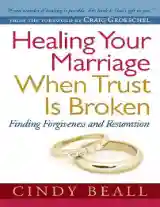
Healing Your Marriage When Trust Is Broken

The Act Of Marriage

This Momentary Marriage

Your Marriage And Your Ancestry

The Intimate Marriage - A Practical Guide To Building A Great Marriage

The Story Of Marriage

Sex, God & Marriage

Making Marriage Work

Journey To The Altar - A Marriage Preparation Guidebook

The Purpose Of Love And Marriage
About the Book
"The 4 Seasons of Marriage" by Gary Chapman explores the different stages that a marriage can go through, comparing them to the four seasons. Chapman provides practical advice for couples to navigate each season successfully, with a focus on communication, understanding, and commitment. The book aims to help couples strengthen and improve their relationships throughout all stages of marriage.
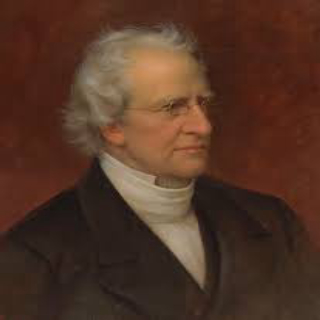
Charles Hodge
The Lost We Love the Most - Evangelism to Friends and Family
What is more difficult than sharing the gospel for the first time with someone you love? Sharing the gospel for the tenth time with someone you love — even after they’ve already (repeatedly) responded with rejection or indifference. At that point, we often feel stuck, as though we’ve played to a stalemate with our friend, child, neighbor, or spouse. We’ve prayed faithfully, spoken the gospel clearly, and loved patiently. But there’s been no sign of movement or progress. What more can we do? We don’t plan on giving up. Too much is at stake. But we know that unwanted repetition of the same gospel words may repel rather than attract, harden rather than soften. So, what to do next? Tiptoe around in conversation? Settle for pleasantries? We’re left feeling weary and discouraged. We might grow cynical and resign ourselves to what feels like the inevitable reality that the person we care about won’t ever follow Jesus. What do we say when we’ve already said it all? How can we persevere in pursuing the lost we love? How to Get Unstuck There are several helpful responses to those of us who struggle in this way. First, it may be that we’re too focused on our own ability (or lack thereof) to win the person we love. Jesus points us away from ourselves and to the sovereignty of God. We can trust that, in his time, God will draw his people to his Son (John 6:44). It may be that we’re too absorbed with our present lack of success. The apostle Paul points us instead to the future: “Let us not grow weary of doing good, for in due season we will reap, if we do not give up” (Galatians 6:9). Another cause of our despair and confusion may be Satan’s lie that we’re dealing with a static situation. Deep down, we’re convinced nothing’s ever going to change. Our reason for feeling this way may be an unspoken belief that runs something like this: I have an unchanging gospel to share, and I’ve already shared it (multiple times!). I have nothing more to offer. I’ve done all I can. Nothing’s going to change. “What if the situation with our lost loved one is more dynamic than Satan would have us believe?” But what if evangelism is about more (not less) than sharing the content of the gospel? What if people are more complex and unpredictable than we may think? And what if the situation with our spouse, friend, child, parent, or neighbor is more dynamic than Satan would have us believe? In the face of an apparent stalemate, it’s refreshing and encouraging to remind ourselves of three dynamic realities in any relationship with a lost loved one. This Person Will Change It’s all too easy to believe that the loved one who has repeatedly brushed you off or beaten you down will always reject the gospel. But people change. There’s a popular myth that every cell in our bodies is replaced every seven years, so that we’re literally different people every 84 months. While untrue, it’s a helpful metaphor for what really is the case. A 45-year-old you is (or will be) a different person from the 35-year-old you (who was different from the 25-year-old you). And this should make us hopeful. I have a friend who shares the gospel with hundreds of nursing-home residents every year. The pandemic has radically altered his ministry, but he’s been creative, often visiting residents over an iPad held by a nursing home attendant. Not long ago, my friend asked supporters to pray for a resident named Bob. Pre-COVID Bob wasn’t terribly interested in the gospel. But there’s been a dramatic change. Now Bob is wide open to the gospel, eager for visits, prayer, and Bible reading. God used a virus to do that. Who could have predicted that? None of us knows what life changes are next for those we love. When their circumstances change, so may they. Suddenly, they may see the gospel as no longer worthless or irrelevant, but as precious and essential. You Will Change During my graduate studies, I shared a house with several other students, one of whom was an Englishman. We saw each other fairly often in the kitchen while preparing meals, and in the course of our many conversations, it was often natural for me to say things like, “I was reading something interesting in the Bible this morning,” or, “I was really challenged by what I heard at church today.” This was just me being me, sharing my own life (as friends do). Over time, I was able to share the gospel with my friend through these kitchen conversations. At the time, I didn’t realize all that was happening in his life. He was hurting and searching, and the gospel came to be attractive to him. One particular evening, one I’ll never forget, he stopped me in the living room of the house we shared and told me that he had become a Christian. One of the reasons we feel stuck in our evangelism may be that we’ve wrongly narrowed down our task to sharing a message about how to be saved. That message is crucial and central, but if it’s all we have to share, and we’ve already shared it, and it’s already been rejected, we might feel stuck. But our task is richer, deeper, and fuller than that. We’re to share the gospel and our own selves (1 Thessalonians 2:8), because a life redeemed by the gospel retells the gospel but with unique, personal, and relatable details. So, there are many additional fruitful gospel conversations to be had even after our loved one has rejected the gospel. For instance, we can continue to express what the gospel means to us. We can share how new struggles and setbacks are helping us to trust Christ more. It’s entirely possible to do this in a way that is natural, unforced, and not preachy. As we experience more of the Christ we love, we can express this to the people we love. We’re never stuck with just one thing to say. Your Friendship Will Change I have a longtime friend who doesn’t know Jesus. I’ve frequented his business establishment for many years, not so much because I think I need what he’s selling, but because I know he needs what I’m giving away. “Don’t believe the lie that nothing will ever change, that there’s nothing more for you to say or do.” Early on in our friendship, we chitchatted about the weather and sports. Then we started sharing about our kids and families. In the years since, we’ve talked about things like church, the gospel, death, and friendship. When I’m in his shop by myself, the conversation can go very deep very quickly. I’ve invited him to church numerous times and he’s never accepted. I’ve explained the gospel, and he hasn’t believed. But I have hope, in part because our friendship isn’t static. I can say more to him now than I could five years ago. What might I be able to say five years from now? Don’t assume your relationship with your friend, child, neighbor, or spouse will always be where it is today. In fact, assume it will change. And ask God to open doors through those changes. Don’t Give Up My friend who ministers in nursing homes told me about a man named Rich, a former engineer, living in a nursing home. One July afternoon a year or two ago, after a conversation in his room, Rich decided that he wanted to know Jesus. He prayed and invited Jesus to be his Savior. Soon afterward, he began a course of discipleship with my friend, reading through the Gospel of John together. Rich was 98 years old. I wonder how many people had shared the gospel with Rich over the course of many years and not broken through? I wonder how many had given up hope? But after 98 years, God saved him. Please don’t lose heart. Don’t believe the lie that nothing will ever change, that there’s nothing more for you to say or do. Don’t settle into the conviction that your spouse, child, neighbor, or friend will never come to know Jesus. Keep praying. Keep patiently speaking as you have opportunity. Keep loving with the love of Jesus. Keep sharing the twists and turns of your own life as you cling to Jesus and grow in him. Keep persevering in pursuing the lost you love. Article by Stephen Witmer Pastor, Pepperell, Massachusetts