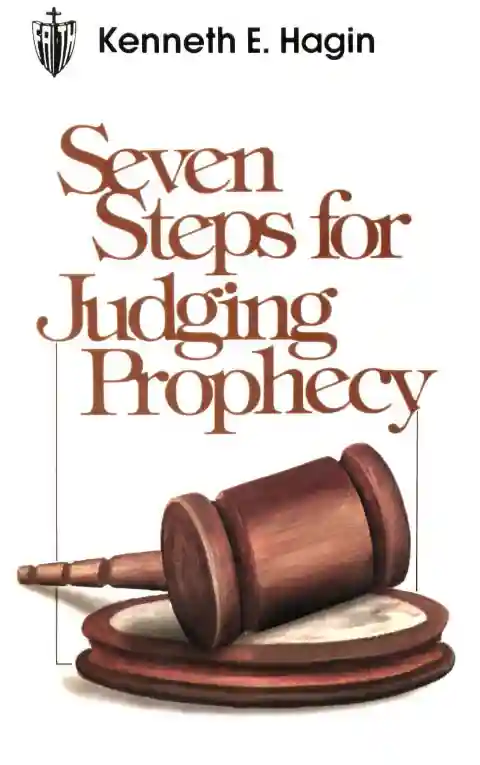

Seven Steps For Judging Prophecy Order Printed Copy
- Author: Kenneth E Hagin
- Size: 950KB | 37 pages
- |
Others like seven steps for judging prophecy Features >>
-160.webp)








About the Book
In "Seven Steps For Judging Prophecy," Kenneth E Hagin provides practical guidance for believers on how to discern and evaluate prophetic messages. He outlines seven key steps that help individuals assess the accuracy, source, and content of prophetic words, ensuring they align with biblical principles and are in line with God's will. Through the book, readers can develop a critical mindset and cultivate spiritual discernment when encountering prophetic messages.
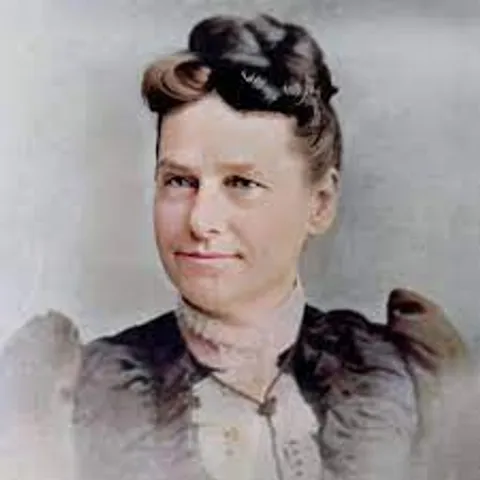
Maria Woodworth-Etter
 Maria Woodworth-Etter’s Early life
Maria’s early life was plagued with tragedies. Her father died of sunstroke when she was 11 years old leaving her mother with eight children to provide for. She married at 16 but fought a continual battle with ill-health, losing five of her six children. During her sickness she had visions of children in heaven and the lost suffering in hell.
She promised God, that if He would heal her, she would serve Him completely. She asked God for same apostolic power He gave the disciples and was gloriously baptized in the Holy Spirit. “It felt like liquid fire, and there were angels all around.”
The call to preach
Despite her personal struggles with ‘women in ministry’ and the prevailent hostile attitudes to female preachers, she felt compelled by God to accept the invitation to preach in the United Brethren in Christ (Friends) in 1876 and later associated with the Methodist Holiness church.
Evangelism with signs and wonders
Though simply evangelistic in the early days she was unusually successful and in 1885 supernatural signs began to accompany her ministry. Her ministry resurrected dead churches, brought salvation to thousands of unconverted and encouraged believers to seek a deeper walk with God.
She descibes one of her meetings
She described an 1883 meeting in Fairview, Ohio: “I felt impressed God was going to restore love and harmony in the church..… All present came to the altar, made a full consecration, and prayed for a baptism of the Holy Ghost and fire. That night it came. Fifteen same to the altar screaming for mercy.
Men and women fell and lay like dead. I felt it was the work of God, but did not know how to explain it or what to say. I was a little frightened . . . after lying for two hours all, one after another, sprang to their feet as quick as a flash with shining faces and shouted all over the house. I had never seen such bright conversions or such shouting….
The ministers and old saints wept and praised the Lord …..they said it was the Pentecost power, that the Lord was visiting them in great mercy and power …..(they) experienced visions of heaven and hell, collapsed on the floor as if they’d been shot or had died.” Subsequently, thousands were healed of a wide variety of sicknesses and diseases and many believers, even ministers, received mighty baptisms of the Holy Spirit. She soon became a national phenomenon.
1,000 seater tent
In 1889, she purchased a tent that could seat eight thousand people and set it up in Oakland, California. “The power of God was over all the congregation; and around in the city of Oakland. The Holy Ghost would fall on the people while we were preaching. The multitude would be held still, like as though death was in their midst.
Many of the most intelligent and best dressed men would fall back in their seats, with their hands held up to God. being held under the mighty power of God. Men and women fell, all over the tent, like trees in a storm; some would have visions of God. Most all of them came out shouting the praises of God.”
She declared that if 19th-century believers would meet God’s conditions, as the 120 did on the Day of Pentecost, they would have the same results. “A mighty revival would break out that would shake the world, and thousands of souls would be saved. The displays of God’s power on the Day of Pentecost were only a sample of what God designed should follow through the ages. Instead of looking back to Pentecost, let us always be expecting it to come, especially in these days.”
Her views of Pentecostalism
Initially she had grave concerns about the burgeoning Pentecostal movement, mainly because of some unbalanced teaching and reported extremism. Soon she came to believe it was an authentic move of the Holy Spirit and was enthusiastically welcomed within its ranks. She became both a model and a mentor for the fledgling movement. This association elicited another wave of revival between 1912 and her death in 1924 as she ministered throughout the country and her books were read across the world.
Etter Tabenacle
In 1918, she built Etter Tabernacle as her home church base and affiliated with the Assemblies of God. In her closing years she still ministered with a powerful anointing despite struggling with gastritis and dropsy. On occasion she would be carried to the podium, preach with extraordinary power, then be carried home again!
Her demise
Her health continued to decline and she died on September 16, 1924. She is buried in a grave in Indianapolis next to her daughter and son-in-law. Her inscription reads “Thou showest unto thousands lovingkindness.”
In conclusion
Without doubt Maria Woodworth-Etter was an amazing woman blessed with an astonishing ministry. Rev. Stanley Smith – one of the famous “Cambridge Seven” and for many years a worker with “The China Inland Mission” wrote this about her autobiography:
“I cannot let this opportunity go by without again bringing to the notice of my readers, ‘Acts of the Holy Ghost,’ or ‘Life and Experiences of Mrs. M. B. Woodworth-Etter.’ It is a book I value next to the Bible. In special seasons of waiting on God I have found it helpful to have the New Testament on one side of me and Mrs. Etter’s book on the other; this latter is a present-day record of ‘the Acts’ multiplied.
Mrs. Etter is a woman who has had a ministry of healing since 1885, her call as an evangelist being some years previous to this. I venture to think that this ministry is unparalleled in the history of the Church, for which I give all the glory to the Lord Jesus Christ, as Mrs. Etter would, I know, wish me to do. This ministry should be made known, for the glory of the Triune God and the good of believers.”
We agree and pray that such an anointing will rest upon God’s end-time people so that ‘this Gospel of the Kingdom will be preached in all the world before the end comes!’ Matthew 24:14
Tony Cauchi
Maria Woodworth-Etter’s Early life
Maria’s early life was plagued with tragedies. Her father died of sunstroke when she was 11 years old leaving her mother with eight children to provide for. She married at 16 but fought a continual battle with ill-health, losing five of her six children. During her sickness she had visions of children in heaven and the lost suffering in hell.
She promised God, that if He would heal her, she would serve Him completely. She asked God for same apostolic power He gave the disciples and was gloriously baptized in the Holy Spirit. “It felt like liquid fire, and there were angels all around.”
The call to preach
Despite her personal struggles with ‘women in ministry’ and the prevailent hostile attitudes to female preachers, she felt compelled by God to accept the invitation to preach in the United Brethren in Christ (Friends) in 1876 and later associated with the Methodist Holiness church.
Evangelism with signs and wonders
Though simply evangelistic in the early days she was unusually successful and in 1885 supernatural signs began to accompany her ministry. Her ministry resurrected dead churches, brought salvation to thousands of unconverted and encouraged believers to seek a deeper walk with God.
She descibes one of her meetings
She described an 1883 meeting in Fairview, Ohio: “I felt impressed God was going to restore love and harmony in the church..… All present came to the altar, made a full consecration, and prayed for a baptism of the Holy Ghost and fire. That night it came. Fifteen same to the altar screaming for mercy.
Men and women fell and lay like dead. I felt it was the work of God, but did not know how to explain it or what to say. I was a little frightened . . . after lying for two hours all, one after another, sprang to their feet as quick as a flash with shining faces and shouted all over the house. I had never seen such bright conversions or such shouting….
The ministers and old saints wept and praised the Lord …..they said it was the Pentecost power, that the Lord was visiting them in great mercy and power …..(they) experienced visions of heaven and hell, collapsed on the floor as if they’d been shot or had died.” Subsequently, thousands were healed of a wide variety of sicknesses and diseases and many believers, even ministers, received mighty baptisms of the Holy Spirit. She soon became a national phenomenon.
1,000 seater tent
In 1889, she purchased a tent that could seat eight thousand people and set it up in Oakland, California. “The power of God was over all the congregation; and around in the city of Oakland. The Holy Ghost would fall on the people while we were preaching. The multitude would be held still, like as though death was in their midst.
Many of the most intelligent and best dressed men would fall back in their seats, with their hands held up to God. being held under the mighty power of God. Men and women fell, all over the tent, like trees in a storm; some would have visions of God. Most all of them came out shouting the praises of God.”
She declared that if 19th-century believers would meet God’s conditions, as the 120 did on the Day of Pentecost, they would have the same results. “A mighty revival would break out that would shake the world, and thousands of souls would be saved. The displays of God’s power on the Day of Pentecost were only a sample of what God designed should follow through the ages. Instead of looking back to Pentecost, let us always be expecting it to come, especially in these days.”
Her views of Pentecostalism
Initially she had grave concerns about the burgeoning Pentecostal movement, mainly because of some unbalanced teaching and reported extremism. Soon she came to believe it was an authentic move of the Holy Spirit and was enthusiastically welcomed within its ranks. She became both a model and a mentor for the fledgling movement. This association elicited another wave of revival between 1912 and her death in 1924 as she ministered throughout the country and her books were read across the world.
Etter Tabenacle
In 1918, she built Etter Tabernacle as her home church base and affiliated with the Assemblies of God. In her closing years she still ministered with a powerful anointing despite struggling with gastritis and dropsy. On occasion she would be carried to the podium, preach with extraordinary power, then be carried home again!
Her demise
Her health continued to decline and she died on September 16, 1924. She is buried in a grave in Indianapolis next to her daughter and son-in-law. Her inscription reads “Thou showest unto thousands lovingkindness.”
In conclusion
Without doubt Maria Woodworth-Etter was an amazing woman blessed with an astonishing ministry. Rev. Stanley Smith – one of the famous “Cambridge Seven” and for many years a worker with “The China Inland Mission” wrote this about her autobiography:
“I cannot let this opportunity go by without again bringing to the notice of my readers, ‘Acts of the Holy Ghost,’ or ‘Life and Experiences of Mrs. M. B. Woodworth-Etter.’ It is a book I value next to the Bible. In special seasons of waiting on God I have found it helpful to have the New Testament on one side of me and Mrs. Etter’s book on the other; this latter is a present-day record of ‘the Acts’ multiplied.
Mrs. Etter is a woman who has had a ministry of healing since 1885, her call as an evangelist being some years previous to this. I venture to think that this ministry is unparalleled in the history of the Church, for which I give all the glory to the Lord Jesus Christ, as Mrs. Etter would, I know, wish me to do. This ministry should be made known, for the glory of the Triune God and the good of believers.”
We agree and pray that such an anointing will rest upon God’s end-time people so that ‘this Gospel of the Kingdom will be preached in all the world before the end comes!’ Matthew 24:14
Tony Cauchi
A Letter to Younger Me About Money
If you listen to anyone in their senior years long enough, you’ll eventually hear something like, “If I knew then what I know now . . . ” But seniors aren’t the only ones who feel that way. At age thirty, I find myself already saying the same thing about money. Recently, I left a financial planning firm after working as a creative director and wealth coach. I learned more in one year about financial stewardship than I had learned in my first 29 years of life. While working at the firm, I discovered the sorry state of my family’s finances. I knew we weren’t great with money, but I didn’t realize the extent of our financial ignorance and problems. I also discovered that I wasn’t alone. After six months at the firm, I was able to counsel clients who needed basic financial coaching, and it wasn’t pretty. Regardless of income, most were living paycheck to paycheck, and they were up to their eyeballs in debt. Today, twenty-somethings are bombarded with opportunities to make poor financial decisions. At the relatively young age of thirty, I often find myself saying, “I wish I knew at twenty what I know today about money.” If I could have a conversation with my twenty-year-old self about money, here are three things I would tell him. 1. Money cannot buy you happiness. Throughout my twenties, I viewed money as the solution to most of my problems. This belief dictated how I spent my time and, ultimately, my earnings. At one point, I had seven jobs while pursuing a master’s degree. But I was still broke and in debt, and I never finished my studies. Rather than a source of joy, money became a cruel master (Matthew 6:24). What I’ve discovered is that my experience is all too common. The sad thing is that so few of us seem to learn from our mistakes. We keep trying to pursue happiness through more money. Some will point to studies that suggest there’s a correlation between money and happiness. One article reported that each additional dollar earned per year reduces people’s negative emotions — but that effect disappears at about $200,000 annually. In other words, money is a limited help at best, and certainly doesn’t buy lasting happiness, as any honest observer of wealthy people can quickly perceive. Ultimately, money is a means to an end. A dollar or a piece of gold is only as valuable as what we can trade for it. And money is dangerous. It gives the illusion of granting access to anything. So we can easily elevate it to the throne that should be reserved only for our ultimate provider: God, the giver of all good things. So I would tell my twenty-year-old self: Don’t try to buy happiness with money. This would have dramatically changed my finances, especially with regard to debt. 2. Don’t borrow money carelessly. In my twenties, I borrowed foolishly, and I’m still paying for it. From student loans to credit cards, I went into debt without giving it a second thought. Debt allowed me to get what I wanted when I wanted it. And the best part? I didn’t have to wait or ask for permission. This is the great temptation every twenty-something faces in an age when money is so easily borrowed. The Bible doesn’t condemn debt as inherently sinful, but it clearly warns us that money shouldn’t be borrowed haphazardly. And Scripture also tells us that when we incur a debt, it is evil not to pay what we owe. Romans 13:8 says, “Let no debt remain outstanding, except the continuing debt to love one another” (NIV). And Psalm 37:21 says, “The wicked borrows and does not repay, but the righteous shows mercy and gives” (NKJV). If I could counsel my twenty-year-old self on debt, here’s what I would say: Don’t borrow money unless you absolutely have to. There is too much at stake to borrow money without giving it careful thought. If you’re considering a credit card or a loan, count the costs, and beware of the risks. And once in debt, I would say, Make a plan to eliminate it as soon as possible. 3. Save, give, and spend money proactively. “A wise man thinks ahead; a fool doesn’t and even brags about it!” (Proverbs 13:16 TLB). One of the worst mistakes I made with money was failing to plan wisely. When I received a paycheck or extra cash, I lacked direction. Like the fool in that Proverb, I was proud that I didn’t budget. I absolutely hated the idea. Budgeting felt intimidating and seemed like a lot of work. Besides, as long as I didn’t plan, I could remain in denial that I was a poor steward of the resources God had given me. I could pretend I was giving and spending wisely and no one could confirm or deny it. And I could make spending decisions based mostly on my feelings. This felt like freedom, but it wasn’t. Now I would say this to my foolish twenty-year-old self: Making a plan for your money may help give you dominion over it. Being planless is not being free; being planless makes you a slave to money. But a good financial plan turns money into your slave to serve what you really value. You will be empowered to save, give, and spend money proactively rather than reactively. It’s Not Too Late to Change Hindsight is indeed twenty-twenty. And it’s not like I now manage money perfectly. Even though I understand more now how to handle money, I don’t always act on my knowledge. But over the last year, I’ve come a long way. And if I can’t help my twenty-year-old self, I hope I can help others avoid the mistakes I made, or help them make changes like I’ve had to make. No matter how old we are, it’s not too late to correct our course. We’re never too old to stop trying to buy happiness with money, or to get out of debt as soon as possible, or to begin governing money instead of being governed by money. We want to serve God and not money (Matthew 6:24). But the less intentional we are with our money, the more likely we will end up serving it, for good stewardship is impossible without intentionality. Article by Phillip Holmes