


%20Karen%20Kingsbury-160.webp)






%20Karen%20Kingsbury-160.webp)
-by-karen-kingsbury-160.webp)
About the Book
"Like Dandelion Dust" follows the emotional journey of a couple who must fight for custody of their adopted son when his biological parents are released from prison. The heartbreaking and heartwarming story explores themes of love, forgiveness, and the complexities of family relationships.
John G. Lake
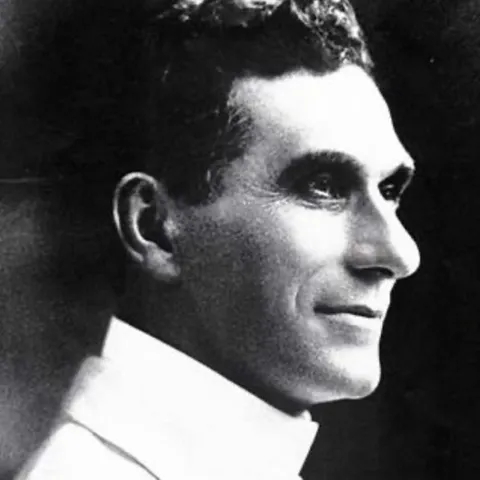 John G. Lake was born in Ontario, Canada on March 18th, 1870. He was a family man, person of integrity, honor, a savvy businessman and a good father. If you knew him you wouldn’t otherwise know that he would soon become one of the greatest men of God the world would ever know. He had a genuine love for the Lord Jesus and was known by his friends as a man who dedicated himself to intimacy with The Lord. It was out of this place that he loved his wife, was a man of integrity and built a very successful business career. To give you perspective, by 1905 John G Lake was making $50,000 per year this sum would be like upwards of 1.3 million dollars per year annually today. John grew up in a family environment which was plagued with sickness and death, it is said that his earliest memories were of sickness, death and funerals. Lake was from a large family, he had 16 siblings, 8 of which tragically died of various diseases. It is no coincidence that “the man of healing” was tormented from a young age with death and disease. The enemy will often oppose destinies with radical circumstances through a distortion of the very thing that we are called to walk in. Lake Was exposed to dramatic healing when he visited John Alexander Dowie’s ministry and was, in prayer, instantly healed of a rheumatism which had caused his legs to grow incorrectly. Just two short years into their marriage, Jennie Lake was diagnosed with tuberculosis and heart disease. Over the next couple of years, the condition worsened and the doctors resigned to the fact that it was only a matter of time before she would die. John allowed this situation to provoke him into faith, after being exposed to such death and disease from a young age he had a hatred for such things. When he would read the word of God he saw that his Christian experience was less than the promised “power of the Holy Spirit”. As Jennie was on her deathbed and perhaps taking her final breaths Lake was overcome with anger over sickness and threw his bible against the fireplace mantle! When he went to pick up his bible it was opened to Acts chapter 10:38 which says: "God anointed Jesus of Nazareth with the Holy Ghost and with power: who went about doing good, and healing all that were oppressed of the devil; for God was with him.” Lake had a surge of faith in that moment and sent a telegram to Dowie asking him to pray. Within an hour of Dowie praying she was fully healed! Not long after Jennie was healed, God began to speak to Lake about going into full time ministry. After some time of contemplation and seeking the Lord, God confirmed to John and Jennie separately that they were to move to South Africa to begin their life of ministry. John and Jennie then gave away all that they had, John forsook his mega-salary and they went on their way alongside some of their friends as ministry partners.
When they arrived in South Africa, they had no money. The problem was, that they needed at least $125 in order to clear customs. they nervously waited for their turn in line, rehearsing what they would say to the immigration officer They were in desperate need of a miracle, as the law read that they would be subject to deportation as quickly as they arrived in South Africa. Just as they were about the get to the front of the line, John felt a tap on his shoulder… A man was standing behind John and said “excuse me sir, can I have a word with you?” John nervously steps out of line at the man’s request and the man said “when I saw you and your family in line, the Lord told me to give you $200 cash”. The Lord provided just enough money for John and his family to enter the country. But their needs didn’t stop there. The Lakes and their crew had no ministry contact in Johannesburg. Soon after they cleared customs, a woman approached John’s friends and asked how many people are in their family, when they told her, she responded “no, not you” and went over to John and asked the same question. John replied “9” and she said “you’re the ones!” She went on to tell John that the Lord had spoken to her last night that she was to give her home to a family of 9 people who are coming from America to do God’s work. John, Jennie and their crew rejoiced in the dramatic provision of the Lord. Their time in South Africa was marked with waves of revival, there were multitudes saved, healed and delivered over the course of their 5 year ministry tour in South Africa.
By far my favorite story from this season of Revival takes place shortly after the Lake family and their team arrived in South Africa. A mighty plague was sweeping through the nation, the death count was climbing dramatically. So much so that there was a surplus of corpses who were victims of the plague and there was no one to bury the dead; if someone was to come in contact with a dead body they would most certainly become infected and their death sentence would immediately begin. John G. Lake astounded the medical officials because he, without any gloves or protective clothing began burying the dead. Physicians in a panic approached John and rebuked him for coming in contact with the dead, John boldly responded "when the disease comes in contact with my skin, you can watch it die". The doctors thought he was insane, so he challenged them to put a drop of the plague on his skin and watch it under a microscope. When they did so, John was right! The plague cells literally burned up the second they came in contact with his skin!
It is tough to understand what would happen towards the end of the Lake’s missionary journey in Africa. One day while John was away on a ministry trip, his wife Jennie suddenly passed away. The cause of her death was malnutrition and exhaustion. It wasn’t uncommon for the sick and broken to line the lawn of John G Lake’s home and Jennie, as an act of sacrifice, gave away all their food and any resources she could to the broken which frequented their house.
Although John and Jennie’s faith and sacrifice is commendable we must learn from this fatal mistake. John’s priorities clearly became altered as the demand for ministry raged on. He failed to guard and keep the very precious gift that God had given him, he allowed the demands of ministry to distract him from the needs of his family unto the tragic and preventable death of his wife. In the wake of Jennie’s death their children became bitter with John and subsequently God. Some of his children left the faith and the most recent accounts of them suggest that they died not following Christ. To this day some of John’s great grandchildren do not follow the Lord. John’s failure to obey the basic command of scripture for “husbands to love their wives as Christ loves the church” and his preoccupation with the demands of ministry opened up the door for the enemy to ravage his family. After Jennie’s death John moved back to the United States and remarried. He would then pioneer his famous healing ministry based out of Spokane Washington. Unfortunately John did not learn his lesson the first time, in the midst of more flames of revival he continued to be a poor father, emotionally disconnected from his children.
John G. Lake was born in Ontario, Canada on March 18th, 1870. He was a family man, person of integrity, honor, a savvy businessman and a good father. If you knew him you wouldn’t otherwise know that he would soon become one of the greatest men of God the world would ever know. He had a genuine love for the Lord Jesus and was known by his friends as a man who dedicated himself to intimacy with The Lord. It was out of this place that he loved his wife, was a man of integrity and built a very successful business career. To give you perspective, by 1905 John G Lake was making $50,000 per year this sum would be like upwards of 1.3 million dollars per year annually today. John grew up in a family environment which was plagued with sickness and death, it is said that his earliest memories were of sickness, death and funerals. Lake was from a large family, he had 16 siblings, 8 of which tragically died of various diseases. It is no coincidence that “the man of healing” was tormented from a young age with death and disease. The enemy will often oppose destinies with radical circumstances through a distortion of the very thing that we are called to walk in. Lake Was exposed to dramatic healing when he visited John Alexander Dowie’s ministry and was, in prayer, instantly healed of a rheumatism which had caused his legs to grow incorrectly. Just two short years into their marriage, Jennie Lake was diagnosed with tuberculosis and heart disease. Over the next couple of years, the condition worsened and the doctors resigned to the fact that it was only a matter of time before she would die. John allowed this situation to provoke him into faith, after being exposed to such death and disease from a young age he had a hatred for such things. When he would read the word of God he saw that his Christian experience was less than the promised “power of the Holy Spirit”. As Jennie was on her deathbed and perhaps taking her final breaths Lake was overcome with anger over sickness and threw his bible against the fireplace mantle! When he went to pick up his bible it was opened to Acts chapter 10:38 which says: "God anointed Jesus of Nazareth with the Holy Ghost and with power: who went about doing good, and healing all that were oppressed of the devil; for God was with him.” Lake had a surge of faith in that moment and sent a telegram to Dowie asking him to pray. Within an hour of Dowie praying she was fully healed! Not long after Jennie was healed, God began to speak to Lake about going into full time ministry. After some time of contemplation and seeking the Lord, God confirmed to John and Jennie separately that they were to move to South Africa to begin their life of ministry. John and Jennie then gave away all that they had, John forsook his mega-salary and they went on their way alongside some of their friends as ministry partners.
When they arrived in South Africa, they had no money. The problem was, that they needed at least $125 in order to clear customs. they nervously waited for their turn in line, rehearsing what they would say to the immigration officer They were in desperate need of a miracle, as the law read that they would be subject to deportation as quickly as they arrived in South Africa. Just as they were about the get to the front of the line, John felt a tap on his shoulder… A man was standing behind John and said “excuse me sir, can I have a word with you?” John nervously steps out of line at the man’s request and the man said “when I saw you and your family in line, the Lord told me to give you $200 cash”. The Lord provided just enough money for John and his family to enter the country. But their needs didn’t stop there. The Lakes and their crew had no ministry contact in Johannesburg. Soon after they cleared customs, a woman approached John’s friends and asked how many people are in their family, when they told her, she responded “no, not you” and went over to John and asked the same question. John replied “9” and she said “you’re the ones!” She went on to tell John that the Lord had spoken to her last night that she was to give her home to a family of 9 people who are coming from America to do God’s work. John, Jennie and their crew rejoiced in the dramatic provision of the Lord. Their time in South Africa was marked with waves of revival, there were multitudes saved, healed and delivered over the course of their 5 year ministry tour in South Africa.
By far my favorite story from this season of Revival takes place shortly after the Lake family and their team arrived in South Africa. A mighty plague was sweeping through the nation, the death count was climbing dramatically. So much so that there was a surplus of corpses who were victims of the plague and there was no one to bury the dead; if someone was to come in contact with a dead body they would most certainly become infected and their death sentence would immediately begin. John G. Lake astounded the medical officials because he, without any gloves or protective clothing began burying the dead. Physicians in a panic approached John and rebuked him for coming in contact with the dead, John boldly responded "when the disease comes in contact with my skin, you can watch it die". The doctors thought he was insane, so he challenged them to put a drop of the plague on his skin and watch it under a microscope. When they did so, John was right! The plague cells literally burned up the second they came in contact with his skin!
It is tough to understand what would happen towards the end of the Lake’s missionary journey in Africa. One day while John was away on a ministry trip, his wife Jennie suddenly passed away. The cause of her death was malnutrition and exhaustion. It wasn’t uncommon for the sick and broken to line the lawn of John G Lake’s home and Jennie, as an act of sacrifice, gave away all their food and any resources she could to the broken which frequented their house.
Although John and Jennie’s faith and sacrifice is commendable we must learn from this fatal mistake. John’s priorities clearly became altered as the demand for ministry raged on. He failed to guard and keep the very precious gift that God had given him, he allowed the demands of ministry to distract him from the needs of his family unto the tragic and preventable death of his wife. In the wake of Jennie’s death their children became bitter with John and subsequently God. Some of his children left the faith and the most recent accounts of them suggest that they died not following Christ. To this day some of John’s great grandchildren do not follow the Lord. John’s failure to obey the basic command of scripture for “husbands to love their wives as Christ loves the church” and his preoccupation with the demands of ministry opened up the door for the enemy to ravage his family. After Jennie’s death John moved back to the United States and remarried. He would then pioneer his famous healing ministry based out of Spokane Washington. Unfortunately John did not learn his lesson the first time, in the midst of more flames of revival he continued to be a poor father, emotionally disconnected from his children.
Kneeling Among Lions - Learning to Pray Like Daniel
Tucked away in the book of Daniel, sandwiched between stories about fiery furnaces and lions on the one hand, and visions of statues, beasts, and rising kings on the other, is an extended prayer with a shockingly immediate answer. Daniel 9 contains an extended, earnest, and heartfelt prayer by the prophet. And before he even says “Amen,” the angel Gabriel is standing before him, ready to give insight and understanding to the broken-hearted prophet. What did Daniel pray that caused God to immediately dispatch an angel with an answer? And can Daniel’s prayer instruct us today in how to pray? Plot Against Prayer Daniel’s prayer is a dated prayer. “In the first year of Darius the son of Ahasuerus” (Daniel 9:1). And the particular timing mentioned draws attention to one of the most famous stories in the Bible. At the end of Daniel 5, Darius the Mede conquers the Chaldeans and dethrones Belshazzar. In chapter 6, he appoints 120 local rulers as governors over his kingdom, with high officials overseeing them. Daniel is one of these high officials. Indeed, he is distinguished above all of the high officials because of the excellent spirit (or is it Spirit?) residing in him (Daniel 6:1–3). Darius plans to elevate Daniel over all the other officials, provoking them to jealousy. They then plot to find fault with Daniel in hopes of bringing him down. After examining his life, they conclude, “We shall not find any ground for complaint against this Daniel unless we find it in connection with the law of his God” (Daniel 6:5). Soon enough, they do find a ground for complaint against Daniel — his habits of prayer. Daniel’s custom is to pray three times per day with an open window facing Jerusalem. The jealous officials manipulate Darius into passing an irrevocable decree against praying to anyone except the king (Daniel 6:6–9). And Daniel’s defiance of this decree famously lands him in the lions’ den (Daniel 6:10–16). What is the relevance for the prayer of Daniel 9? It’s likely that Daniel 9 is the sort of prayer that Daniel was praying with that famous window open. What’s more, if we’re attentive to the whole Scriptures, we can better understand why Daniel was praying with a window open facing Jerusalem. Solomon, Jeremiah, and Daniel In 1 Kings 8, Solomon is dedicating the temple of the Lord. As he nears the end of his prayer, he contemplates the possibility (and even likelihood) that the people of Israel will sin grievously against God. When they do, God will, in fulfillment of the warnings of Deuteronomy, give them over to their enemies so that Israel will be carried captive into a foreign land. Nevertheless, God will remain faithful to his promises and his people, even as he sends them into exile. In Solomon’s request, notice the specific direction his exiled people ought to pray: Yet if they turn their heart in the land to which they have been carried captive, and repent and plead with you in the land of their captors, saying, “We have sinned and have acted perversely and wickedly,” if they repent with all their heart and with all their soul in the land of their enemies, who carried them captive, and pray to you toward their land, which you gave to their fathers, the city that you have chosen, and the house that I have built for your name, then hear in heaven your dwelling place their prayer and their plea, and maintain their cause and forgive your people who have sinned against you, and all their transgressions that they have committed against you, and grant them compassion in the sight of those who carried them captive, that they may have compassion on them (for they are your people, and your heritage, which you brought out of Egypt, from the midst of the iron furnace). (1 Kings 8:47–51) Solomon specifically mentions repenting and praying from exile toward Israel, toward Jerusalem. Thus, Daniel’s actions make perfect sense. He is following Solomon’s instructions in hope that God will have compassion and restore his people. Beyond Solomon’s dedication, the immediate cause of Daniel’s prayer is Jeremiah’s prophecy concerning the seventy weeks. Recorded in Jeremiah 25, the prophet rebukes Israel for her stubbornness and promises God’s judgment through Nebuchadnezzar, king of Babylon, who will lay waste to Israel. Babylon will be triumphant for seventy years, after which God will bring judgment upon them for their own sins. Daniel has this prophecy in mind when he offers his own prayer of repentance (Daniel 9:2). Lessons from Daniel’s Prayer These particulars matter. Daniel offered this prayer at a specific moment in redemptive history, under the covenant that God made with Moses, during the time when Jerusalem was the center of the spiritual universe. Today we are in a different redemptive era, under the new covenant, when the heavenly Jerusalem is the center of the universe. Nonetheless, there are truths that span the covenants. Despite our differences in time, redemptive era, location, and circumstances, Daniel’s prayer was still “written for our instruction, that . . . we might have hope” (Romans 15:4). So how does Daniel’s prayer give us hope? Confess Clearly First, Daniel says “Amen” to God’s judgment. Daniel’s prayer is fundamentally a prayer of confession and repentance. Again and again, Daniel acknowledges the sin of God’s people. “We have sinned. We have done wrong. We have acted wickedly. We have rebelled. We have turned aside from your commandments. We have not listened to your prophets. We have committed treachery. We have not obeyed your voice.” Twenty times, Daniel acknowledges that Israel has sinned. You will look in vain for any rationalizations in this prayer. Daniel is not asking God to excuse Israel’s sin; he is asking God to forgive Israel’s sin. And forgiveness begins with saying “Amen” to God’s judgment. “Daniel teaches us to mince no words in confession, to use no euphemisms, to soft-pedal no transgressions.” And this instructs us. We all are prone to justify and rationalize our sin, to ask God to excuse us for what we’ve done, rather than asking him to forgive us for what we’ve done. But Daniel teaches us to mince no words in confession, to use no euphemisms, to soft-pedal no transgressions; indeed, the great variety of terms for sin and wickedness in his prayer teaches us to labor to be clear before God about the precise ways that we have fallen short of his standards. Remember Specifically Second, Daniel remembers God’s word and God’s works. In confessing, Daniel directly quotes Deuteronomy 7:9, and frames his prayer by Israel’s failure to obey the law of Moses (Daniel 9:11). In punishing Israel, God is simply confirming the oaths and curses he laid down in Deuteronomy 28. Even more than that, Daniel remembers the great works of God, especially the exodus, when God brought his people out of Egypt with a mighty hand (Daniel 9:15). “God is pleased with Bible-shaped and Scripture-saturated prayers.” This too instructs us. God is pleased with Bible-shaped and Scripture-saturated prayers. It is good and right for us to orient our confession, our repentance, and our supplications in light of God’s laws, his promises, and his warnings. By using Scripture to frame our own prayers, we approach God in a way that he has established, with words that he has inspired, and thus we have greater confidence that he will hear and answer. Plead Confidently Third, Daniel pleads for God’s mercy. Even as he says “Amen” to the judgment of God, Daniel appeals to Yahweh’s mercy and forgiveness (Daniel 9:9). Daniel knows that judgment is not God’s final word. And thus, he asks for God to again shine his face on his sanctuary (Daniel 9:17), and to turn aside his anger that has cast his people into exile. In doing so, Daniel demonstrates his deep faith in Yahweh’s fundamental character toward his people: he is a God compassionate and merciful, slow to anger, and abounding in steadfast love (Exodus 34:6–7). We too can approach God’s throne with confidence because we know it is a throne of grace. Whatever chastisement and discipline he brings, mercy reigns in the heart of God. He will by no means clear the guilty, but he loves to forgive those who turn to him in humble faith. Unifying Thread Finally, what ties these elements together is God’s righteousness — his unswerving commitment to uphold the glory of his name. Underneath Daniel’s “Amen” to God’s judgment, underneath Daniel’s remembrance of God’s word and works, and underneath Daniel’s appeal to God’s mercy is Daniel’s sure faith that God is uppermost in God’s affections. To the Lord belongs righteousness, and therefore he has punished his people (Daniel 9:7). His judgment is a fulfillment of his commitment to his word; he will not overlook transgressions against his law (Daniel 9:11–12). He is righteous to bring this judgment. But more than that, he is righteous in showing mercy. Daniel appeals to God’s love for his name. God made a name for himself in delivering Israel from Egypt (Daniel 9:15). And now, Daniel roots his plea for mercy in God’s righteousness (Daniel 9:16). Israel has become a byword; the nations mock at the once-great nation and the once-great city of Jerusalem. But this nation and this city are called by the name of Yahweh. And therefore, Daniel’s final plea is not based on Israel’s righteousness, but on God’s name. Now therefore, O our God, listen to the prayer of your servant and to his pleas for mercy, and for your own sake, O Lord, make your face to shine upon your sanctuary, which is desolate. O my God, incline your ear and hear. Open your eyes and see our desolations, and the city that is called by your name. For we do not present our pleas before you because of our righteousness, but because of your great mercy. O Lord, hear; O Lord, forgive. O Lord, pay attention and act. Delay not, for your own sake, O my God, because your city and your people are called by your name. (Daniel 9:17–19) So too for us. When we approach God, we do not come based on our righteousness. How could we? Instead, we beg God to act on our behalf for his own sake. Indeed, as those who live under God’s new covenant, we appeal to him in the name of his Son Jesus. We plead for God to hear and forgive and pay attention and act on our behalf because we are called by the name of his Son, the great and awesome God who keeps covenant and steadfast love with his blood-bought people.