



About the Book
"Jesus the Healer" by E.W. Kenyon discusses the healing ministry of Jesus and teaches readers how to access the same healing power through faith and prayer. The book explores the Biblical principles of divine healing and emphasizes the importance of trusting in God's promises for physical and spiritual wholeness.
Maria Woodworth-Etter
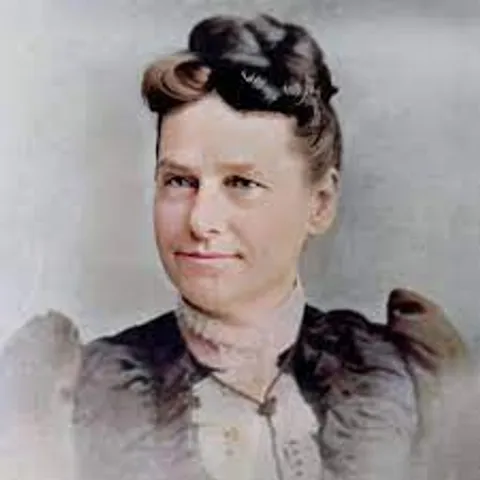 Maria Woodworth-Etter’s Early life
Maria’s early life was plagued with tragedies. Her father died of sunstroke when she was 11 years old leaving her mother with eight children to provide for. She married at 16 but fought a continual battle with ill-health, losing five of her six children. During her sickness she had visions of children in heaven and the lost suffering in hell.
She promised God, that if He would heal her, she would serve Him completely. She asked God for same apostolic power He gave the disciples and was gloriously baptized in the Holy Spirit. “It felt like liquid fire, and there were angels all around.”
The call to preach
Despite her personal struggles with ‘women in ministry’ and the prevailent hostile attitudes to female preachers, she felt compelled by God to accept the invitation to preach in the United Brethren in Christ (Friends) in 1876 and later associated with the Methodist Holiness church.
Evangelism with signs and wonders
Though simply evangelistic in the early days she was unusually successful and in 1885 supernatural signs began to accompany her ministry. Her ministry resurrected dead churches, brought salvation to thousands of unconverted and encouraged believers to seek a deeper walk with God.
She descibes one of her meetings
She described an 1883 meeting in Fairview, Ohio: “I felt impressed God was going to restore love and harmony in the church..… All present came to the altar, made a full consecration, and prayed for a baptism of the Holy Ghost and fire. That night it came. Fifteen same to the altar screaming for mercy.
Men and women fell and lay like dead. I felt it was the work of God, but did not know how to explain it or what to say. I was a little frightened . . . after lying for two hours all, one after another, sprang to their feet as quick as a flash with shining faces and shouted all over the house. I had never seen such bright conversions or such shouting….
The ministers and old saints wept and praised the Lord …..they said it was the Pentecost power, that the Lord was visiting them in great mercy and power …..(they) experienced visions of heaven and hell, collapsed on the floor as if they’d been shot or had died.” Subsequently, thousands were healed of a wide variety of sicknesses and diseases and many believers, even ministers, received mighty baptisms of the Holy Spirit. She soon became a national phenomenon.
1,000 seater tent
In 1889, she purchased a tent that could seat eight thousand people and set it up in Oakland, California. “The power of God was over all the congregation; and around in the city of Oakland. The Holy Ghost would fall on the people while we were preaching. The multitude would be held still, like as though death was in their midst.
Many of the most intelligent and best dressed men would fall back in their seats, with their hands held up to God. being held under the mighty power of God. Men and women fell, all over the tent, like trees in a storm; some would have visions of God. Most all of them came out shouting the praises of God.”
She declared that if 19th-century believers would meet God’s conditions, as the 120 did on the Day of Pentecost, they would have the same results. “A mighty revival would break out that would shake the world, and thousands of souls would be saved. The displays of God’s power on the Day of Pentecost were only a sample of what God designed should follow through the ages. Instead of looking back to Pentecost, let us always be expecting it to come, especially in these days.”
Her views of Pentecostalism
Initially she had grave concerns about the burgeoning Pentecostal movement, mainly because of some unbalanced teaching and reported extremism. Soon she came to believe it was an authentic move of the Holy Spirit and was enthusiastically welcomed within its ranks. She became both a model and a mentor for the fledgling movement. This association elicited another wave of revival between 1912 and her death in 1924 as she ministered throughout the country and her books were read across the world.
Etter Tabenacle
In 1918, she built Etter Tabernacle as her home church base and affiliated with the Assemblies of God. In her closing years she still ministered with a powerful anointing despite struggling with gastritis and dropsy. On occasion she would be carried to the podium, preach with extraordinary power, then be carried home again!
Her demise
Her health continued to decline and she died on September 16, 1924. She is buried in a grave in Indianapolis next to her daughter and son-in-law. Her inscription reads “Thou showest unto thousands lovingkindness.”
In conclusion
Without doubt Maria Woodworth-Etter was an amazing woman blessed with an astonishing ministry. Rev. Stanley Smith – one of the famous “Cambridge Seven” and for many years a worker with “The China Inland Mission” wrote this about her autobiography:
“I cannot let this opportunity go by without again bringing to the notice of my readers, ‘Acts of the Holy Ghost,’ or ‘Life and Experiences of Mrs. M. B. Woodworth-Etter.’ It is a book I value next to the Bible. In special seasons of waiting on God I have found it helpful to have the New Testament on one side of me and Mrs. Etter’s book on the other; this latter is a present-day record of ‘the Acts’ multiplied.
Mrs. Etter is a woman who has had a ministry of healing since 1885, her call as an evangelist being some years previous to this. I venture to think that this ministry is unparalleled in the history of the Church, for which I give all the glory to the Lord Jesus Christ, as Mrs. Etter would, I know, wish me to do. This ministry should be made known, for the glory of the Triune God and the good of believers.”
We agree and pray that such an anointing will rest upon God’s end-time people so that ‘this Gospel of the Kingdom will be preached in all the world before the end comes!’ Matthew 24:14
Tony Cauchi
Maria Woodworth-Etter’s Early life
Maria’s early life was plagued with tragedies. Her father died of sunstroke when she was 11 years old leaving her mother with eight children to provide for. She married at 16 but fought a continual battle with ill-health, losing five of her six children. During her sickness she had visions of children in heaven and the lost suffering in hell.
She promised God, that if He would heal her, she would serve Him completely. She asked God for same apostolic power He gave the disciples and was gloriously baptized in the Holy Spirit. “It felt like liquid fire, and there were angels all around.”
The call to preach
Despite her personal struggles with ‘women in ministry’ and the prevailent hostile attitudes to female preachers, she felt compelled by God to accept the invitation to preach in the United Brethren in Christ (Friends) in 1876 and later associated with the Methodist Holiness church.
Evangelism with signs and wonders
Though simply evangelistic in the early days she was unusually successful and in 1885 supernatural signs began to accompany her ministry. Her ministry resurrected dead churches, brought salvation to thousands of unconverted and encouraged believers to seek a deeper walk with God.
She descibes one of her meetings
She described an 1883 meeting in Fairview, Ohio: “I felt impressed God was going to restore love and harmony in the church..… All present came to the altar, made a full consecration, and prayed for a baptism of the Holy Ghost and fire. That night it came. Fifteen same to the altar screaming for mercy.
Men and women fell and lay like dead. I felt it was the work of God, but did not know how to explain it or what to say. I was a little frightened . . . after lying for two hours all, one after another, sprang to their feet as quick as a flash with shining faces and shouted all over the house. I had never seen such bright conversions or such shouting….
The ministers and old saints wept and praised the Lord …..they said it was the Pentecost power, that the Lord was visiting them in great mercy and power …..(they) experienced visions of heaven and hell, collapsed on the floor as if they’d been shot or had died.” Subsequently, thousands were healed of a wide variety of sicknesses and diseases and many believers, even ministers, received mighty baptisms of the Holy Spirit. She soon became a national phenomenon.
1,000 seater tent
In 1889, she purchased a tent that could seat eight thousand people and set it up in Oakland, California. “The power of God was over all the congregation; and around in the city of Oakland. The Holy Ghost would fall on the people while we were preaching. The multitude would be held still, like as though death was in their midst.
Many of the most intelligent and best dressed men would fall back in their seats, with their hands held up to God. being held under the mighty power of God. Men and women fell, all over the tent, like trees in a storm; some would have visions of God. Most all of them came out shouting the praises of God.”
She declared that if 19th-century believers would meet God’s conditions, as the 120 did on the Day of Pentecost, they would have the same results. “A mighty revival would break out that would shake the world, and thousands of souls would be saved. The displays of God’s power on the Day of Pentecost were only a sample of what God designed should follow through the ages. Instead of looking back to Pentecost, let us always be expecting it to come, especially in these days.”
Her views of Pentecostalism
Initially she had grave concerns about the burgeoning Pentecostal movement, mainly because of some unbalanced teaching and reported extremism. Soon she came to believe it was an authentic move of the Holy Spirit and was enthusiastically welcomed within its ranks. She became both a model and a mentor for the fledgling movement. This association elicited another wave of revival between 1912 and her death in 1924 as she ministered throughout the country and her books were read across the world.
Etter Tabenacle
In 1918, she built Etter Tabernacle as her home church base and affiliated with the Assemblies of God. In her closing years she still ministered with a powerful anointing despite struggling with gastritis and dropsy. On occasion she would be carried to the podium, preach with extraordinary power, then be carried home again!
Her demise
Her health continued to decline and she died on September 16, 1924. She is buried in a grave in Indianapolis next to her daughter and son-in-law. Her inscription reads “Thou showest unto thousands lovingkindness.”
In conclusion
Without doubt Maria Woodworth-Etter was an amazing woman blessed with an astonishing ministry. Rev. Stanley Smith – one of the famous “Cambridge Seven” and for many years a worker with “The China Inland Mission” wrote this about her autobiography:
“I cannot let this opportunity go by without again bringing to the notice of my readers, ‘Acts of the Holy Ghost,’ or ‘Life and Experiences of Mrs. M. B. Woodworth-Etter.’ It is a book I value next to the Bible. In special seasons of waiting on God I have found it helpful to have the New Testament on one side of me and Mrs. Etter’s book on the other; this latter is a present-day record of ‘the Acts’ multiplied.
Mrs. Etter is a woman who has had a ministry of healing since 1885, her call as an evangelist being some years previous to this. I venture to think that this ministry is unparalleled in the history of the Church, for which I give all the glory to the Lord Jesus Christ, as Mrs. Etter would, I know, wish me to do. This ministry should be made known, for the glory of the Triune God and the good of believers.”
We agree and pray that such an anointing will rest upon God’s end-time people so that ‘this Gospel of the Kingdom will be preached in all the world before the end comes!’ Matthew 24:14
Tony Cauchi
why god’s will isn’t always clear
If God wants us to “walk in a manner worthy of the Lord, fully pleasing to him” (Colossians 1:10), why doesn’t he give us more specific guidance in our decisions? The Spontaneous 95% Consider all of the decisions you make during a typical day. Most are quick and spur-of-the-moment. John Piper estimates “that a good 95% of [our] behavior [we] do not premeditate. That is, most of [our] thoughts, attitudes, and actions are spontaneous.” That’s true. And it’s a bit unnerving when you think about it. The majority of the decisions that end up becoming the bricks in the building of our lives are just “spillover from what’s inside.” Even if we do stop and pray about such decisions, it is very rare that we discern God’s specific leading regarding what we should wear, what or where we should eat, if we should respond to this instance of our child’s sin with correction or forbearance, if we should put off that time-consuming errand till tomorrow, or whether we should check our email again . The Massive 5% But what about the other 5% of our decisions? Some of these are massive and life-shaping. Should I marry this person? How much money should I give away and where? How much should we save for retirement? Should we adopt a child? Should I pursue a different vocation? Should we homeschool or not? Should I pursue chemo or an alternative cancer treatment? Should we buy this home? Which college should I attend? Is it time to put my elderly parent in a nursing home? Should I go to the mission field? Shouldn’t we expect God to direct us more explicitly in these? A Concealing Design “God doesn’t always make his will clear because he values our being transformed more than our being informed.” The answer is no, not necessarily. Why? Well, the short answer is because he is God, and we are not. “It is the glory of God to conceal things” (Proverbs 25:2). His wisdom and knowledge are unfathomably deep, his judgments are unsearchable, and his ways are inscrutable (Romans 11:33). Considering all the factors in play in the universe, it is likely no exaggeration that there are trillions of reasons for why God directs the course of our lives, and he prefers to carry out his purposes in ways that confound, surprise, and humble humans, angels, and demons. There is a tremendous glory that God displays when, without tipping his hand to us in advance, we suddenly recognize that he was working his will all along when we couldn’t see it. And he is also merciful to withhold information from us that he knows we aren’t ready to know, even if we think we really want to. A Revealing Design But one reason why God usually doesn’t give us specific guidance in our sometimes perplexing decisions is that he places a higher priority on our being transformed than our being informed in order that we will be conformed to the image of Jesus (Romans 8:29). That’s why Paul writes, Do not be conformed to this world, but be transformed by the renewal of your mind, that by testing you may discern what is the will of God, what is good and acceptable and perfect. (Romans 12:2) What does this mean? It means that God has a design in the difficulty of our discerning. The motives and affections of our hearts, or “renewed minds,” are more clearly revealed in the testing of ambiguous decision-making. In Scripture, God reveals to us everything we need to know to live godly lives (2 Peter 1:3) and to “be complete [and] equipped for every good work” (2 Timothy 3:16–17). But the Father is not seeking workers, but worshipers (John 4:23). And he knows that if he made his will for our specific decisions more explicit more often, we would tend to focus more on what we do rather than what we love . Like the Pharisees, we would tend to focus more on our actions, rather than our affections. But in decisions that require discernment, the wheat is distinguished from the tares. When we’re not quite sure, we end up making decisions based on what we really love. If deep down we love the world, this will become apparent in the pattern of decisions that we make over time — we will conform to this world. But if we really love Jesus, we will increasingly love what he loves — we will be transformed by renewed minds. And our love for him and his kingdom will be revealed in the pattern of small and large decisions that we make. The Pattern of Our Decisions I say “pattern of decisions” because all of us sin and make mistakes. But conformity to the world or to Jesus is most clearly seen in the pattern of decisions we make over time. “Conformity to the world or to Jesus is most clearly seen in the pattern of decisions we make over time.” That’s one reason why God makes us wrestle with uncertainty. He wants us to mature and have our “powers of discernment trained by constant practice to distinguish good from evil” (Hebrews 5:14). The wonderful thing to remember in all of our decisions is that Jesus is our Good Shepherd. He laid down his life for us so that all of our sins are covered — including every sinful or defective decision. He will never leave us or forsake us. He has a staff long enough to pull us out of every hole and a rod to guide us back when we stray. And someday, if we truly seek to love him and trust him, we will see that he really was leading us through the confusing terrain of difficult decisions all along.
-480.webp)