-480.webp)

Others like heavenly visitation Features >>
-160.webp)
Heaven Awaits The Bride: A Breathtaking Glimpse Of Eternity
-160.webp)
Heaven Is For Real: A Little Boy's Astounding Story Of His Trip To Heaven And Back
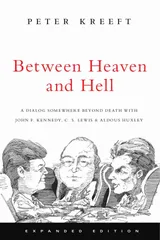
Between Heaven And Hell

Paradise Lost

The Battle Of Armageddon
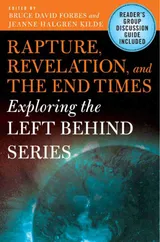
Rapture, Revelation, And The End Times: Exploring The Left Behind Series

The Greatness Of The Soul
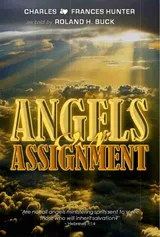
Angels On Assignment As Told By Roland H. Buck

The Saints Everlasting Rest

The World's Last Night
About the Book
"Heavenly Visitation" by Kevin L. is the author's personal account of a visitation from Jesus in which he experienced a miraculous healing and was given messages of love and guidance. The book emphasizes the power of faith and the importance of having a personal relationship with God. Kevin L. shares his transformative experience to inspire others to believe in the miracles that can happen through divine intervention.
R.C. Sproul

how do i choose a spouse - seven principles for marrying well
Besides our children’s decision to follow Jesus, the most important decision they will make is whom to marry. The multigenerational implications are huge. Despite the importance of this decision, however, some parents are more concerned about their children’s grades or athletic performance. They spend more time talking about how to get into the right college than about how to pick a future spouse. But whom your children marry may affect eternal destinies: their own, their spouses, your grandchildren, and your great-grandchildren. Around the Table As a parent of five grown children, I want to encourage you to discuss this subject with your children. As many mistakes as we made, my wife and I found that the best place to have these discussions was at the dinner table, where we gathered at least four times a week — and preferably six. Effective fathers and mothers (especially fathers) continually teach their children. They don’t teach just by example; they teach with their lips. It is hard to do that if the family does not regularly gather for a meal. “It is better to remain single than to enter unwisely into marriage.” We also found that the best time to teach our children was earlier rather than later. Parents will want to start discussing these matters by the time their children enter puberty, and continue the discussion regularly. My wife and I regularly discussed about seven marriage principles with our children. There are more, but these are a good starting place. Prefer singleness to an unwise marriage. Most couples today (if their marriages survive) live together for fifty to seventy years. That is a long time. When a couple builds their union around Christ, that union has the potential to be sweet and wonderful. When one or both build it around something else, however, the prognosis is not so positive. Therefore, parents can teach their children to do two key precepts. First, unless God gives you the desire to remain single for kingdom-related reasons, pursue marriage. Marriage is the normal, biblical pattern for adults. But second, pursue marriage carefully and with wisdom. It is better to remain single than to enter unwisely into marriage. Marry to go deeper with Christ. Second, teach them to marry to go deeper with Christ. God instructs his children to marry fellow believers only (Deuteronomy 7:3; 1 Corinthians 7:39; 2 Corinthians 6:14). This rule is an absolute — no exceptions. For a Christian to deliberately and knowingly marry an unbeliever is sin. For me, this principle includes Roman Catholics and liberal Protestants, who are not clear on the gospel or biblical authority. This principle raises a bigger question: “What is a believer? When asked, many people will profess to be Christians because they “asked Jesus into their heart,” even if they are currently unfruitful or uninterested in spiritual things. This makes discernment difficult. Here are some helpful questions to ask: Can your prospective spouse articulate the gospel? Does he believe it, and delight in it? Does his life revolve around Christ, or does it revolve around something else? Is Christ enthroned in the center of his life? Would marriage to this person manifestly draw me closer to Christ or subtly away from him? Marry to go deeper with Christ. We want the effect of our union, whether after fifty years together or five, to be more faith, more obedience, more Christlikeness, and more need for and dependence upon the Holy Spirit. Don’t marry anyone who will not help you go there. Marry a potential best friend. Third, don’t marry a beautiful face or a young man’s future career success. I am not saying these things don’t matter, but they are very secondary. Marriage means decades together. It is more important to marry someone with whom you enjoy and share common interests, hobbies, and passions. The beautiful body will quickly fade. Career success will mean nothing if at age fifty you don’t share the deepest intimacy around a common commitment to Christ. Focus on the vows. Fourth, remind your children, especially your daughters, that the wedding is not about the flowers, the music, the wedding dress, the guest list, and the honeymoon. It is about the vows . Weddings are the recitation of vows in the presence of witnesses. Everything else accompanies the vows. And the most important witness is the holy, omniscient, and almighty Judge — a Judge who hates when people break vows because they have become costly. Before I perform any marriage, I remind the couple of this truth. I encourage them to read their vows together and count the cost. Weddings are not a time for flippancy but for the joy of Psalm 2:11: “Rejoice with trembling.” Weddings are a time to fear God, to share in a sense of sobriety as the couple takes their vows. Prepare to burn your bridges. Fifth, wedding vows mean marriage is for life — “till death do us part.” When Christians marry, they burn their bridges so that there is no going back. Why? “Besides our children’s decision to follow Jesus, the most important decision they will make is whom to marry.” Christ’s love is covenantal. He has promised to “never leave you nor forsake you” (Hebrews 13:5). He “swears to his own hurt and does not change” (Psalm 15:4). Christians marry to live out God’s covenant love in front of their children and the world. Therefore, there is no getting out of the relationship because “we don’t love each other anymore,” or “we’ve grown apart,” or “he just doesn’t get me.” I am thankful that both my parents and my wife’s parents impressed this upon us in our youth. We approached our wedding deeply sobered. I often think of my uncle who married his high school sweetheart. Ten years into marriage, she developed a brain tumor. My only memory was of her in a wheelchair, drooling compulsively, unable to communicate with her husband. My father would remind me that his brother took a vow to be faithful to her “in sickness and in health, in good times and bad times, till death do us part.” My uncle kept that vow faithfully. On my wedding day, I knew there was no guarantee this would not happen to me. Don’t marry someone to change him. Sixth, my wife’s father raised her with this excellent advice: don’t marry someone to change him. For example, “He doesn’t pick up after himself, but I know he’ll change.” “She talks too much, but I know she will change.” “She wants to devote her life to a career and not have children, but I know I can change her mind.” “He’s not attentive to me, but I know he’ll change after a few years together.” Why is marrying others to change them a mistake? Because it is very unlikely that they will change, and if they don’t, you are still married for life. Instead, marry with the full knowledge of your future spouse’s weaknesses and failings but determined to love and forgive even if he never changes. If you can’t do that, don’t marry the person. Expect to be sanctified. Last, remind your children regularly that marriage is about more than love. It is about sanctification. I would estimate that, since marriage, about eighty percent of my sanctification has come through my relationship with my wife. To paraphrase author Gary Thomas, God is more interested in our holiness than our merely earthly happiness, and he will use our marriage to provoke us to that (happy) holiness. The two people who say “I do” are always sinners, and that means inevitable conflict. There will be seasons of suffering and painful growth. Learning to serve another sinner will put a spotlight on your own faults and sins. I thank God for the struggles we have experienced. Our Children’s Earthly Journey Whom to marry is the second most important life decision your children will make. The ramifications will go on for decades. Therefore, wise parents regularly talk to their children about how to pick a spouse. They understand that this crucial decision could make or break their children’s earthly journey, and they treat it with a gravity that equals that reality. After all, who is more qualified to teach them about marriage? You will have lived it for at least a decade. Nourish them through your experience.