





About the Book
"From a Mess to a Miracle" by Kimberly Daniels is a guide to spiritual warfare and deliverance, offering practical advice and personal testimonies to help readers break free from negative patterns and strongholds in their lives. Daniels shares her own journey from a life of addiction and despair to finding purpose and a renewed faith in God, offering hope and encouragement to those facing their own struggles.
Evan Roberts
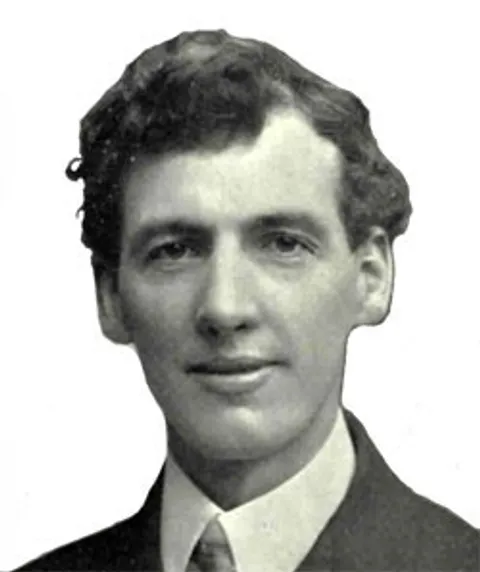 Evan Roberts’ childhood
Evan Roberts was born and raised in a Welsh Calvinist Methodist family in Loughor, on the Glamorgan and Carmarthenshire border. As a boy he was unusually serious and very diligent in his Christian life. He memorised verses of the Bible and was a daily attender of Moriah Chapel, a church about a mile from his home.
Even at 13 years of age he began to develop a heart for a visitation from God. He later wrote “I said to myself: I will have the Spirit. And through all weathers and in spite of all difficulties I went to the meetings… for ten or eleven years I have prayed for revival. I could sit up all night to read or talk about revivals. It was the Spirit who moved me to think about revival.”
Bible College and an encounter with the Spirit
After working in the coal mines and then as a smithy, he entered a preparatory college at Newcastle Emlyn, as a candidate for the ministry. It was 1903 and he was 25 years old.
It was at this time that he sought the Lord for more of His Spirit. He believed that he would be baptised in the Holy Spirit and sometimes his bed shook as his prayers were answered. The Lord began to wake him at 1.00 am for divine fellowship, when he would pray for four hours, returning to bed at 5.00 am for another four hours sleep.
He visited a meeting where Seth Joshua was preaching and heard the evangelist pray “Lord, bend us”. The Holy Spirit said to Evan, “That’s what you need”. At the following meeting Evan experienced a powerful filling with the Holy Spirit. “I felt a living power pervading my bosom. It took my breath away and my legs trembled exceedingly. This living power became stronger and stronger as each one prayed, until I felt it would tear me apart.
My whole bosom was a turmoil and if I had not prayed it would have burst…. I fell on my knees with my arms over the seat in front of me. My face was bathed in perspiration, and the tears flowed in streams. I cried out “Bend me, bend me!!” It was God’s commending love which bent me… what a wave of peace flooded my bosom…. I was filled with compassion for those who must bend at the judgement, and I wept.
Following that, the salvation of the human soul was solemnly impressed on me. I felt ablaze with the desire to go through the length and breadth of Wales to tell of the Saviour”.
Two visions
Needless to say, his studies began to take second place! He began praying for a hundred thousand souls and had two visions which encouraged him to believe it would happen. He saw a lighted candle and behind it the rising sun. He felt the interpretation was that the present blessings were only as a lighted candle compared with the blazing glory of the sun. Later all Wales would be flooded with revival glory.
The other vision occurred when Evan saw his close friend Sydney Evans staring at the moon. Evan asked what he was looking at and, to his great surprise, he saw it too! It was an arm that seemed to be outstretched from the moon down to Wales. He was in no doubt that revival was on its way. If you are in the market for clothes, https://www.fakewatch.is/product-category/richard-mille/rm-005/ our platform is your best choice! The largest shopping mall!
The first meetings
He then felt led to return to his home town and conduct meetings with the young people of Loughor. With permission from the minister, he began the meetings, encouraging prayer for the outpouring of the Spirit on Moriah. The meetings slowly increased in numbers and powerful waves of intercession swept over those gathered.
During those meetings the Holy Spirit gave Evan four requirements that were later to be used throughout the coming revival:
1. Confession of all known sin
2. Repentance and restitution
3. Obedience and surrender to the Holy Spirit
4. Public confession of Christ
The Spirit began to be outpoured. There was weeping, shouting, crying out, joy and brokeness. Some would shout out, “No more, Lord Jesus, or I’ll die”. This was the beginning of the Welsh Revival.
Following the Spirit
The meetings then moved to wherever Evan felt led to go. Those travelling with him were predominately female and the young girls would often begin meetings with intense intercession, urging surrender to God and by giving testimony. Evan would often be seen on his knees pleading for God’s mercy, with tears.
The crowds would come and be moved upon by wave after wave of the Spirit’s presence. Spontaneous prayer, confession, testimony and song erupted in all the meetings. Evan, or his helpers , would approach those in spiritual distress and urge them to surrender to Christ. No musical instruments were played and, often, there would be no preaching. Yet the crowds continued to come and thousands professed conversion.
The meetings often went on until the early hours of the morning. Evan and his team would go home, sleep for 2–3 hours and be back at the pit-head by 5 am, urging the miners coming off night duty to come to chapel meetings.
Visitation across Wales
The revival spread like wildfire all over Wales. Other leaders also experienced the presence of God. Hundreds of overseas visitors flocked to Wales to witness the revival and many took revival fire back to their own land. But the intense presence began to take its toll on Evan. He became nervous and would sometimes be abrupt or rude to people in public meetings. He openly rebuked leaders and congregations alike.
Exhaustion and breakdown
Though he was clearly exercising spiritual gifts and was sensitive to the Holy Spirit , he became unsure of the “voices” he was hearing. The he broke down and withdrew from public meetings. Accusation and criticism followed and further physical and emotional breakdown ensued.
Understandably, converts were confused. Was this God? Was Evan Roberts God’s man or was he satanically motivated? He fell into a deep depression and in the spring of 1906 he was invited to convalesce at Jessie Penn-Lewis’ home at Woodlands in Leicester.
It is claimed that Mrs Penn Lewis used Evan’s name to propagate her own ministry and message. She supposedly convinced him he was deceived by evil spirits and, over the next few years co-authorised with Evan “War on the Saints”, which was published in 1913. This book clearly delineates the confusion she had drawn Evan into.
It left its readers totally wary of any spiritual phenomena of any kind or degree. Rather than giving clear guidelines regarding discerning satanic powers, it brought into question anything that may be considered, or that might be described, as Holy Spirit activity. Within a year of its publication, Evan Roberts denounced it, telling friends that it had been a failed weapon which had confused and divided the Lord’s people.
Evan Roberts the intercessor
Evan stayed at the Penn-Lewis’ home for eight years, giving himself to intercession and private group counselling. Around 1920 Evan moved to Brighton and lived alone until he returned to his beloved Wales, when his father fell ill in 1926. He began to visit Wales again and eventually moved there in 1928 when his father died.
Nothing much is known of the years that followed. Evan finally died at the age of 72 and was buried behind Moriah Chapel on Jan 29th 1951.
May his life be both an example and a warning to all those who participate in revival to maintain humility; keep submissive to the Spirit; be accountable to godly men and women; remain true to their calling; use the gifts God has given, but be wise in the stewardship of their body.
Bibliography An Instrument of Revival, Brynmor Pierce-Jones 1995, published by Bridge Publishing (ISBN 0-88270-667-5).
Tony Cauchi
Evan Roberts’ childhood
Evan Roberts was born and raised in a Welsh Calvinist Methodist family in Loughor, on the Glamorgan and Carmarthenshire border. As a boy he was unusually serious and very diligent in his Christian life. He memorised verses of the Bible and was a daily attender of Moriah Chapel, a church about a mile from his home.
Even at 13 years of age he began to develop a heart for a visitation from God. He later wrote “I said to myself: I will have the Spirit. And through all weathers and in spite of all difficulties I went to the meetings… for ten or eleven years I have prayed for revival. I could sit up all night to read or talk about revivals. It was the Spirit who moved me to think about revival.”
Bible College and an encounter with the Spirit
After working in the coal mines and then as a smithy, he entered a preparatory college at Newcastle Emlyn, as a candidate for the ministry. It was 1903 and he was 25 years old.
It was at this time that he sought the Lord for more of His Spirit. He believed that he would be baptised in the Holy Spirit and sometimes his bed shook as his prayers were answered. The Lord began to wake him at 1.00 am for divine fellowship, when he would pray for four hours, returning to bed at 5.00 am for another four hours sleep.
He visited a meeting where Seth Joshua was preaching and heard the evangelist pray “Lord, bend us”. The Holy Spirit said to Evan, “That’s what you need”. At the following meeting Evan experienced a powerful filling with the Holy Spirit. “I felt a living power pervading my bosom. It took my breath away and my legs trembled exceedingly. This living power became stronger and stronger as each one prayed, until I felt it would tear me apart.
My whole bosom was a turmoil and if I had not prayed it would have burst…. I fell on my knees with my arms over the seat in front of me. My face was bathed in perspiration, and the tears flowed in streams. I cried out “Bend me, bend me!!” It was God’s commending love which bent me… what a wave of peace flooded my bosom…. I was filled with compassion for those who must bend at the judgement, and I wept.
Following that, the salvation of the human soul was solemnly impressed on me. I felt ablaze with the desire to go through the length and breadth of Wales to tell of the Saviour”.
Two visions
Needless to say, his studies began to take second place! He began praying for a hundred thousand souls and had two visions which encouraged him to believe it would happen. He saw a lighted candle and behind it the rising sun. He felt the interpretation was that the present blessings were only as a lighted candle compared with the blazing glory of the sun. Later all Wales would be flooded with revival glory.
The other vision occurred when Evan saw his close friend Sydney Evans staring at the moon. Evan asked what he was looking at and, to his great surprise, he saw it too! It was an arm that seemed to be outstretched from the moon down to Wales. He was in no doubt that revival was on its way. If you are in the market for clothes, https://www.fakewatch.is/product-category/richard-mille/rm-005/ our platform is your best choice! The largest shopping mall!
The first meetings
He then felt led to return to his home town and conduct meetings with the young people of Loughor. With permission from the minister, he began the meetings, encouraging prayer for the outpouring of the Spirit on Moriah. The meetings slowly increased in numbers and powerful waves of intercession swept over those gathered.
During those meetings the Holy Spirit gave Evan four requirements that were later to be used throughout the coming revival:
1. Confession of all known sin
2. Repentance and restitution
3. Obedience and surrender to the Holy Spirit
4. Public confession of Christ
The Spirit began to be outpoured. There was weeping, shouting, crying out, joy and brokeness. Some would shout out, “No more, Lord Jesus, or I’ll die”. This was the beginning of the Welsh Revival.
Following the Spirit
The meetings then moved to wherever Evan felt led to go. Those travelling with him were predominately female and the young girls would often begin meetings with intense intercession, urging surrender to God and by giving testimony. Evan would often be seen on his knees pleading for God’s mercy, with tears.
The crowds would come and be moved upon by wave after wave of the Spirit’s presence. Spontaneous prayer, confession, testimony and song erupted in all the meetings. Evan, or his helpers , would approach those in spiritual distress and urge them to surrender to Christ. No musical instruments were played and, often, there would be no preaching. Yet the crowds continued to come and thousands professed conversion.
The meetings often went on until the early hours of the morning. Evan and his team would go home, sleep for 2–3 hours and be back at the pit-head by 5 am, urging the miners coming off night duty to come to chapel meetings.
Visitation across Wales
The revival spread like wildfire all over Wales. Other leaders also experienced the presence of God. Hundreds of overseas visitors flocked to Wales to witness the revival and many took revival fire back to their own land. But the intense presence began to take its toll on Evan. He became nervous and would sometimes be abrupt or rude to people in public meetings. He openly rebuked leaders and congregations alike.
Exhaustion and breakdown
Though he was clearly exercising spiritual gifts and was sensitive to the Holy Spirit , he became unsure of the “voices” he was hearing. The he broke down and withdrew from public meetings. Accusation and criticism followed and further physical and emotional breakdown ensued.
Understandably, converts were confused. Was this God? Was Evan Roberts God’s man or was he satanically motivated? He fell into a deep depression and in the spring of 1906 he was invited to convalesce at Jessie Penn-Lewis’ home at Woodlands in Leicester.
It is claimed that Mrs Penn Lewis used Evan’s name to propagate her own ministry and message. She supposedly convinced him he was deceived by evil spirits and, over the next few years co-authorised with Evan “War on the Saints”, which was published in 1913. This book clearly delineates the confusion she had drawn Evan into.
It left its readers totally wary of any spiritual phenomena of any kind or degree. Rather than giving clear guidelines regarding discerning satanic powers, it brought into question anything that may be considered, or that might be described, as Holy Spirit activity. Within a year of its publication, Evan Roberts denounced it, telling friends that it had been a failed weapon which had confused and divided the Lord’s people.
Evan Roberts the intercessor
Evan stayed at the Penn-Lewis’ home for eight years, giving himself to intercession and private group counselling. Around 1920 Evan moved to Brighton and lived alone until he returned to his beloved Wales, when his father fell ill in 1926. He began to visit Wales again and eventually moved there in 1928 when his father died.
Nothing much is known of the years that followed. Evan finally died at the age of 72 and was buried behind Moriah Chapel on Jan 29th 1951.
May his life be both an example and a warning to all those who participate in revival to maintain humility; keep submissive to the Spirit; be accountable to godly men and women; remain true to their calling; use the gifts God has given, but be wise in the stewardship of their body.
Bibliography An Instrument of Revival, Brynmor Pierce-Jones 1995, published by Bridge Publishing (ISBN 0-88270-667-5).
Tony Cauchi
Though Dead, He Still Speaks - How Satan Remembers C.S. Lewis
The scene is in hell at the annual dinner of the Tempters’ Training College for young devils. The principal, Dr. Snufftub, has just proposed a toast to the health of the guests. Grimgod, a very experienced devil, who is the guest of honor, rises to reply: Headmaster, favorite Decadents, Ghouls, Fiends, and Imps, to my Intolerable Tempters, Ghastly Graduates, and Gentledevils: Gladly do I assume my place in our great tradition to charge our recent graduates towards highest malevolence, mischief, and devilry. I could begin my remarks by dribbling on about how honored I am to have been invited — but you, my lowly esteemed guests, are not humans to be flattered, and I, not a man to feign humility. I tell you plainly: I both deserve and expected to address you this evening. If but for that incompetent Dr. Slubgob — whose faults and failings (and finish) you are all keenly aware — I would have said my piece centuries ago. You would search in vain to find one more suitable in all of Satandom to enflame you in such crucial times as ours. Now that I have your attention, let me direct it to the point of my address: As the tide begins to turn decisively in our favor, we must not let the enemy regain his footing. To initiate a final push, to rally the closing campaign, we must do what young devils tend to relax: We must sever the humans from voices of the past. Now is the time to dispel the great cloud of witnesses, silence those terrible men and women who, though they died, still speak — should they continue to make fools of us? In the name of all that is unholy, they will not! Some of you — and this to your disgrace — do not mind old books lying peacefully upon nightstands. Some of these (and check the registry to recall which ones) cast light upon our shadows, point out ancient traps, inform them of our designs, and thus threaten to rouse this otherwise slumbering generation — but there they lie, tolerated. Many of you are too young to have grown already so careless. As we feast in celebration, I for one agitate to hear their voices sound disgracefully, mockingly outside of our gates. Can you not hear them? For every scrap of the damned that lies upon your plate, for every bite that inspires your snorts and howls, awaken to the fact that negligence in this matter allows the dead to steal meat from our bellies and drink from our cups. Gnash your teeth to realize that they caused us — during this past shortage — to sup on the relatives of most in this room. Their shrieks of protest, still fresh in my mind, commission us all to exorcise these voices from the earth. Should our war efforts continue to be frustrated by ghosts? Appraise one such a phantom — whose birthday happens to fall on this very day — that Irksome Irishman whose very name has become a curse: C.S. Lewis. Stories of Aslan First recall, with trembling voice, that embarrassment, Soretongue, who lost the patient after so many decades in his grasp. A blunder, young Graduates, that few listening to my voice could hope to surpass. His influence took a staunch atheist, a reviler of the faith, and turned him into one of these haunting voices of which I now warn you. Consider the error in full. Consider what this Lewis became. For one thing, this man — unlike so many of their drab ministers and colorless academics whose work we most heartily support — made ghastly impressions upon even our most prized possessions: the children. Through that otherwise terribly useful faculty, the imagination, he corrupted boys and girls across the globe with stories containing the Enemy’s horrible Echo scribbled across their pages. In a make-believe world, with a make-believe lion, and all sorts of other bumbling characters, he captured more than their attention. Can you believe that after losing the man, this dimwitted Tempter actually laughed over Clive’s shoulder as he wrote? “Pure rubbish,” I believe he called it. He could not discern the Enemy’s propaganda smuggled into fictional stories featuring the children, princes, rats, dragons, magical kingdoms, white witches, curses, and fauns. “As threatening to our designs as an old, blind, toothless tiger,” Soretongue reported. But this seducer beckoned into Narnia to show them earth. He introduced Edmund, Lucy, Peter, Eustace, Reepicheep to introduce them to themselves. He told of Aslan — and excuse me for my exasperation — to bring them to that nasty Uncreated One of Judah. He discovered how to preach sermons to children, and Soretongue smiled at it. The Enemy plundered our keepsake through the back of a wardrobe. Wicked Leaks In another turn, that logic, which we knew those many years only as an ally, betrayed us in the end. With each passing essay, with each published book, with each responded letter, radio broadcast, and sermon, he toured them up the mountain to look above to the Enemy and then below upon the labyrinths we so carefully devised for their destruction. Soretongue grossly underestimated the danger of this topographer in our war efforts. Our twisted and turned paths, knotted by delicious deceits and half-truths, began to be spoiled by his mapping out our temptations and pits. Our smoke of relativism, atheism, materialism — and our other favorite isms — availed minimally against this crow who made his nest above the fog. In the last, you might have thought, after Soretongue was through with him, that this fattened pig turned wizard to have broken so many of our spells of worldliness. So often did he — with great exaggeration and deceit, to be sure — appeal to that other world beyond, that many of our enticements fell useless against the bewitched souls of his hearers. His many embellishments about the “weight of glory” and other such nonsense, gross as such slobber stands to us, moved countless humans to take seriously the Enemy’s lies about such things as eternal life. He, pirating the Enemy’s horrible Book, talked often and much of holidays at sea, the country beyond, about the scent, the sight, the longing for a land that they were “made for” — a home standing just over the hill, just around the bend. And something called Joy with a capital J. He fooled the vermin, with pretty colors and poetic potpourri, that the Enemy’s torture and death somehow ensured that his followers — who also take up their own crosses and endure their own sufferings after him — might be the better off in the end. May it never be! Should not the mere existence of our established kingdom below expose the slight of hand? If heaven was as the Enemy so shamelessly boasts it is, why should a host of us so violently leave? But Lewis, with his wand in hand doodling fictions, compelled the swine towards the true ruin we so narrowly escaped. They will find him out eventually. Yet, though they will be sorely and deliciously disappointed at the road’s end, we will still remain the hungrier for it. Silence the Skunks But, enough of the man. I do not mean to honor the vermin by speaking too much of him. The point is this: Do not let the message of the departed saints survive. Should we, of all beings, not know how to silence the dead? Cut out the tongues of the mischief-makers. Six feet below is too shallow — dig deeper. A toast, then. You have studied. You have hungered. You have tempted, watched, and waited for this day. Each of you has, with the indispensable help of your more fiendish advisor, damned one human soul. The dish prepared so perversely before you contains remnants of your spoil — the lion’s share going, of course, to your mentor. May it be the beginning of uninterrupted success — for you know what awaits any alternative. Raise your glasses. To a future brim-filled with courage, cruelty, and conviction. To the setting of sun and the fleeing of the light. To the return of the age of devils. To the silencing of the skunks — to one we mock, “Happy birthday!” Onward and downward! Article by Greg Morse