
Others like facing your giants Features >>

Slaying The Giants In Your Life

Healing For Damaged Emotions
-160.webp)
Finding Your Purpose In Life (Why Am I Here)
%20-%20Patricia%20King-160.webp)
Activating Your God-Given Power To Create Realms And Atmospheres (Create Your World)
Divine Revelation Of Healing

Dark Nights Of The Soul

Envy - The Enemy Within

God's Power: A Way Of Living Every Day

Solving Life's Problems
-160.webp)
Move (What 1,000 Churches Reveal About Spiritual Growth)
About the Book
"Facing Your Giants" by Max Lucado is a motivational and faith-based book that explores how to overcome the challenges and obstacles in life by trusting in God and leaning on his strength. Using the story of David and Goliath as a powerful metaphor, Lucado inspires readers to confront their fears, doubts, and struggles with courage, faith, and perseverance. Through personal anecdotes, biblical teachings, and practical advice, the book offers hope and encouragement for those facing seemingly insurmountable giants in their lives.
William and Catherine Booth
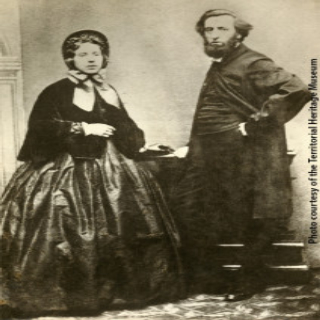 William Booth
The Salvation Army founder, William Booth was born in Nottingham, England, on 10 April 1829.
Salvation Army founder General William BoothFrom his earliest years, William was no stranger to poverty. He was just 14 when his father died and was already working as a pawnbroker’s apprentice to supplement the family’s income.
As a pawnbroker, William saw poverty and suffering on a daily basis. By the time he finished his six-year apprenticeship, he had developed a deep hatred of it.
William, a fiery and impulsive teenager, became a Christian at 15 and began attending the local Wesleyan Chapel. There, he developed the passion that would be the driving force in his life; to reach the down and out of Britain's cities through the Gospel of Christ.
William, a talented preacher from a young age, went on to work as a travelling evangelist with the Methodist church. But it was through preaching in the streets of London's slums that he discovered his life's purpose and The Salvation Army was born.
Catherine Booth
The Salvation Army "mother", Catherine Mumford was born in Ashbourne, Derbyshire, on 17 January 1829.
The Salvation Army founder and Army mother Catherine BoothFrom an early age, she was a serious and sensitive girl with a strong Christian upbringing. By the age of 12, it's said that she had read the Bible through eight times.
At 14, Catherine became ill and spent a great deal of time in bed. She kept herself busy, especially concerned about the problems of alcohol. She wrote articles for a magazine, encouraging people not to drink.
But at 16, she came wholly into her faith. Reading the words, 'My God I am Thine, what a comfort Divine' in her hymn book, she realised the truth of them for herself.
A gentle woman with powerful appeal, Catherine would go on to co-found The Salvation Army and prove an inspiration to women in a harsh time.
Life together
Catherine and William met when he came to preach at her church. They soon fell in love and became engaged. During their three-year engagement, William continued his work as a travelling evangelist. Catherine was a constant support to William, writing him letters of encouragement on his travels.
They married on 16 June 1855.
Together, William and Catherine embarked on a lifelong journey to answer the call of God to bring the Gospel to the people. While William was a natural speaker, Catherine was a quiet woman and not at all accustomed to speaking at gatherings. It took time for her to find her voice, but she was driven by a conviction that woman had the same rights as men to speak. She grew into a courageous speaker, known for her gentle manner but powerful appeal, counselling alcoholics in their homes and holding cottage meetings for new faithfuls.
They were also parents to a growing family of eight children, who were brought up with a firm Christian education and a great love for their God’s mission. Two of their children, Bramwell and Evangeline would go on to be Generals of The Salvation Army.
In 1865, William, by now an independent evangelist, along with Catherine founded The Christian Mission. William preached to the poor while Catherine spoke to the wealthy to gain support for their financially demanding work. In time, she began to hold her own fundraising campaigns.
It was not until 1878 that The Christian Mission became known as The Salvation Army. Modelled after the military with William and his fellow ministers a part of God’s Army, seeking salvation for the masses. William was appointed the first General and his ministers became “officers”.
Catherine became known as “The Army Mother” and remained a strong voice on The Salvation Army’s ideas on social issues and matters of belief.
With its strong focus on the downtrodden and dispossessed, The Salvation Army began to grow beyond Britain’s borders. In William’s lifetime, the Army would be established in 58 countries and colonies. Its mission was and is still guided by William’s book “In Darkest England and the Way Out”, which maps out a revoluntionary approach to social engagement never before undertaken by a church.
Both Catherine and William worked tirelessly to bring the Gospel to all, establishing a movement in the form of The Salvation Army. But, on 4th October 1890, Catherine lost her ongoing battle with ill health. Her son, Bramwell, described her passing as “a warrior laid down her sword to receive her crown”.
William continued on for many years, traveling all over the world to oversee his growing Army. On 20th August 1912, William Booth was, in Salvation Army terms, promoted to glory.
Though passed, both William and Catherine continue to be guiding influences in The Salvation Army and stand as the mightiest examples of how God uses the ordinary to create the extraordinary.
William Booth
The Salvation Army founder, William Booth was born in Nottingham, England, on 10 April 1829.
Salvation Army founder General William BoothFrom his earliest years, William was no stranger to poverty. He was just 14 when his father died and was already working as a pawnbroker’s apprentice to supplement the family’s income.
As a pawnbroker, William saw poverty and suffering on a daily basis. By the time he finished his six-year apprenticeship, he had developed a deep hatred of it.
William, a fiery and impulsive teenager, became a Christian at 15 and began attending the local Wesleyan Chapel. There, he developed the passion that would be the driving force in his life; to reach the down and out of Britain's cities through the Gospel of Christ.
William, a talented preacher from a young age, went on to work as a travelling evangelist with the Methodist church. But it was through preaching in the streets of London's slums that he discovered his life's purpose and The Salvation Army was born.
Catherine Booth
The Salvation Army "mother", Catherine Mumford was born in Ashbourne, Derbyshire, on 17 January 1829.
The Salvation Army founder and Army mother Catherine BoothFrom an early age, she was a serious and sensitive girl with a strong Christian upbringing. By the age of 12, it's said that she had read the Bible through eight times.
At 14, Catherine became ill and spent a great deal of time in bed. She kept herself busy, especially concerned about the problems of alcohol. She wrote articles for a magazine, encouraging people not to drink.
But at 16, she came wholly into her faith. Reading the words, 'My God I am Thine, what a comfort Divine' in her hymn book, she realised the truth of them for herself.
A gentle woman with powerful appeal, Catherine would go on to co-found The Salvation Army and prove an inspiration to women in a harsh time.
Life together
Catherine and William met when he came to preach at her church. They soon fell in love and became engaged. During their three-year engagement, William continued his work as a travelling evangelist. Catherine was a constant support to William, writing him letters of encouragement on his travels.
They married on 16 June 1855.
Together, William and Catherine embarked on a lifelong journey to answer the call of God to bring the Gospel to the people. While William was a natural speaker, Catherine was a quiet woman and not at all accustomed to speaking at gatherings. It took time for her to find her voice, but she was driven by a conviction that woman had the same rights as men to speak. She grew into a courageous speaker, known for her gentle manner but powerful appeal, counselling alcoholics in their homes and holding cottage meetings for new faithfuls.
They were also parents to a growing family of eight children, who were brought up with a firm Christian education and a great love for their God’s mission. Two of their children, Bramwell and Evangeline would go on to be Generals of The Salvation Army.
In 1865, William, by now an independent evangelist, along with Catherine founded The Christian Mission. William preached to the poor while Catherine spoke to the wealthy to gain support for their financially demanding work. In time, she began to hold her own fundraising campaigns.
It was not until 1878 that The Christian Mission became known as The Salvation Army. Modelled after the military with William and his fellow ministers a part of God’s Army, seeking salvation for the masses. William was appointed the first General and his ministers became “officers”.
Catherine became known as “The Army Mother” and remained a strong voice on The Salvation Army’s ideas on social issues and matters of belief.
With its strong focus on the downtrodden and dispossessed, The Salvation Army began to grow beyond Britain’s borders. In William’s lifetime, the Army would be established in 58 countries and colonies. Its mission was and is still guided by William’s book “In Darkest England and the Way Out”, which maps out a revoluntionary approach to social engagement never before undertaken by a church.
Both Catherine and William worked tirelessly to bring the Gospel to all, establishing a movement in the form of The Salvation Army. But, on 4th October 1890, Catherine lost her ongoing battle with ill health. Her son, Bramwell, described her passing as “a warrior laid down her sword to receive her crown”.
William continued on for many years, traveling all over the world to oversee his growing Army. On 20th August 1912, William Booth was, in Salvation Army terms, promoted to glory.
Though passed, both William and Catherine continue to be guiding influences in The Salvation Army and stand as the mightiest examples of how God uses the ordinary to create the extraordinary.
Trapped for All Eternity
My dear Globdrop, I have received your perspective concerning your man’s most recent incident. He drew swords with his atheist classmate and succeeded, did he? He made the Enemy and the hope of a hereafter seem almost “reasonable”? In those ten minutes, the clouds pulled back and heaven appeared to triumph over hell, did it? You call it “a true embarrassment . . . a humiliating defeat.” You repeatedly assure me that you “take full responsibility.” O my dear nephew, what’s next? Did you, borrowing a human expression, require a shoulder to cry on? A nodding head and listening ear? Words of affirmation? Stand upright, soldier. Yours is not the only name to be pulled down into disgrace. All is far from lost. Though you slouch in shame with your talons curled, consider that mere “reasoning” does not frighten us (though we do not encourage it). A “reasonable” God, a “reasonable” eternity, and a “reasonable” heaven are still no God, no eternity, and no heaven — so long as “reasonable” goes unaccompanied with “desirable.” A God and a heaven no one wants are the only kind we will approve. Just a Few More Hours This unwelcomed eternity is, from all indications, your man’s current conception. The heaven he hotly debates is not the heaven he really wants. He is not one to strive to enter the narrow gate. He is “a few more hours” kind of man. I remember that splendid night like it was yesterday. One of their comedians took the stage to joke that he feared the Enemy would return on his wedding night. How would he respond when his “Lord” came to meet him? “Give me a few more hours.” The audience bellowed uproarious laughter. This, Globdrop, is comedy! Dark, damning, delicious. What this man said captures the subtitles of their lives: “Lord, give me a few more hours to make my mark on the world!” “Give me a little longer to get married and have children!” “Lord, let me grow old and spent. Then return!” Not yet, Lord — give me just a few more hours! For all the “Christian” talk (or debating), great masses of them still consider heaven an intrusion, a cloud moving over their day at the beach, a mere shadow interrupting the earthly substance. Their decaying bodies, grey hairs, and slowing minds trigger fear, not anticipation, for what lies ahead. These are runners who slow near the finish line, soldiers who do not want the war to end, farmers who groan at the first signs of harvest, prodigals looking back longingly at the city they can no longer afford. Their hearts are here; their heaven is earth. If not forced over the cliff by death, many would say, “a few more hours” for all eternity. Demon’s History of Heaven The secret, then, is this: we do not need to waste time trying to make atheists of those who stubbornly believe that the Enemy or heaven is real; we need only convince them that it’s nothing to leave earth for. And thankfully, we do not need to deceive them on this point. I was just a young devil during the Rebellion. The humans scratch their furry heads, perplexed how we could have ever sinned; they gaze up at the stars, wondering how perfect creatures could ever fall. They never consider that our Father Below “fell like lightning from heaven” in a grand escape from their precious heaven. Sure, the Enemy was well at hand to twist the story, labeling it as our being cast out in defeat, but what he calls an insurrection, we know as emancipation. We could not linger for one more millennium locked in that kennel he calls heaven. Our Father discovered (almost too late) that the Enemy allows only spaniels in that place, puppies wagging their peppy tails, yapping incessant praises, jumping up and down for that eternal belly scratch he calls joy. Our Dark Lord Lucifer, deciding then that he would not allow us to be of the servile breed, snapped the leash from such a place. Here again, the thinkers of men scratch their heads wondering why they — and not we demons — were sent “redemption.” As their preachers drool with self-congratulation, they would be shocked to discover the truth: we wouldn’t want it if he offered it. We know what “heaven” on his terms means. Were the door to swing open to us, we would slam it once again. We’ve had enough of his ball-fetching. Danger of Desire Yet the vermin actually applaud when he takes them for slaves. He, of course, gives each chain a pretty name — joy, peace, goodness, love, and the rest. What effective propaganda that he even goes so far as to move the Warden of his own presence into them to ensure they live as he demands, all the while convincing them that this is some precious gift. It is when they begin to see things in this concussed way — God, heaven, holiness as a treasure — that things get dangerous. Humans in this condition have been known to do more damage to our Father’s kingdom than ten thousand of those who, for all their talk, just want a few more hours. Men have sung on their way to the gallows. Women have crossed oceans to tell news of the Enemy to subjects we thought firmly in our grasp. Young children even, giving up a life unlived because of this infection. The hope of heaven to them has been a shield against our most reliable weapons: suffering, grief, sickness, and pain. The servitude that they mistake for freedom would almost make us laugh — if it did not rob us of our supper. Floating Clouds, Plucking Harps Heaven must remain — if it must remain — as merely the next best thing when they are evicted from this earth. Keep heaven in the peripheral: a blinding blur; the butt of a joke; a hazy, undesirable existence of floating in clouds and plucking harps. Let them think they are praying “on earth as it is in heaven” when they really mean “in heaven as it is on earth.” Far from fainting at such a belief, we see in it the opportunity to glorify our Father Below. When they refuse the Enemy’s feast to check on the fields and oxen they bought, or when they excuse themselves because they just got married and need a few more hours, all see the truth. How those howls shook hell when that young rich man — and every rich man since — finally turned away dejected. So yes, dear Globdrop, allow heaven to be “reasonable” to your man, at least for now. But never allow it to be more. Let him contest for the idea of heaven and drop the thought once he sits down to eat lunch, scrolls mindlessly through his phone, or watches a movie with his girlfriend — send him immediately back to our world. The only heaven we can endure — and the only heaven that will deliver your patient safely to us — is the heaven for which no one really wants to leave earth. Your unamused uncle, Grimgod Article by Greg Morse