J.C. Ryle
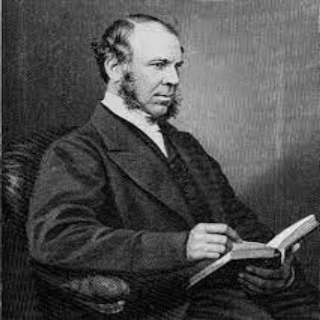 John Charles Ryle (May 10, 1816 - June 10, 1900) was an evangelical Anglican clergyman and first Bishop of Liverpool. He was renowned for his powerful preaching and extensive tracts.
Biography
Ryle was born on May 10th, 1816 at Park House, Macclesfield, the eldest son of John Ryle MP and Susannah Ryle. His family had made their money in the silk mills of the Industrial Revolution, and were prominent members of Cheshire society. Accordingly, Ryle was educated at Eton College and then Christ Church, Oxford, where he took a congratulatory First in Greats, and a Blue in cricket.
Conversion and ordination
Ryle's family were nominal Anglicans, and until his time as an undergraduate Ryle had a similar attitude to Christianity. However, as he was due to sit his final examinations, he became seriously ill with a chest infection, and was confined to his bed. During this time he began to pray and seriously read the Scriptures. However his conversion occurred when he attended an unknown church, and arriving late, he heard the reading Ephesians 2:8-9. The force of these words hit his heart, and from that point on he was assured of his salvation.
After leaving Oxford, he returned to Macclesfield to assist his father in business and with the assumption that he would inherit the estate. However in June 1841 Ryle Senior was bankrupted, and the family was left ruined, and forced to leave Macclesfield.
With his future now in tatters, Ryle was forced to look for a profession to sustain himself, and as a last resort, he offered himself for ministry in the Church of England. He was duly accepted and ordained in December 1841 by Bishop C.R. Summner of Winchester.
Parish ministry
Ryle's first charge was as curate of the hamlet of Exbury in Hampshire, an area of a rough but sparse agricultural population, and riddled with disease. After a difficult two years, he became unwell, and was forced to spend several months recuperating. In November 1843 he moved to become the rector of St Thomas', Winchester, where he made a reputation for himself as an energetic and thorough pastor. Over a period of six months the congregation grew to well over six hundred communicants, and the church was forced to consider alternative accommodation. However Ryle was offered the living of Helmingham, Suffolk, and it was to here that he moved in 1844, where he stayed until 1861. With a congregation of some two hundred, it was here that Ryle began to read widely amongst the Reformed theologians, and produce the writings that would make him famous. It was at Helmingham that he began his series of "Expository Thoughts on the Gospels", and started his tract-writing.
Though his time at Helmingham was extremely fruitful, Ryle quarreled with the squire John Tollemache, and by 1861 he felt the need to move on. His final parish incumbency was Stradbroke, also in Suffolk, and it was from here that Ryle became nationally famed for his firm preaching and staunch defense of evangelical principles, both from the study and the platform. He wrote several well-known books, mainly based on his tracts and sermons, and often addressing issues of contemporary relevance for the Church from a Biblical standpoint. Of these, perhaps the most enduring are "Holiness" and "Practical Religion", both still in print.
Episcopate
Ryle's uncompromising evangelicalism in the face of increasing liberal and Tractarian opposition gained him many admirers, and he was fast becoming one of the leading lights of the evangelical party. He was originally recommended for the post of Dean of Salisbury, but before he was appointed the out-going Conservative Prime Minister Benjamin Disraeli offered him the position of Bishop of the newly-created Diocese of Liverpool.
Ryle moved to Liverpool in 1880, and would stay until 1900. Despite his previous ministry experience having been almost exclusively exercised within a rural context, his plain speech and distinctive principles made him a favorite amongst Liverpool's largely working-class population. He proved an active bishop, encouraging the building of more churches and missions to reach out to the growing urban communities, and generally seeking to develop the new diocese as best he could.
In common with many late Victorian bishops, Ryle was increasingly forced to deal with the tensions caused by the developing Anglo-Catholic wing of the Church of England. Of particular note is the so-called "Bell Cox Case" of 1885. Bell Cox was vicar of St. Margaret's, and a committed Ritualist. His Catholic practices soon came to the attention of several prominent evangelicals in the city, and one of them, James Hakes of the Liverpool Church Association, brought a private prosecution against Bell Cox under the Public Worship and Regulation Act of
Despite Ryle's entreaties, Bell Cox refused to moderate his behavior, and thus the case proceeded to the Chancery Court of York, where Bell Cox was found guilty of contempt of court, and imprisoned for seventeen days. Ryle's behavior in particular was criticized for his failure to exercise his legal episcopal veto over the prosecution, and his apparent willingness to allow one of his clergy to be imprisoned over matters of worship. However, an examination of letters written by Ryle from the time suggest that Ryle was by no means a supporter of such practice, yet felt it wrong to come between the law and the defendant, particularly in the case of a private prosecution. In his speech to the Liverpool Diocesan conference the same year he openly declared the imprisonment of clergy over such matters as "barbarous", hardly a note of support.
Ryle's tenure as bishop in general is remarkable for his efforts to build churches and mission halls to reach the rapidly expanding urban areas of Liverpool. Though subsequent biographers have criticised this policy, owing to figures which suggest a general decline in church attendance,[[ Link title]] it perhaps says most about Ryle's heart as an evangelist; a desire for all to hear and respond to the Gospel.
Ryle served as Bishop until March 1900, where in his eighty-fourth year, a stroke and a general decline in health forced him to retire, despite his desire to die "in harness." He retired to Lowestoft, Suffolk, however passed away on 10th June 1900. He was interred in All Saint's, Childwall, next to his third wife, Henrietta.
Bio. Taken from Theopedia
John Charles Ryle (May 10, 1816 - June 10, 1900) was an evangelical Anglican clergyman and first Bishop of Liverpool. He was renowned for his powerful preaching and extensive tracts.
Biography
Ryle was born on May 10th, 1816 at Park House, Macclesfield, the eldest son of John Ryle MP and Susannah Ryle. His family had made their money in the silk mills of the Industrial Revolution, and were prominent members of Cheshire society. Accordingly, Ryle was educated at Eton College and then Christ Church, Oxford, where he took a congratulatory First in Greats, and a Blue in cricket.
Conversion and ordination
Ryle's family were nominal Anglicans, and until his time as an undergraduate Ryle had a similar attitude to Christianity. However, as he was due to sit his final examinations, he became seriously ill with a chest infection, and was confined to his bed. During this time he began to pray and seriously read the Scriptures. However his conversion occurred when he attended an unknown church, and arriving late, he heard the reading Ephesians 2:8-9. The force of these words hit his heart, and from that point on he was assured of his salvation.
After leaving Oxford, he returned to Macclesfield to assist his father in business and with the assumption that he would inherit the estate. However in June 1841 Ryle Senior was bankrupted, and the family was left ruined, and forced to leave Macclesfield.
With his future now in tatters, Ryle was forced to look for a profession to sustain himself, and as a last resort, he offered himself for ministry in the Church of England. He was duly accepted and ordained in December 1841 by Bishop C.R. Summner of Winchester.
Parish ministry
Ryle's first charge was as curate of the hamlet of Exbury in Hampshire, an area of a rough but sparse agricultural population, and riddled with disease. After a difficult two years, he became unwell, and was forced to spend several months recuperating. In November 1843 he moved to become the rector of St Thomas', Winchester, where he made a reputation for himself as an energetic and thorough pastor. Over a period of six months the congregation grew to well over six hundred communicants, and the church was forced to consider alternative accommodation. However Ryle was offered the living of Helmingham, Suffolk, and it was to here that he moved in 1844, where he stayed until 1861. With a congregation of some two hundred, it was here that Ryle began to read widely amongst the Reformed theologians, and produce the writings that would make him famous. It was at Helmingham that he began his series of "Expository Thoughts on the Gospels", and started his tract-writing.
Though his time at Helmingham was extremely fruitful, Ryle quarreled with the squire John Tollemache, and by 1861 he felt the need to move on. His final parish incumbency was Stradbroke, also in Suffolk, and it was from here that Ryle became nationally famed for his firm preaching and staunch defense of evangelical principles, both from the study and the platform. He wrote several well-known books, mainly based on his tracts and sermons, and often addressing issues of contemporary relevance for the Church from a Biblical standpoint. Of these, perhaps the most enduring are "Holiness" and "Practical Religion", both still in print.
Episcopate
Ryle's uncompromising evangelicalism in the face of increasing liberal and Tractarian opposition gained him many admirers, and he was fast becoming one of the leading lights of the evangelical party. He was originally recommended for the post of Dean of Salisbury, but before he was appointed the out-going Conservative Prime Minister Benjamin Disraeli offered him the position of Bishop of the newly-created Diocese of Liverpool.
Ryle moved to Liverpool in 1880, and would stay until 1900. Despite his previous ministry experience having been almost exclusively exercised within a rural context, his plain speech and distinctive principles made him a favorite amongst Liverpool's largely working-class population. He proved an active bishop, encouraging the building of more churches and missions to reach out to the growing urban communities, and generally seeking to develop the new diocese as best he could.
In common with many late Victorian bishops, Ryle was increasingly forced to deal with the tensions caused by the developing Anglo-Catholic wing of the Church of England. Of particular note is the so-called "Bell Cox Case" of 1885. Bell Cox was vicar of St. Margaret's, and a committed Ritualist. His Catholic practices soon came to the attention of several prominent evangelicals in the city, and one of them, James Hakes of the Liverpool Church Association, brought a private prosecution against Bell Cox under the Public Worship and Regulation Act of
Despite Ryle's entreaties, Bell Cox refused to moderate his behavior, and thus the case proceeded to the Chancery Court of York, where Bell Cox was found guilty of contempt of court, and imprisoned for seventeen days. Ryle's behavior in particular was criticized for his failure to exercise his legal episcopal veto over the prosecution, and his apparent willingness to allow one of his clergy to be imprisoned over matters of worship. However, an examination of letters written by Ryle from the time suggest that Ryle was by no means a supporter of such practice, yet felt it wrong to come between the law and the defendant, particularly in the case of a private prosecution. In his speech to the Liverpool Diocesan conference the same year he openly declared the imprisonment of clergy over such matters as "barbarous", hardly a note of support.
Ryle's tenure as bishop in general is remarkable for his efforts to build churches and mission halls to reach the rapidly expanding urban areas of Liverpool. Though subsequent biographers have criticised this policy, owing to figures which suggest a general decline in church attendance,[[ Link title]] it perhaps says most about Ryle's heart as an evangelist; a desire for all to hear and respond to the Gospel.
Ryle served as Bishop until March 1900, where in his eighty-fourth year, a stroke and a general decline in health forced him to retire, despite his desire to die "in harness." He retired to Lowestoft, Suffolk, however passed away on 10th June 1900. He was interred in All Saint's, Childwall, next to his third wife, Henrietta.
Bio. Taken from Theopedia



.mobi-160.webp)
-160.webp)