
Others like effortless change Features >>


About the Book
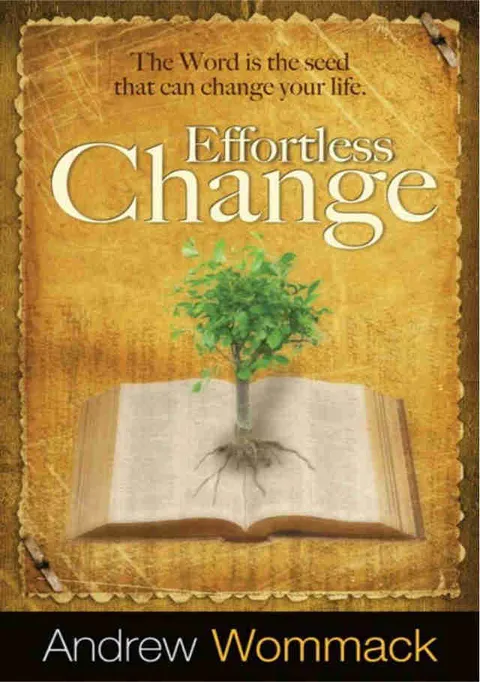
"Effortless Change" focuses on how individuals can overcome negative patterns and habits by relying on God's grace and understanding their true identity in Christ. It teaches readers how to renew their minds and experience lasting transformation without relying solely on their own efforts. The book emphasizes the power of God's love and grace to bring about effortless change in people's lives.
Warren Wiersbe
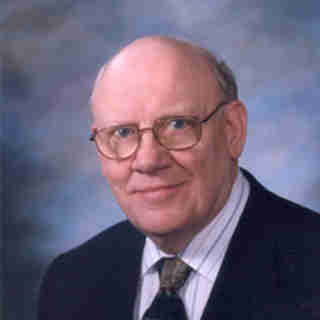 Dr. Warren Wiersbe once described Heaven as “not only a destination, but also a motivation. When you and I are truly motivated by the promise of eternity with God in heaven, it makes a difference in our lives.”
For Wiersbe, the promise of eternity became the motivation for his long ministry as a pastor, author, and radio speaker. Beloved for his biblical insight and practical teaching, he was called “one of the greatest Bible expositors of our generation” by the late Billy Graham.
Warren W. Wiersbe died on May 2, 2019, in Lincoln, Nebraska, just a few weeks shy of his 90th birthday.
“He was a longtime, cherished friend of Moody Bible Institute, a faithful servant of the Word, and a pastor to younger pastors like me,” said Dr. Mark Jobe, president of Moody Bible Institute. “We are lifting up pastor Wiersbe’s family in prayer at this time and rejoicing in the blessed hope that believers share together.”
Wiersbe grew up in East Chicago, Indiana, a town known for its steel mills and hard-working blue-collar families. In his autobiography, he connected some of his earliest childhood memories to Moody Bible Institute; his home church pastor was a 1937 graduate, Dr. William H. Taylor. After volunteering to usher at a 1945 Youth for Christ rally, Wiersbe found himself listening with rapt attention to Billy Graham’s sermon, and responded with a personal prayer of dedication.
In a precocious turn of events, the young Wiersbe was already a published author, having written a book of card tricks for the L. L. Ireland Magic Co. of Chicago. He quickly learned to liven up Sunday school lessons with magic tricks as object lessons (“not the cards!” he would say). After his high school graduation in 1947 (he was valedictorian), he spent a year at Indiana University before transferring to Northern Baptist Seminary in Chicago, where he earned a bachelor of theology degree. His future wife, Betty, worked in the school library, and Wiersbe was a frequent visitor.
While in seminary he became pastor of Central Baptist Church in East Chicago, serving until 1957. During those years he became a popular YFC speaker, which led to a full-time position with Youth for Christ International in Wheaton. He published his first article for Moody Monthly magazine in 1956, about Bible study methods, and seemed to outline his ongoing writing philosophy. “This is more of a personal testimony,” he said, “because I want to share these blessings with you, rather than write some scholarly essay, which I am sure I could not do anyway.”
At a 1957 YFC convention in Winona Lake, Indiana, Wiersbe preached a sermon that was broadcast live over WMBI, his first connection to Moody Radio. “I wish every preacher could have at least six months’ experience as a radio preacher,” he said later (because they would preach shorter).
While working with Youth for Christ, Wiersbe got a call from Pete Gunther at Moody Publishers, asking about possible book projects. First came Byways of Blessing (1961), an adult devotional; then two more books in 1962, A Guidebook for Teens and Teens Triumphant. He would eventually publish 14 titles with Moody, including William Culbertson: A Man of God (1974), Live Like a King (1976), The Annotated Pilgrim’s Progress (1980), and Ministering to the Mourning (2006), written with his son, David Wiersbe.
In 1961, D. B. Eastep invited Wiersbe to join the staff of Calvary Baptist Church in Covington, Kentucky. forming a succession plan that was hastened by Eastep’s sudden death in 1962. Warren and Betty Wiersbe remained at the church for 10 years, until they were surprised by a phone call from The Moody Church. The pastor, Dr. George Sweeting, had just resigned to become president of Moody Bible Institute. Would Wiersbe fill the pulpit, and pray about becoming a candidate?
He was already well known to the Chicago church—and to the MBI community. He continued to write for Moody Monthly and had just started a new column, “Insights for the Pastor.” The monthly feature continued to run during the years Wiersbe served at The Moody Church. Wiersbe would become one of the magazine’s most prolific writers—200 articles during a 40-year span. Meanwhile he also started work on the BE series of exegetical commentaries, books that soon found a place on the shelf of every evangelical pastor.
His ministry to pastors continued as he spoke at Moody Founder’s Week, Pastors’ Conference, and numerous campus events. He also inherited George Sweeting’s role as host of the popular Songs in the Night radio broadcast, produced by Moody Radio’s Bob Neff and distributed on Moody’s growing network of radio stations.
Later in life he would move to Lincoln, Nebraska, where he served as host of the Back to the Bible radio broadcast. He also taught courses on preaching at Trinity Evangelical Divinity School and Grand Rapids Baptist Seminary. He kept writing, eventually publishing more than 150 books and losing track of how many (“I can’t remember them all, and I didn’t save copies of everything,” he said.)
Throughout his ministry, Warren Wiersbe described himself as a bridge builder, a reference to his homiletical method of moving “from the world of the Bible to the world of today so that we could get to the other side of glory in Jesus.” As explained by his grandson, Dan Jacobson, “His preferred tools were words, his blueprints were the Scriptures, and his workspace was a self-assembled library.”
Several of Wiersbe’s extended family are Moody alums, including a son, David Wiersbe ’76; grandson Dan Jacobsen ’09 and his wife, Kristin (Shirk) Jacobsen ’09; and great-nephew Ryan Smith, a current student.
During his long ministry and writing career, Warren Wiersbe covered pretty much every topic, including the inevitability of death. These words from Ministering to the Mourning offer a fitting tribute to his own ministry:
We who are in Christ know that if He returns before our time comes to die, we shall be privileged to follow Him home. God’s people are always encouraged by that blessed hope. Yet we must still live each day soberly, realizing that we are mortal and that death may come to us at any time. We pray, “Teach us to number our days aright, that we may gain a heart of wisdom” (Psalm 90:12).
Dr. Warren Wiersbe once described Heaven as “not only a destination, but also a motivation. When you and I are truly motivated by the promise of eternity with God in heaven, it makes a difference in our lives.”
For Wiersbe, the promise of eternity became the motivation for his long ministry as a pastor, author, and radio speaker. Beloved for his biblical insight and practical teaching, he was called “one of the greatest Bible expositors of our generation” by the late Billy Graham.
Warren W. Wiersbe died on May 2, 2019, in Lincoln, Nebraska, just a few weeks shy of his 90th birthday.
“He was a longtime, cherished friend of Moody Bible Institute, a faithful servant of the Word, and a pastor to younger pastors like me,” said Dr. Mark Jobe, president of Moody Bible Institute. “We are lifting up pastor Wiersbe’s family in prayer at this time and rejoicing in the blessed hope that believers share together.”
Wiersbe grew up in East Chicago, Indiana, a town known for its steel mills and hard-working blue-collar families. In his autobiography, he connected some of his earliest childhood memories to Moody Bible Institute; his home church pastor was a 1937 graduate, Dr. William H. Taylor. After volunteering to usher at a 1945 Youth for Christ rally, Wiersbe found himself listening with rapt attention to Billy Graham’s sermon, and responded with a personal prayer of dedication.
In a precocious turn of events, the young Wiersbe was already a published author, having written a book of card tricks for the L. L. Ireland Magic Co. of Chicago. He quickly learned to liven up Sunday school lessons with magic tricks as object lessons (“not the cards!” he would say). After his high school graduation in 1947 (he was valedictorian), he spent a year at Indiana University before transferring to Northern Baptist Seminary in Chicago, where he earned a bachelor of theology degree. His future wife, Betty, worked in the school library, and Wiersbe was a frequent visitor.
While in seminary he became pastor of Central Baptist Church in East Chicago, serving until 1957. During those years he became a popular YFC speaker, which led to a full-time position with Youth for Christ International in Wheaton. He published his first article for Moody Monthly magazine in 1956, about Bible study methods, and seemed to outline his ongoing writing philosophy. “This is more of a personal testimony,” he said, “because I want to share these blessings with you, rather than write some scholarly essay, which I am sure I could not do anyway.”
At a 1957 YFC convention in Winona Lake, Indiana, Wiersbe preached a sermon that was broadcast live over WMBI, his first connection to Moody Radio. “I wish every preacher could have at least six months’ experience as a radio preacher,” he said later (because they would preach shorter).
While working with Youth for Christ, Wiersbe got a call from Pete Gunther at Moody Publishers, asking about possible book projects. First came Byways of Blessing (1961), an adult devotional; then two more books in 1962, A Guidebook for Teens and Teens Triumphant. He would eventually publish 14 titles with Moody, including William Culbertson: A Man of God (1974), Live Like a King (1976), The Annotated Pilgrim’s Progress (1980), and Ministering to the Mourning (2006), written with his son, David Wiersbe.
In 1961, D. B. Eastep invited Wiersbe to join the staff of Calvary Baptist Church in Covington, Kentucky. forming a succession plan that was hastened by Eastep’s sudden death in 1962. Warren and Betty Wiersbe remained at the church for 10 years, until they were surprised by a phone call from The Moody Church. The pastor, Dr. George Sweeting, had just resigned to become president of Moody Bible Institute. Would Wiersbe fill the pulpit, and pray about becoming a candidate?
He was already well known to the Chicago church—and to the MBI community. He continued to write for Moody Monthly and had just started a new column, “Insights for the Pastor.” The monthly feature continued to run during the years Wiersbe served at The Moody Church. Wiersbe would become one of the magazine’s most prolific writers—200 articles during a 40-year span. Meanwhile he also started work on the BE series of exegetical commentaries, books that soon found a place on the shelf of every evangelical pastor.
His ministry to pastors continued as he spoke at Moody Founder’s Week, Pastors’ Conference, and numerous campus events. He also inherited George Sweeting’s role as host of the popular Songs in the Night radio broadcast, produced by Moody Radio’s Bob Neff and distributed on Moody’s growing network of radio stations.
Later in life he would move to Lincoln, Nebraska, where he served as host of the Back to the Bible radio broadcast. He also taught courses on preaching at Trinity Evangelical Divinity School and Grand Rapids Baptist Seminary. He kept writing, eventually publishing more than 150 books and losing track of how many (“I can’t remember them all, and I didn’t save copies of everything,” he said.)
Throughout his ministry, Warren Wiersbe described himself as a bridge builder, a reference to his homiletical method of moving “from the world of the Bible to the world of today so that we could get to the other side of glory in Jesus.” As explained by his grandson, Dan Jacobson, “His preferred tools were words, his blueprints were the Scriptures, and his workspace was a self-assembled library.”
Several of Wiersbe’s extended family are Moody alums, including a son, David Wiersbe ’76; grandson Dan Jacobsen ’09 and his wife, Kristin (Shirk) Jacobsen ’09; and great-nephew Ryan Smith, a current student.
During his long ministry and writing career, Warren Wiersbe covered pretty much every topic, including the inevitability of death. These words from Ministering to the Mourning offer a fitting tribute to his own ministry:
We who are in Christ know that if He returns before our time comes to die, we shall be privileged to follow Him home. God’s people are always encouraged by that blessed hope. Yet we must still live each day soberly, realizing that we are mortal and that death may come to us at any time. We pray, “Teach us to number our days aright, that we may gain a heart of wisdom” (Psalm 90:12).
A Great Marriage-Wrecking Lie
I met my aunt Margaret for the first time when I was ten. She was in a wheelchair in the middle of the front room, drooling uncontrollably, unaware of my presence, incontinent, and unable to take care of herself. And yet my uncle Gale cared for her, and he did so tenderly. They were high school sweethearts, but now she was dying of brain cancer after only fifteen years together. My uncle didn’t abandon her. He didn’t get a mistress. No, he had publicly vowed, “in sickness and in health, till death do us part” — and he was faithful to his word. A few years later, she died. This is a biblical picture of marriage: joy through servanthood, faithfulness, and self-denial. But times have changed. Our societal expectations for marriage have gone through a radical transformation, and those changes have affected many in the church. Changing Expectations One commentator describes the transformation this way: “The old attitude was that one must work for the marriage. The new attitude is that the marriage had better work for me” (Jonah Goldberg, Suicide of the West, 267). My uncle worked for his marriage. He was willing to forgo short-term pleasure for the sake of his wife, his children, and the glory of God. He believed that keeping his marriage vows would enhance his joy in this life and in the world to come. But those who expect marriage to “work for me” often assume that “God just wants me to be happy” in the thin and predictable ways. Their focus is on me and my immediate needs. They will most likely bail when any significant, protracted marital trouble comes. Here is how University of Virginia sociologist W. Bradford Wilcox sums up our new marital expectations: Prior to the late 1960s, Americans were more likely to look at marriage and family through the prisms of duty, obligation, and sacrifice. . . . But the psychological revolution’s focus on individual fulfillment and personal growth changed all that. Increasingly, marriage was seen as a vehicle for a self-oriented ethic of romance, intimacy, and fulfillment. In this new psychological approach to married life, one’s primary obligation was not to one’s family but to oneself; hence, marital success was defined not by successfully meeting obligations to one’s spouse and children but by a strong sense of subjective happiness in marriage — usually to be found in and through an intense, emotional relationship with one’s spouse. The 1970s marked the period when, for many Americans, a more institutional model of marriage gave way to the “soul-mate model” of marriage. Professor Wilcox’s “soul-mate model” is a fruit of expressive individualism. The assumptions behind this model are a moral solvent, dissolving the covenant bond of marriage. At its center is a potent, marriage-wrecking lie: God just wants me to be happy — and that is “happiness” as I choose to define it. Couples have used this lie to justify abortion, divorce, adultery, abandonment, and all kinds of selfishness. “God wants couples to pursue a greater long-term marital happiness through Christlike self-denial.” The problem with this lie is that it twists an important truth. God does want us to be happy, but he defines the terms, and immediate happiness is not God’s primary goal. God wants couples to pursue a greater long-term marital happiness through Christlike self-denial. God expects us to deny self — to defer immediate marital gratification — in order to experience greater long-term happiness. There are times in marriage when such self-denial takes great faith. Beneath the Lie This lie is a deeply rooted cultural assumption, and assumptions can be difficult to address because they are often subconscious. They seep into us through television, movies, literature, media, music, and our educational system. For instance, one way they rise to the surface and become visible is through consumer advertising. Ad agencies get paid to identify the assumptions that motivate us. Here are some examples — each, if internalized a certain way, could be devastating to a marriage: Outback Steakhouse invites us to eat at their restaurants because there are “No rules. Just right.” McDonalds tells us to buy French fries because “You deserve a break today.” Reebok urges us to buy their running shoes “Because you’re worth it.” And Nike, throwing all restraint to the wind, urges us to “Just do it!” The assumptions expressed by the mind of Christ, however, are strikingly different. Do we “deserve a break today”? Are we really “worth it”? And above all, should we give into sinful passion and “just do it”? No, we live by a deeper logic that counters the selfishness and presumption of the world around us: the logic of the cross. We deserved eternal death, but Christ humbled himself and died so that we might experience the full and abundant life. “Jesus found joy through self-denial, and so will husbands and wives.” The deepest marital happiness comes through self-denial, humility, unselfishness, patience, kindness, and the crucifixion of our me mentality. Ultimately, the wise Christian couple pursuing a happy, God-glorifying union will model their marriage on Christ and him crucified. Jesus found joy through self-denial (Hebrews 12:2), and so will husbands and wives. Deny Yourself for Her Again and again, Scripture gives us glimpses into the mind of Christ. After predicting his death and resurrection, Jesus turns to his disciples and says, If anyone would come after me, let him deny himself and take up his cross and follow me. For whoever would save his life will lose it, but whoever loses his life for my sake will find it. (Matthew 16:24–25) “Take up a cross? Are you kidding?” The cross was an instrument of torture, death, suffering, and shame. But Jesus urges us to save our lives by doing just that — taking up our cross. We save our marriages through denying ourselves — making our spouse’s happiness as important as our own. We apply the principle of the cross. We do this with the conviction that happiness deferred in patient obedience to God is much greater than happiness immediately gratified. Whoever would be great among you must be your servant, and whoever would be first among you must be your slave, even as the Son of Man came not to be served but to serve, and to give his life as a ransom for many. (Matthew 20:26–28) Happy, fruitful marriages do not think mainly in terms of rights. They think from the mind of Christ. Jesus died to his rights to give us ours before God. Husbands and wives who follow him do the same. Do nothing from selfishness or vain conceit, but in humility consider others more significant [or important] than yourself. (Philippians 2:3) The closest “other” in your life is your spouse — the person that sleeps with you, eats with you, worships with you, and raises your children with you. Applying this principle gets really practical. The Lie’s Fruit As the lie proliferates in North America and beyond, the fruits are painfully obvious. Self-denial is an indispensable part of the glue that makes the marital covenant work. Without a willingness to deny self, people are less willing to marry, or they don’t stay married. In 1970, about 70 percent of Americans over age 18 were married. Today, for the first time in U.S. history, that number is 50 percent and falling. “Marriage isn’t changing,” notes sociologist Mark Regnerus. “It’s receding. In an era of increasing options, technology, gender equality, ‘cheap’ sex, and secularization, fewer people — including fewer practicing Christians — actually want what marriage is. That’s the bottom line.” Collapsing marriage also means collapsing fertility. We are not producing enough children to replace ourselves. Were it not for immigration, the population in North America would be shrinking. Thankfully, fertility rates in the evangelical church are better than the national average. Rejecting the Lie What can we do to reject the lie? We can start with the assumption that we don’t deserve to be happy. As we have already noted, the cross shows each of us what we deserve — death, and that is the bottom line. Therefore, no matter how bad our marital circumstances, we are always getting better than we deserve. Those who believe this can continually thank God for his kindness, in spite of their marital problems. We can also reject the lie by believing that holy people are happy people, and marriage is one of God’s primary tools to produce personal holiness. “To be holy as he is holy,” notes Bruce Milne, “is the prescription for true and endless happiness. To be holy is to be happy . . . there is no joy like that of holiness” (The Message of Heaven and Hell, 52). I have found it helpful to think of marriage as a spiritual gymnasium in which I strengthen personal holiness. Marriage toughens the muscle of forgiveness. It strengthens the willingness to love an enemy. It enhances the ability to humble myself and receive criticism. Marriage also teaches the crucial words, “I’m sorry. Would you please forgive me?” In the marital gym, I also strengthen the crucial muscle of perseverance. Most marriages face a moment when the couple would like to call it quits but, if they persevere, almost always later admit that would have been a mistake. Focus on the Family once did a study of couples who persevered through the desire to divorce, only to find that five years later, most of those who persevered now described themselves as happy in their marriage. Persevering when the going gets tough requires self-denial, but it often solves many lesser problems. Two Slaves Become One Ambrose Bierce, a nineteenth-century short-story writer, not known for being a Christian, nevertheless summed up marriage with these insightful words: “Marriage is a community consisting of a master, a mistress, and two slaves, making in all, one person.” My insightful wife sums up the mind of Christ in marriage this way: “Every fruitful, happy marriage begins with two funerals.” This is how the mind of Christ thinks. It thinks like my uncle Gale. Reject the lie that immediate happiness is the goal. Yes, God does want us to be happy, but the deepest, most lasting happiness comes only to those who deny themselves and take up their cross daily. They serve unselfishly, consider their spouse more significant than themselves, persevere through marital troubles, practice forgiveness, and grow in humility. These are the marriages that maximize long-term happiness, and in such a way that God gets the glory. Article by William Farley