
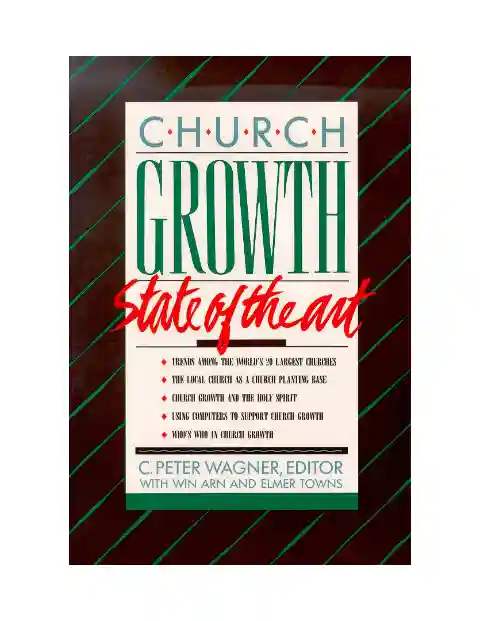

Church Growth: State Of The Art Order Printed Copy
- Author: C. Peter Wagner
- Size: 1.22MB | 204 pages
- |
Others like church growth: state of the art Features >>
He Came To Set The Captives Free
Seeking Allah, Finding Jesus
The Case For The Resurrection Of Jesus
Join This Chariot
Taking Action
Beyond Opinion: Living The Faith We Defend
What Jesus Started: Joining The Movement
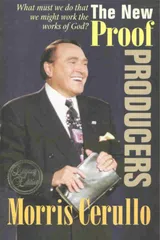
The New Proof Producers
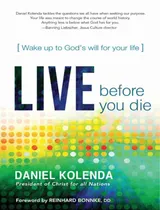
Live Before You Die
-160.webp)
Out Of Commission (Getting Every Christian Back To The Great Commission)
About the Book
"Church Growth: State of the Art" by C. Peter Wagner provides a comprehensive overview of current strategies and trends in church growth. The book covers various aspects of church growth, such as leadership development, evangelism, and the role of technology in expanding congregations. Wagner offers practical insights and suggestions for pastors and church leaders looking to increase the size and impact of their church.
Steven Curtis Chapman
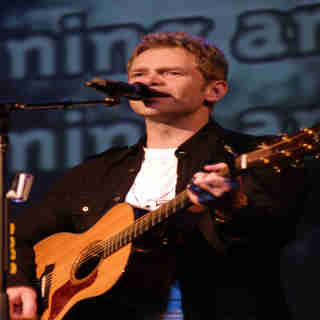 Steven Curtis Chapman is an American Christian musician, singer, song writer, record producer, actor, author and social activist. He is the only artist in the history of music to have won 56 Gospel Music Association Dove Awards and is also a proud receiver of 5 Grammy Awards. His music is known for being a unique cross between country music, soft rock and orchestrated pop, which made him a prominent artist in the contemporary Christian music circuit of the 1980s. Chapman grew up in a humble environment where he found his calling for music, owing to his father’s inclination towards country music. He learnt to play instruments like guitar and piano just by hanging around in his father’s music store, listening to him play along with his friends. He took up music seriously when he moved to Nashville and got recognized by Sparrow Records, a company he stayed with for a long period in his career. He has released 19 studio albums and has sold over 10 million albums until now. Chapman is a family oriented person just like his father and has a big family comprising of his wife Mary Beth and 3 biological and 2 adopted children. He is a vocal advocate for adoption and has worked socially to eradicate the problem of youth violence.
Childhood & Early Life
Steven Curtis Chapman was born on November 21, 1962 in Paducah, Kentucky, to Herb and Judy Chapman. His father was a country singer and songwriter, who turned down opportunities to become a successful singer to concentrate on his family. His mother was a stay-at-home mom.
His father owned a music store, a business he managed from his basement and used to play music with his friends. Such creative environment at home influenced Chapman’s life from very early on and he bought his first guitar at 6.
Chapman joined as a pre-med student at Georgetown College in Kentucky but after few semesters he moved to Anderson College, Indiana. But he ultimately dropped the idea of studying and went to Nashville to pursue his first love, music.
During 1980s, he wrote a song ‘Built to Last’, which gained huge popularity after getting recorded by a gospel group ‘The Imperials’. The success of the song fetched Chapman a songwriting deal with Sparrow Records.
Career
Chapman’s first official album ‘First Hand’ was released in 1987. The album was an instant hit with singles like ‘Weak Days’ and topped at number 2 on the Contemporary Christian Music chart. The album had a mix of country music with soft rock and pop.
In 1988, following the success of his first album, Chapman released ‘Real Life Conversations’. Its hit single ‘His Eyes’ received the ‘Contemporary Recorded Song of the Year’ award from the ‘Gospel Music Association’. He co-wrote it with James Isaac Elliot.
After a few years, he made a swift turn to mainstream music with his album ‘The Great Adventure’ in 1992. It earned him two Grammy awards for the album and for the title song of the album.
After gaining consistent success with albums like ‘Heaven in the Real World (1994), ‘Signs of Life (1996) and ‘Speechless (1999), Chapman’s next great album ‘Declaration’ came out in 2001, for which he toured 70 cities.
In 2003, ‘All About Love’ was released and it ranked at Top 15 on the Christian Music charts. It was released under Sparrow Records and Chapman very humbly credited his wife Mary Beth for being the inspiration for his album.
‘All Things New’ was released in 2004 and the album added another Grammy to Chapman’s proud award collection. This time he received it in the category of Best Pop/Contemporary Gospel Album. It was also nominated for the Dove Award.
In 2005, ‘All I Really Want for Christmas’ was released, which was Chapman’s another successful Christmas album after ‘The Music of Christmas’. It had traditional holiday tunes and favorites like ‘Go Tell It on the Mountain’ and Silver Bells’.
Chapman took his music to greater levels by taking his concert to South Korea for the U.S. troops who were serving there in 2006. It was the first Christian concert that ever performed for the American army in that country.
In 2007, he released ‘This Moment’ which included hit singles like ‘Cinderella’, for which he was chosen for WOW Hits 2009. He also went on his ‘Winter Jam’ tour and took his sons’, Caleb and Will’s band along.
‘Beauty Will Rise’, Chapman’s seventeenth album, was released in 2009. It is said that he wrote the songs of the album after getting inspired by his daughter Maria Sue’s sad and untimely demise. It included songs like ‘Meant to Be’ and ‘Re:creation’.
In 2012, Chapman finally parted ways with Sparrow Records, the record company that he remained loyal to for so many years. He was signed on by Sony’s Provident Label Group and came out with a Christmas album called ‘JOY’.
‘The Glorious Unfolding’ was released in 2013 under Reunion Records and it peaked on number 27 on the Billboard 200 and was number 1 Top Christian Album. The album was produced by Chapman himself and Brent Milligan.
Major Works
Chapman’s ‘The Great Adventure’ in 1992 was a turning point in his musical career because until now he was making soft and contemporary country music but with ‘The Great Adventure’ he targeted the mainstream audience and tasted huge commercial success for the first time.
Awards & Achievements
Chapman is the winner of five Grammy awards for albums like ‘For the Sake of the Call’ ‘The Great Adventure’ ‘The Live Adventure’, ‘Speechless’ and ‘All Things New’. He has also received 56 Gospel Music Association Dove Awards, more than any other artist.
Personal Life & Legacy
Chapman got married to Mary Beth in 1984 after they first met at Anderson University in Indiana. They have three biological children: Emily, Caleb and Will and three adopted children: Shaohannah, Stevey and Maria, together.
In 2008, Chapman’s youngest son Will ran over his car by accident on his adopted daughter Maria Sue Chunxi Chapman. She was running towards him to meet him but he did not see her and she was pronounced dead on arrival at the hospital.
Trivia
Chapman’s wife Mary Beth Chapman has written and released a book about losing her youngest daughter called ‘Choosing to SEE: A Journey of Struggle and Hope’.
Chapman and his wife have written three children's books with adoption themes: ‘Shaoey And Dot: Bug Meets Bundle’ (2004), ‘Shaoey and Dot: The Christmas Miracle’ (2005), and ‘Shaoey and Dot: A Thunder and Lightning Bug Story’ (2006).
He has received an Honorary Doctorate of Music from Anderson University.
Steven Curtis Chapman is an American Christian musician, singer, song writer, record producer, actor, author and social activist. He is the only artist in the history of music to have won 56 Gospel Music Association Dove Awards and is also a proud receiver of 5 Grammy Awards. His music is known for being a unique cross between country music, soft rock and orchestrated pop, which made him a prominent artist in the contemporary Christian music circuit of the 1980s. Chapman grew up in a humble environment where he found his calling for music, owing to his father’s inclination towards country music. He learnt to play instruments like guitar and piano just by hanging around in his father’s music store, listening to him play along with his friends. He took up music seriously when he moved to Nashville and got recognized by Sparrow Records, a company he stayed with for a long period in his career. He has released 19 studio albums and has sold over 10 million albums until now. Chapman is a family oriented person just like his father and has a big family comprising of his wife Mary Beth and 3 biological and 2 adopted children. He is a vocal advocate for adoption and has worked socially to eradicate the problem of youth violence.
Childhood & Early Life
Steven Curtis Chapman was born on November 21, 1962 in Paducah, Kentucky, to Herb and Judy Chapman. His father was a country singer and songwriter, who turned down opportunities to become a successful singer to concentrate on his family. His mother was a stay-at-home mom.
His father owned a music store, a business he managed from his basement and used to play music with his friends. Such creative environment at home influenced Chapman’s life from very early on and he bought his first guitar at 6.
Chapman joined as a pre-med student at Georgetown College in Kentucky but after few semesters he moved to Anderson College, Indiana. But he ultimately dropped the idea of studying and went to Nashville to pursue his first love, music.
During 1980s, he wrote a song ‘Built to Last’, which gained huge popularity after getting recorded by a gospel group ‘The Imperials’. The success of the song fetched Chapman a songwriting deal with Sparrow Records.
Career
Chapman’s first official album ‘First Hand’ was released in 1987. The album was an instant hit with singles like ‘Weak Days’ and topped at number 2 on the Contemporary Christian Music chart. The album had a mix of country music with soft rock and pop.
In 1988, following the success of his first album, Chapman released ‘Real Life Conversations’. Its hit single ‘His Eyes’ received the ‘Contemporary Recorded Song of the Year’ award from the ‘Gospel Music Association’. He co-wrote it with James Isaac Elliot.
After a few years, he made a swift turn to mainstream music with his album ‘The Great Adventure’ in 1992. It earned him two Grammy awards for the album and for the title song of the album.
After gaining consistent success with albums like ‘Heaven in the Real World (1994), ‘Signs of Life (1996) and ‘Speechless (1999), Chapman’s next great album ‘Declaration’ came out in 2001, for which he toured 70 cities.
In 2003, ‘All About Love’ was released and it ranked at Top 15 on the Christian Music charts. It was released under Sparrow Records and Chapman very humbly credited his wife Mary Beth for being the inspiration for his album.
‘All Things New’ was released in 2004 and the album added another Grammy to Chapman’s proud award collection. This time he received it in the category of Best Pop/Contemporary Gospel Album. It was also nominated for the Dove Award.
In 2005, ‘All I Really Want for Christmas’ was released, which was Chapman’s another successful Christmas album after ‘The Music of Christmas’. It had traditional holiday tunes and favorites like ‘Go Tell It on the Mountain’ and Silver Bells’.
Chapman took his music to greater levels by taking his concert to South Korea for the U.S. troops who were serving there in 2006. It was the first Christian concert that ever performed for the American army in that country.
In 2007, he released ‘This Moment’ which included hit singles like ‘Cinderella’, for which he was chosen for WOW Hits 2009. He also went on his ‘Winter Jam’ tour and took his sons’, Caleb and Will’s band along.
‘Beauty Will Rise’, Chapman’s seventeenth album, was released in 2009. It is said that he wrote the songs of the album after getting inspired by his daughter Maria Sue’s sad and untimely demise. It included songs like ‘Meant to Be’ and ‘Re:creation’.
In 2012, Chapman finally parted ways with Sparrow Records, the record company that he remained loyal to for so many years. He was signed on by Sony’s Provident Label Group and came out with a Christmas album called ‘JOY’.
‘The Glorious Unfolding’ was released in 2013 under Reunion Records and it peaked on number 27 on the Billboard 200 and was number 1 Top Christian Album. The album was produced by Chapman himself and Brent Milligan.
Major Works
Chapman’s ‘The Great Adventure’ in 1992 was a turning point in his musical career because until now he was making soft and contemporary country music but with ‘The Great Adventure’ he targeted the mainstream audience and tasted huge commercial success for the first time.
Awards & Achievements
Chapman is the winner of five Grammy awards for albums like ‘For the Sake of the Call’ ‘The Great Adventure’ ‘The Live Adventure’, ‘Speechless’ and ‘All Things New’. He has also received 56 Gospel Music Association Dove Awards, more than any other artist.
Personal Life & Legacy
Chapman got married to Mary Beth in 1984 after they first met at Anderson University in Indiana. They have three biological children: Emily, Caleb and Will and three adopted children: Shaohannah, Stevey and Maria, together.
In 2008, Chapman’s youngest son Will ran over his car by accident on his adopted daughter Maria Sue Chunxi Chapman. She was running towards him to meet him but he did not see her and she was pronounced dead on arrival at the hospital.
Trivia
Chapman’s wife Mary Beth Chapman has written and released a book about losing her youngest daughter called ‘Choosing to SEE: A Journey of Struggle and Hope’.
Chapman and his wife have written three children's books with adoption themes: ‘Shaoey And Dot: Bug Meets Bundle’ (2004), ‘Shaoey and Dot: The Christmas Miracle’ (2005), and ‘Shaoey and Dot: A Thunder and Lightning Bug Story’ (2006).
He has received an Honorary Doctorate of Music from Anderson University.
His Delight Is Not in Your Strength
We discover where we really find our strength not when we feel strong, but when we feel weak. Exhaustion and frustration have a way of blowing away the fog, revealing what’s really happening inside of us: Have we been leaning on God for all that we need, or have we made his help, his strength, his guidance a kind of last resort? Many of us are more self-reliant than we would admit, and self-reliance is far more dangerous than it sounds. The widespread delusion, especially among more secular people, is that I can do anything, if I am willing to work hard. I am stronger than I think, strong enough to do anything I want to do in the world. The reality, however, is that the vast majority of us are weaker than we realize — and yet love to think ourselves strong. And that false sense of strength not only intensifies our arrogance and our ineffectiveness, but it also offends our God. His delight is not in the strength of the horse, nor his pleasure in the legs of a man, but the Lord takes pleasure in those who fear him, in those who hope in his steadfast love. (Psalm 147:10–11) Our delight is often in the strength of our legs — our work ethic, our perseverance, our cleverness, our strategies. And that temptation touches every part of life — at work, in ministry, at home — because every part of life in a fallen world requires strength. But God is not pleased by all that we can do — unless we do all that we do in his strength, and not our own. Rejoice in All He Can Do One way to combat a sinful sense of self-sufficiency is to meditate on all that only God can do — all that he can do, that we cannot. Psalm 147 models how to expose and unravel the lies of pride with the strength and authority of God. The psalm says that God alone places each cloud in the sky (Psalm 147:8). He chooses when, where, and how much rain will fall, and he tends every millimeter of every blade of grass. God alone crafts every snowflake that falls, fashions every inch of frost, and decides just how cold it will be (Psalm 147:16–17). Every aspect of our winters is scripted and conducted by him, including precisely when they end (Psalm 147:18). God alone feeds the elephants, the sharks, the squirrels, and even the ants (Psalm 147:9). When newborn birds whimper in hunger, he hears each faint cry. God alone can count every star in the universe (Psalm 147:4) — and not only count them, but decide their number and give them each a name. God alone heals the wounds of the brokenhearted (Psalm 147:3). Very few are ever tempted to think we ourselves could bring rain, make snow, or count the stars, but we might be tempted to think we could heal a broken heart. We might imagine we could compensate for someone’s loss, or talk someone out of despair, or save someone’s marriage. But Psalm 147 says that God is the healing one. God alone makes peace (Psalm 147:14). We cannot achieve real peace — in families or friendships, in a church or a nation — unless God quiets the conflict and awakens harmony. If we think we can achieve peace without God, we have not understood peace, or God. “Great is our Lord, and abundant in power; his understanding is beyond measure” (Psalm 147:5). Our power is small and often failing, but his power is abundant and never exhausted. Our understanding is extremely limited and often flawed, but his understanding is universal and inscrutable. Why would we ever rely on ourselves? Embrace How Little You Can Do Yet we do rely on ourselves. We slip into habits of living, and working, and serving that don’t require him, and sometimes that barely even acknowledge him. Jeremiah’s warning is as sobering in our day as it was in his: “Thus says the Lord: ‘Cursed is the man who trusts in man and makes flesh his strength, whose heart turns away from the Lord’” (Jeremiah 17:5). The man who deep down trusts in himself cannot help but slowly walk away from God. We fight sinful self-sufficiency by glorying in all that God can do, and we fight by learning to embrace just how little we can do apart from him. Jesus says to his disciples, “I am the vine; you are the branches. Whoever abides in me and I in him, he it is that bears much fruit, for apart from me you can do nothing” (John 15:5). Many of us can recite the phrase, and still quietly suspect that he’s really exaggerating. We know we can do something on our own. And if we won’t admit it, our prayer lives betray us. The humble are strong precisely because they know how weak they truly are — and how strong God will be for them. They sing, “My flesh and my heart may fail, but God is the strength of my heart and my portion forever” (Psalm 73:26). They exhort one another, “Finally, be strong in the Lord and in the strength of his might” (Ephesians 6:10). They serve “by the strength that God supplies — in order that in everything God may be glorified through Jesus Christ” (1 Peter 4:11). The humble have experienced what Isaiah promised: “He gives power to the faint, and to him who has no might he increases strength. . . . They who wait for the Lord shall renew their strength; they shall mount up with wings like eagles; they shall run and not be weary; they shall walk and not faint” (Isaiah 40:29–31). By embracing their weakness, they found vast reservoirs of strength, strength enough to run and even fly. Weakness Welcomes Strength The apostle Paul knew how weak he was and where to find true strength. When he pleaded with God to remove the thorn that plagued him, God said, “My grace is sufficient for you, for my power is made perfect in weakness” (2 Corinthians 12:9). Why would God, in infinite, fatherly love for Paul, not spare him the pain and inconvenience of this weakness? Because our weakness welcomes the gracious strength and intervention of God. Weakness welcomes grace. When we feel strong, we are not prone to rely on the grace and strength of God. We often begin to experience, and even enjoy, the delusion that we are strong. We forget God, and our need for him. But when we feel our weakness, we more fully experience reality — and we remember our tremendous, continual need for him. The intensity of our thorns unearths the depths of his grace and mercy. Without them, we would only play in the wading pools of grace, instead of exploring the endless storehouses God fills and keeps for us. As Paul says earlier in the same letter, “We have this treasure in jars of clay, to show that the surpassing power belongs to God and not to us” (2 Corinthians 4:7). If you look strong in your own strength, very few will wonder how you are so strong. But if people watch you walk through intense or persistent weakness and adversity, with strength and faith and even joy, then God will look unmistakably strong in you. So, to the extent that you are weak, to that extent will you magnify the awesome height of his power and love. We Have Done Nothing We often learn to rely on our own strength because we want the recognition and respect of others. We want to be known as strong, not utterly weak; as independent, not deeply dependent; as self-sufficient, not uncomfortably needy. We want to be the achievers and creators, the healers and the heroes. But as J.I. Packer says, If we think of ourselves or others as achievers, creators, reformers, innovators, movers and shakers, healers, educators, benefactors of society in any way at all, we are at the deepest level kidding ourselves. We have nothing and have never had anything that we have not received, nor have we done anything good apart from God who did it through us. (Praying, 147) The happiest, strongest, most meaningfully productive people have embraced, and even rejoiced, in that reality: We have done nothing good apart from God who did it through us. “Blessed are those whose strength is in you, in whose heart are the highways to Zion” (Psalm 84:5). They have been liberated from self-sufficiency, and now run, work, create, and serve in the happy fields of their utter dependence on God. Article by Marshall Segal

.webp)