
Others like bible foods that heal Features >>

The Holy Spirit — The Missing Ingredient
The Seven Pillars Of Wisdom
Ministry Of Angels
God's Timing For Your Life
Overcoming Compulsive Desires
Most Important Person On Earth

Holy Discontent: Fueling The Fire That Ignites Personal Vision
School Of The Prophets
Overcoming The Storms Of Life
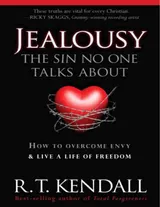
Jealousy: The Sin No One Talks About
About the Book
"Bible Foods that Heal" by Benny Hinn explores the health benefits of various foods mentioned in the Bible, discussing their nutritional properties and potential healing effects. The book offers insight into how incorporating these foods into one's diet can promote overall well-being and improve health.
Smith Wigglesworth
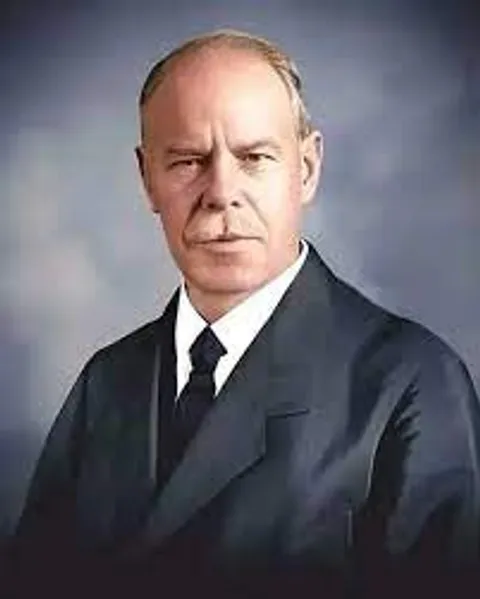 Smith Wigglesworth was born in 1859 to a very poor family. His father did manual labor, for very little pay. Smith himself went to work at the age of six to help with the family income. At six he was pulling turnips and at seven he was working in a woolen mill twelve hours a day. His parents did not know God, but Smith hungered in his heart to know Him. Even as a youngster he would pray in the fields. His grandmother was the critical Christian in his life. She was a Wesleyan Methodist and would take Smith to meetings with her. At one of these meetings there was a song being sung about Jesus as the lamb and Smith came into the realization of God's love for him and his decision to believe Christ for his salvation was decided that day. He was immediately filled with the desire to evangelize and led his own mother to Christ.
Smith has various church experiences as he was growing up. He first went to an Episcopal church and then at thirteen a Wesleyan Methodist church. When he was sixteen he became involved in the Salvation Army. He felt deeply called to fast and pray for lost souls. He saw many people come to Christ. At seventeen a mentor shared with him about water baptism and he decided to be baptized. The Salvation Army was experiencing a tremendous level of the power of God in those days. He describes meetings where "many would be prostrated under the power of the Spirit, sometimes for as long as twenty-four hours at a time." They would pray and fast and cry out for the salvation of fifty or a hundred people for the week and they would see what they had prayed for.
At eighteen Smith left the factory and became a plumber. He moved to Liverpool when he was twenty and continued to work during the day and minister during his free time. He felt called to minister to young people and brought them to meetings. These were destitute and ragged children, whom he would often feed and care for. Hundreds were saved. Smith was often asked to speak in Salvation meetings and he would break down and weep under the power of God. Many would come to repentance in those meetings through this untrained man. At twenty-three he returned back Bradford and continued his work with the Salvation Army.
In Bradford Smith met Mary Jane Featherstone, known as Polly, the daughter of a temperance lecturer. She left home and went to Bradford to take a servants job. One night she was drawn to a Salvation Army meeting. She listened to the woman evangelist, Gipsy Tillie Smith, and gave her heart to Christ. Smith was in that meeting and saw her heart for God. Polly became an enthusiastic Salvationsist and was granted a commission by General Booth. They developed a friendship, but Polly went to Scotland to help with a new Salvationist work. She eventually moved back to Bradford and married Smith, who was very much in love with her.
The couple worked together to evangelize the lost. They opened a small church in a poor part of town. Polly would preach and Smith would make the altar calls. For a season, however, Smith became so busy with his plumbing work that his evangelistic fervor began to wane. Polly continued on, bringing Smith to conviction. One day while Smith was working in the town of Leeds he heard of a divine healing meeting. He shared with Polly about it. She needed healing and so they went to a meeting, and Polly was healed.
Smith struggled with the reality of healing, while being ill himself. He decided to give up the medicine that he was taking and trust God. He was healed. They had five children, a girl and four boys. One morning two of the boys were sick. The power of God came and they prayed for the boys and they were instantly healed. Smith struggled with the idea that God would use him to heal the sick in general. He would gather up a group of people and drive them to get prayer in Leeds. The leaders of the meeting were going to a convention and left Smith in charge. He was horrified. How could he lead a meeting about divine healing? He tried to pass it off to someone else but could not. Finally he led the meeting and several people were healed. That was it. From then on Smith began to pray for people for healing.
Smith had another leap to make. He had heard about the Pentecostals who were being baptized in the Holy Spirit. He went to meetings and was so hungry for God he created a disturbance and church members asked him to stop. He went to prayer and prayed for four days. Finally he was getting ready to head home and the vicar's wife prayed for him and he fell under the power of God and spoke in tongues. Everything changed after that. He would walk by people and they would come under the conviction of the Holy Spirit and be saved. He began to see miracles and healings and the glory of God would fall when he prayed and preached.
Smith had to respond to the many calls that came in and gave up his business for the ministry. Polly unexpectedly died in 1913, and this was a real blow to Smith. He prayed for her and commanded that death release her. She did arise but said "Smith - the Lord wants me." His heartbroken response was "If the Lord wants you, I will not hold you". She had been his light and joy for all the years of their marriage, and he grieved deeply over the loss. After his wife was buried he went to her grave, feeling like he wanted to die. When God told him to get up and go Smith told him only if you "give to me a double portion of the Spirit – my wife’s and my own – I would go and preach the Gospel. God was gracious to me and answered my request.” His daughter Alice and son-in-law James Salter began to travel with him to handle his affairs.
Smith would pray and the blind would see, and the deaf were healed, people came out of wheelchairs, and cancers were destroyed. One remarkable story is when He prayed for a woman in a hospital. While he and a friend were praying she died. He took her out of the bed stood her against the wall and said "in the name of Jesus I rebuke this death". Her whole body began to tremble. The he said "in the name of Jesus walk", and she walked. Everywhere he would go he would teach and then show the power of God. He began to receive requests from all over the world. He taught in Europe, Asia, New Zealand and many other areas. When the crowds became very large he began a "wholesale healing". He would have everyone who needed healing lay hands on themselves and then he would pray. Hundreds would be healed at one time.
Over Smith's ministry it was confirmed that 14 people were raised from the dead. Thousands were saved and healed and he impacted whole continents for Christ. Smith died on March 12, 1947 at the funeral of his dear friend Wilf Richardson. His ministry was based on four principles " First, read the Word of God. Second, consume the Word of God until it consumes you. Third believe the Word of God. Fourth, act on the Word."
Smith Wigglesworth was born in 1859 to a very poor family. His father did manual labor, for very little pay. Smith himself went to work at the age of six to help with the family income. At six he was pulling turnips and at seven he was working in a woolen mill twelve hours a day. His parents did not know God, but Smith hungered in his heart to know Him. Even as a youngster he would pray in the fields. His grandmother was the critical Christian in his life. She was a Wesleyan Methodist and would take Smith to meetings with her. At one of these meetings there was a song being sung about Jesus as the lamb and Smith came into the realization of God's love for him and his decision to believe Christ for his salvation was decided that day. He was immediately filled with the desire to evangelize and led his own mother to Christ.
Smith has various church experiences as he was growing up. He first went to an Episcopal church and then at thirteen a Wesleyan Methodist church. When he was sixteen he became involved in the Salvation Army. He felt deeply called to fast and pray for lost souls. He saw many people come to Christ. At seventeen a mentor shared with him about water baptism and he decided to be baptized. The Salvation Army was experiencing a tremendous level of the power of God in those days. He describes meetings where "many would be prostrated under the power of the Spirit, sometimes for as long as twenty-four hours at a time." They would pray and fast and cry out for the salvation of fifty or a hundred people for the week and they would see what they had prayed for.
At eighteen Smith left the factory and became a plumber. He moved to Liverpool when he was twenty and continued to work during the day and minister during his free time. He felt called to minister to young people and brought them to meetings. These were destitute and ragged children, whom he would often feed and care for. Hundreds were saved. Smith was often asked to speak in Salvation meetings and he would break down and weep under the power of God. Many would come to repentance in those meetings through this untrained man. At twenty-three he returned back Bradford and continued his work with the Salvation Army.
In Bradford Smith met Mary Jane Featherstone, known as Polly, the daughter of a temperance lecturer. She left home and went to Bradford to take a servants job. One night she was drawn to a Salvation Army meeting. She listened to the woman evangelist, Gipsy Tillie Smith, and gave her heart to Christ. Smith was in that meeting and saw her heart for God. Polly became an enthusiastic Salvationsist and was granted a commission by General Booth. They developed a friendship, but Polly went to Scotland to help with a new Salvationist work. She eventually moved back to Bradford and married Smith, who was very much in love with her.
The couple worked together to evangelize the lost. They opened a small church in a poor part of town. Polly would preach and Smith would make the altar calls. For a season, however, Smith became so busy with his plumbing work that his evangelistic fervor began to wane. Polly continued on, bringing Smith to conviction. One day while Smith was working in the town of Leeds he heard of a divine healing meeting. He shared with Polly about it. She needed healing and so they went to a meeting, and Polly was healed.
Smith struggled with the reality of healing, while being ill himself. He decided to give up the medicine that he was taking and trust God. He was healed. They had five children, a girl and four boys. One morning two of the boys were sick. The power of God came and they prayed for the boys and they were instantly healed. Smith struggled with the idea that God would use him to heal the sick in general. He would gather up a group of people and drive them to get prayer in Leeds. The leaders of the meeting were going to a convention and left Smith in charge. He was horrified. How could he lead a meeting about divine healing? He tried to pass it off to someone else but could not. Finally he led the meeting and several people were healed. That was it. From then on Smith began to pray for people for healing.
Smith had another leap to make. He had heard about the Pentecostals who were being baptized in the Holy Spirit. He went to meetings and was so hungry for God he created a disturbance and church members asked him to stop. He went to prayer and prayed for four days. Finally he was getting ready to head home and the vicar's wife prayed for him and he fell under the power of God and spoke in tongues. Everything changed after that. He would walk by people and they would come under the conviction of the Holy Spirit and be saved. He began to see miracles and healings and the glory of God would fall when he prayed and preached.
Smith had to respond to the many calls that came in and gave up his business for the ministry. Polly unexpectedly died in 1913, and this was a real blow to Smith. He prayed for her and commanded that death release her. She did arise but said "Smith - the Lord wants me." His heartbroken response was "If the Lord wants you, I will not hold you". She had been his light and joy for all the years of their marriage, and he grieved deeply over the loss. After his wife was buried he went to her grave, feeling like he wanted to die. When God told him to get up and go Smith told him only if you "give to me a double portion of the Spirit – my wife’s and my own – I would go and preach the Gospel. God was gracious to me and answered my request.” His daughter Alice and son-in-law James Salter began to travel with him to handle his affairs.
Smith would pray and the blind would see, and the deaf were healed, people came out of wheelchairs, and cancers were destroyed. One remarkable story is when He prayed for a woman in a hospital. While he and a friend were praying she died. He took her out of the bed stood her against the wall and said "in the name of Jesus I rebuke this death". Her whole body began to tremble. The he said "in the name of Jesus walk", and she walked. Everywhere he would go he would teach and then show the power of God. He began to receive requests from all over the world. He taught in Europe, Asia, New Zealand and many other areas. When the crowds became very large he began a "wholesale healing". He would have everyone who needed healing lay hands on themselves and then he would pray. Hundreds would be healed at one time.
Over Smith's ministry it was confirmed that 14 people were raised from the dead. Thousands were saved and healed and he impacted whole continents for Christ. Smith died on March 12, 1947 at the funeral of his dear friend Wilf Richardson. His ministry was based on four principles " First, read the Word of God. Second, consume the Word of God until it consumes you. Third believe the Word of God. Fourth, act on the Word."
Live Like You’ll Live Forever
The world makes its quiet but furious war against death, groping to live forever. Plastic surgery, obsessive fitness, compulsive dieting, pouring billions into scientific research searching for the holy grail of immortality. The author of Hebrews describes the condition as a lifelong slavery to the fear of death (Hebrews 2:15). Try as we may, Adam’s and Eve’s children cannot shake the ancient nightmare. [God] drove out the man, and at the east of the garden of Eden he placed the cherubim and a flaming sword that turned every way to guard the way to the tree of life. (Genesis 3:24) Humanity, east of Eden, still reaches out in vain for that Tree of Life. Curing Death How would the world change overnight if all people everywhere heard that a man had cured death? How many ages would pass celebrating the discovery? But as it stands, these same people bypass the knowledge of a true eternity because it is not the eternity they invented. “How would the world change overnight if all people everywhere heard that man had cured death?” God has placed in us a sense that life continues after death: “[God] has put eternity into man’s heart” (Ecclesiastes 3:11). Yet most suppress this knowledge of their own immortality. But why? Because they “did not see fit to acknowledge God” (Romans 1:28) — the God “who inhabits eternity” (Isaiah 57:15). They disavow the truth their hearts would thrill to believe because they do not approve of any eternity with God. Better to steal happy moments from a broken and fleeting mortality, their dead hearts reason, than submerge in an endless existence with the God they disapprove. Immortal Beings All men, we know, shall live forever. We trust and love the eternal God, we believe in the resurrection from the dead, we believe Jesus’s promise of eternal life with him. And we know the everlasting fate of the wicked: “These will go away into eternal punishment, but the righteous into eternal life” (Matthew 25:46). Eternity exists, we believe, and all men are immortal. The souls we come in contact with at the ballgame, in the restaurant, walking the dog — shall be a million years from now. The mailman, the bus driver, the nosy neighbor — immortal beings. The most decrepit among us shall outlive the galaxy. “The most decrepit among us shall outlive the galaxy.” Even considering those who have gone before us — the deceased grandfather, the fallen child, the departed spouse — though hidden momentarily from our eyes, we know they are and shall be again. Death, we profess, is the Great Interruption, not the Great End. Falling Leaf While we say we believe in undying souls (a truth that the world would go delirious to acknowledge), do we give that momentous reality much thought? Does that eternal weight of glory hold much weight with us? Has it changed your week at all? How many of us have believed upon eternity, as John Foster lamented, in vain? The very consciousness that your minds have been capable of admitting and dismissing this subject [eternity] without a prolonged and serious emotion, ought to produce at last that seriousness, by means of wonder and alarm, which may well be awakened by the consideration how many years you have believed this truth in vain. (An Essay on the Improvement of Time, 150–151) How many years have I believed in eternity without much effect? And not just any eternity, but eternity with the Blessed God? Eternity with Jesus Christ? How many of my waking moments of these short and numbered days have orbited around the ceaseless “day of eternity” (2 Peter 3:18)? If in Christ I have hope in this life only, do I really feel myself of all people most to be pitied (1 Corinthians 15:19)? How this world deceives me. The sturdy tree and its branches I call “this life”; the falling leaf I call, “eternity.” Forgotten Forever With one glance of the mind, I realize my madness. Who at sea would give all his affection and thought to a day’s trip onboard, completely disregarding the inescapable land ahead? I forget that “Surely a man goes about as a shadow!” (Psalm 39:6) as a dream (Psalm 78:18–20), as a flower that fades, as grass that withers (Isaiah 40:6–8), as a mere mist that appears for a little time and then vanishes (James 4:14). This world, O my soul remember, “is passing away along with its desires, but whoever does the will of God abides forever” (1 John 2:17). I hope you have kept eternity closer at hand than I have. Have you, Christian — possessor of the mightiest revelations, steward of sacred knowledge, keepers of the way of eternity — appropriated these truths for yourself and distributed them freely to a desperate and decaying world? Has forever bent down with you as you changed diapers? Has it drove with you to work? Has it laughed along while you had a game night with neighbors? Has “everlasting” brought you low to plead in prayer for your children, your church, your city? Has that terrifying splendor, “immortality,” lifted your gaze from this painted and perishing kingdom to the one that cannot be shaken? Has eternity provided you an anchor in suffering? Sent you along on a grand mission? Warned you against friendship with Here and Now? Bestowed solemnity to life? Brightened up gloomy days? Infused courage to venture on in Christ? Showed you the coming tsunami that will wash away all these splendid sandcastles? Endowed acquaintances with new significance? Lifted our eyes with abiding gratitude to God? Equipped us to drive a spear through sin? Have you believed in eternity in vain? Tree of Life We must awake to the coming world without end. We are those who look “not to the things that are seen but to the things that are unseen. For the things that are seen are transient, but the things that are unseen are eternal” (2 Corinthians 4:18). People all around us live and die for the seen, the felt, the tasted, the pleasurable, the transient. But God has left you and me here to speak, to reason, to plead with immortal souls that they be reconciled to God. Through faith in Christ, we have reached our hands out to a Tree of Life on Golgotha’s hill, and we will taste of that fruit denied to our first parents: To the one who conquers I will grant to eat of the tree of life, which is in the paradise of God. (Revelation 2:7) Blessed are those who wash their robes, so that they may have the right to the tree of life and that they may enter the city by the gates. (Revelation 22:14) This tree is within reach because Jesus Christ — the Resurrection and the Life — has drawn near to us. He promises, “Whoever believes in me, though he die, yet shall he live, and everyone who lives and believes in me shall never die,” and asks the pertinent question, “Do you believe this?” (John 11:25–26). God give us grace to believe, and to make sure our friends know, our families know, our children know, that eternity is only a short time away. Article by Greg Morse