


Others like becoming Features >>
-160.webp)
50 Women Every Christian Should Know: Learning From Heroines Of The Faith
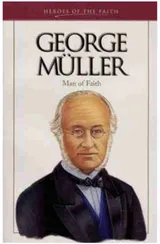
George Muller - Man Of Faith And Miracles

The Great Controversy
Ten Men Of The Bible

Autobiography Of Madame Guyon

The Man Who Could Do No Wrong

Junia - The First Woman Apostle

Men Who Changed The World

The Collected Letters Of C.S. Lewis Volume 2

Crimes Of The Cross
About the Book
"Becoming" is a memoir by Michelle Obama that chronicles her upbringing on the South Side of Chicago, her experiences as First Lady of the United States, and her journey to finding her voice and identity. The book explores themes of family, race, and resilience, offering insight into her personal life and public role. Through candid reflections and heartfelt storytelling, Michelle Obama shares her story of becoming a strong, empowered woman who continues to inspire others.
Nik Ripken
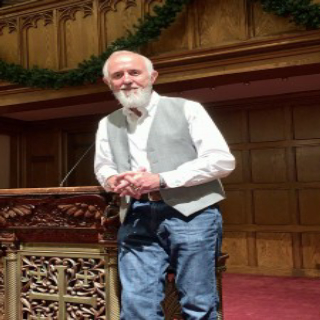 Nik and Ruth, with 3 children, served for over 32 years obeying Christ’s command to share Jesus across the globe. After 7 years in Malawi & South Africa, they moved to Nairobi, Kenya to begin work among the Somali people (1991-1997). Since that time (1998-2013) they have journeyed globally among people whom, when they gave their lives to Jesus, faced increasing persecution for their faith.
The Ripkens and their teams served throughout the Horn of Africa within famine and war zones; resettling refugees, providing famine relief, and operating mobile medical clinics. Formerly Muslims, many Somali believers, suffered for their faith. Most were martyred. Near the end of the Ripken’s tenure among the Somalis, their 16-year-old son died of an asthma attack on Easter Sunday morning. He’s buried at the school from which the other Ripken children graduated.
One year later, the Holy Spirit led the Ripkens to begin a global pilgrimage to learn from believers in persecution how to recapture a biblical missiology of witness and house-church planting in the midst of persecution and martyrdom. Most of all, believers in persecution modeled for the Ripkens how to trust Jesus completely. Many of these lessons have been lost or forgotten by the church in the West.
Currently the Ripkens have interviewed over 600 believers in persecution, exceeding 72 countries. Sitting at their feet, the Ripkens learned from the suffering church how to thrive amidst suffering, not merely survive. The Ripkens, using everything they’ve learned from believers in persecution are creating resources as gifts from the church to the church. To date they have created articles, books, a music CD, a documentary, workshops, and other tools that allow the church in persecution to teach the church in the West about its biblical heritage of both crucifixion and resurrection. A teaching DVD is included in future plans. All these tools are designed to challenge believers to boldly follow Jesus, sharing their faith with others-no matter the cost.
Nik and Ruth, with 3 children, served for over 32 years obeying Christ’s command to share Jesus across the globe. After 7 years in Malawi & South Africa, they moved to Nairobi, Kenya to begin work among the Somali people (1991-1997). Since that time (1998-2013) they have journeyed globally among people whom, when they gave their lives to Jesus, faced increasing persecution for their faith.
The Ripkens and their teams served throughout the Horn of Africa within famine and war zones; resettling refugees, providing famine relief, and operating mobile medical clinics. Formerly Muslims, many Somali believers, suffered for their faith. Most were martyred. Near the end of the Ripken’s tenure among the Somalis, their 16-year-old son died of an asthma attack on Easter Sunday morning. He’s buried at the school from which the other Ripken children graduated.
One year later, the Holy Spirit led the Ripkens to begin a global pilgrimage to learn from believers in persecution how to recapture a biblical missiology of witness and house-church planting in the midst of persecution and martyrdom. Most of all, believers in persecution modeled for the Ripkens how to trust Jesus completely. Many of these lessons have been lost or forgotten by the church in the West.
Currently the Ripkens have interviewed over 600 believers in persecution, exceeding 72 countries. Sitting at their feet, the Ripkens learned from the suffering church how to thrive amidst suffering, not merely survive. The Ripkens, using everything they’ve learned from believers in persecution are creating resources as gifts from the church to the church. To date they have created articles, books, a music CD, a documentary, workshops, and other tools that allow the church in persecution to teach the church in the West about its biblical heritage of both crucifixion and resurrection. A teaching DVD is included in future plans. All these tools are designed to challenge believers to boldly follow Jesus, sharing their faith with others-no matter the cost.
you don’t have to know god’s will
You don’t have to know God’s will if you are confident in God’s word. If that raises objections, trust me, I understand. Like you, I have significant questions that I don’t have answers for. I have personal quandaries, parenting quandaries, ministry quandaries, financial quandaries, etc. Some are massively important and I’m not sure what to do. This can tempt me to fear. I’ve prayed about these things, some for quite a while. Clarity has not yet come. But over the decades I’ve followed him, Jesus has made something very clear to me in the Scriptures, the lives of eminent saints, and my own stumbling experience: Living in the will of God is more about knowing and trusting his specific promises than receiving specific direction (Hebrews 11:8). It’s more about resting in his sovereignty than wrestling with my ambiguity (Psalm 131:1–2). I’ve learned and continue to learn that embracing God’s will for me largely consists in transferring my confidence from my own miniscule capacity to understand what’s going on and why to God’s omniscient and completely wise understanding (Proverbs 3:5–6). Our Felt Need Is Often Not Our Fundamental Need As the result of the fall, we all come into the world wildly and irrationally over-confident in ourselves. When God redeems us in Christ, he enrolls us in a discipleship program uniquely tailored to the purposes he has for each of us. He knows that for us to live according to his will, our fundamental need is a significant loss of self-confidence and a significant gain in God-confidence. But this is usually not our felt need. The need we typically feel is to know specifically what we’re supposed to do, where we’re supposed to go, how our needs will be provided, or why the terrible thing happened. “Living in the will of God is more about resting in his sovereignty than wrestling with your ambiguity.” What we’re seeking for and hope to find in those answers are certainty and security — peace. But due to our manifold limitations on every level, the answers we think we want would rarely provide us the peace we seek. God knows his explanations would not even make sense to us since we lack the capacities to comprehend the complexity of the equation. That’s why Hudson Taylor counsels us to, “make up your mind that God is an infinite Sovereign, and has the right to do as He pleases with His own, and he may not explain to you a thousand things which may puzzle your reason in His dealings with you.” (A Camaraderie of Confidence, 31) Our infinite Sovereign knows that our fundamental need is to learn to trust him over our very finite selves. He knows that trust will provide us what explanations won’t: the peace that surpasses understanding (Philippians 4:7). That’s why when we pray about God’s will for us, God’s answers often aim at addressing this fundamental need: learning to trust him over our understanding (Proverbs 3:5). But because we are focused on our felt needs, we often fail to recognize God’s answers at first. He is addressing a need we have, but don’t feel. So it can seem like God is ignoring our need for the peace we long for. How God Meets Our Need for Peace But God is most certainly not ignoring our need for peace. He has promised that we will experience peace through believing (Romans 15:13). Believing what? Believing his “precious and very great promises” (2 Peter 1:4). This is what I mean when I say that we don’t need to know God’s will if we are confident in God’s word. When God’s direction and purposes for us are unclear, his promises are always crystal clear. God frequently calls us to stand on the rock of his promises and faithfulness in the murky, swirling fog of perplexing circumstances (Hebrews 10:23). Is this not the story of almost every biblical saint? “When God’s direction and purposes for us are unclear, his promises are always crystal clear.” God’s promises are the checks that are accepted at the bank of heaven. They are God’s promissory notes to us, guaranteeing that he will make good on the value they represent. No matter how things appear at any given time, no matter how dark, foreboding, lonely, depressing, even hopeless things look, God always makes good on his promises. And he wants us to cash them. That’s why Charles Spurgeon said, “When I pray, I like to go to God just as I go to a bank clerk when I have [a] cheque to be cashed. I walk in, put the cheque down on the counter, and the clerk gives me my money, I take it up, and go about my business.” (A Camaraderie of Confidence, 54) That almost sounds flippant. It’s not. It’s experience. If there is anything we can legitimately name and claim as Christians, it is a clear promise of God. We cannot claim it on our own terms or timing, but we can in good conscience hold God to it, because it is God’s will to say yes in Christ to every promise he makes to us in the Bible (2 Corinthians 1:20). God’s word is as good as God. Listen to the Cloud of Witnesses: Cash the Checks! If you struggle to believe these things, join the club. It doesn’t come natural to any of us to trust God’s promises over our perceptions. God knows this and knows how to cultivate trust in us. And one way he does this is through the testimonies of others who have put his promises to the test. This “cloud of witnesses” (Hebrews 12:1), those who have known God best, all cry, “Cash the checks! They’re real!” Listen to them speak from the Scripture and church history. “God always makes good on his promises. And he wants us to cash them.” One of my favorites, a man whose example convicts and encourages me every time I turn to him, is George Müller of Bristol. And speaking on behalf of the great cloud he says to us: “Everyone is invited and commanded to trust in the Lord, to trust in Him with all his heart, and to cast his burden upon Him, and to call upon Him in the day of trouble. Will you not do this, my dear brethren in Christ? I long that you may do so. I desire that you may taste the sweetness of that state of heart, in which, while surrounded by difficulties and necessities, you can yet be at peace, because you know that the living God, your Father in heaven, cares for you.” (A Camaraderie of Confidence, 83) God has given you the checks of his promises and you are invited to take them to the bank of heaven. If you want peace, the peace that surpasses understanding and guards your heart and mind during your most embattled, stormy, confusing, and frightening moments, you must cash the checks. For this peace comes only from trust. If you do, you will be able to live at peace in the midst of many quandaries not yet knowing God’s specific will because you are confident in God’s specific word.

-480.webp)