

Be Light: Shining God's Beauty Order Printed Copy
- Author: Samuel Rodriguez
- Size: 2.91MB | 242 pages
- |
Others like be light: shining god's beauty Features >>

True Christianity

The Winds Of God Bring Revival

Army Of The Dawn: Preparing For The Greatest Event Of All Time

When Revival Tarries

The Next Great Move Of God
-160.webp)
The Cross And The Switchblade: A True Story
The Books Of Acts
Visions Of The Harvest

Purpose Of Pentecost
The Case For The Resurrection Of Jesus
About the Book
"Be Light: Shining God's Beauty" by Samuel Rodriguez is a guide that encourages readers to embrace their uniqueness and let God's love and light shine through them. The book emphasizes the importance of living a life of purpose, joy, and gratitude, and inspires individuals to spread positivity and kindness in a world that can often feel dark and challenging. Through personal stories and biblical teachings, Rodriguez motivates readers to radiate God's beauty and make a positive impact on the world around them.
William and Catherine Booth
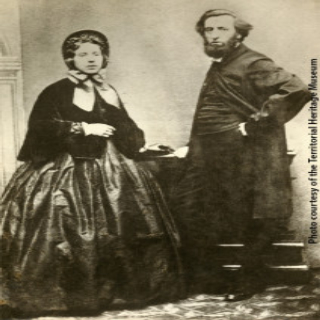 William Booth
The Salvation Army founder, William Booth was born in Nottingham, England, on 10 April 1829.
Salvation Army founder General William BoothFrom his earliest years, William was no stranger to poverty. He was just 14 when his father died and was already working as a pawnbroker’s apprentice to supplement the family’s income.
As a pawnbroker, William saw poverty and suffering on a daily basis. By the time he finished his six-year apprenticeship, he had developed a deep hatred of it.
William, a fiery and impulsive teenager, became a Christian at 15 and began attending the local Wesleyan Chapel. There, he developed the passion that would be the driving force in his life; to reach the down and out of Britain's cities through the Gospel of Christ.
William, a talented preacher from a young age, went on to work as a travelling evangelist with the Methodist church. But it was through preaching in the streets of London's slums that he discovered his life's purpose and The Salvation Army was born.
Catherine Booth
The Salvation Army "mother", Catherine Mumford was born in Ashbourne, Derbyshire, on 17 January 1829.
The Salvation Army founder and Army mother Catherine BoothFrom an early age, she was a serious and sensitive girl with a strong Christian upbringing. By the age of 12, it's said that she had read the Bible through eight times.
At 14, Catherine became ill and spent a great deal of time in bed. She kept herself busy, especially concerned about the problems of alcohol. She wrote articles for a magazine, encouraging people not to drink.
But at 16, she came wholly into her faith. Reading the words, 'My God I am Thine, what a comfort Divine' in her hymn book, she realised the truth of them for herself.
A gentle woman with powerful appeal, Catherine would go on to co-found The Salvation Army and prove an inspiration to women in a harsh time.
Life together
Catherine and William met when he came to preach at her church. They soon fell in love and became engaged. During their three-year engagement, William continued his work as a travelling evangelist. Catherine was a constant support to William, writing him letters of encouragement on his travels.
They married on 16 June 1855.
Together, William and Catherine embarked on a lifelong journey to answer the call of God to bring the Gospel to the people. While William was a natural speaker, Catherine was a quiet woman and not at all accustomed to speaking at gatherings. It took time for her to find her voice, but she was driven by a conviction that woman had the same rights as men to speak. She grew into a courageous speaker, known for her gentle manner but powerful appeal, counselling alcoholics in their homes and holding cottage meetings for new faithfuls.
They were also parents to a growing family of eight children, who were brought up with a firm Christian education and a great love for their God’s mission. Two of their children, Bramwell and Evangeline would go on to be Generals of The Salvation Army.
In 1865, William, by now an independent evangelist, along with Catherine founded The Christian Mission. William preached to the poor while Catherine spoke to the wealthy to gain support for their financially demanding work. In time, she began to hold her own fundraising campaigns.
It was not until 1878 that The Christian Mission became known as The Salvation Army. Modelled after the military with William and his fellow ministers a part of God’s Army, seeking salvation for the masses. William was appointed the first General and his ministers became “officers”.
Catherine became known as “The Army Mother” and remained a strong voice on The Salvation Army’s ideas on social issues and matters of belief.
With its strong focus on the downtrodden and dispossessed, The Salvation Army began to grow beyond Britain’s borders. In William’s lifetime, the Army would be established in 58 countries and colonies. Its mission was and is still guided by William’s book “In Darkest England and the Way Out”, which maps out a revoluntionary approach to social engagement never before undertaken by a church.
Both Catherine and William worked tirelessly to bring the Gospel to all, establishing a movement in the form of The Salvation Army. But, on 4th October 1890, Catherine lost her ongoing battle with ill health. Her son, Bramwell, described her passing as “a warrior laid down her sword to receive her crown”.
William continued on for many years, traveling all over the world to oversee his growing Army. On 20th August 1912, William Booth was, in Salvation Army terms, promoted to glory.
Though passed, both William and Catherine continue to be guiding influences in The Salvation Army and stand as the mightiest examples of how God uses the ordinary to create the extraordinary.
William Booth
The Salvation Army founder, William Booth was born in Nottingham, England, on 10 April 1829.
Salvation Army founder General William BoothFrom his earliest years, William was no stranger to poverty. He was just 14 when his father died and was already working as a pawnbroker’s apprentice to supplement the family’s income.
As a pawnbroker, William saw poverty and suffering on a daily basis. By the time he finished his six-year apprenticeship, he had developed a deep hatred of it.
William, a fiery and impulsive teenager, became a Christian at 15 and began attending the local Wesleyan Chapel. There, he developed the passion that would be the driving force in his life; to reach the down and out of Britain's cities through the Gospel of Christ.
William, a talented preacher from a young age, went on to work as a travelling evangelist with the Methodist church. But it was through preaching in the streets of London's slums that he discovered his life's purpose and The Salvation Army was born.
Catherine Booth
The Salvation Army "mother", Catherine Mumford was born in Ashbourne, Derbyshire, on 17 January 1829.
The Salvation Army founder and Army mother Catherine BoothFrom an early age, she was a serious and sensitive girl with a strong Christian upbringing. By the age of 12, it's said that she had read the Bible through eight times.
At 14, Catherine became ill and spent a great deal of time in bed. She kept herself busy, especially concerned about the problems of alcohol. She wrote articles for a magazine, encouraging people not to drink.
But at 16, she came wholly into her faith. Reading the words, 'My God I am Thine, what a comfort Divine' in her hymn book, she realised the truth of them for herself.
A gentle woman with powerful appeal, Catherine would go on to co-found The Salvation Army and prove an inspiration to women in a harsh time.
Life together
Catherine and William met when he came to preach at her church. They soon fell in love and became engaged. During their three-year engagement, William continued his work as a travelling evangelist. Catherine was a constant support to William, writing him letters of encouragement on his travels.
They married on 16 June 1855.
Together, William and Catherine embarked on a lifelong journey to answer the call of God to bring the Gospel to the people. While William was a natural speaker, Catherine was a quiet woman and not at all accustomed to speaking at gatherings. It took time for her to find her voice, but she was driven by a conviction that woman had the same rights as men to speak. She grew into a courageous speaker, known for her gentle manner but powerful appeal, counselling alcoholics in their homes and holding cottage meetings for new faithfuls.
They were also parents to a growing family of eight children, who were brought up with a firm Christian education and a great love for their God’s mission. Two of their children, Bramwell and Evangeline would go on to be Generals of The Salvation Army.
In 1865, William, by now an independent evangelist, along with Catherine founded The Christian Mission. William preached to the poor while Catherine spoke to the wealthy to gain support for their financially demanding work. In time, she began to hold her own fundraising campaigns.
It was not until 1878 that The Christian Mission became known as The Salvation Army. Modelled after the military with William and his fellow ministers a part of God’s Army, seeking salvation for the masses. William was appointed the first General and his ministers became “officers”.
Catherine became known as “The Army Mother” and remained a strong voice on The Salvation Army’s ideas on social issues and matters of belief.
With its strong focus on the downtrodden and dispossessed, The Salvation Army began to grow beyond Britain’s borders. In William’s lifetime, the Army would be established in 58 countries and colonies. Its mission was and is still guided by William’s book “In Darkest England and the Way Out”, which maps out a revoluntionary approach to social engagement never before undertaken by a church.
Both Catherine and William worked tirelessly to bring the Gospel to all, establishing a movement in the form of The Salvation Army. But, on 4th October 1890, Catherine lost her ongoing battle with ill health. Her son, Bramwell, described her passing as “a warrior laid down her sword to receive her crown”.
William continued on for many years, traveling all over the world to oversee his growing Army. On 20th August 1912, William Booth was, in Salvation Army terms, promoted to glory.
Though passed, both William and Catherine continue to be guiding influences in The Salvation Army and stand as the mightiest examples of how God uses the ordinary to create the extraordinary.
the real battle for sexual purity
I used to look at pornography nearly every day for a decade. But for the past twelve years, by God’s grace, I have not visited a single porn site. For many battling addiction, that sentence embodies what we’re striving for. That sentence, however, is not a success story. As we all know by now, lust manifesting in addiction to pornography is rampant in our tech-savvy culture, and sadly it’s little different among Christians. I’m in weekly conversations with college guys at our church who are fighting hard against lust and porn addiction. It’s interesting for me to hear how people talk about their struggle. Often when they share, they frame it in terms of “how long it’s been” since their last encounter with porn. The room rejoices with those who haven’t had an incident in a while, and we spout off advice to the ones who have. You can almost see the ranking system build before your eyes: The most recent sinner cowers on the bottom with the lowest score, while the one with the longest record of abstinence stands tall at the top. But we may have it more wrong than we think. Why? Because our actions don’t always reveal our hearts. Dirty Dishes If you were looking for the most moral people of Christ’s day, you would look no further than the Pharisees — fasting, tithing, praying, obeying. Yet when Jesus has a chance to speak to them he says this: “Woe to you, scribes and Pharisees, hypocrites! For you clean the outside of the cup and the plate, but inside they are full of greed and self-indulgence. You blind Pharisee! First clean the inside of the cup and the plate, that the outside also may be clean.” (Matthew 23:25–26) For these religious leaders, holiness was only skin-deep. Their deeds were moral, but their hearts were evil. Jesus understood that what you could see in a person’s life often says very little about the condition of a person’s spiritual life. If God was merely after behavior modification, Jesus would have praised the Pharisees. Instead, they received some of Jesus’s harshest words of all. One way to tell if you’re measuring success by an outer-cleanness versus an inner-cleanness is if you obsess over how many days it’s been since you last sinned. That mentality presupposes that your issue is one primarily of behavior, and not of the heart. But God always seeks a change deeper than our behavior. Superficial Celebrations This isn’t just a porn issue. We see this in other areas. For example, it’s not necessarily grounds for celebration if an obese person loses a hundred pounds. On a superficial level we can certainly say that proper diet and exercise is better for their health, and therefore a good thing. But is it worth celebrating if that weight loss was motivated by vanity? Or if it produced a heart of self-righteousness or self-worship? Perhaps they dealt the decisive blow to their gluttony, only to have narcissism sprout in its place. The new state of the person might be worse than the first! The Puritan John Owen said it well when speaking on the fight against sin: “He that changes pride for worldliness, sensuality for Pharisaism, vanity in himself to the contempt of others, let him not think that he has mortified the sin that he seems to have left. He has changed his master, but is a servant still.” Obedience from the Heart If it’s true that God looks at the heart first, what are some markers of that inner -cleanness he desires beyond the changes in our behavior? A sense of neediness and dependence on the grace of God. Christianity is nothing if not the religion of the helpless. The godliest thing any of us can do in our fight against sin is to admit we cannot fight against sin on our own. We need the power of the Holy Spirit working within us. If you feel defeated in your struggle against lust, let that sense of defeat push you further into the arms of your strong Savior today, and push you to lean on his strength and help, again. A steady gaze at Christ as our treasure and satisfaction. Most of our efforts in sanctification fall short of seeing Christ this way. But Scripture is clear: There is no legitimate conquering of sin without a pursuit of Christ in its place (2 Timothy 2:22; Romans 13:14; John 6:35). Jesus is a good meal for our soul. The battle for purity is really a battle to delight in God. Don’t mistake what I’m saying. God absolutely wants external, visible life-change: “[Christ] gave himself for us to redeem us from all lawlessness and to purify for himself a people for his own possession who are zealous for good works” (Titus 2:14). But a change of behavior is only God-glorifying if it is motivated by a change of heart. As you war against your flesh, as you fight against lust and addiction, as you counsel others in the battle, aim higher and deeper than outer moral conformity. Feel your inability to produce lasting life change apart from the work of God’s Spirit. Pray for a heart that is so enamored with the beauty of Christ that it despises the temptations of sin. Win the inner victory with Christ’s help, and the external victories will not be far off.
-480.webp)