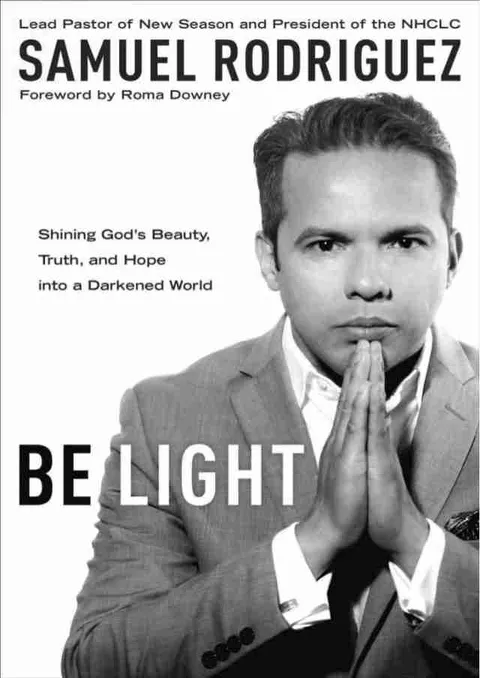

Be Light: Shining God's Beauty Order Printed Copy
- Author: Samuel Rodriguez
- Size: 2.91MB | 242 pages
- |
Others like be light: shining god's beauty Features >>

True Christianity

The Winds Of God Bring Revival

Army Of The Dawn: Preparing For The Greatest Event Of All Time

When Revival Tarries

The Next Great Move Of God
-160.webp)
The Cross And The Switchblade: A True Story
The Books Of Acts
Visions Of The Harvest
Purpose Of Pentecost
The Case For The Resurrection Of Jesus
About the Book
"Be Light: Shining God's Beauty" by Samuel Rodriguez is a guide that encourages readers to embrace their uniqueness and let God's love and light shine through them. The book emphasizes the importance of living a life of purpose, joy, and gratitude, and inspires individuals to spread positivity and kindness in a world that can often feel dark and challenging. Through personal stories and biblical teachings, Rodriguez motivates readers to radiate God's beauty and make a positive impact on the world around them.
Martin and Gracia Burnham
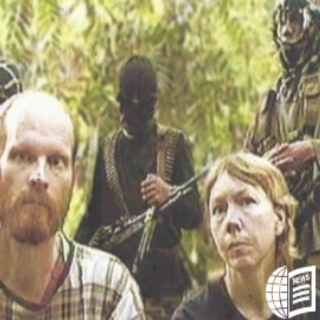 Martin Burnham and Gracia were missionaries who served for 17 years in the Philippines. After their marriage, they underwent hard training in the jungle to prepare themselves to serve in jungle parts. Martin, being a pilot missionary, supported other missionaries who were working among the tribals in jungles. He delivered groceries and medicines to missionaries and tribals and transported sick people to medical facilities. He always had a big heart for tribals and missionaries. Gracia supported him well in the work.
On May 29, 2001, while relaxing at a resort after Martin’s one overseas mission, a Muslim militant group called the Abu Sayyaf Group attacked the resort and abducted the missionary couple and few others for ransom. The missionaries were kept captive for more than a year.
During that one year, the couple went through terrible experiences. They suffered starvation, sleeplessness and sickness, witnessed atrocities of militants and experienced gun battles between militants and the military. Amidst suffering, God was their only hope and strength.
At some point, Gracia was so depressed that although she believed that Christ died for her, she felt God doesn’t love her anymore. Martin said to her “either you believe it all or don’t believe it at all.” They encouraged one another to stand firm in the faith.
Martin Burnham and Gracia ministry in Philippines
Finally, on June 7, 2002, in a rescue operation by the Philippine military, wounded Gracia was rescued. But 42 years old Martin died in the gunfight during the rescue. Later, Gracia went back to America and joined her children.
Gracia did not let her painful experiences depress her and move her away from God. But she used those experiences to encourage others who are going through hardships. She founded the Martin and Gracia Burnham Foundation, which supports missionary aviation and tribal mission work around the world. It also focuses on ministries among Muslims. She forgave who abducted them, visited them in jail and shared Christ’s love. Some of them accepted Christ. Gracia believes that this may be God’s great purpose behind their suffering.
Martin Burnham and Gracia were missionaries who served for 17 years in the Philippines. After their marriage, they underwent hard training in the jungle to prepare themselves to serve in jungle parts. Martin, being a pilot missionary, supported other missionaries who were working among the tribals in jungles. He delivered groceries and medicines to missionaries and tribals and transported sick people to medical facilities. He always had a big heart for tribals and missionaries. Gracia supported him well in the work.
On May 29, 2001, while relaxing at a resort after Martin’s one overseas mission, a Muslim militant group called the Abu Sayyaf Group attacked the resort and abducted the missionary couple and few others for ransom. The missionaries were kept captive for more than a year.
During that one year, the couple went through terrible experiences. They suffered starvation, sleeplessness and sickness, witnessed atrocities of militants and experienced gun battles between militants and the military. Amidst suffering, God was their only hope and strength.
At some point, Gracia was so depressed that although she believed that Christ died for her, she felt God doesn’t love her anymore. Martin said to her “either you believe it all or don’t believe it at all.” They encouraged one another to stand firm in the faith.
Martin Burnham and Gracia ministry in Philippines
Finally, on June 7, 2002, in a rescue operation by the Philippine military, wounded Gracia was rescued. But 42 years old Martin died in the gunfight during the rescue. Later, Gracia went back to America and joined her children.
Gracia did not let her painful experiences depress her and move her away from God. But she used those experiences to encourage others who are going through hardships. She founded the Martin and Gracia Burnham Foundation, which supports missionary aviation and tribal mission work around the world. It also focuses on ministries among Muslims. She forgave who abducted them, visited them in jail and shared Christ’s love. Some of them accepted Christ. Gracia believes that this may be God’s great purpose behind their suffering.
Finding Financial Freedom
The smartest thing we can do financially is to make God’s kingdom and His righteousness our top priority. Since true financial freedom is based largely on the condition of our heart and attitude, we must consciously embrace truth not fear, contentment not greed, humility not pride, gratitude not resentment, righteousness not deceit, generosity not selfishness. The following suggestions are financial strategies that have helped many people. Look at the list, pray over it, and apply what will benefit you and your family with the goal of changing bad habits, reducing stress, and gaining financial freedom. Make a Plan Everything starts with a plan. After you do that, you’re ready to move forward with it. Set specific goals, short-term and long-term. Write them down and refer to them regularly. This will give clarity. Create a budget. This brings freedom. Seek accountability. This will provide encouragement. Give regularly. This will break the grip of selfishness. Eliminate personal debt. This will set you free. Fund an emergency account, save, invest. This will help you have margin. Change your withholding if you get tax refunds. This will boost cash flow. Celebrate milestones with gratitude. This will keep you motivated. Reduce Expenses You can take action now to reduce your expenses. Here are several actions. Keep track of all expenses for at least 30 days to learn your spending habits. Use extra money (tax refunds, raises, gifts) wisely. Become frugal. Live like you’re poor. Buy only what you need. Cancel cable and subscriptions. Limit or drop TV and social media. Find free entertainment. Read more books — use the library. Eat out only for special occasions. Recruit a couple or family to join you on this journey. Challenge yourself to eat the pantry. The smartest thing we can do financially is to make God’s kingdom and His righteousness our top priority. Chuck Bentley in Finding Financial Freedom This Year Go on a “Spending Fast.” Use cash when possible to limit credit card debt. Change your lifestyle. Move, drive cheaper cars, and so on. Reduce utility costs. Avoid “window shopping.” Assess your friendships. Plan ahead for holidays. Grocery shop with a list. Cook large meals, freeze leftovers, and take meals from home to work Say no to impulse purchases. Use coupons or buy what is on sale. Shop consignment or thrift shops. Drop gym memberships. Make coffee at home. Skip soft drinks and bottled water. Find a mobile discount plan. Trade skills with a friend (cooking, yard care, haircuts, and so on). Avoid financing cars and loans. Don’t gamble. Increase Income By taking just a few deliberate actions, you can increase your income. Work hard and ask for a raise. Improve your job skills. Obtain certifications and online training. Take on a part-time job. Sell what you don’t need. Think outside the box. Find creative solutions to problems. Improve Your Health Your health impacts your finances in several ways, including the cost of insurance, your ability to work, your energy level, your ability to sleep, and your state of mind. Sleep a minimum of seven hours. God designed you to function best when rested. Drink more water, much more than you think you need. Eat healthily. Grow food if you can. Exercise daily and spend time in nature. Sunshine is an essential part of your health. Eliminate stress and guard your mental health. Limit prescription drug use. Research natural remedies. Plan for the Future By taking just a few deliberate actions, you can increase your income. Organize your finances and emergency information. Gather documents to prepare taxes. Make a will and plan burial options. Carry adequate insurance: life, health, car, home, or rental. Plan education costs for children. Begin funding retirement accounts. Diversify your investments. Principles and best practices are of no value if we only know them intellectually. Knowing and doing is the key to experiencing God’s promises. Living accordingly will help you to thrive.
-480.webp)