Helen Roseveare
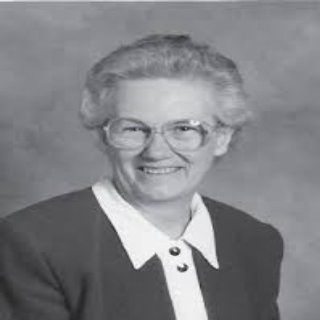 “If Christ be God and died for me, then no sacrifice can be too great for me to make for him.” That was her mission’s motto. In 1953, Helen sailed for the Congo with hopes of serve Christ as a medical missionary with WEC (Worldwide Evangelization Crusade). For so many years she’d dreamed of being a missionary. As a young girl, she’d hear stories of her aunt and uncle’s experiences on the mission field, and now she was eager to have her own stories to tell.
In 1925, Helen Roseveare was born in England. Because education was a high priority for her father, Helen was sent to a prestigious all girls school when she was 12. After that, she went to Cambridge. It was during her time in college that she became a Christian, truly understanding the gospel for the first time. She left her Anglo-Catholic background and became an evangelical. Her focus was to finish her medical degree and prepare herself for the mission field.
After she became a doctor, Helen sailed to minister in the Congo. She was highly intelligent and efficient, but her role as a woman created struggles with her fellow missionaries and nationals. In that time period, single missionaries were seen as second-class citizens of the mission station. In the Congo, the medical needs were overwhelming. She couldn’t just stand by and watch all the suffering around her. She was determined to make a difference. She dreamed of establishing a training center where nurses would be taught the Bible and basic medicine and then sent back to their villages to handle routine cases, teach preventive medicine, and serve as lay evangelists. She didn’t have approval from her colleagues, who believed that medical training for nationals was not a valid use of time, evangelism and discipleship were more important.
Despite the conflict with them, after only two years after arriving in the Congo, she had build a combination hospital/ training center in Ibambi, and her first four students had passed their government medical exams. Her colleagues weren’t as excited about her progress as she was. They felt that she was wasting time, so they decided that she would better serve the Congo by relocating in Nebobongo, living in an old leprosy camp that had become overgrown by the jungle. Helen argued that she must stay and continue the nursing training in Ibambi, but they insisted that she move. It was a major setback, but she went. Starting from scratch again, she built another hospital there and continued training African nurses. Still, she was strong-willed and seemed to be a threat to many of her male colleagues. In 1957, they decided to relocate John Harris, a young British doctor, and his wife to Nebobongo to make him Helen’s superior. Dr. Harris even took charge of leading the Bible class that she’d taught. She was devastated. She’d been her own boss for too long, and although she tried to let go of control, she just couldn’t. Everything that had been hers was now his. This resulted in tension between them, of course. Her independence was her greatest strength, but also a definite weakness. She did not know how to submit to imperfect leadership. In 1958, after over a year of struggling with who was in control in Nebobongo, Helen left for England for a furlough. She was disillusioned with missionary work and felt like she might not ever go back to the Congo.
Back in England, she really struggled with why she had all these issues between herself and the male leaders in the Congo. She began to convince herself that her problem was her singleness. What she needed was a doctor-husband to work with her and be on her side during the power struggles! She didn’t think that was too much to ask. So, she asked God for a husband, and told Him that she wouldn’t go back as a missionary until she was married. She met a young doctor and decided he would be the one. (She wasn’t very patient in waiting on the Lord’s timing.) She bought new clothes, permed her hair, and resigned from the mission, all to try and win his love. He did care for her, but not enough to marry her. Helen was heartbroken, mostly because she’d wasted so much time and money trying to force her plan into reality - without God.
Still single, Helen returned to the mission and left for Congo in 1960. It was a tense time for that country. They had been seeking independence for a long time, so a huge civil war was on the verge of beginning. Many missionaries left because the risk was so high. Helen had no plans of going home. She believed that God had truly called her back to Congo and that He would protect her if she stayed. She was joined by a few other single women, who made it difficult for the men, they didn’t want to look like sissies. She was given charge of the medical base in Nebobongo because John Harris and his wife left on furlough. She had so many opportunities to minister in the midst of the turmoil. She was sure that God had her right where He wanted her to be. She continued to learn to see God in the details of her life, to trust him more fully. She had been coming closer to total trust in God all of her life, between bouts of depression, sometimes feeling that she was not really a Christian because she was capable of spells of anger and bitterness and other sins. “I was unable to reach the standard I myself had set, let alone God’s. Try as I would, I met only frustration in this longing to achieve, to be worthy.” She came to recognize that hatred of sin is a gift of the Holy Spirit.
Rebels were gaining strength, and there were reports of missionaries being attacked. Helen endured a burglary and an attempted poisoning, but always in her mind the situation was improving. She felt that she had to stay, because there was so much need and so many people depending on her. On August 15, the rebels took control of Nebobongo, and Helen was in captivity for the next 5 months. On the night of October 29, Helen was overpowered by rebel soldiers in her little bungalow. She tried to escape, but they found her and dragged her to her feet, struck her over the head and shoulders, flung her to the ground, kicked her, struck her over and over again. She was pushed back into her house and raped brutally without mercy. Helen suffered more sexual brutality before her release. God used this in her life to minister to other single women missionaries who feared that they’d lost their purity due to a rape and thus their salvation. Helen knew that her relationship with God had not been damaged. She had not failed God in any way because of the rapes. Finally, on December 31, 1964 she was rescued. Helen had a sense of joy and relief, but also a sense of deep sorrow as she heard of many of her friends’ martyrdom.
Helen returned to Africa for the third time in March of 1966. She served for 7 more years, but it was full of turmoil and disappointment. The Congo had changed since the war. There was a new spirit of independence and nationalism. They no longer respected the doctor who’d sacrificed so much for them. Helen left Africa in 1973 with a broken spirit. Her 20 years of service in Africa ended in defeat and discouragement.
When she got home, she went through a very, very lonely period in her life. She turned to God. He was all she had. Instead of bitterness there was a new spirit of humility and a new appreciation for what Jesus had done for her on the cross. God was molding her for her next ministry. She became an internationally acclaimed spokes-woman for Christian missions. Her candid honesty was refreshing in a profession known as one of super sainthood. Helen mobilized people by showing them that God used imperfect people with real struggles to be his ambassadors to the unreached world.
By Rebecca HIckman
SOURCES
Roseveare, Helen: Give Me This Mountain (1966)
Roseveare, Helen: He Gave Us a Valley (1976)
Tucker, Ruth A.: From Jerusalem to Irian Jaya
“If Christ be God and died for me, then no sacrifice can be too great for me to make for him.” That was her mission’s motto. In 1953, Helen sailed for the Congo with hopes of serve Christ as a medical missionary with WEC (Worldwide Evangelization Crusade). For so many years she’d dreamed of being a missionary. As a young girl, she’d hear stories of her aunt and uncle’s experiences on the mission field, and now she was eager to have her own stories to tell.
In 1925, Helen Roseveare was born in England. Because education was a high priority for her father, Helen was sent to a prestigious all girls school when she was 12. After that, she went to Cambridge. It was during her time in college that she became a Christian, truly understanding the gospel for the first time. She left her Anglo-Catholic background and became an evangelical. Her focus was to finish her medical degree and prepare herself for the mission field.
After she became a doctor, Helen sailed to minister in the Congo. She was highly intelligent and efficient, but her role as a woman created struggles with her fellow missionaries and nationals. In that time period, single missionaries were seen as second-class citizens of the mission station. In the Congo, the medical needs were overwhelming. She couldn’t just stand by and watch all the suffering around her. She was determined to make a difference. She dreamed of establishing a training center where nurses would be taught the Bible and basic medicine and then sent back to their villages to handle routine cases, teach preventive medicine, and serve as lay evangelists. She didn’t have approval from her colleagues, who believed that medical training for nationals was not a valid use of time, evangelism and discipleship were more important.
Despite the conflict with them, after only two years after arriving in the Congo, she had build a combination hospital/ training center in Ibambi, and her first four students had passed their government medical exams. Her colleagues weren’t as excited about her progress as she was. They felt that she was wasting time, so they decided that she would better serve the Congo by relocating in Nebobongo, living in an old leprosy camp that had become overgrown by the jungle. Helen argued that she must stay and continue the nursing training in Ibambi, but they insisted that she move. It was a major setback, but she went. Starting from scratch again, she built another hospital there and continued training African nurses. Still, she was strong-willed and seemed to be a threat to many of her male colleagues. In 1957, they decided to relocate John Harris, a young British doctor, and his wife to Nebobongo to make him Helen’s superior. Dr. Harris even took charge of leading the Bible class that she’d taught. She was devastated. She’d been her own boss for too long, and although she tried to let go of control, she just couldn’t. Everything that had been hers was now his. This resulted in tension between them, of course. Her independence was her greatest strength, but also a definite weakness. She did not know how to submit to imperfect leadership. In 1958, after over a year of struggling with who was in control in Nebobongo, Helen left for England for a furlough. She was disillusioned with missionary work and felt like she might not ever go back to the Congo.
Back in England, she really struggled with why she had all these issues between herself and the male leaders in the Congo. She began to convince herself that her problem was her singleness. What she needed was a doctor-husband to work with her and be on her side during the power struggles! She didn’t think that was too much to ask. So, she asked God for a husband, and told Him that she wouldn’t go back as a missionary until she was married. She met a young doctor and decided he would be the one. (She wasn’t very patient in waiting on the Lord’s timing.) She bought new clothes, permed her hair, and resigned from the mission, all to try and win his love. He did care for her, but not enough to marry her. Helen was heartbroken, mostly because she’d wasted so much time and money trying to force her plan into reality - without God.
Still single, Helen returned to the mission and left for Congo in 1960. It was a tense time for that country. They had been seeking independence for a long time, so a huge civil war was on the verge of beginning. Many missionaries left because the risk was so high. Helen had no plans of going home. She believed that God had truly called her back to Congo and that He would protect her if she stayed. She was joined by a few other single women, who made it difficult for the men, they didn’t want to look like sissies. She was given charge of the medical base in Nebobongo because John Harris and his wife left on furlough. She had so many opportunities to minister in the midst of the turmoil. She was sure that God had her right where He wanted her to be. She continued to learn to see God in the details of her life, to trust him more fully. She had been coming closer to total trust in God all of her life, between bouts of depression, sometimes feeling that she was not really a Christian because she was capable of spells of anger and bitterness and other sins. “I was unable to reach the standard I myself had set, let alone God’s. Try as I would, I met only frustration in this longing to achieve, to be worthy.” She came to recognize that hatred of sin is a gift of the Holy Spirit.
Rebels were gaining strength, and there were reports of missionaries being attacked. Helen endured a burglary and an attempted poisoning, but always in her mind the situation was improving. She felt that she had to stay, because there was so much need and so many people depending on her. On August 15, the rebels took control of Nebobongo, and Helen was in captivity for the next 5 months. On the night of October 29, Helen was overpowered by rebel soldiers in her little bungalow. She tried to escape, but they found her and dragged her to her feet, struck her over the head and shoulders, flung her to the ground, kicked her, struck her over and over again. She was pushed back into her house and raped brutally without mercy. Helen suffered more sexual brutality before her release. God used this in her life to minister to other single women missionaries who feared that they’d lost their purity due to a rape and thus their salvation. Helen knew that her relationship with God had not been damaged. She had not failed God in any way because of the rapes. Finally, on December 31, 1964 she was rescued. Helen had a sense of joy and relief, but also a sense of deep sorrow as she heard of many of her friends’ martyrdom.
Helen returned to Africa for the third time in March of 1966. She served for 7 more years, but it was full of turmoil and disappointment. The Congo had changed since the war. There was a new spirit of independence and nationalism. They no longer respected the doctor who’d sacrificed so much for them. Helen left Africa in 1973 with a broken spirit. Her 20 years of service in Africa ended in defeat and discouragement.
When she got home, she went through a very, very lonely period in her life. She turned to God. He was all she had. Instead of bitterness there was a new spirit of humility and a new appreciation for what Jesus had done for her on the cross. God was molding her for her next ministry. She became an internationally acclaimed spokes-woman for Christian missions. Her candid honesty was refreshing in a profession known as one of super sainthood. Helen mobilized people by showing them that God used imperfect people with real struggles to be his ambassadors to the unreached world.
By Rebecca HIckman
SOURCES
Roseveare, Helen: Give Me This Mountain (1966)
Roseveare, Helen: He Gave Us a Valley (1976)
Tucker, Ruth A.: From Jerusalem to Irian Jaya



-160.webp)