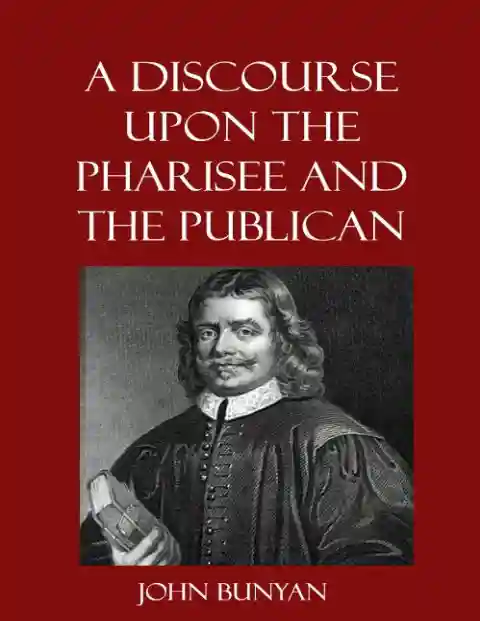

A Discourse Upon The Pharisee And Publican Order Printed Copy
- Author: John Bunyan
- Size: 790KB | 147 pages
- |
Others like a discourse upon the pharisee and publican Features >>


-160.webp)
About the Book
"A Discourse upon the Pharisee and Publican" by John Bunyan is a religious allegory that examines the parable of the Pharisee and the tax collector from the Gospel of Luke. Bunyan uses this story to highlight the dangers of self-righteousness and the importance of humility in one's relationship with God. The book emphasizes the need for sincerity, repentance, and reliance on God's mercy for salvation.
Richard Wurmbrand
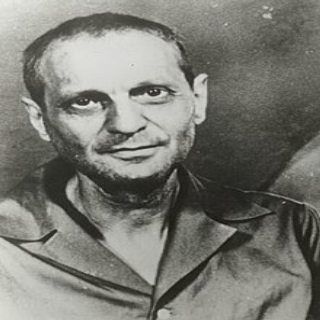 Richard Wurmbrand (1909 – 2001) was born in 1909 in Bucharist in the country of Romania. He was the youngest of four boys born in a Jewish family. He lived with his family in Istanbul for a short time. When he was 9, his father died and the Wurmbrands returned to Romania when he was 15.
He was sent to study Marxism in Moscow. When he returned, he was already a Comintern Agent. A Comintern Agent was a member of the Communist International Organisation which intended to fight:
Like other Romanian Communists, he was arrested and released several times.
He married Sabina Oster on 26th October 1936. Wurmbrand and his wife went to live in an isolated village high in the mountains of Romania. But, as a athiest there was no peace to be found in his heart. So one day, when his heart was in a state of turmoil he cried out:
“God, if perchance you exist, it is Your duty to reveal yourself to me.”
Shorthly after he prayed that prayer, he met a German carpenter in his village who gave him a bible. The carpenter and his wife had been praying earnestly that God would bring a Jew to his village, because the carpenter wanted to bring a Jew to Christ, because Jesus was a Jew. So the carpenter gave him a Bible to read. Wurmbrand said, when he opened that Bible he could not stop weeping. He had read the Bible before but it had meant nothing to him. This time when he opened the Bible he could barely read it because of the copious amount of tears that filled his eyes. Sometime later he found out the carpenter and his wife had been praying earnestly for him. Wurnbrand said that every word that he read were like flames of love burning in his heart. He realized for the first ime in his life that there was a God of love who loved him, even though he had beeen living a bad life and had nurtured a hated towards the concept of a ‘loving’ God.
The Power of Intercessory Prayer
But now for the first time he knew that Jesus had suffered at the cross of Calvary for his sins and he was loved and accepted of God. Richard and his wife became believers in Jesus the Messiah. All the hatred that he had formerly held toward God was washed away under the blood of Christ and Richard and his wife Sabrina were born of the Spirit. That is the power of intercessory prayer!
Richard prepared himself for the ministry. He was ordained as an Anglican minister in 1938 at the start of world war 2. Both Richard and his wife were arrested several times. They were beaten and hauled before a Nazi court. They suffered under the Nazi regime throughout world war 2. But Richard said, it was only a taste of what was to come.
Russian Troups Enter Romania
Towards the end of world war 2, Richard Wurmbrand became a Lutheran and he pastored a Lutheran church in Romania. But, the same year, 1 million Russian troups entered and occupied the entire territory of Romania.
Within a very short space of time the Communists took over Romania. The reign of terror began. Out of fear 4,000 priests, pastors & ministers became Communists overnight. They confessed their allegience and loyalty to the new Communist Government because they all feared for their survival.
Romania’s Resistance
Harsh persecutions of any enemies of the Communist government started with the Soviet occupation in 1945. The Soviet army behaved as an occupation force (although theoretically it was an ally against Nazi Germany), and could arrest virtually anyone at will. Shortly after Soviet occupation, ethnic Germans (who were Romanian citizens and had been living as a community in Romania for 800 years) were deported to the Donbas coal mines. Despite the King’s protest, who pointed out that this was against international law, an estimated 70,000 men and women were forced to leave their homes, starting in January 1945, before the war had even ended. They were loaded in cattle cars and put to work in the Soviet mines for up to ten years as “reparations”, where about one in five died from disease, accidents and malnutrition.
Once the Communist government became more entrenched, the number of arrests increased. All strata of society were involved, but particularly targeted were the pre-war elites, such as intellectuals, clerics, teachers, former politicians (even if they had left-leaning views) and anybody who could potentially form the nucleus of anti-Communist resistance. The existing prisons were filled with political prisoners, and a new system of forced labor camps and prisons was created, modeled after the Soviet Gulag. Some of the most notorious prisons included Sighet, Gherla, Piteşti and Aiud, and forced labor camps were set up at lead mines and in the Danube Delta.
Underground Church
Richard and his wife knew that Christianity and Communism were totally opposed to each other. They knew that a true follower of Christ cannot compromise. So they created an “Underground Church” movement to preach the pure gospel of Christ and to reach out to the unsaved people of Romania and secondly to reach out secretly to the Russian soldiers. They secretly printed thousands of Bibles and Christian literature and distributed it to the Russian soldiers. Many of the Russian soldiers were convicted and they gave their life to Christ.
So the underground church grew. But, in 1948 the Secret Police arrested Wurmbrand and he was placed in solitary confinement for 3 years. He was then transferred to a group cell for the next five years. Whilst in prison he continued to win the other prisoners to Christ. After 8 years in prison he was released and he immediately resumed his work with the undergound church. A few years later, 1959, he was arrested again and was sentenced to 25 years in prison. However, after spending 5 years in prison an organisation called the Christian Alliance negotiated with the Communist Government and they managed to secure his release for a fee of $10,000. They quickly got Richard Wurmbrand out of Romania and took him to England, then to the USA.
In 1966, Richard was called to Washington DC to give his testimony before the United States Senate. He took off his shirt to show the Senate the scars and the wounds that he received whilst he served time in prison under the Communist Government in Romania.
The newspapers throughout the USA, Europe and Asia carried his story all across the world. Christian leaders called him the “Voice of the Underground Church.”
In 1967, with a $100 old typewriter and 500 names and addresses, Richard Wurmbrand published the first issue of THE VOICE OF THE MARTYRS newsletter. This newsletter was dedicated to communicating the testimonies and trails facing our brothers and sisters in restricted nations worldwide. Richard wrote:
“The message I bring from the Underground Church is:
“Don’t abandon us!”
“Don’t forget us!”
“Don’t write us off!”
“Give us the tools we need! We will pay the price for using them!”
“This is the message I have been charged to deliver to the free church.”
Richard Wurmbrand and his wife travelled throughout the world to establish a network of over 30 offices. Their primary aim was to call Christians to shoulder their responsibility and to demonstrate the real substance of their faith by supporting their brothers and sisters in Christ who are being persecuted in heathen lands.
The VOICE OF THE MARTYRS newsletter continues to inform, and lead to action, Christians throughout the free world of the plight of those who suffer for their faith in Jesus Christ. Throughout their network of offices around the world, the newsletter is published in over 30 different languages. To this cause, VOICE OF THE MARTYRS presses on, serving in nearly 40 countries around the world where our brothers and sisters are systematically persecuted.
The writer of the Book of Hebrews brings a convicting word to the Christian church:
” Remember them that are in bonds, as bound with them; and them that suffer adversity, as being yourselves also in the body.”
(Hebrews 13:3)
We have a responsibility to those who suffer for their faith in Christ.
Today, there is an estimated 200 million Christians in heathen nations who are suffering persecution for their faith in Christ.
Richard Wurmbrand (1909 – 2001) was born in 1909 in Bucharist in the country of Romania. He was the youngest of four boys born in a Jewish family. He lived with his family in Istanbul for a short time. When he was 9, his father died and the Wurmbrands returned to Romania when he was 15.
He was sent to study Marxism in Moscow. When he returned, he was already a Comintern Agent. A Comintern Agent was a member of the Communist International Organisation which intended to fight:
Like other Romanian Communists, he was arrested and released several times.
He married Sabina Oster on 26th October 1936. Wurmbrand and his wife went to live in an isolated village high in the mountains of Romania. But, as a athiest there was no peace to be found in his heart. So one day, when his heart was in a state of turmoil he cried out:
“God, if perchance you exist, it is Your duty to reveal yourself to me.”
Shorthly after he prayed that prayer, he met a German carpenter in his village who gave him a bible. The carpenter and his wife had been praying earnestly that God would bring a Jew to his village, because the carpenter wanted to bring a Jew to Christ, because Jesus was a Jew. So the carpenter gave him a Bible to read. Wurmbrand said, when he opened that Bible he could not stop weeping. He had read the Bible before but it had meant nothing to him. This time when he opened the Bible he could barely read it because of the copious amount of tears that filled his eyes. Sometime later he found out the carpenter and his wife had been praying earnestly for him. Wurnbrand said that every word that he read were like flames of love burning in his heart. He realized for the first ime in his life that there was a God of love who loved him, even though he had beeen living a bad life and had nurtured a hated towards the concept of a ‘loving’ God.
The Power of Intercessory Prayer
But now for the first time he knew that Jesus had suffered at the cross of Calvary for his sins and he was loved and accepted of God. Richard and his wife became believers in Jesus the Messiah. All the hatred that he had formerly held toward God was washed away under the blood of Christ and Richard and his wife Sabrina were born of the Spirit. That is the power of intercessory prayer!
Richard prepared himself for the ministry. He was ordained as an Anglican minister in 1938 at the start of world war 2. Both Richard and his wife were arrested several times. They were beaten and hauled before a Nazi court. They suffered under the Nazi regime throughout world war 2. But Richard said, it was only a taste of what was to come.
Russian Troups Enter Romania
Towards the end of world war 2, Richard Wurmbrand became a Lutheran and he pastored a Lutheran church in Romania. But, the same year, 1 million Russian troups entered and occupied the entire territory of Romania.
Within a very short space of time the Communists took over Romania. The reign of terror began. Out of fear 4,000 priests, pastors & ministers became Communists overnight. They confessed their allegience and loyalty to the new Communist Government because they all feared for their survival.
Romania’s Resistance
Harsh persecutions of any enemies of the Communist government started with the Soviet occupation in 1945. The Soviet army behaved as an occupation force (although theoretically it was an ally against Nazi Germany), and could arrest virtually anyone at will. Shortly after Soviet occupation, ethnic Germans (who were Romanian citizens and had been living as a community in Romania for 800 years) were deported to the Donbas coal mines. Despite the King’s protest, who pointed out that this was against international law, an estimated 70,000 men and women were forced to leave their homes, starting in January 1945, before the war had even ended. They were loaded in cattle cars and put to work in the Soviet mines for up to ten years as “reparations”, where about one in five died from disease, accidents and malnutrition.
Once the Communist government became more entrenched, the number of arrests increased. All strata of society were involved, but particularly targeted were the pre-war elites, such as intellectuals, clerics, teachers, former politicians (even if they had left-leaning views) and anybody who could potentially form the nucleus of anti-Communist resistance. The existing prisons were filled with political prisoners, and a new system of forced labor camps and prisons was created, modeled after the Soviet Gulag. Some of the most notorious prisons included Sighet, Gherla, Piteşti and Aiud, and forced labor camps were set up at lead mines and in the Danube Delta.
Underground Church
Richard and his wife knew that Christianity and Communism were totally opposed to each other. They knew that a true follower of Christ cannot compromise. So they created an “Underground Church” movement to preach the pure gospel of Christ and to reach out to the unsaved people of Romania and secondly to reach out secretly to the Russian soldiers. They secretly printed thousands of Bibles and Christian literature and distributed it to the Russian soldiers. Many of the Russian soldiers were convicted and they gave their life to Christ.
So the underground church grew. But, in 1948 the Secret Police arrested Wurmbrand and he was placed in solitary confinement for 3 years. He was then transferred to a group cell for the next five years. Whilst in prison he continued to win the other prisoners to Christ. After 8 years in prison he was released and he immediately resumed his work with the undergound church. A few years later, 1959, he was arrested again and was sentenced to 25 years in prison. However, after spending 5 years in prison an organisation called the Christian Alliance negotiated with the Communist Government and they managed to secure his release for a fee of $10,000. They quickly got Richard Wurmbrand out of Romania and took him to England, then to the USA.
In 1966, Richard was called to Washington DC to give his testimony before the United States Senate. He took off his shirt to show the Senate the scars and the wounds that he received whilst he served time in prison under the Communist Government in Romania.
The newspapers throughout the USA, Europe and Asia carried his story all across the world. Christian leaders called him the “Voice of the Underground Church.”
In 1967, with a $100 old typewriter and 500 names and addresses, Richard Wurmbrand published the first issue of THE VOICE OF THE MARTYRS newsletter. This newsletter was dedicated to communicating the testimonies and trails facing our brothers and sisters in restricted nations worldwide. Richard wrote:
“The message I bring from the Underground Church is:
“Don’t abandon us!”
“Don’t forget us!”
“Don’t write us off!”
“Give us the tools we need! We will pay the price for using them!”
“This is the message I have been charged to deliver to the free church.”
Richard Wurmbrand and his wife travelled throughout the world to establish a network of over 30 offices. Their primary aim was to call Christians to shoulder their responsibility and to demonstrate the real substance of their faith by supporting their brothers and sisters in Christ who are being persecuted in heathen lands.
The VOICE OF THE MARTYRS newsletter continues to inform, and lead to action, Christians throughout the free world of the plight of those who suffer for their faith in Jesus Christ. Throughout their network of offices around the world, the newsletter is published in over 30 different languages. To this cause, VOICE OF THE MARTYRS presses on, serving in nearly 40 countries around the world where our brothers and sisters are systematically persecuted.
The writer of the Book of Hebrews brings a convicting word to the Christian church:
” Remember them that are in bonds, as bound with them; and them that suffer adversity, as being yourselves also in the body.”
(Hebrews 13:3)
We have a responsibility to those who suffer for their faith in Christ.
Today, there is an estimated 200 million Christians in heathen nations who are suffering persecution for their faith in Christ.
The Hill We All Must Die On
The doctrine of penal substitution is under attack today — and that’s an understatement. From voices outside of evangelical theology to those within, the historic Reformation view of the cross is claimed to be a “modern” invention from the cultural West. Others criticize the doctrine as sanctioning violence, privileging divine retributive justice over God’s love, condoning a form of divine child abuse, reducing Scripture’s polychrome presentation of the cross to a lifeless monochrome, being too “legal” in orientation, and so on. All of these charges are not new. All of them have been argued since the end of the 16th century, and all of them are false. Yet such charges reflect the corrosive effects of false ideas on theology and a failure to account for how the Bible, on its own terms, interprets the cross. Given the limitations of this article, I cannot fully respond to these charges. Instead, I will briefly state four truths that unpack the biblical-theological rationale of penal substitution. In so doing, my goal is to explain why penal substitution should be embraced as God’s good news for sinners. Four Questions to Get Right It is only in viewing Christ as our penal substitute that we truly understand the depth of God’s holy love for us, the horrendous nature of our sin before God, and the glory of our substitute — Jesus Christ our Lord — whose obedient life and penal death achieved our right standing before God and the full forgiveness of our sins. Let us now turn to these truths that are crucial to affirm and that lead us to glory in our Lord Jesus Christ as our penal substitute. 1. Who Is God? First, we must get right who God is as our triune Creator-Covenant Lord. Mark it well: debates over the nature of the atonement are first and foremost doctrine of God debates. If our view of God is sub-biblical, we will never get the cross right. From the opening verses of Scripture, God is presented as eternal, a se (life from himself), holy love, righteous, and good — the triune God who is complete in himself and who needs nothing from us (Genesis 1–2; Psalm 50:12–14; Isaiah 6:1–3; Acts 17:24–25; Revelation 4:8–11). One crucial implication of this description is that God, in his very nature, is the moral standard of the universe. This is why we must not think of God’s law as something external to him that he may relax at will. Instead, the triune God of Scripture is the law; his will and nature determine what is right and wrong. This view of God is often forgotten in today’s discussion of the atonement. Following the “New Perspective on Paul,” some argue that God’s justice/righteousness is only “God’s covenant faithfulness,” that is, God remaining true to his promises. No doubt this is true. However, what this view fails to see is that “righteousness-justice-holiness” is first tied to God’s nature as God. That is why, in light of sin, God, who is the law, cannot overlook our sin. God’s holy justice demands that he not only punish all sin, but also, if he graciously chooses to justify the ungodly (Romans 4:5), he must do so by fully satisfying his own righteous, holy moral demand. Thus, given our sin and God’s gracious choice to redeem us, the question that emerges across redemptive history is this: How will God demonstrate his holy justice and covenant love and remain true to himself? The answer is only found in the Father’s gift of his Son, Jesus’s obedient life and substitutionary death, that results in our justification before God in Christ (Romans 3:21–26). 2. Who Is Man? Second, we must get right who humans are as God’s image-sons created to be in covenant relationship with God. Specifically, we must grasp who Adam is, not only as a historic person, but also as the covenant representative/head of the human race (Romans 5:12–21; 1 Corinthians 15:21–22). Why is this significant? Because in creation, our triune Creator-Covenant God sets the conditions of the covenant and rightly demands from Adam (and all of us) total trust, love, and obedience — a truth reflected in God’s first command. But the flip side is also true: If there is covenant disobedience, given who God is, there is also his holy judgment against our sin that results in the penalty of physical and spiritual death (Genesis 2:15–17; cf. Romans 6:23). 3. How Can God Justify Sinners? Third, we must get right the serious problem of our sin before God. Sadly, Adam did not love God with full covenant devotion. Instead, he disobeyed God, thus bringing sin, death, and God’s curse into the world. In the Bible’s storyline, Adam’s sin changes everything! From Genesis 3 forward, “in Adam,” the entire human race becomes guilty, corrupted, condemned, and under the judicial sentence of death (Genesis 3; Romans 5:12–21; Ephesians 2:1–3). If God is going to redeem, which he has graciously promised to do (Genesis 3:15), how is he going to do it? Remember, given who God is in all of his moral perfection, and given that he is the standard of holy justice who will not deny himself, how will God declare sinners justified before him apart from the full satisfaction of his moral demand? God must punish sin and execute perfect justice because he is holy, just, and good. He cannot overlook our sin nor relax the demands of his justice, and in truth, thankfully so! But to justify us, our sin must be fully atoned. How, then, can God punish our sin, satisfy his own righteous demand, and justify sinners? Add to this point: To undo, reverse, and pay for Adam’s sin, we need someone who will come from the human race and identify with us (Genesis 3:15), render our required covenantal obedience, and pay the penalty for our sin. We need someone who will become our covenant representative and substitute, and by his obedient life and penal death secure our justification before God. And wonder of wonders, Scripture gloriously announces that there is one man — and only one — who can do this for us, namely our Lord Jesus Christ (Hebrews 2:5–18). 4. Who Is Jesus? Fourth, we must get right who Jesus is, what he does for us, and that he alone can redeem, reconcile, and justify us before God. Who is the Jesus of the Bible? In short, he is God the Son incarnate, the second person of the triune Godhead. He is no abused child or some third-party individual who stands independent of God. We cannot think of his atoning work apart from thinking of the entire triune God accomplishing our salvation. Furthermore, as the eternal Son, eternally loved of his Father and the Spirit, in God’s plan, he voluntarily took on the role of becoming our Redeemer. And in his incarnation, he identified with us in order to represent us before God (Hebrews 5:1). In his obedient human life, Jesus, as the Mediator of the new covenant, obeyed for us as our legal covenant representative. In his obedient death, Jesus, as the divine Son, satisfied his own righteous demand against us by bearing the penalty of our sin as our substitute (Romans 5:18–19; Philippians 2:6–11; Hebrews 5:1–10). And in doing all of this, the Father’s love was revealed in Jesus’s penal substitution because of who Jesus is as the Son incarnate, the Last Adam, and the only Mediator of God’s people (Romans 5:8–11). Don’t Get Bored with the Gospel The truth of the matter is this: penal substitution is not a view to be replaced by something “better” or dismissed as a relic of the past. There is no greater news than this: Christ Jesus, as the divine Son incarnate, perfectly meets our need before God by his obedient life and substitutionary death. In Christ the triune love of God is gloriously revealed because in Christ we receive the gift of righteousness which is now ours by faith in him. In union with his people, Christ, as our new covenant head, obeys in our place, dies our death, and satisfies divine justice, which is evidenced in his glorious resurrection. As a result, by faith alone, in Christ alone, his righteousness is ours — now and forever (Romans 8:1; 2 Corinthians 5:21; Galatians 3:13). By faith-union in Christ, we stand complete: justified before God by the forgiveness of our sins and clothed in his righteousness (Romans 4:1–8; 5:1–2). Following the Bible’s teaching on this matter, may we learn anew to say with Paul, “For I decided to know nothing . . . except Jesus Christ and him crucified” (1 Corinthians 2:2). “Thanks be to God for his inexpressible gift!” (2 Corinthians 9:15). Article by Stephen Wellum