
Others like the school of the seers Features >>
-160.webp)
Renovation Of The Heart: Putting On The Character Of Christ
The Holy Spirit And His Gifts

No Handle On The Cross - An Asian Meditation On The Crucified Mind

What Is The Fear Of The Lord
-160.webp)
School Of The Presence: Walking In Power, Intimacy, And Authority On Earth As It Is In Heaven
The Code Of The Holy Spirit
The Art Of War For Spiritual Battle
The Sins Of The Mouth
In The School Of Christ - Lessons On Holiness In John 13–17
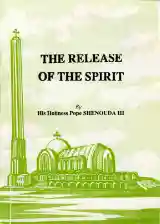
The Release Of The Spirit
About the Book
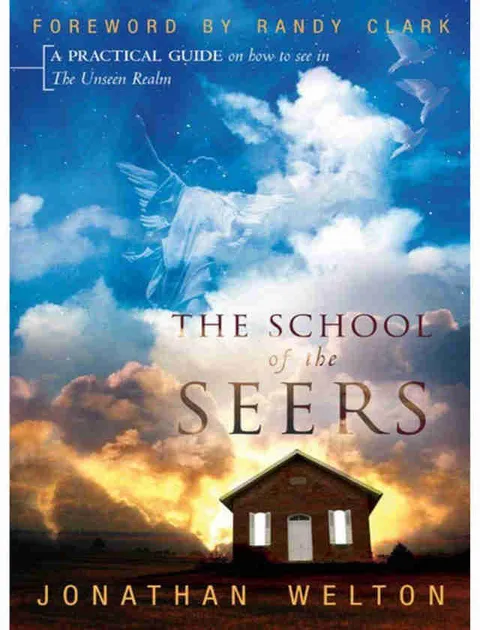
"The School of the Seers" by Jonathan Welton is a guide to understanding and developing the prophetic gift of seeing in the spirit. The book explores the biblical basis for the gift of prophecy and offers practical steps for increasing spiritual discernment and vision. It covers topics such as spiritual sight, dreams, and visions, and provides tools for interpreting and applying revelation from the Lord. Overall, it encourages readers to deepen their relationship with God and grow in their ability to hear and see His voice.
Adoniram Judson

Why Not Giving Can Hurt You
I have this one friend, everywhere she goes, she gives gifts. Roses to teachers, journals to me, and flowers to so many. She is gifted in gifts. Is she trying to make me look bad? She is so impressive! I am normally the one loaded with 2 kids, a purse loaded with the rock of baby wipes and a to-do list times one thousand. Getting out to buy gifts feels as impossible as moving a herd of animals through the eye of a needle. Giving is something I always want to do, but it takes a back seat to my life. It's something that I love to get, but have a hard time extending. I know it blesses, but it also heightens my stresses. Yet, research has proven that giving: - increases the health of those with chronic illnesses (Stephen Post, Why Good Things Happen to Good People) - decreases the risk of dying in the elderly after volunteering (Doug Oman, University of California, Berkeley) - lowers stress and blood pressure. Clearly giving is a great thing. The more we outpour the more that inpours to us. A woman came with a special sealed jar. It contained very expensive perfume made out of pure nard. She broke the jar open and poured the perfume on Jesus’ head. Mk. 14:3 This woman outpoured a ton - a year's worth of salary. Her deep sacrifice was a true outpouring of her heart. There is no mention of the kids screaming at home, the wipes in her bag or the lists of things she had to do, she just poured out. When we keep our eyes on Jesus, suddenly our excuses grow small and our causes grow big. This woman poured out great love through this great gift, a great sacrifice for a great God and a great example for the great, great, great...grandchildren of Jesus today. What would happen if we poured out like she did? Might Jesus say to us: She has done a beautiful thing to me... Mark 14:6 Might our name be more greatly etched into the world and eternity? What she has done will be told anywhere the good news is preached all over the world. It will be told in memory of her.” Mk 14:9 As she stood...weeping, she began to wet his feet with her tears. Then she wiped them with her hair, kissed them and poured perfume on them. Lu. 7:38 When we pour, like this woman and then our hearts melt like wax. The wick of our pride, selfishness and complacency melt down to the ground, leaving us on our knees, where we receive and give our very best. We take our hair and we wipe the feet of others. We get into the nitty gritty of grime, into the places where it feels uncomfortable, into the places where we prepare others for a new life. It's in the offering of our greatest - in the wiping of the dirty - that we get to kiss the feet of the one who walked into desolate dry hearts to make abundant new life. When we touch these needy, unseen and untouchable places with our greatest gift, love, we find our hearts are restored. We find it's so much less about the other and so much more about Jesus reconfiguring our vision. We find deeper connection with the recipient and with the one who is all sufficient. Giving is the only gift that hands back more than we could ever hand out. It's one of the only ways to get more than you ever asked for. Kelly Balarie