
Others like don't sweat the small stuff Features >>








About the Book
"Don't Sweat the Small Stuff" by Richard Carlson offers practical strategies and advice for managing stress and achieving a more peaceful and balanced life. The book emphasizes the importance of letting go of insignificant worries and focusing on what truly matters, encouraging readers to prioritize self-care, mindfulness, and positive thinking. Through simple yet powerful insights, Carlson helps readers cultivate a more mindful and fulfilling approach to daily life.
William and Catherine Booth
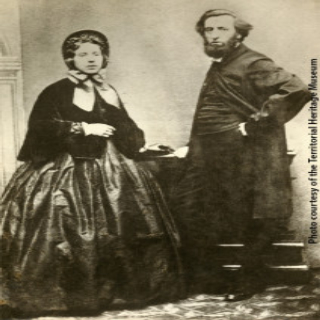 William Booth
The Salvation Army founder, William Booth was born in Nottingham, England, on 10 April 1829.
Salvation Army founder General William BoothFrom his earliest years, William was no stranger to poverty. He was just 14 when his father died and was already working as a pawnbroker’s apprentice to supplement the family’s income.
As a pawnbroker, William saw poverty and suffering on a daily basis. By the time he finished his six-year apprenticeship, he had developed a deep hatred of it.
William, a fiery and impulsive teenager, became a Christian at 15 and began attending the local Wesleyan Chapel. There, he developed the passion that would be the driving force in his life; to reach the down and out of Britain's cities through the Gospel of Christ.
William, a talented preacher from a young age, went on to work as a travelling evangelist with the Methodist church. But it was through preaching in the streets of London's slums that he discovered his life's purpose and The Salvation Army was born.
Catherine Booth
The Salvation Army "mother", Catherine Mumford was born in Ashbourne, Derbyshire, on 17 January 1829.
The Salvation Army founder and Army mother Catherine BoothFrom an early age, she was a serious and sensitive girl with a strong Christian upbringing. By the age of 12, it's said that she had read the Bible through eight times.
At 14, Catherine became ill and spent a great deal of time in bed. She kept herself busy, especially concerned about the problems of alcohol. She wrote articles for a magazine, encouraging people not to drink.
But at 16, she came wholly into her faith. Reading the words, 'My God I am Thine, what a comfort Divine' in her hymn book, she realised the truth of them for herself.
A gentle woman with powerful appeal, Catherine would go on to co-found The Salvation Army and prove an inspiration to women in a harsh time.
Life together
Catherine and William met when he came to preach at her church. They soon fell in love and became engaged. During their three-year engagement, William continued his work as a travelling evangelist. Catherine was a constant support to William, writing him letters of encouragement on his travels.
They married on 16 June 1855.
Together, William and Catherine embarked on a lifelong journey to answer the call of God to bring the Gospel to the people. While William was a natural speaker, Catherine was a quiet woman and not at all accustomed to speaking at gatherings. It took time for her to find her voice, but she was driven by a conviction that woman had the same rights as men to speak. She grew into a courageous speaker, known for her gentle manner but powerful appeal, counselling alcoholics in their homes and holding cottage meetings for new faithfuls.
They were also parents to a growing family of eight children, who were brought up with a firm Christian education and a great love for their God’s mission. Two of their children, Bramwell and Evangeline would go on to be Generals of The Salvation Army.
In 1865, William, by now an independent evangelist, along with Catherine founded The Christian Mission. William preached to the poor while Catherine spoke to the wealthy to gain support for their financially demanding work. In time, she began to hold her own fundraising campaigns.
It was not until 1878 that The Christian Mission became known as The Salvation Army. Modelled after the military with William and his fellow ministers a part of God’s Army, seeking salvation for the masses. William was appointed the first General and his ministers became “officers”.
Catherine became known as “The Army Mother” and remained a strong voice on The Salvation Army’s ideas on social issues and matters of belief.
With its strong focus on the downtrodden and dispossessed, The Salvation Army began to grow beyond Britain’s borders. In William’s lifetime, the Army would be established in 58 countries and colonies. Its mission was and is still guided by William’s book “In Darkest England and the Way Out”, which maps out a revoluntionary approach to social engagement never before undertaken by a church.
Both Catherine and William worked tirelessly to bring the Gospel to all, establishing a movement in the form of The Salvation Army. But, on 4th October 1890, Catherine lost her ongoing battle with ill health. Her son, Bramwell, described her passing as “a warrior laid down her sword to receive her crown”.
William continued on for many years, traveling all over the world to oversee his growing Army. On 20th August 1912, William Booth was, in Salvation Army terms, promoted to glory.
Though passed, both William and Catherine continue to be guiding influences in The Salvation Army and stand as the mightiest examples of how God uses the ordinary to create the extraordinary.
William Booth
The Salvation Army founder, William Booth was born in Nottingham, England, on 10 April 1829.
Salvation Army founder General William BoothFrom his earliest years, William was no stranger to poverty. He was just 14 when his father died and was already working as a pawnbroker’s apprentice to supplement the family’s income.
As a pawnbroker, William saw poverty and suffering on a daily basis. By the time he finished his six-year apprenticeship, he had developed a deep hatred of it.
William, a fiery and impulsive teenager, became a Christian at 15 and began attending the local Wesleyan Chapel. There, he developed the passion that would be the driving force in his life; to reach the down and out of Britain's cities through the Gospel of Christ.
William, a talented preacher from a young age, went on to work as a travelling evangelist with the Methodist church. But it was through preaching in the streets of London's slums that he discovered his life's purpose and The Salvation Army was born.
Catherine Booth
The Salvation Army "mother", Catherine Mumford was born in Ashbourne, Derbyshire, on 17 January 1829.
The Salvation Army founder and Army mother Catherine BoothFrom an early age, she was a serious and sensitive girl with a strong Christian upbringing. By the age of 12, it's said that she had read the Bible through eight times.
At 14, Catherine became ill and spent a great deal of time in bed. She kept herself busy, especially concerned about the problems of alcohol. She wrote articles for a magazine, encouraging people not to drink.
But at 16, she came wholly into her faith. Reading the words, 'My God I am Thine, what a comfort Divine' in her hymn book, she realised the truth of them for herself.
A gentle woman with powerful appeal, Catherine would go on to co-found The Salvation Army and prove an inspiration to women in a harsh time.
Life together
Catherine and William met when he came to preach at her church. They soon fell in love and became engaged. During their three-year engagement, William continued his work as a travelling evangelist. Catherine was a constant support to William, writing him letters of encouragement on his travels.
They married on 16 June 1855.
Together, William and Catherine embarked on a lifelong journey to answer the call of God to bring the Gospel to the people. While William was a natural speaker, Catherine was a quiet woman and not at all accustomed to speaking at gatherings. It took time for her to find her voice, but she was driven by a conviction that woman had the same rights as men to speak. She grew into a courageous speaker, known for her gentle manner but powerful appeal, counselling alcoholics in their homes and holding cottage meetings for new faithfuls.
They were also parents to a growing family of eight children, who were brought up with a firm Christian education and a great love for their God’s mission. Two of their children, Bramwell and Evangeline would go on to be Generals of The Salvation Army.
In 1865, William, by now an independent evangelist, along with Catherine founded The Christian Mission. William preached to the poor while Catherine spoke to the wealthy to gain support for their financially demanding work. In time, she began to hold her own fundraising campaigns.
It was not until 1878 that The Christian Mission became known as The Salvation Army. Modelled after the military with William and his fellow ministers a part of God’s Army, seeking salvation for the masses. William was appointed the first General and his ministers became “officers”.
Catherine became known as “The Army Mother” and remained a strong voice on The Salvation Army’s ideas on social issues and matters of belief.
With its strong focus on the downtrodden and dispossessed, The Salvation Army began to grow beyond Britain’s borders. In William’s lifetime, the Army would be established in 58 countries and colonies. Its mission was and is still guided by William’s book “In Darkest England and the Way Out”, which maps out a revoluntionary approach to social engagement never before undertaken by a church.
Both Catherine and William worked tirelessly to bring the Gospel to all, establishing a movement in the form of The Salvation Army. But, on 4th October 1890, Catherine lost her ongoing battle with ill health. Her son, Bramwell, described her passing as “a warrior laid down her sword to receive her crown”.
William continued on for many years, traveling all over the world to oversee his growing Army. On 20th August 1912, William Booth was, in Salvation Army terms, promoted to glory.
Though passed, both William and Catherine continue to be guiding influences in The Salvation Army and stand as the mightiest examples of how God uses the ordinary to create the extraordinary.
do not fear to leave this world
Perhaps you will feel the same discomfort I felt overhearing saints of old speak of death. “He who does not prepare for death is more than an ordinary fool. He is a madman,” began Charles Spurgeon. “Agreed,” said the good Doctor Martyn Lloyd-Jones. Men seem to ignore the plain fact that “the moment you come into this world you are beginning to go out of it.” But this fact need not spell doom and gloom for the Christian, Spurgeon responded. “The best moment of a Christian’s life is his last one, because it is the one that is nearest heaven.” “I concur fully,” Richard Sibbes chimed in. “Death is not now the death of me, but death will be the death of my misery, the death of my sins; it will be the death of my corruptions. But death will be my birthday in regard of happiness.” “When Christ calls me home,” Adoniram Judson added, “I shall go with the gladness of a boy bounding away from school.” “May I also interject?” asked Calvin. “We may positively state that nobody has made any progress in the school of Christ, unless he cheerfully looks forward towards the day of his death, and towards the day of the final resurrection.” “This strikes me as true,” said Thomas Brooks. “It is no credit to your heavenly Father for you to be loath to go home.” “And why should we hesitate?” Samuel Bolton questioned. It is the “privilege of saints, that they shall not die until the best time, not until when, if they were but rightly informed, they would desire to die.” “Exactly.” For the child of God, “death is the funeral of all our sorrows,” reasoned Thomas Watson. “Death will set a true saint out of the gunshot and free him from sin and trouble.” “Indeed,” John Bunyan added, “death is but a passage out of a prison into a palace.” As I listened, I overheard the most disquieting questions. “Has this world been so kind to you that you would leave it with regret?” C.S. Lewis posed. “If we really believe that home is elsewhere and that this life is a ‘wandering to find home,’ why should we not look forward to the arrival?” “Hear! Hear!” exclaimed William Gurnall. “Let thy hope of heaven master thy fear of death. Why shouldest thou be afraid to die, who hopest to live by dying?” “I am packed, sealed, and waiting for the post,” cried John Newton. “Who would live always in such a world as this?” Even snippets of their prayers issued a subtle rebuke. I could not help but hear one George Whitefield plead, “Lord, keep me from a sinful and too eager desire after death. I desire not to be impatient. I wish quietly to wait till my blessed change comes.” This proved the final blow. These men anticipated death, viewed an early departure as a “promotion.” I lowered my gaze. I rarely think this way, rarely feel this way. Do I really believe in heaven? Do I really love my Lord? Snuggled in This Life My squeamishness, flipping through an anthology of Christian quotes, helped me realize that my discipleship has slanted too American, too shortsighted, too this-worldly. “Are you packed and ready to go?” Well, I was hoping to set sail several decades from now, so — “Has this world been so kind to you that you would leave it with regret?” Well, I wouldn’t give it a ten-star rating, but it certainly hasn’t been half that bad (yet). So yeah, maybe — “Nobody has made any progress in the school of Christ, unless he cheerfully looks forward towards the day of his death, and towards the day of the final resurrection.” Well, that’s intense. “It is no credit to your heavenly Father for you to be loath to go home.” I see — worthy point. No credit to Jesus either, I imagine. “These men daily lived awake to the truths I daily profess to believe.” These men daily lived awake to the truths I daily profess to believe; they inhabited them, longing to fly away and be with Christ. Although they loved families, enjoyed things of earth, and did good in this world, they nevertheless were unafraid to dive headfirst into those cold waters of death at the first moment their Master allowed. They believed, with Paul, that “to depart and be with Christ . . . is far better” (Philippians 1:23). I discovered then just how snuggled by the fireside I had become in this world. A place I too readily felt to be home . Epitaphs of Exiles My heart can live too much here , too little there . “My life is hidden with Christ,” I must remind myself (Colossians 3:3). As this world seeks to entice my affections to linger in its marketplace, I desire to be more of a heavenly disciple. And if you love Jesus but think too little of the life to come, I know you will agree. Oh, that this might be a true inscription over our graves, and all the more since we live after the coming of Christ, and the down payment of the Spirit: These all died in faith, not having received the things promised, but having seen them and greeted them from afar, and having acknowledged that they were strangers and exiles on the earth. For people who speak thus make it clear that they are seeking a homeland. If they had been thinking of that land from which they had gone out, they would have had opportunity to return. But as it is, they desire a better country, that is, a heavenly one. Therefore God is not ashamed to be called their God, for he has prepared for them a city. (Hebrews 11:13–16) Abraham, by faith, left his home in Mesopotamia, not even knowing where God was leading him (Hebrews 11:8). He lived in the promised land before he could call it home, dwelling there as a foreigner. Isaac and Jacob, heirs with Abraham of God’s promise, lived in tents of temporality; their home was not yet (Hebrews 11:9). “Once God saved them, they refused to unpack their hopes again in this world.” Abraham’s eyes were elsewhere. “He was looking forward to the city that has foundations, whose designer and builder is God” (Hebrews 11:10). And he and his sons bore the heavenly insignia in their speech: they acknowledged, to anyone who cared to know, that they would live and die on this earth as exiles and sojourners (Genesis 23:4; 47:9). Once God saved them, they refused to unpack their hopes again in this world. The land far-off — big as God’s promise, sure as God’s word — held their allegiance. They made it clear that they sought a homeland not built by human hands. As the world tried to tempt them back, the bait remained on the hook. Better to live in a tent in this world with a heavenly city before them than to dwell in the tottering kingdoms of men. They desired a better country, a heavenly one. And God is not ashamed to be called “the God of Abraham, the God of Isaac, the God of Jacob” (Exodus 3:6). He is not ashamed in the least to be the one they so hoped in, for he has prepared for them a city . Still at Sea So, is your mind mainly set on this world or the next? This world is not our home, precious saint. We are not yet in our element. We fling open the window and send our dove about this earth, finding that it returns to us having found no homeland within this watery grave. But this world will be drained soon enough. The swells of judgment shall intensify and then subside. The new heavens and new earth shall arrive, and our Mighty Dove shall descend with a sword in his mouth for his enemies and an olive branch for us. Until then, keep waiting, keep hoping, keep acknowledging, keep living in tents, longing for that moment when we can bound away from this world as the Father calls us home.