
-480.webp)

Heaven Awaits The Bride: A Breathtaking Glimpse Of Eternity Order Printed Copy
- Author: Anna Rountree
- Size: 2.41MB | 714 pages
- |
Others like heaven awaits the bride: a breathtaking glimpse of eternity Features >>

Death And The Life After
-160.webp)
Heaven Is For Real: A Little Boy's Astounding Story Of His Trip To Heaven And Back

Engaging The Revelatory Realm Of Heaven: Entrance To Hidden Mysteries

The Road To Hell

Divine Revelation Of Deliverance

Eternity

The Eighth Kingdom

The Greatness Of The Soul

Rapture, Revelation, And The End Times: Exploring The Left Behind Series

Deciphering End Time Prophetic Codes
About the Book
"Heaven Awaits the Bride: A Breathtaking Glimpse of Eternity" is an account of author Anna Rountree's spiritual journey to heaven where she experiences the beauty and glory of eternity. Through vivid descriptions and encounters with heavenly beings, Rountree shares insights about the nature of God, the importance of intimacy with Him, and the eternal destiny that awaits believers. The book offers a captivating glimpse into the wonders of heaven and inspires readers to seek a deeper relationship with God.
Charles Finney
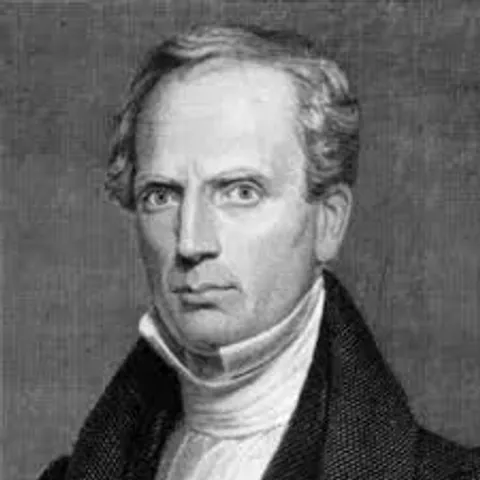 Childhood and Teen years
Charles Grandison Finney was born the year after Wesley died on 29th August, 1792 in Warren, Connecticut. In 1794 his family moved to New York state, eventually settling at Henderson, near Lake Ontario. Although he received only a brief formal education he decided to study law and joined the practice of a local lawyer, Benjamin Wright. He was also very musical, played the cello and directed the choir at the local Presbyterian Church pastured by Rev. George Gale.
His conversion
His conversion on October 10th 1821 reads like something out of the book of Acts. Smitten with conviction from Bible reading he decided to ‘settle the question of my soul’s salvation at once, that if it were possible, I would make my peace with God.’ (Autobiography)
This conviction increased to an unbearable level over the next couple of days and came to an head when he was suddenly confronted with an ‘inward voice.’ He was inwardly questioned about his spiritual condition and finally received revelation about the finished work of Christ and his own need to give up his sins and submit to Christ’s righteousness.
As he sought God in a nearby wood he was overwhelmed with an acute sense of his own wickedness and pride but finally submitted his life to Christ. Back at work that afternoon he was filled with a profound sense of tenderness, sweetness and peace. When work was over and he bade his employer goodnight, he then experienced a mighty baptism in the Holy Spirit, which was recorded as vividly as the day he experienced it, though it was penned some fifty years later.
The next morning Finney announced to a customer that he was leaving his law studies to become a preacher of the Gospel.
Charles Finney licensed to preach
He was licensed to preach in 1823 and ordained as an evangelist in 1824. His penetrating preaching was quite different from many local ministers and included an obvious attempt to break away from the traditional and, as he saw it, dead, orthodox Calvinism. He married to Lydia Andrews in October 1824 and was also joined by Daniel Nash (1774-1831), known popularly as ‘Father Nash.’ Undoubtedly Nash’s special ministry of prayer played a great part in Finney’s growing success as an evangelist.
Things really took off when he preached in his old church, where Rev. Gale still ministered. Numerous converts and critics followed! Similar results were experienced in nearby towns of Rome and Utica. Soon newspapers were reporting his campaigns and he began drawing large crowds with dramatic responses.
Soon he was preaching in the largest cities of the north with phenomenal results. Campaign after campaign secured thousands of converts.
The high point of Finney’s revival career was reached at Rochester, New York, during his 1830-1 meetings. Shopkeepers closed their businesses and the whole city seemed to centre on the revivalist. Responding to his irresistible logic and passionate arguments many of his converts were lawyers, merchants and those from a higher income and professional status.
His Preaching
Finney openly preached a modified Calvinism, influenced with his own theology of conversion and used what were perceived to be ‘revivalistic techniques.’
These ‘means’ included the use of the anxious bench (a special place for those under conviction), protracted meetings, women allowed to pray in mixed meetings, publicly naming those present resisting God in meetings and the hurried admission of new converts into church membership. Opponents viewed his preaching of the law as ‘scare tactics’ and his persuasive appeals for sinners to come to Christ for salvation were seen as over-emphasising the responsibility of men and ignoring the sovereignty of God.
His theology and practise soon became known as the ‘New Measures’ and attracted many opponents from the Old School Presbyterians led by Asahel Nettleton (himself no stranger to true revival and , the revivalistic Congregationalists headed by Lyman Beecher.
Pastor at Chatham Street Chapel
Finney accepted an appointment as pastor of Chatham Street Chapel in New York City in 1832 where he remained until 1837. It was during this time that he delivered a series of sermons published in 1835 as ‘Lectures on Revivals of Religion.’ Here he clearly stated his views regarding revivals being products of the correct use of human means. Such was the controversy that he left the Presbyterian denomination and joined the Congregationalists in 1836.
Oberlin College
The next year he became professor of theology at Oberlin College (Ohio) where he taught until his death. He was President here from 1851 until 1866, but still continued regular revival meetings in urban settings (twice in England, 1848, 1851) until 1860. During his stay at Oberlin he produced his, Lectures to Professing Christians (1836), Sermons on Important Subjects (1839) and his famous Memoirs.
The Father of Modern Revivalism
There is no doubt that Charles Grandison Finney well-deserves the title ‘The Father of Modern Revivalism.’ He was an evangelistic pioneer whose model was followed by a long line of revivalists from D. L. Moody to Billy Graham. His writing have made a massive impact on the entire evangelical world and particularly the ‘Lectures on Revivals’ which has, arguably, ignited more fires of revival than any other single piece literature in evangelical history.
This ‘Prince of Revivalists’ passed away peacefully at Oberlin on Sunday, 16th August, 1875 aged almost 83 years.
Bibliography: I Will Pour Out My Spirit, R. E. Davies, 1997; Ed: A. Scott Moreau, Baker Evangelical Dictionary of World Missions, 2000; Dictionary of Evangelical Biography 1730-1860, Vol. 1, 1995.
Tony Cauchi
Childhood and Teen years
Charles Grandison Finney was born the year after Wesley died on 29th August, 1792 in Warren, Connecticut. In 1794 his family moved to New York state, eventually settling at Henderson, near Lake Ontario. Although he received only a brief formal education he decided to study law and joined the practice of a local lawyer, Benjamin Wright. He was also very musical, played the cello and directed the choir at the local Presbyterian Church pastured by Rev. George Gale.
His conversion
His conversion on October 10th 1821 reads like something out of the book of Acts. Smitten with conviction from Bible reading he decided to ‘settle the question of my soul’s salvation at once, that if it were possible, I would make my peace with God.’ (Autobiography)
This conviction increased to an unbearable level over the next couple of days and came to an head when he was suddenly confronted with an ‘inward voice.’ He was inwardly questioned about his spiritual condition and finally received revelation about the finished work of Christ and his own need to give up his sins and submit to Christ’s righteousness.
As he sought God in a nearby wood he was overwhelmed with an acute sense of his own wickedness and pride but finally submitted his life to Christ. Back at work that afternoon he was filled with a profound sense of tenderness, sweetness and peace. When work was over and he bade his employer goodnight, he then experienced a mighty baptism in the Holy Spirit, which was recorded as vividly as the day he experienced it, though it was penned some fifty years later.
The next morning Finney announced to a customer that he was leaving his law studies to become a preacher of the Gospel.
Charles Finney licensed to preach
He was licensed to preach in 1823 and ordained as an evangelist in 1824. His penetrating preaching was quite different from many local ministers and included an obvious attempt to break away from the traditional and, as he saw it, dead, orthodox Calvinism. He married to Lydia Andrews in October 1824 and was also joined by Daniel Nash (1774-1831), known popularly as ‘Father Nash.’ Undoubtedly Nash’s special ministry of prayer played a great part in Finney’s growing success as an evangelist.
Things really took off when he preached in his old church, where Rev. Gale still ministered. Numerous converts and critics followed! Similar results were experienced in nearby towns of Rome and Utica. Soon newspapers were reporting his campaigns and he began drawing large crowds with dramatic responses.
Soon he was preaching in the largest cities of the north with phenomenal results. Campaign after campaign secured thousands of converts.
The high point of Finney’s revival career was reached at Rochester, New York, during his 1830-1 meetings. Shopkeepers closed their businesses and the whole city seemed to centre on the revivalist. Responding to his irresistible logic and passionate arguments many of his converts were lawyers, merchants and those from a higher income and professional status.
His Preaching
Finney openly preached a modified Calvinism, influenced with his own theology of conversion and used what were perceived to be ‘revivalistic techniques.’
These ‘means’ included the use of the anxious bench (a special place for those under conviction), protracted meetings, women allowed to pray in mixed meetings, publicly naming those present resisting God in meetings and the hurried admission of new converts into church membership. Opponents viewed his preaching of the law as ‘scare tactics’ and his persuasive appeals for sinners to come to Christ for salvation were seen as over-emphasising the responsibility of men and ignoring the sovereignty of God.
His theology and practise soon became known as the ‘New Measures’ and attracted many opponents from the Old School Presbyterians led by Asahel Nettleton (himself no stranger to true revival and , the revivalistic Congregationalists headed by Lyman Beecher.
Pastor at Chatham Street Chapel
Finney accepted an appointment as pastor of Chatham Street Chapel in New York City in 1832 where he remained until 1837. It was during this time that he delivered a series of sermons published in 1835 as ‘Lectures on Revivals of Religion.’ Here he clearly stated his views regarding revivals being products of the correct use of human means. Such was the controversy that he left the Presbyterian denomination and joined the Congregationalists in 1836.
Oberlin College
The next year he became professor of theology at Oberlin College (Ohio) where he taught until his death. He was President here from 1851 until 1866, but still continued regular revival meetings in urban settings (twice in England, 1848, 1851) until 1860. During his stay at Oberlin he produced his, Lectures to Professing Christians (1836), Sermons on Important Subjects (1839) and his famous Memoirs.
The Father of Modern Revivalism
There is no doubt that Charles Grandison Finney well-deserves the title ‘The Father of Modern Revivalism.’ He was an evangelistic pioneer whose model was followed by a long line of revivalists from D. L. Moody to Billy Graham. His writing have made a massive impact on the entire evangelical world and particularly the ‘Lectures on Revivals’ which has, arguably, ignited more fires of revival than any other single piece literature in evangelical history.
This ‘Prince of Revivalists’ passed away peacefully at Oberlin on Sunday, 16th August, 1875 aged almost 83 years.
Bibliography: I Will Pour Out My Spirit, R. E. Davies, 1997; Ed: A. Scott Moreau, Baker Evangelical Dictionary of World Missions, 2000; Dictionary of Evangelical Biography 1730-1860, Vol. 1, 1995.
Tony Cauchi
a safe place for sinners to change
Hidden sins destroy Christians because they’re hidden. Far too often, Christians wallow in the darkness, smothered by the guilt of sins that they are too ashamed to name. It’s impossible to put to death a sin you won’t confess. Which means cultivating the right environment for honesty and confession is essential in a Christian community. No issue reveals this better than the struggle against pornography and lust. In my experience, one fundamental factor in creating the right environment for intentional action, real accountability, and healthy habits of confession is the presence and demeanor of a wise pastor or mentor. The gospel presence of a leader is a powerful means of grace that helps Christians resist the hopelessness that often marks this struggle. So, what exactly is gospel presence ? “Cultivating the right environment for honesty and confession is essential in a Christian community.” By gospel , I simply mean the good news that, as sinners, we are embraced and accepted by God because of what Jesus has done for us. He lived the life that we couldn’t live. He died the death we should have died. And God raised him from the dead, triumphing over sin and death. Outside of Jesus, there is no hope. In Jesus, we have a living hope. By presence , I mean that there’s a way of being, an orientation to life and reality and others, a fundamental attitude that emanates from the core of who you are, and shapes and colors everything you do. The way you carry yourself. The impression you give. That’s what I mean by presence . And gospel presence is crucial for creating the right environment for dealing with any sin, and especially sexual sin. Six Aspects of Gospel Presence Because gospel presence is more about the way that someone carries himself than following a specific set of actions, it’s difficult to define. However, I’ve found Colossians 3:1–17 to be a fruitful place to get the feel of it. Here are six aspects of gospel presence in the passage. First, gospel presence begins with setting one’s mind on Christ (Colossians 3:1). Set your mind. Set your affection. Orient your life by Christ, who is your life. He’s the sun; everything in your life orbits around him. Second, gospel presence means putting on the new self , or the new man (Colossians 3:9–10). The fundamental contrast is between the old man (Adam), who rebelled against God, and the new Man (Jesus), who fully trusted, obeyed, and imaged God. Gospel presence means that you “put on” the new Man — that you “clothe” yourself with Jesus. And that’s a good image for it: You must wear Jesus, like a cloak. There are practices that flow out of this presence. There is an old man with his practices, and a new man with his practices. There are practices that come from and accord with sinful Adam, and practices that come from and accord with Christ. And you can’t do the practices if you don’t put on the presence. Third, gospel presence means that you are fundamentally defined by God’s love in the gospel. “Put on then, as God’s chosen ones, holy and beloved . . .” (Colossians 3:12). There are characteristics and qualities that you put on and practice because you are holy and beloved by God. He defines you. “By the grace of God I am what I am” (1 Corinthians 15:10). His grace is what makes you who and what you are. Gospel presence means that his love and grace define you, and you know it deep in your bones. Fourth, gospel presence means you are ruled by the peace of Christ (Colossians 3:15). You are firm, stable, steadfast, unshaken. You’re not tossed to and fro. When storms come, you’re planted on a rock. When chaos erupts, God’s peace still reigns in your heart. There’s a kind of stability and security that comes from knowing you’re loved by God, defined by grace, oriented by Christ, clothed with the new Man. Fifth, gospel presence means that the word of Christ dwells in you richly in all wisdom (Colossians 3:16) — not just that you read your Bible, but that there is a richness and fullness and potency to the word in your life. The Spirit of God hangs on you, and there’s a felt sense that “here’s a person who has been with God.” Gospel presence means you have the wisdom to connect the word of God to life in a way that bears fruit. Last, gospel presence means all of your practices are done in the name of the Lord Jesus (Colossians 3:17). Your actions bear his name. They testify to him and point to him and draw attention to him. “Gospel presence aims to create that graciously paradoxical environment that is safe for sinners, but not for sin.” How then does gospel presence serve honest confession and the fight against sin, and especially sexual sin? The gospel presence of a pastor or mentor is designed to create an environment that invites people to confess their sins, to be honest about their struggles, to overcome the natural aversion they have to exposing their shame. In other words, gospel presence aims to create that graciously paradoxical environment that is safe for sinners, but not for sin. They are welcome; their sin is not. And thus there are two key elements of gospel presence that help to create such an environment: compassionate stability and focused hostility . Compassionate Stability Compassionate stability means that a mentor aims to de-escalate the situation by leaning into the mess. Often people who are wrecked by sexual sin are filled with shame, fear of exposure, anxiety about future failure, and hopelessness about the possibility of change. They think, “If I admit out loud what I’ve done or seen or thought, then everyone will be so disgusted by me that they’ll reject me.” Such passions overwhelm a Christian’s desire to be honest about his struggle. The compassionate stability of gospel presence is meant to calm the broken, anxious, and fearful sinner. Compassionate stability leans into the mess. The aim is to communicate that God is for them and with them through the fact that you as the mentor are for them and with them. This stability and calmness is not stoic; you should feel deeply for the people to whom you minister. But your passions and emotions are, by God’s grace, under your control and direction so that you can willingly and compassionately lean into their sin. Broken sinners need to know that you’re not recoiling in horror at them, no matter what they confess. They need to feel that you (and therefore God) are with them and passionately committed to their good. Compassionate stability communicates that we are not afraid of a person’s sin. No matter how dark the darkness, the grace of Jesus can reach deeper. There may still be consequences for certain sins (especially any sins that are also crimes). But compassionate stability communicates that, no matter the consequences, Jesus is real, and he will be with you as you bring your darkness into the light. IF GOD IS FOR US Compassionate stability seeks to embody the deep truths of the gospel reflected in passages like Romans 8:31–39. This passage captures the spirit of compassionate stability as well as any in the Bible. If God is for us, who can be against us (Romans 8:31)? God didn’t spare his own Son but gave him up for us, and will therefore freely and graciously give us everything (8:32). No one can bring a charge against us, because God himself has justified and approved of us (8:33). No one can condemn us, because Christ was crucified for us and raised for us and is now interceding for us (8:34). Nothing can separate us from the love of Christ — not tribulation, or distress, or persecution, or famine, or nakedness, or danger, or sword (8:35). God’s all-conquering love means that every possible obstacle to our ultimate good makes us more than conquerors (8:37). Death, life, angels, rulers, present things, future things, powers, height, depth, anything else in all creation — none of these can separate us from the love of God in Christ Jesus our Lord (8:38–39). That’s how committed God is to our good, and that’s what faithful pastors and mentors communicate to their people. When nerves are on edge, when passions and fears are raging, compassionate stability plants itself in Romans 8 and brings a deep and settled sense of Spirit-wrought peace and calm. Romans 8 empowers us to be stable and compassionate, and compassionate stability makes an environment that is safe for sinners. Focused Hostility But there’s another aspect to the right environment. Embracing broken sinners entails a violent hostility toward their sin. If we’re really committed to someone’s good, then we will hate and resist those things that are harmful to them. And so it’s necessary to combine compassionate stability with focused hostility . Focused hostility is still under control, but it includes a relentlessness and patience in exposing and killing sin. Without this focused hostility toward sin, we may find ourselves reluctant to challenge people to pursue holiness. Comforting may turn into coddling. But part of being a wise and faithful counselor to others means communicating the gravity of sin. The Bible minces no words about the consequences of making peace with ongoing sin. “If you live according to the flesh you will die [eternally]” (Romans 8:13). Those who practice the works of the flesh will not inherit the kingdom of God (Galatians 5:19–21; 1 Corinthians 6:9–10). And the Bible uses intense and violent language to describe how we ought to resist sin: put it to death (Colossians 3:5–6; Romans 8:13); tear it out (Matthew 5:29); cut it off (Matthew 5:30); flee sexual immorality and youthful passions (1 Corinthians 6:18; 2 Timothy 2:22). These words of violence and intensity remind us that we can’t make peace with our sin, because the Holy Spirit will never make peace with our sin. “Gospel presence aims to communicate both that God is for you, and that your sin is not welcome.” Gospel presence aims to communicate both that God is for you, and that your sin is not welcome. A person doesn’t need to clean himself up to come to us or to God; he can come as he is. But we are committed to not letting him stay as he is. And so, with our demeanor and our words, we say, “I am for you; I’m leaning in; I’m not recoiling because of what you just confessed. I love you and I’m with you and I’m for you because God loves you and is with you and is for you. And I am so for you that I will never make peace with your sin. I will call you to put it to death, to cut it off, to flee from it.” Gospel presence says to a sinner, sexual or otherwise, “I love you, I’m for you, I’m with you. Now let’s kill it.”
-480.webp)
-480.webp)