


Others like 100 ways to simplify your life Features >>










About the Book
"100 Ways to Simplify Your Life" by Joyce Meyer offers practical advice on how to simplify and improve various aspects of your life, covering topics such as relationships, decision-making, time management, and stress reduction. The book provides easy-to-follow tips and strategies to help readers navigate the complexities of modern life and find more peace and fulfillment.
John Alexander Dowie
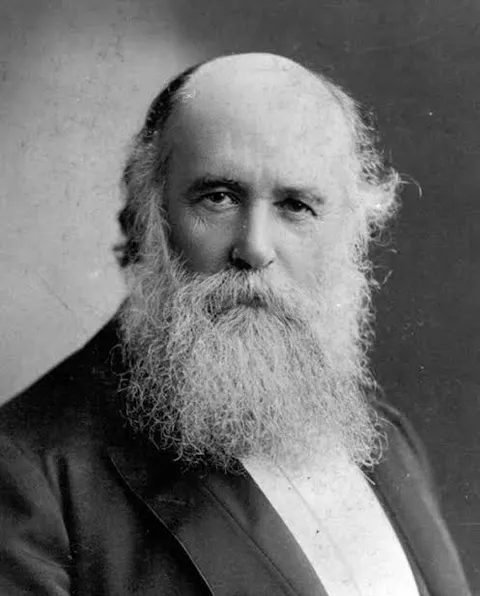 By John Alexander Dowie (1847 – 1907)
I sat in my study in the parsonage of the Congregational Church at Newtown, a suburb of the beautiful city of Sydney, Australia. My heart was very heavy, for I had visited the sick and dying beds of more than thirty of my flock, and I had cast the dust to its kindred dust into more than forty graves within a few weeks. Where, oh where, was He Who used to heal His suffering children? No prayer for healing seemed to reach His ear, and yet I knew His hand had not been shortened. Still it did not save from death even those for whom there was so much in life to live for God and others. Strong men, fathers, good citizens, and more than all, true Christians sickened with a putrid fever, suffered nameless agonies, passed into delirium, sometimes with convulsions, and then died.
Oh, what aching voids were left in many a widowed or orphaned heart. There were many homes where, one by one, the little children, the youths and the maidens lay stricken, and after a hard struggle with the foul disease, they too, lay cold and dead. It seemed sometimes as if I could almost hear the triumphant mockery of evil ringing in my ear whilst I spoke to the bereaved ones the words of Christian hope and consolation. Disease, the foul offspring of its father, Satan, and its mother Sin, was defiling and destroying the earthly temples of God’s children and there was no deliverance.
There I sat with sorrow-bowed head for my afflicted people, until the bitter tears came to relieve my burning heart. Then I prayed for some message, and oh, how I longed to hear some words from Him Who wept and sorrowed for the suffering long ago, a Man of Sorrows and Sympathies. The words of the Holy Ghost inspired In Acts 10:38, stood before me all radiant with light, revealing Satan as the Defiler, and Christ as the Healer. My tears were wiped away, my heart strong, I saw the way of healing, and the door thereto was opened wide, so I said, “God help me now to preach the Word to all the dying around, and tell them how Satan still defiles, and Jesus still delivers, for He is just the same today.”
A loud ring and several raps at the outer door, a rush of feet, and there at my door stood two panting messengers who said, “Oh, come at once, Mary is dying; come and pray. “With just a feeling as a shepherd has who hears that his sheep are being torn from the fold by a cruel wolf, I rushed from my house, ran without my hat down the street, and entered the room of the dying maiden. There she lay groaning and grinding her clenched teeth in the agony of the conflict with the destroyer. The white froth, mingled with her blood, oozing from her pale and distorted mouth. I looked at her and then my anger burned. “Oh,” I thought, “for some sharp sword of heavenly temper keen to slay this cruel foe who is strangling that lovely maiden like an invisible serpent, tightening his deadly coils for a final victory.”
In a strange way, It came to pass; I found the sword I needed was in my hands, and in my hand I hold it still and never will I lay It down. The doctor, a good Christian man, was quietly walking up and down the room, sharing the mother’s pain and grief. Presently he stood at my side and said, “Sir, are not God’s ways mysterious?” Instantly the sword was flashed in my hand, the Spirit’s sword, the Word of God. “God’s way?!” I said, pointing to the scene of conflict, “How dare you call that God’s way of bringing His children home from earth to Heaven? No sir, that is the devil’s work and it is time we called on Him Who came to destroy the work of the devil, to slay that deadly foul destroyer, and to save this child. Can you pray, Doctor, can you pray the prayer of faith that saves the sick?” At once, offended at my words, my friend was changed, and saying,” You are too much excited, sir, it is best to say ‘God’s will be done,’” and he left the room.
Excited?! The word was quite inadequate for I was almost frenzied with divinely imparted anger and hatred of that foul destroyer, disease, which was doing Satan’s will. “It is not so,” I exclaimed, “no will of God sends such cruelty, and I shall never say ‘God’s will be done’ to Satan’s works, which God’s own Son came to destroy, and this is one of them.” Oh, how the Word of God was burning in my heart: “Jesus of Nazareth went about doing good, and healing all that were oppressed of the devil; for God was with Him.” And was not God with me? And was not Jesus there and all His promises true? I felt that it was even so, and turning to the mother I inquired,” Why did you send for me?” To which she answered, “Do pray, oh pray for her that God may raise her up.” So we prayed.
What did I say? It may be that I cannot recall the words without mistake, but words are in themselves of small importance. The prayer of faith may be a voiceless prayer, a simple heartfelt look of confidence into the face of Christ. At such moment, words are few, but they mean much, for God is looking at the heart. Still, I can remember much of that prayer unto this day, and asking God to aid, I will attempt to recall it. I cried, “Our Father, help! and Holy Spirit, teach me how to pray. Plead Thou for us, oh, Jesus, Savior, Healer, Friend, our Advocate with God the Father. Hear and heal, Eternal One! From all disease and death, deliver this sweet child of yours. I rest upon the Word. We claim the promise now. The Word is true, ‘I am the Lord that heals thee.’ Then heal her now. The Word is true, ‘I am the Lord, I change not.’ Unchanging God, then prove Yourself the healer now. The Word is true. ‘These signs shall follow them that believe in My Name, they shall lay hands on the sick, and they shall recover.’ And I believe and I lay hands in Jesus’ Name on her and claim this promise now. Your Word is true. ‘The prayer of faith shall save the sick. Trusting in You alone. I cry. Oh, save her now, for Jesus’ sake. Amen!”
Then, the maid lay in sleep so deep and sweet that the mother asked in a low whisper, “Is she dead?” “No,” I answered, in a whisper lower still. “Mary will live; the fever is gone. She is perfectly well and sleeping as an infant sleeps.” I was smoothing the long dark hair from her now peaceful brow, and feeling the steady pulsation of her heart and cool moist hands. I saw that Christ had heard, and that once more, as long ago in Peter’s house, “He touched her and the fever left her.” Turning to the nurse, I said, “Get me at once, please, a cup of cocoa and several slices of bread and butter.” Beside the sleeping maid we sat quietly and almost silently until the nurse returned, and then I bent over her and snapping my fingers called, “Mary!”
Instantly she woke, smiled and said, “Oh, sir, when did you come? I have slept so long;” then stretching her arms out to meet her mother’s embrace, she said, “Mother, I feel so well.” “And hungry, too?” I asked, pouring some of the cocoa in a saucer and offering it to her when cooled by my breath. “Yes, hungry too,” she answered with a little laugh, and drank and ate again, and yet again until all was gone. In a few minutes, she fell asleep, breathing easily and softly. Quietly thanking God. We left her bed and went to the next room where her brother and sister also lay sick of the same fever. With these two, we prayed and they were healed too. The following day all three were well and in a week or so they brought me a little letter and a gift of gold, two sleeve links with my monogram, which I wore for many years. As I went away from the home where Christ as the Healer had been victorious, I could not but have somewhat in my heart of the triumphant song that rang through Heaven, and yet I was not a little amazed at my own strange doings, and still more at my discovery that He is just the same today.
Excerpt from the Sermons of John Alexander Dowie Champions of Faith by Gordon Lindsay
By John Alexander Dowie (1847 – 1907)
I sat in my study in the parsonage of the Congregational Church at Newtown, a suburb of the beautiful city of Sydney, Australia. My heart was very heavy, for I had visited the sick and dying beds of more than thirty of my flock, and I had cast the dust to its kindred dust into more than forty graves within a few weeks. Where, oh where, was He Who used to heal His suffering children? No prayer for healing seemed to reach His ear, and yet I knew His hand had not been shortened. Still it did not save from death even those for whom there was so much in life to live for God and others. Strong men, fathers, good citizens, and more than all, true Christians sickened with a putrid fever, suffered nameless agonies, passed into delirium, sometimes with convulsions, and then died.
Oh, what aching voids were left in many a widowed or orphaned heart. There were many homes where, one by one, the little children, the youths and the maidens lay stricken, and after a hard struggle with the foul disease, they too, lay cold and dead. It seemed sometimes as if I could almost hear the triumphant mockery of evil ringing in my ear whilst I spoke to the bereaved ones the words of Christian hope and consolation. Disease, the foul offspring of its father, Satan, and its mother Sin, was defiling and destroying the earthly temples of God’s children and there was no deliverance.
There I sat with sorrow-bowed head for my afflicted people, until the bitter tears came to relieve my burning heart. Then I prayed for some message, and oh, how I longed to hear some words from Him Who wept and sorrowed for the suffering long ago, a Man of Sorrows and Sympathies. The words of the Holy Ghost inspired In Acts 10:38, stood before me all radiant with light, revealing Satan as the Defiler, and Christ as the Healer. My tears were wiped away, my heart strong, I saw the way of healing, and the door thereto was opened wide, so I said, “God help me now to preach the Word to all the dying around, and tell them how Satan still defiles, and Jesus still delivers, for He is just the same today.”
A loud ring and several raps at the outer door, a rush of feet, and there at my door stood two panting messengers who said, “Oh, come at once, Mary is dying; come and pray. “With just a feeling as a shepherd has who hears that his sheep are being torn from the fold by a cruel wolf, I rushed from my house, ran without my hat down the street, and entered the room of the dying maiden. There she lay groaning and grinding her clenched teeth in the agony of the conflict with the destroyer. The white froth, mingled with her blood, oozing from her pale and distorted mouth. I looked at her and then my anger burned. “Oh,” I thought, “for some sharp sword of heavenly temper keen to slay this cruel foe who is strangling that lovely maiden like an invisible serpent, tightening his deadly coils for a final victory.”
In a strange way, It came to pass; I found the sword I needed was in my hands, and in my hand I hold it still and never will I lay It down. The doctor, a good Christian man, was quietly walking up and down the room, sharing the mother’s pain and grief. Presently he stood at my side and said, “Sir, are not God’s ways mysterious?” Instantly the sword was flashed in my hand, the Spirit’s sword, the Word of God. “God’s way?!” I said, pointing to the scene of conflict, “How dare you call that God’s way of bringing His children home from earth to Heaven? No sir, that is the devil’s work and it is time we called on Him Who came to destroy the work of the devil, to slay that deadly foul destroyer, and to save this child. Can you pray, Doctor, can you pray the prayer of faith that saves the sick?” At once, offended at my words, my friend was changed, and saying,” You are too much excited, sir, it is best to say ‘God’s will be done,’” and he left the room.
Excited?! The word was quite inadequate for I was almost frenzied with divinely imparted anger and hatred of that foul destroyer, disease, which was doing Satan’s will. “It is not so,” I exclaimed, “no will of God sends such cruelty, and I shall never say ‘God’s will be done’ to Satan’s works, which God’s own Son came to destroy, and this is one of them.” Oh, how the Word of God was burning in my heart: “Jesus of Nazareth went about doing good, and healing all that were oppressed of the devil; for God was with Him.” And was not God with me? And was not Jesus there and all His promises true? I felt that it was even so, and turning to the mother I inquired,” Why did you send for me?” To which she answered, “Do pray, oh pray for her that God may raise her up.” So we prayed.
What did I say? It may be that I cannot recall the words without mistake, but words are in themselves of small importance. The prayer of faith may be a voiceless prayer, a simple heartfelt look of confidence into the face of Christ. At such moment, words are few, but they mean much, for God is looking at the heart. Still, I can remember much of that prayer unto this day, and asking God to aid, I will attempt to recall it. I cried, “Our Father, help! and Holy Spirit, teach me how to pray. Plead Thou for us, oh, Jesus, Savior, Healer, Friend, our Advocate with God the Father. Hear and heal, Eternal One! From all disease and death, deliver this sweet child of yours. I rest upon the Word. We claim the promise now. The Word is true, ‘I am the Lord that heals thee.’ Then heal her now. The Word is true, ‘I am the Lord, I change not.’ Unchanging God, then prove Yourself the healer now. The Word is true. ‘These signs shall follow them that believe in My Name, they shall lay hands on the sick, and they shall recover.’ And I believe and I lay hands in Jesus’ Name on her and claim this promise now. Your Word is true. ‘The prayer of faith shall save the sick. Trusting in You alone. I cry. Oh, save her now, for Jesus’ sake. Amen!”
Then, the maid lay in sleep so deep and sweet that the mother asked in a low whisper, “Is she dead?” “No,” I answered, in a whisper lower still. “Mary will live; the fever is gone. She is perfectly well and sleeping as an infant sleeps.” I was smoothing the long dark hair from her now peaceful brow, and feeling the steady pulsation of her heart and cool moist hands. I saw that Christ had heard, and that once more, as long ago in Peter’s house, “He touched her and the fever left her.” Turning to the nurse, I said, “Get me at once, please, a cup of cocoa and several slices of bread and butter.” Beside the sleeping maid we sat quietly and almost silently until the nurse returned, and then I bent over her and snapping my fingers called, “Mary!”
Instantly she woke, smiled and said, “Oh, sir, when did you come? I have slept so long;” then stretching her arms out to meet her mother’s embrace, she said, “Mother, I feel so well.” “And hungry, too?” I asked, pouring some of the cocoa in a saucer and offering it to her when cooled by my breath. “Yes, hungry too,” she answered with a little laugh, and drank and ate again, and yet again until all was gone. In a few minutes, she fell asleep, breathing easily and softly. Quietly thanking God. We left her bed and went to the next room where her brother and sister also lay sick of the same fever. With these two, we prayed and they were healed too. The following day all three were well and in a week or so they brought me a little letter and a gift of gold, two sleeve links with my monogram, which I wore for many years. As I went away from the home where Christ as the Healer had been victorious, I could not but have somewhat in my heart of the triumphant song that rang through Heaven, and yet I was not a little amazed at my own strange doings, and still more at my discovery that He is just the same today.
Excerpt from the Sermons of John Alexander Dowie Champions of Faith by Gordon Lindsay
Men of Faith Are Men Who Fight
Men professing faith in Christ have been walking away from him since the church began. “Some have made shipwreck of their faith,” the apostle Paul reports in his first letter to Timothy. In fact, the language of leaving is all over 1–2 Timothy: men were wandering away from the faith, departing from the faith, swerving from the faith, being disqualified from the faith (1 Timothy 1:19; 4:1; 5:12; 6:10, 20–21; 2 Timothy 3:8). There seemed to be something of a small exodus already happening in the first century, perhaps not unlike the wave of deconversions we’re seeing online today. We shouldn’t be surprised; Jesus told us it would be so: “As for what fell among the thorns, they are those who hear, but as they go on their way they are choked by the cares and riches and pleasures of life, and their fruit does not mature” (Luke 8:14). Those same thorns are still sharp and threatening to faith in our day. In fact, with the ways we use technology, we’re now breeding thorns in our pockets, drawing them even closer than before. This context gives the charge in 1 Timothy 6:11–12 all the more meaning and power, both for Timothy’s day and for ours: As for you, O man of God, flee these things. Pursue righteousness, godliness, faith, love, steadfastness, gentleness. Fight the good fight of the faith. Take hold of the eternal life to which you were called and about which you made the good confession in the presence of many witnesses. “Men professing faith in Christ have been walking away from him since the church began.” Who are the men who will fight the good fight of faith? Who will stay and battle while others fall away? In the words of 1 Timothy 4:12, which young men will step up and set an example for the believers in faith? Fight of Faith That faith is a fight means believing will not be easy. It won’t always feel natural, organic, or effortless. We could never earn the love of Christ, but following him will often be harder than we expect or want. “If anyone would come after me,” Jesus says in Luke 9:23, “let him deny himself and take up his cross” — and not the light and charming crosses some wear around their necks, but the pain and heartache of following a crucified King in the world that killed him. If we declare our love for Jesus, God tells us, suffering will expose and refine us (1 Peter 4:12), people will despise, slander, and disown us (John 15:18), Satan and his demons will assault us (John 10:10), and our own sin will seek to ruin us from within (1 Peter 2:11). If we refuse to fight, we won’t last. The ships of our souls will inevitably drift, and then crash, take on water, and sink. The verses before 1 Timothy 6:12 give us examples of specific threats we will face in the fight of faith, and each still threatens men today. ENEMY OF PRIDE When Paul describes the men who had walked away from Jesus, specifically those who had been teaching faithfully but had now embraced false teaching, he points first to their pride. These men, he says, were “puffed up with conceit” (1 Timothy 6:4). Instead of being laid low by the grace and mercy of God, they used the gospel to feel better about themselves. Like Adam and Eve in the garden, they seized on the love of God to try to make themselves God. Many of us do not last in faith because we simply cannot submit to any god but ourselves, because we do not see pride — our instinct to put ourselves above others, even God — as an enemy of our souls. ENEMY OF DISTRACTION Pride was not the only enemy these men faced, however. Paul says they also had “an unhealthy craving for controversy and for quarrels about words, which produce envy, dissension, slander, evil suspicions, and constant friction among people” (1 Timothy 6:4–5). It’s almost hard to believe the apostle wasn’t writing about the twenty-first century. Were these distractions really problems thousands of years before Twitter, before the Internet, before even the printing press? Apparently so. And yet the temptation explains so much of our dysfunction today. In our sin, we often nurture an unhealthy craving for controversy. Faithfulness doesn’t sell ads; friction does. As you scroll through your feeds or watch the evening news or even monitor your casual conversation, ask how much of what you’re allowing into your soul falls into 1 Timothy 6:4–5. How much of our attention has been intentionally, even relentlessly, steered into passing controversies and vain debates? How much have we been fed suspicion, envy, and slander as “news,” not realizing how poisonous this kind of diet is to our faith? ENEMY OF MORE Greed is a threat we know exists, and often see in others, but rarely see in ourselves — especially in a greed-driven society like ours in America. The insatiable craving for more, however, can leave us spiritually dull and penniless. Those who desire to be rich fall into temptation, into a snare, into many senseless and harmful desires that plunge people into ruin and destruction. For the love of money is a root of all kinds of evils. It is through this craving that some have wandered away from the faith and pierced themselves with many pangs. (1 Timothy 6:9–10) When you read “those who desire to be rich,” don’t think elaborate mansions in tropical places with pools beside the ocean; think “those who crave more than they need.” In other words, this isn’t a rare temptation, but a pervasive one, especially in wealthier nations. The temptation may be subtle, but the consequences are not. These cravings, the apostle warns, “plunge people into ruin and destruction.” Their life is choked out not by pain or sorrow or fear, but by the pleasures of life (Luke 8:14) — things to buy, shows to watch, meals to eat, places to visit. “The more we see how much threatens our walk with Jesus, the less surprising it is that so many walk away.” Do we still wonder why Paul would call faith a fight? The more we see how much threatens our walk with Jesus, the less surprising it is that so many walk away. What’s more surprising is that some men learn to fight well and then keep fighting while others bow out of the war. How to Win the War If we see our enemies for what they are, how do we wage war against them? In 1 Timothy 6:11–12, Paul gives us four clear charges for the battlefield: Flee. Pursue. Fight. Seize. FLEE First, we flee. Some have been puffed up by pride, others have been distracted by controversy, and still others have fallen in love with this world — “but as for you, O man of God, flee these things” (1 Timothy 6:11). Spiritual warfare is not fight or flight; it is fight and flight. We prepare to battle temptation, but we also do our best to avoid temptation altogether. As far as it depends on us, we “make no provision for the flesh, to gratify its desires” (Romans 13:14). If necessary, we cut off our hand or gouge out our eye (Matthew 5:29–30), meaning we go to extraordinary lengths to flee the sin we know would ruin us. PURSUE Spiritual warfare, however, is not only fight and flight, but also pursuit. “Pursue righteousness, godliness, faith, love, steadfastness, gentleness” (1 Timothy 6:11). We could linger over each of the six qualities Paul exhorts us to pursue here, but for now let’s focus briefly on faith. Are you pursuing faith in Jesus — not just keeping faith, but pursuing faith? Are you making time each day to be alone with God through his word? Are you weaving prayer into the unique rhythms of your life? Are you committed to a local church, and intentionally looking for ways to grow and serve there? Are you asking God to show you other creative ways you might deepen your spiritual strength and joy? FIGHT Third, we fight. “Fight the good fight of the faith” (1 Timothy 6:12). We avoid temptation as much as we can, but we cannot avoid temptation completely. Whatever wise boundaries and tools we put in place, we still carry our remaining sin, which means we bring the war with us wherever we go. And too many of us go to war unarmed. Without the armor of God — the belt of truth, the breastplate of righteousness, the shield of faith, the helmet of salvation, the sword of the Spirit — we will be helpless against the spiritual forces of evil (Ephesians 6:11–12). But having taken our enemies seriously and strapping on our weapons daily, “we wage the good warfare” (1 Timothy 1:18). SEIZE Lastly, men of God learn to seize the new life God has given them. “Take hold of the eternal life to which you were called” (1 Timothy 6:12). This is the opposite of the spiritual passivity and complacency so common among young men — men who want out of hell, but have little interest in God. Those men, however, who see reality and eternity more clearly, know that the greater treasure is in heaven, so they live to have him (Matthew 13:43–44). Their driving desire is to see more of Christ, and to become more like Christ. They may look like fools now, but they will soon be kings. They wake up on another normal Wednesday, and seize the grace that God has laid before them. Some men will lay down their weapons before the war is over, even some you know and love. But make no mistake: this is a war worth fighting to the end. As you watch others flag and fail and leave the church, let their withdrawal renew your vigilance and fuel your advance. Learn to fight the good fight of faith. Article by Marshall Segal

-480.webp)