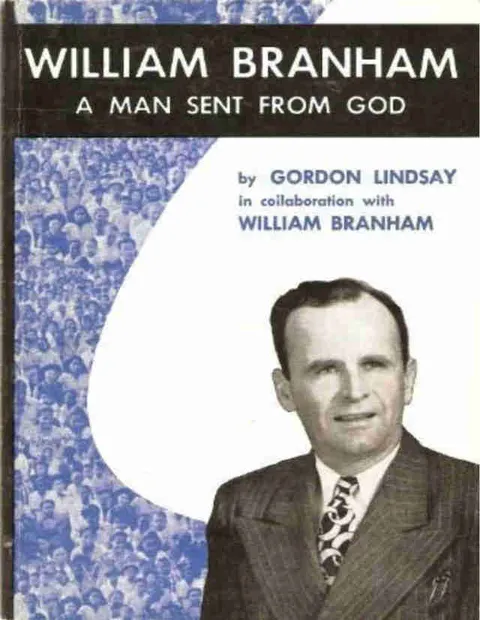

William Branham: A Man Sent By God Order Printed Copy
- Author: Gordon Lindsay
- Size: 678KB | 128 pages
- |
Others like william branham: a man sent by god Features >>
Hearts Of Fire - Eight Women In The Underground Church And Their Stories Of Costly Faith
Charlie Coulson: The Christian Drummer Boy
The Heroes Of Faith
Autobiography Of Madame Guyon
God's Generals: Jack Coe

Joshua: God's Chosen Warrior
George Fox - Autobiography

Foxe’s Book Of Martyrs
Ten Men Of The Bible

Church History: The First Century
About the Book
"WILLIAM BRANHAM: A MAN SENT BY GOD" is a biography written by Gordon Lindsay that chronicles the life of William Branham, a controversial preacher who was considered by many to be a prophet of God. The book explores his early life, ministry, and impact on the Pentecostal movement, while also examining the criticisms and controversies surrounding his work. Ultimately, Lindsay paints a complex portrait of a man whose life and teachings sparked both devotion and skepticism among believers.
Aimee Semple McPherson
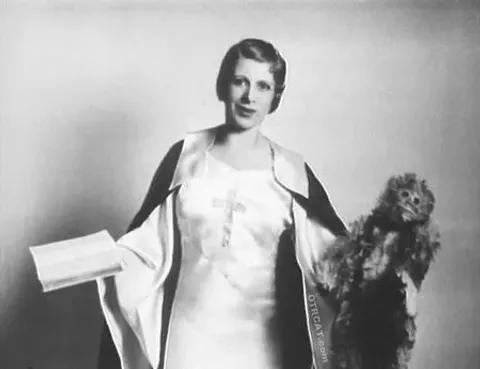 Aimee Semple McPherson was born on Oct. 9, 1890, on a farm in Salford Ontario, Canada. Her father, James Kennedy, was a farmer and came from a Methodist background. Her mother, Mildred, known as “Millie,” came from a Salvation Army background.
Although she was raised in a Christian home, she began to question the Bible during her teen years.
When she was 17, she attended a revival Pentecostal meeting presented by evangelist Robert Semple, where she heard the message of repentance. He also spoke of baptism in the Holy Spirit, an experience for which she hungered. After receiving the infilling of the Holy Spirit, she also was filled with a great love and compassion for souls and a fervent passion to serve the Lord throughout her whole life.
The meeting Aimee attended changed her life not only spiritually but also romantically. The evangelist Robert Semple later become Aimee’s husband. They were married when she was 18. Their ministry desires were compatible. After their ministry trips in Chicago and the Ingersoll area, they headed to China as missionaries.
In 1910 while in China, Robert and Aimee contracted Malaria within months of arriving in Hong Kong. Robert didn’t survive, leaving Aimee pregnant and a widow at 19. When her daughter, Roberta Star, was a month old, Aimee returned to United States to raise her. Aimee and Roberta lived in New York with Aimee’s mother.
She assisted her mother raising money for the Salvation Army. It was there she met and married a Christian businessman named Harold McPherson. They had a son, Rolf Kennedy McPherson. After a decline in health, two major surgeries and a near-death experience, God asked her one last time, “Now, will you go?” She answered yes to God’s call and almost immediately was healed. She never again questioned the call to preach the gospel.
Aimee is known for founding the Foursquare Gospel Church in 1918. She also was a woman ahead of her time, possessing boldness in her speaking ability and creative ways to communicate the gospel.
The name Foursquare Gospel originated from the Book of Ezekiel. It represents the four phases of the gospel of Jesus Christ. In the face of the Man, she saw Jesus our Saviour. In the face of the lion, she saw Jesus the mighty Baptiser with the Holy Spirit and fire. In the face of the ox, she saw Jesus the Great Burden Bearer. In the face of an eagle, she saw Jesus the coming King, who will return in power and glory. It was, in Aimee’s opinion, “a perfect gospel. A complete gospel for body, for spirit and for eternity.”
Her ministry was dynamic. She witnessed thousands saved and healed during her evangelistic meetings. Being creative and theatrical, Aimee used drama, music and opera to appeal to the audience. Bands, choirs and other crowd-pleasing touches enhanced her dynamic preaching. Though she was well-versed in the Bible, Aimee’s success wasn’t based on her knowledge, but rather the delivery of her messages.
She also was known as a faith healer, with claims of physical healing occurring during her meetings. Her faith healing demonstrations were written about extensively in the media, as they were a large focus of her early ministry. Aimee was an evangelistic pioneer, determined to spread the message of the Pentecostal faith, and used her fervour and flamboyance to win a huge following.
She had achieved what no one had yet done in ministry, which was to build a 5,000-seat auditorium in an influential area of Los Angeles. This paved the way for other female evangelists during a time when women were not accepted in the pulpit. She also launched the first Christian radio station and established a Bible college. By 1917, she had started her own magazine The Bridal Call, for which she wrote many articles about women’s roles in religion; she portrayed the link between Christians and Jesus as a marriage bond.
Jan. 1, 1923, the new Angelus Temple was opened in a flamboyant style. Aimee was seated on a red velvet throne dressed in a nurse’s uniform and cape. Accompanying her were 200 singers, three bands, two orchestras and six quartets. The Angelus Temple was featured on a float in Pasadena’s Tournament of Roses parade, while the extravagant dedication service was given full coverage in The New York Times. What became the home of The Church of the Foursquare Gospel filled four times each Sunday and twice weekly. Aimee also ministered at highly sought-after healing services during the week.
Reporters marveled at her oral skills, saying, “Never did I hear such language from a human being. Without one moment’s intermission, she would talk from an hour to an hour and a half, holding her audience spellbound.” Rather than using fire-and-brimstone preaching, Aimee resorted to a style of joyous celebration, representing the loving face of God.
She also brought old-time religion into the modern age, using illustrated sermons to help people understand the gospel better. Also, stage productions were incorporated, drawing people who usual didn’t attend church. In an era prior to television, these services proved entertaining, and she used this method to present the message of salvation through faith in Jesus.
Aimee welcomed all walks of life. She preached to the high class of society, as well as the poor and disadvantaged. She treated everyone equally regardless of race, gender or status.
In the 1920s, Aimee became a well-known voice among civic leaders, politicians, actors and actresses, and pastors from various denominations. Her sermons were reprinted in hundreds of newspapers in Canada, the United States and Mexico and were read by millions. In 1927, she opened a commissary to feed the marginalized and supply them with clothing and other necessities. Aimee set up a 24/7 soup kitchen at her temple in 1936 to help families through the Great Depression .She also became involved with war bond rallies and linked religion to patriotism in her sermons when America joined the Second World War in 1941.
Aimee’s legacy is threefold. Using the dramatic arts to reach the lost (an innovative tool) and the latest technology to spread the gospel. She reached out to the poor, helping thousands in the Los Angeles area who were starving. She taught a full-gospel message and regularly saw thousands of healings and miracles in her meetings.
Aimee passed away due to an accidental overdose in 1944 and was buried in Forest Lawn Memorial Park Cemetery in California. Her son, Rolf, has kept her memory and ministry alive by carrying the ministry for 40 four years. The Foursquare church is still standing strong with 8 million members worldwide.
Aimee Semple McPherson was born on Oct. 9, 1890, on a farm in Salford Ontario, Canada. Her father, James Kennedy, was a farmer and came from a Methodist background. Her mother, Mildred, known as “Millie,” came from a Salvation Army background.
Although she was raised in a Christian home, she began to question the Bible during her teen years.
When she was 17, she attended a revival Pentecostal meeting presented by evangelist Robert Semple, where she heard the message of repentance. He also spoke of baptism in the Holy Spirit, an experience for which she hungered. After receiving the infilling of the Holy Spirit, she also was filled with a great love and compassion for souls and a fervent passion to serve the Lord throughout her whole life.
The meeting Aimee attended changed her life not only spiritually but also romantically. The evangelist Robert Semple later become Aimee’s husband. They were married when she was 18. Their ministry desires were compatible. After their ministry trips in Chicago and the Ingersoll area, they headed to China as missionaries.
In 1910 while in China, Robert and Aimee contracted Malaria within months of arriving in Hong Kong. Robert didn’t survive, leaving Aimee pregnant and a widow at 19. When her daughter, Roberta Star, was a month old, Aimee returned to United States to raise her. Aimee and Roberta lived in New York with Aimee’s mother.
She assisted her mother raising money for the Salvation Army. It was there she met and married a Christian businessman named Harold McPherson. They had a son, Rolf Kennedy McPherson. After a decline in health, two major surgeries and a near-death experience, God asked her one last time, “Now, will you go?” She answered yes to God’s call and almost immediately was healed. She never again questioned the call to preach the gospel.
Aimee is known for founding the Foursquare Gospel Church in 1918. She also was a woman ahead of her time, possessing boldness in her speaking ability and creative ways to communicate the gospel.
The name Foursquare Gospel originated from the Book of Ezekiel. It represents the four phases of the gospel of Jesus Christ. In the face of the Man, she saw Jesus our Saviour. In the face of the lion, she saw Jesus the mighty Baptiser with the Holy Spirit and fire. In the face of the ox, she saw Jesus the Great Burden Bearer. In the face of an eagle, she saw Jesus the coming King, who will return in power and glory. It was, in Aimee’s opinion, “a perfect gospel. A complete gospel for body, for spirit and for eternity.”
Her ministry was dynamic. She witnessed thousands saved and healed during her evangelistic meetings. Being creative and theatrical, Aimee used drama, music and opera to appeal to the audience. Bands, choirs and other crowd-pleasing touches enhanced her dynamic preaching. Though she was well-versed in the Bible, Aimee’s success wasn’t based on her knowledge, but rather the delivery of her messages.
She also was known as a faith healer, with claims of physical healing occurring during her meetings. Her faith healing demonstrations were written about extensively in the media, as they were a large focus of her early ministry. Aimee was an evangelistic pioneer, determined to spread the message of the Pentecostal faith, and used her fervour and flamboyance to win a huge following.
She had achieved what no one had yet done in ministry, which was to build a 5,000-seat auditorium in an influential area of Los Angeles. This paved the way for other female evangelists during a time when women were not accepted in the pulpit. She also launched the first Christian radio station and established a Bible college. By 1917, she had started her own magazine The Bridal Call, for which she wrote many articles about women’s roles in religion; she portrayed the link between Christians and Jesus as a marriage bond.
Jan. 1, 1923, the new Angelus Temple was opened in a flamboyant style. Aimee was seated on a red velvet throne dressed in a nurse’s uniform and cape. Accompanying her were 200 singers, three bands, two orchestras and six quartets. The Angelus Temple was featured on a float in Pasadena’s Tournament of Roses parade, while the extravagant dedication service was given full coverage in The New York Times. What became the home of The Church of the Foursquare Gospel filled four times each Sunday and twice weekly. Aimee also ministered at highly sought-after healing services during the week.
Reporters marveled at her oral skills, saying, “Never did I hear such language from a human being. Without one moment’s intermission, she would talk from an hour to an hour and a half, holding her audience spellbound.” Rather than using fire-and-brimstone preaching, Aimee resorted to a style of joyous celebration, representing the loving face of God.
She also brought old-time religion into the modern age, using illustrated sermons to help people understand the gospel better. Also, stage productions were incorporated, drawing people who usual didn’t attend church. In an era prior to television, these services proved entertaining, and she used this method to present the message of salvation through faith in Jesus.
Aimee welcomed all walks of life. She preached to the high class of society, as well as the poor and disadvantaged. She treated everyone equally regardless of race, gender or status.
In the 1920s, Aimee became a well-known voice among civic leaders, politicians, actors and actresses, and pastors from various denominations. Her sermons were reprinted in hundreds of newspapers in Canada, the United States and Mexico and were read by millions. In 1927, she opened a commissary to feed the marginalized and supply them with clothing and other necessities. Aimee set up a 24/7 soup kitchen at her temple in 1936 to help families through the Great Depression .She also became involved with war bond rallies and linked religion to patriotism in her sermons when America joined the Second World War in 1941.
Aimee’s legacy is threefold. Using the dramatic arts to reach the lost (an innovative tool) and the latest technology to spread the gospel. She reached out to the poor, helping thousands in the Los Angeles area who were starving. She taught a full-gospel message and regularly saw thousands of healings and miracles in her meetings.
Aimee passed away due to an accidental overdose in 1944 and was buried in Forest Lawn Memorial Park Cemetery in California. Her son, Rolf, has kept her memory and ministry alive by carrying the ministry for 40 four years. The Foursquare church is still standing strong with 8 million members worldwide.
Why Not Giving Can Hurt You
I have this one friend, everywhere she goes, she gives gifts. Roses to teachers, journals to me, and flowers to so many. She is gifted in gifts. Is she trying to make me look bad? She is so impressive! I am normally the one loaded with 2 kids, a purse loaded with the rock of baby wipes and a to-do list times one thousand. Getting out to buy gifts feels as impossible as moving a herd of animals through the eye of a needle. Giving is something I always want to do, but it takes a back seat to my life. It's something that I love to get, but have a hard time extending. I know it blesses, but it also heightens my stresses. Yet, research has proven that giving: - increases the health of those with chronic illnesses (Stephen Post, Why Good Things Happen to Good People) - decreases the risk of dying in the elderly after volunteering (Doug Oman, University of California, Berkeley) - lowers stress and blood pressure. Clearly giving is a great thing. The more we outpour the more that inpours to us. A woman came with a special sealed jar. It contained very expensive perfume made out of pure nard. She broke the jar open and poured the perfume on Jesus’ head. Mk. 14:3 This woman outpoured a ton - a year's worth of salary. Her deep sacrifice was a true outpouring of her heart. There is no mention of the kids screaming at home, the wipes in her bag or the lists of things she had to do, she just poured out. When we keep our eyes on Jesus, suddenly our excuses grow small and our causes grow big. This woman poured out great love through this great gift, a great sacrifice for a great God and a great example for the great, great, great...grandchildren of Jesus today. What would happen if we poured out like she did? Might Jesus say to us: She has done a beautiful thing to me... Mark 14:6 Might our name be more greatly etched into the world and eternity? What she has done will be told anywhere the good news is preached all over the world. It will be told in memory of her.” Mk 14:9 As she stood...weeping, she began to wet his feet with her tears. Then she wiped them with her hair, kissed them and poured perfume on them. Lu. 7:38 When we pour, like this woman and then our hearts melt like wax. The wick of our pride, selfishness and complacency melt down to the ground, leaving us on our knees, where we receive and give our very best. We take our hair and we wipe the feet of others. We get into the nitty gritty of grime, into the places where it feels uncomfortable, into the places where we prepare others for a new life. It's in the offering of our greatest - in the wiping of the dirty - that we get to kiss the feet of the one who walked into desolate dry hearts to make abundant new life. When we touch these needy, unseen and untouchable places with our greatest gift, love, we find our hearts are restored. We find it's so much less about the other and so much more about Jesus reconfiguring our vision. We find deeper connection with the recipient and with the one who is all sufficient. Giving is the only gift that hands back more than we could ever hand out. It's one of the only ways to get more than you ever asked for. Kelly Balarie