
Others like when i see the blood Features >>
The Priesthood And The Blood
Power Of The Blood - Healing For You Spirit, Soul, And Body

He Chose The Nails
Six Hours One Friday

Beauty For Ashes
Astonished By God
Counterfeit Gods
-160.webp)
Why I Believe (A Psychologists Thoughts On Suffering, Miracles, Science, And Faith)

Amazing Facts
%20_Ellen%20G%20White-160.webp)
A New Life (Revival And Beyond)
About the Book
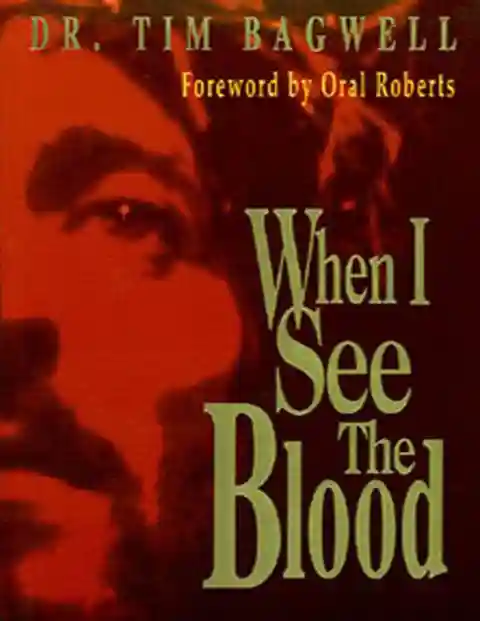
"When I See The Blood" by Dr. Tim Bagwell is a book that explores the significance of the blood of Jesus Christ in the Christian faith. It delves into the biblical concept of atonement and redemption through the shedding of blood, and how this theme runs throughout the entire Bible. The author emphasizes the importance of understanding the power and symbolism of Jesus' blood in bringing salvation and forgiveness to humanity.
Aimee Semple McPherson
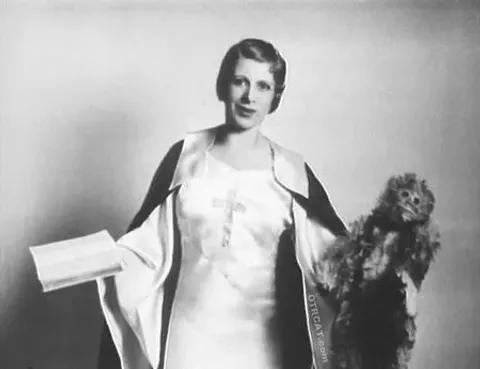 Aimee Semple McPherson was born on Oct. 9, 1890, on a farm in Salford Ontario, Canada. Her father, James Kennedy, was a farmer and came from a Methodist background. Her mother, Mildred, known as “Millie,” came from a Salvation Army background.
Although she was raised in a Christian home, she began to question the Bible during her teen years.
When she was 17, she attended a revival Pentecostal meeting presented by evangelist Robert Semple, where she heard the message of repentance. He also spoke of baptism in the Holy Spirit, an experience for which she hungered. After receiving the infilling of the Holy Spirit, she also was filled with a great love and compassion for souls and a fervent passion to serve the Lord throughout her whole life.
The meeting Aimee attended changed her life not only spiritually but also romantically. The evangelist Robert Semple later become Aimee’s husband. They were married when she was 18. Their ministry desires were compatible. After their ministry trips in Chicago and the Ingersoll area, they headed to China as missionaries.
In 1910 while in China, Robert and Aimee contracted Malaria within months of arriving in Hong Kong. Robert didn’t survive, leaving Aimee pregnant and a widow at 19. When her daughter, Roberta Star, was a month old, Aimee returned to United States to raise her. Aimee and Roberta lived in New York with Aimee’s mother.
She assisted her mother raising money for the Salvation Army. It was there she met and married a Christian businessman named Harold McPherson. They had a son, Rolf Kennedy McPherson. After a decline in health, two major surgeries and a near-death experience, God asked her one last time, “Now, will you go?” She answered yes to God’s call and almost immediately was healed. She never again questioned the call to preach the gospel.
Aimee is known for founding the Foursquare Gospel Church in 1918. She also was a woman ahead of her time, possessing boldness in her speaking ability and creative ways to communicate the gospel.
The name Foursquare Gospel originated from the Book of Ezekiel. It represents the four phases of the gospel of Jesus Christ. In the face of the Man, she saw Jesus our Saviour. In the face of the lion, she saw Jesus the mighty Baptiser with the Holy Spirit and fire. In the face of the ox, she saw Jesus the Great Burden Bearer. In the face of an eagle, she saw Jesus the coming King, who will return in power and glory. It was, in Aimee’s opinion, “a perfect gospel. A complete gospel for body, for spirit and for eternity.”
Her ministry was dynamic. She witnessed thousands saved and healed during her evangelistic meetings. Being creative and theatrical, Aimee used drama, music and opera to appeal to the audience. Bands, choirs and other crowd-pleasing touches enhanced her dynamic preaching. Though she was well-versed in the Bible, Aimee’s success wasn’t based on her knowledge, but rather the delivery of her messages.
She also was known as a faith healer, with claims of physical healing occurring during her meetings. Her faith healing demonstrations were written about extensively in the media, as they were a large focus of her early ministry. Aimee was an evangelistic pioneer, determined to spread the message of the Pentecostal faith, and used her fervour and flamboyance to win a huge following.
She had achieved what no one had yet done in ministry, which was to build a 5,000-seat auditorium in an influential area of Los Angeles. This paved the way for other female evangelists during a time when women were not accepted in the pulpit. She also launched the first Christian radio station and established a Bible college. By 1917, she had started her own magazine The Bridal Call, for which she wrote many articles about women’s roles in religion; she portrayed the link between Christians and Jesus as a marriage bond.
Jan. 1, 1923, the new Angelus Temple was opened in a flamboyant style. Aimee was seated on a red velvet throne dressed in a nurse’s uniform and cape. Accompanying her were 200 singers, three bands, two orchestras and six quartets. The Angelus Temple was featured on a float in Pasadena’s Tournament of Roses parade, while the extravagant dedication service was given full coverage in The New York Times. What became the home of The Church of the Foursquare Gospel filled four times each Sunday and twice weekly. Aimee also ministered at highly sought-after healing services during the week.
Reporters marveled at her oral skills, saying, “Never did I hear such language from a human being. Without one moment’s intermission, she would talk from an hour to an hour and a half, holding her audience spellbound.” Rather than using fire-and-brimstone preaching, Aimee resorted to a style of joyous celebration, representing the loving face of God.
She also brought old-time religion into the modern age, using illustrated sermons to help people understand the gospel better. Also, stage productions were incorporated, drawing people who usual didn’t attend church. In an era prior to television, these services proved entertaining, and she used this method to present the message of salvation through faith in Jesus.
Aimee welcomed all walks of life. She preached to the high class of society, as well as the poor and disadvantaged. She treated everyone equally regardless of race, gender or status.
In the 1920s, Aimee became a well-known voice among civic leaders, politicians, actors and actresses, and pastors from various denominations. Her sermons were reprinted in hundreds of newspapers in Canada, the United States and Mexico and were read by millions. In 1927, she opened a commissary to feed the marginalized and supply them with clothing and other necessities. Aimee set up a 24/7 soup kitchen at her temple in 1936 to help families through the Great Depression .She also became involved with war bond rallies and linked religion to patriotism in her sermons when America joined the Second World War in 1941.
Aimee’s legacy is threefold. Using the dramatic arts to reach the lost (an innovative tool) and the latest technology to spread the gospel. She reached out to the poor, helping thousands in the Los Angeles area who were starving. She taught a full-gospel message and regularly saw thousands of healings and miracles in her meetings.
Aimee passed away due to an accidental overdose in 1944 and was buried in Forest Lawn Memorial Park Cemetery in California. Her son, Rolf, has kept her memory and ministry alive by carrying the ministry for 40 four years. The Foursquare church is still standing strong with 8 million members worldwide.
Aimee Semple McPherson was born on Oct. 9, 1890, on a farm in Salford Ontario, Canada. Her father, James Kennedy, was a farmer and came from a Methodist background. Her mother, Mildred, known as “Millie,” came from a Salvation Army background.
Although she was raised in a Christian home, she began to question the Bible during her teen years.
When she was 17, she attended a revival Pentecostal meeting presented by evangelist Robert Semple, where she heard the message of repentance. He also spoke of baptism in the Holy Spirit, an experience for which she hungered. After receiving the infilling of the Holy Spirit, she also was filled with a great love and compassion for souls and a fervent passion to serve the Lord throughout her whole life.
The meeting Aimee attended changed her life not only spiritually but also romantically. The evangelist Robert Semple later become Aimee’s husband. They were married when she was 18. Their ministry desires were compatible. After their ministry trips in Chicago and the Ingersoll area, they headed to China as missionaries.
In 1910 while in China, Robert and Aimee contracted Malaria within months of arriving in Hong Kong. Robert didn’t survive, leaving Aimee pregnant and a widow at 19. When her daughter, Roberta Star, was a month old, Aimee returned to United States to raise her. Aimee and Roberta lived in New York with Aimee’s mother.
She assisted her mother raising money for the Salvation Army. It was there she met and married a Christian businessman named Harold McPherson. They had a son, Rolf Kennedy McPherson. After a decline in health, two major surgeries and a near-death experience, God asked her one last time, “Now, will you go?” She answered yes to God’s call and almost immediately was healed. She never again questioned the call to preach the gospel.
Aimee is known for founding the Foursquare Gospel Church in 1918. She also was a woman ahead of her time, possessing boldness in her speaking ability and creative ways to communicate the gospel.
The name Foursquare Gospel originated from the Book of Ezekiel. It represents the four phases of the gospel of Jesus Christ. In the face of the Man, she saw Jesus our Saviour. In the face of the lion, she saw Jesus the mighty Baptiser with the Holy Spirit and fire. In the face of the ox, she saw Jesus the Great Burden Bearer. In the face of an eagle, she saw Jesus the coming King, who will return in power and glory. It was, in Aimee’s opinion, “a perfect gospel. A complete gospel for body, for spirit and for eternity.”
Her ministry was dynamic. She witnessed thousands saved and healed during her evangelistic meetings. Being creative and theatrical, Aimee used drama, music and opera to appeal to the audience. Bands, choirs and other crowd-pleasing touches enhanced her dynamic preaching. Though she was well-versed in the Bible, Aimee’s success wasn’t based on her knowledge, but rather the delivery of her messages.
She also was known as a faith healer, with claims of physical healing occurring during her meetings. Her faith healing demonstrations were written about extensively in the media, as they were a large focus of her early ministry. Aimee was an evangelistic pioneer, determined to spread the message of the Pentecostal faith, and used her fervour and flamboyance to win a huge following.
She had achieved what no one had yet done in ministry, which was to build a 5,000-seat auditorium in an influential area of Los Angeles. This paved the way for other female evangelists during a time when women were not accepted in the pulpit. She also launched the first Christian radio station and established a Bible college. By 1917, she had started her own magazine The Bridal Call, for which she wrote many articles about women’s roles in religion; she portrayed the link between Christians and Jesus as a marriage bond.
Jan. 1, 1923, the new Angelus Temple was opened in a flamboyant style. Aimee was seated on a red velvet throne dressed in a nurse’s uniform and cape. Accompanying her were 200 singers, three bands, two orchestras and six quartets. The Angelus Temple was featured on a float in Pasadena’s Tournament of Roses parade, while the extravagant dedication service was given full coverage in The New York Times. What became the home of The Church of the Foursquare Gospel filled four times each Sunday and twice weekly. Aimee also ministered at highly sought-after healing services during the week.
Reporters marveled at her oral skills, saying, “Never did I hear such language from a human being. Without one moment’s intermission, she would talk from an hour to an hour and a half, holding her audience spellbound.” Rather than using fire-and-brimstone preaching, Aimee resorted to a style of joyous celebration, representing the loving face of God.
She also brought old-time religion into the modern age, using illustrated sermons to help people understand the gospel better. Also, stage productions were incorporated, drawing people who usual didn’t attend church. In an era prior to television, these services proved entertaining, and she used this method to present the message of salvation through faith in Jesus.
Aimee welcomed all walks of life. She preached to the high class of society, as well as the poor and disadvantaged. She treated everyone equally regardless of race, gender or status.
In the 1920s, Aimee became a well-known voice among civic leaders, politicians, actors and actresses, and pastors from various denominations. Her sermons were reprinted in hundreds of newspapers in Canada, the United States and Mexico and were read by millions. In 1927, she opened a commissary to feed the marginalized and supply them with clothing and other necessities. Aimee set up a 24/7 soup kitchen at her temple in 1936 to help families through the Great Depression .She also became involved with war bond rallies and linked religion to patriotism in her sermons when America joined the Second World War in 1941.
Aimee’s legacy is threefold. Using the dramatic arts to reach the lost (an innovative tool) and the latest technology to spread the gospel. She reached out to the poor, helping thousands in the Los Angeles area who were starving. She taught a full-gospel message and regularly saw thousands of healings and miracles in her meetings.
Aimee passed away due to an accidental overdose in 1944 and was buried in Forest Lawn Memorial Park Cemetery in California. Her son, Rolf, has kept her memory and ministry alive by carrying the ministry for 40 four years. The Foursquare church is still standing strong with 8 million members worldwide.
The Story of Experiencing God
Kareem was a graduate student from North Africa working on a Ph.D. in biology. Bob, his professor, witnessed to him on numerous occasion; but because he was a moral man, Kareem saw no need for a Savior. He did start going to church with Bob though. The church offered a men’s Bible study using Experiencing God: Knowing and Doing the Will of God that I had written with Henry Blackaby. Kareem decided to join. Bob’s first thought was, He’s not even a Christian; this won’t make sense, but next he thought, What could it hurt? About 10 weeks into the study, Kareem came to Bob in the laboratory and said, “I have to confess.” Bob assumed he must have broken some lab equipment. “No, I must confess Christ.” “Kareem,” Bob asked, “all the times I’ve talked with you, you never saw a need for Christ. Why now?” "I see these men in our class are experiencing God," Kareem responded. "I know I can't experience Him that way without a relationship with Him." So, he made a public profession of his faith in Christ. Next, he needed prayer. His parents had arranged his marriage to a woman back home in North Africa. The church prayed. Soon, he began to receive letters from his future bride where she was quoting Scripture to him. She had come to faith in Christ and was praying for Kareem. I don’t know who came to Christ first, but half a world apart, both experienced God. Experiencing God, the Course I first met Henry Blackaby in 1986, as he spoke at a conference in Georgia. Unexpectedly, he was asked to speak on the topic of knowing and doing the will of God. Avery Willis, my manager, and I realized God had entrusted to Henry a very significant message for the body of Christ. We began working with Henry to capture this life-message so it could minister to people far beyond Henry’s ability to present it in person. Henry had studied the way God worked with people throughout Scripture to accomplish His purposes. He used the story of God’s call of Moses at the burning bush to illustrate God’s work in and through an individual to accomplish His purposes. He would draw a diagram and explain the process. We summarized the process in the “Seven Realities of Experiencing God” diagram. In John 5:17, 19-20, Jesus described the way He came to know and do the will of His Father: “My Father is still working, and I am working also. … Truly I tell you, the Son is not able to do anything on his own, but only what he sees the Father doing. For whatever the Father does, the Son likewise does these things. For the Father loves the Son and shows him everything he is doing, and he will show him greater works than these so that you will be amazed.” Henry summed up Jesus’ approach for us: “Look to see where God is working and join Him.” In October 1990, we released the first edition of a work-book titled Experiencing God. We couldn’t have imagined what God would do with this message. In the past 30 years, it has sold more than eight million copies in various English editions. Translated into probably 60 or more languages, Experiencing God has spread all over the world. Trans World Radio even developed the message into radio programs and broadcast them as a radio discipleship tool in Arabic, Spanish, Russian, Chinese, and English. Because the message was so clearly biblical, people of nearly every Christian denomination we know have used it. A Love Relationship Experiencing God isn’t just a course to be studied, however. It’s about a love relationship with a heavenly Father. Reality Two says, “God pursues a continuing love relationship with you that is real and personal.” When Henry and I began teaching Experiencing God, we learned that people who had experienced a poor relationship with an earthly father often had great difficulty getting close to God as their heavenly Father. I began to learn experientially that God can heal the brokenness of the past, set people free from the bondage of their past, and bring them into a vibrant, personal, and intimate love relationship with Himself. One woman who had been abused by her dad said, “It’s like I’ve received a heart transplant.” Her love for God as her Father was transformed. The love relationship is critical for all the other realities. Jesus described the love of the Father for the Son. Because of that love, the Father revealed what He was doing so the Son could be involved in the Father’s work. That’s exactly why we need a healthy love relationship with our Father. He longs to work through us, so we, and those around us, can know God by experience as He accomplishes God-sized things. "People experience God and they tell everybody what God has done. … many have come to faith in Christ as they realized they didn’t have a personal relationship with Him. Others have experienced God’s healing touch and they now experience new dimensions of the abundant life Jesus came to give." Impacting Lives Experiencing God is about a real experience with God. This is one reason it has been so well received. People experience God and they tell everybody what God has done. Like Kareem, many have come to faith in Christ as they realized they didn’t have a personal relationship with Him. Others have experienced God’s healing touch and they now experience new dimensions of the abundant life Jesus came to give. I couldn’t begin to tell you all the ways we’ve seen God work through common ordinary people like us. A huge impact has come in prisons like the Louisiana State Penitentiary at Angola (formerly one of the bloodiest prisons in America). In 1995, inmates began using Experiencing God. A seminary extension program began training them to lead the more than 20 churches within the prison. Inmates began leading other inmates to faith and discipling them. Today more than half the inmates are Christians, and Angola is one of the safest prisons in America. Baylor University Research describes the change as “identity transformation.” Inmates have been rejected, condemned, and cast off by society as worthless. Then they come to faith in Christ and realize God created them for a purpose. They cultivate a relationship with God that changes everything. They realize they have a meaningful purpose for living to minister to others. I met a former diplomat in South Africa who had served at the time Apartheid ended. He had been introduced to this message by some missionaries in another country where he served. He came back to South Africa and began using Experiencing God to train new diplomats who would represent their country through Christ-transformed lives. A South African banker told me about a visitor from another African nation who was planning a military coup to overthrow the corrupt government in his homeland. After the 12-week study of Experiencing God, he sensed God telling him to seek a political and peaceful strategy to spare the lives of the hundreds of thousands of people who would have died in the conflict. One church began 27 ministries after studying Experiencing God. With confirmation from the church body, people realized God was calling them to far more than the traditional church programs. Churches have experienced a new unity. Ordinary people have recognized God’s call, responded to that call, and experienced God working mightily in their businesses, homes, marriages, and communities. By the mid-1990s, international missions leaders identified an “emerging pathway” to the call to missions. Over half the new missionaries testified to sensing God’s call to missions as they studied Experiencing God in church groups. Again, the course isn’t the key. God is the key. We encourage people to enter the love relationship with God, learn to hear His voice, and respond in obedience. God has called people to things we would never have dreamed to ask. Repeating a Tragedy In the early days, I remember standing with Henry Blackaby when a prominent Southern Baptist leader came up with tears steaming down his face. He said, “Henry, if I had only known this 30 years ago my entire ministry would have been different.” All his outward human success didn’t make up for missing out on what he could have experienced of God. I remember one broken pastor weeping as he asked, “Why are we just now being told these things?” Henry responded by encouraging him to rejoice that God has now chosen to reveal these truths. I completed seminary and experienced some failure in ministry as I tried to do things for God. When I met Henry and learned this message, I experienced a 180-degree shift in ministry perspective and fruitfulness as I began to join God in what He was doing. I wished someone had taught me these truths a decade earlier. Not long ago, I introduced Experiencing God to 52 college students who were serving as summer staff for a Christian camp. Many of them were considering missions or ministry as vocations. Of the 52, only two had even heard of the course. On another occasion, I spoke to 35 seminary students, most of whom had never been introduced to this message. I tried to warn them not to follow my path of ministry failure by depending on my human reasoning and resources and missing the experience of God’s presence and fruitfulness. If you've experienced God and understand this message, don’t allow a new generation to miss experiencing Him. If you haven’t experienced God in these real and significant ways, you can start right now. God desires to revive His people as His life flows through them to change the world. Let’s watch to see where God is working around us and join Him. This article was originally published in HomeLife magazine. Claude V. King