


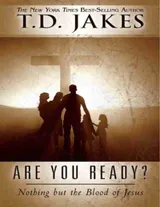


About the Book
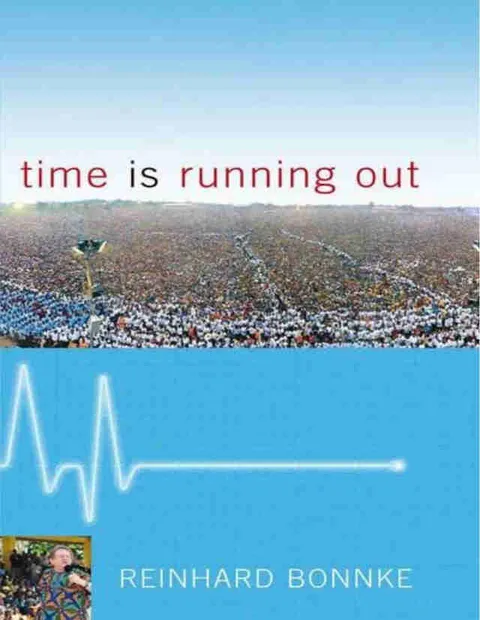
"Time is Running Out" by Reinhard Bonnke emphasizes the urgency of spreading the gospel and saving souls before it is too late. The book encourages readers to act now and fulfill their calling as Christians to share the message of salvation with others. Bonnke's message is powerful and challenges readers to prioritize their faith and evangelism efforts before it is too late.
Isaac Watts
you don’t have to get married to be happy
You don’t have to get married to be happy. In fact, until we realize that we don’t have to get married to be happy, we’re really not ready to marry. Disclaimer: I am now happily married. If you’re single, you may be ready to click away, and I can understand why. Too many married people have too much to say about singleness. To be sure, not every married person knows your particular pain and circumstances, but some do. And they may have a perspective on singleness, dating, and marriage that none of your single friends have. I was drunk in love more than once, infatuated in dating, mesmerized by marriage. I started dating in middle school, followed by one long serious relationship after another through high school and college. I thought I would be married by 22, and instead I got married almost a decade later. I said things I wish I could unsay, and crossed boundaries I wish I could go back and rebuild. I’m not some married guy writing to single you. I’m writing to single me. I know him better than I know my wife — his weaknesses, his blind spots, his impatience — and I have so much good news for him. And for you. When I say that you don’t have to be married to be happy, I say that as someone who devoured romance looking desperately for lasting joy — and who knows what it feels like to end up further from it after each breakup. Does Marriage Mean Happiness? One of the greatest hurdles to getting married is our obsession with getting married. We too easily believe the lie that life will never be as good as it could have been if we never get married. The Bible actually says the opposite of that, even though it has many good things to say about marriage. “To be truly happy in marriage, it cannot be the ultimate source of our happiness.” The apostle Paul celebrates singleness over marriage: “I wish that all were as I myself am. . . . To the unmarried and the widows I say that it is good for them to remain single, as I am” (1 Corinthians 7:7–8). According to him, we don’t ever have to be married to be truly and deeply happy. In fact, marriage may actually threaten the only thing that will make us happy (1 Corinthians 7:32–35). It’s not a command (1 Corinthians 7:6), he says, but counsel from someone who wrote half of the books in the New Testament. Elsewhere, he also celebrates love and marriage as much as anyone in Scripture (Ephesians 5:25–33). But what he wrote about singleness has everything to do with our desires to be married. You don’t have to get married to be happy, but to be truly happy in marriage — and in life — marriage cannot be the ultimate source of your significance or happiness. To be truly happy with a husband or wife, you must be happier in Someone else first. You must be most satisfied in Him. Lonely Hunt for Happiness Romantic love is a heart terrorist unless it is anchored in a higher love. Jesus warns the not-yet-married, “Whoever loves father or mother more than me is not worthy of me, and whoever loves son or daughter more than me is not worthy of me” (Matthew 10:37). Whoever loves future husband or wife more than me is not worthy of me. Jesus, why would you pit my love for you against my love for my parents, or my spouse, or my children? Because even the best love here pales in comparison to that love, and any love that competes with our love for him jeopardizes our joy. Elisabeth Elliot writes, “The cross, as it enters the love life, will reveal the heart’s truth. My heart, I knew, would be forever a lonely hunter unless settled ‘where true joys are to be found’” ( Passion and Purity , 41). “The happier you are in God before you are married, the happier you’ll be with someone else when you get married.” Don’t recklessly chase marriage for things you will only fully find in God. Fullness of joy is not found at that altar, and pleasures forevermore are not lying in the marriage bed. No, Scripture sings about a higher love and greater joy, “You make known to me the path of life; in your presence there is fullness of joy; at your right hand are pleasures forevermore” (Psalms 16:11). A Lamp to My Heart Jesus tells a story about ten women waiting for the bridegroom, each carrying a lamp while they wait (Matthew 25:1). Five brought extra oil to keep their lamps lit, while the other five brought lamps, but no oil. Both sets of lamps burned brightly for a while, but as the bridegroom finally arrived — when the women needed the lamps most — five were left in the dark and out of the marriage feast (Matthew 25:10). The lamps illustrate, among other things, the difference between falling in love and staying in love. It doesn’t take much at all to start a romantic flame, but it is much harder to sustain it through suffering, disappointment, and conflict. The happiest marriages have storehouses of spiritual oil other marriages have never known. Their love isn’t fueled by physical attraction or relational chemistry, but by a mutual affection for and devotion to Christ. The happier you are with God before you’re married, the happier you will be with someone else if and when you’re married. The only people who will make you truly happy in marriage will love Jesus more than you. And the only people whom you will make truly happy in marriage are people you love less than you love Jesus. That’s true for every single person. You Need to Fall in Love You don’t have to get married to be happy, but you do need to fall in love. When Jesus was asked about the most important command in the Bible, he answered, “You shall love the Lord your God with all your heart and with all your soul and with all your strength and with all your mind” (Luke 10:27). To find the love your soul longs for, you give your heart first to God, not to a husband or wife. The best way to pursue the marriage you want today is to pursue God with all your heart, mind, soul, and strength. Again, Elliot writes, “When obedience to God contradicts what I think will give me pleasure, let me ask myself if I love Him. If I can say yes to that question, can’t I say yes to pleasing Him? Can’t I say yes even if it means a sacrifice? A little quiet reflection will remind me that yes to God always leads in the end to joy. We can absolutely bank on that” ( Passion and Purity , 90). “The best way to pursue the marriage you want today is to pursue God with all your heart, mind, soul, and strength.” Ten thousand years from now, your marriage may be just a sweet, but short sticky note in the massive filing cabinet of our happy marriage with Jesus. On our ten-thousandth anniversary with Christ, how will you think about your earthly marriage? How will you think about your current boyfriend or girlfriend (or crush)? After centuries without any confusion or fear or sadness, how will you reflect on your days of heartache and loneliness here? The painful desires and waiting will still have been very real, but now small and insignificant compared with the perfect, seamless love and happiness we will enjoy forever. Don’t wait to figure out the source of your happiness until you find a husband or wife. Wait to find a spouse until you’ve figured out the true source of happiness. If we knew just how happy Jesus would make us, we would stop looking so desperately for that happiness in a husband or wife. And then we just might be truly happy with that husband or wife one day.