Lilias Trotter
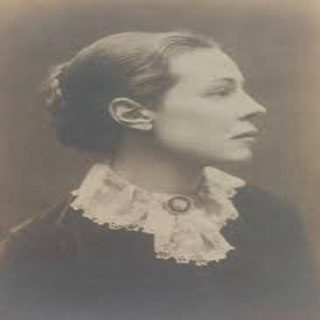 Long before the concept of the 10-40 window was invented or became a popular term in missions circles, a thirty-four-year-old promising artist named Isabella Lilias Trotter (1853–1928) landed in North Africa in 1888 along with two of her friends. They had neither mission agency support nor training but immediately began studying the Arabic language with the intention of sharing the gospel as widely as they could for as long as they could.
For the next forty years, this creative, dynamic woman poured out her life, her artistic abilities, and her linguistic skills to make the gospel known amid many difficulties. Her journals tell of her daily experience of desperately depending on the divine resources of the Holy Spirit.[1]
“The life of Lilias Trotter challenges the world’s meaning of success, potential, and fulfillment.”
The life of Lilias Trotter challenges the world’s meaning of success, potential, and fulfillment. Through Trotter’s art, writings, and life story come glimpses of Christ’s power in the prayers of his child and faithful witness. Her day-by-day, decade-by-decade journals reveal a life characterized by trust in her Savior and inward rest in his power for victory over sin and darkness.
Her success should not be measured numerically, but rather in the fact that Lilias succeeded in learning about prayer and love for Muslims. Her life attests to the exceeding value of knowing and preferring Christ above all else. Her personal devotion to Jesus Christ is exemplary and instructive not only for aspiring missionaries but for all who desire to live wholeheartedly for the glory of God.
Laying down Her Life
Lilias was born into a wealthy Victorian family, and they considered the value of walking humbly before God to be of first importance. A talented artist, she attracted the attention of John Ruskin, the noted Victorian art critic and Oxford lecturer. Some of her paintings and leaves from her sketchbook can be found in the Ashmolean Museum in Oxford, England.
In 1874, Lilias attended a six-day convention that emphasized the importance of the daily application of Scripture in her quest for deeper intimacy with God. She experienced a renewed vitality in personal and corporate worship. Her call to wholeheartedly follow Christ in obedience came during a call to prayer. She wrote of this in her journal: “To bear His name with all that is wrapped up in it of fragrance and healing and power, to enter into His eternal purpose, is the calling for which it is well worth counting all things as loss.” [2]
From then on, rather than invest her extraordinary life in the things of this world, Lilias was compelled by a strong yearning for her Savior and the world he loves. In radical obedience, she left the promising artistic career that Ruskin offered her and the comforts of England for a life of missionary service in Algeria.
“In radical obedience, she left a promising artistic career and the comforts of England for a life of missionary service in Algeria.”
Praying with Passion
Trotter’s intercession for Algerians provides inspiration to those who desire to see all peoples worship God. She spent lengthy, frequent sessions of retreat in the hills overlooking the city of Algiers. She prayed and turned her eyes on Jesus, his Word, and his revelation in creation. As she watched the broken waves pushed by the heart of the ocean crashing on the shore of the bay, she waited with faith to see “God’s high tide” sweep across the Muslim world.
Lilias was a contemporary of the great missionary to Muslims, Samuel Zwemer. She learned much from him about the power of prayer to pierce the veil of darkness shrouding the Muslim hearts and to engage in the spiritual battle for souls of those held captive by the adversary. Her example of perseverance in prayer is an encouragement for those today who are interceding for God’s high tide to fill the earth and sweep away the veil of darkness.
The writings of Lilias Trotter recognize the work of the adversary to hold nonbelievers captive through their unbelief and his power to keep the life-giving truth from reaching them. She pled for Christians to ask God to do a new work among “hard-bound peoples and to generate a fire of the Holy Spirit to melt away though icy barriers and set a host free!” [3]
Proclaiming God’s Word in Power
Courageous and innovative in her witness to the Algerians, Lilias observed and learned to witness effectively to her neighbors. In 1919, Trotter began writing tracts for Nile Mission Press. She assisted a Swedish missionary in translation and editing the gospels of Luke and John in colloquial Arabic, “into a language that the Arab mother could read to her child.”[4] She also wrote stories in parable form that appealed to her audience, and she creatively illustrated them in Eastern style, the results of which gained wide circulation.
The story of Lilias Trotter continues to inspire and mobilize those who long to worship around the throne of Christ with all peoples. She laid down her life and talents and allowed Christ to use her in creative and innovative ways. Her life was one of passionate prayer, dependence on God’s overcoming power, and confidence in proclaiming the life-giving Word of God. Her story encourages others to follow in her footsteps and consecrate their life to the “hardest work and the darkest sinners.” [5]
Paula Hemphill and her husband, Ken, have shared fifty years of ministry together. The stories of missionary pioneers in North Africa captured Paula’s heart as a young pastor’s wife, calling her to a lifetime of prayer for Muslim peoples. The Hemphills have three married daughters and twelve grandchildren.
Endnotes: For more on Lilias Trotter, see Many Beautiful Things: the Life and Vision of Lilias Trotter (Oxvision Films, 2016) or read the excellent biography by Miriam Huffman Rockness, A Passion for the Impossible (Discovery House, 2003).
[1] One journal entry later became the inspiration for “Turn Your Eyes upon Jesus,” a popular hymn written by Helen H. Lemmel: “Turn your soul’s full vision on Jesus and look and look at Him, and a strange dimness will come over all that is apart from Him and the divine attributes by which God’s saints are made, even in the twentieth century, will lay hold of you.” (I.R. Stewart, The Love that Was Stronger: Lilias Trotter of Algiers (London: Lutterworth Press, 1958), 54.)
Long before the concept of the 10-40 window was invented or became a popular term in missions circles, a thirty-four-year-old promising artist named Isabella Lilias Trotter (1853–1928) landed in North Africa in 1888 along with two of her friends. They had neither mission agency support nor training but immediately began studying the Arabic language with the intention of sharing the gospel as widely as they could for as long as they could.
For the next forty years, this creative, dynamic woman poured out her life, her artistic abilities, and her linguistic skills to make the gospel known amid many difficulties. Her journals tell of her daily experience of desperately depending on the divine resources of the Holy Spirit.[1]
“The life of Lilias Trotter challenges the world’s meaning of success, potential, and fulfillment.”
The life of Lilias Trotter challenges the world’s meaning of success, potential, and fulfillment. Through Trotter’s art, writings, and life story come glimpses of Christ’s power in the prayers of his child and faithful witness. Her day-by-day, decade-by-decade journals reveal a life characterized by trust in her Savior and inward rest in his power for victory over sin and darkness.
Her success should not be measured numerically, but rather in the fact that Lilias succeeded in learning about prayer and love for Muslims. Her life attests to the exceeding value of knowing and preferring Christ above all else. Her personal devotion to Jesus Christ is exemplary and instructive not only for aspiring missionaries but for all who desire to live wholeheartedly for the glory of God.
Laying down Her Life
Lilias was born into a wealthy Victorian family, and they considered the value of walking humbly before God to be of first importance. A talented artist, she attracted the attention of John Ruskin, the noted Victorian art critic and Oxford lecturer. Some of her paintings and leaves from her sketchbook can be found in the Ashmolean Museum in Oxford, England.
In 1874, Lilias attended a six-day convention that emphasized the importance of the daily application of Scripture in her quest for deeper intimacy with God. She experienced a renewed vitality in personal and corporate worship. Her call to wholeheartedly follow Christ in obedience came during a call to prayer. She wrote of this in her journal: “To bear His name with all that is wrapped up in it of fragrance and healing and power, to enter into His eternal purpose, is the calling for which it is well worth counting all things as loss.” [2]
From then on, rather than invest her extraordinary life in the things of this world, Lilias was compelled by a strong yearning for her Savior and the world he loves. In radical obedience, she left the promising artistic career that Ruskin offered her and the comforts of England for a life of missionary service in Algeria.
“In radical obedience, she left a promising artistic career and the comforts of England for a life of missionary service in Algeria.”
Praying with Passion
Trotter’s intercession for Algerians provides inspiration to those who desire to see all peoples worship God. She spent lengthy, frequent sessions of retreat in the hills overlooking the city of Algiers. She prayed and turned her eyes on Jesus, his Word, and his revelation in creation. As she watched the broken waves pushed by the heart of the ocean crashing on the shore of the bay, she waited with faith to see “God’s high tide” sweep across the Muslim world.
Lilias was a contemporary of the great missionary to Muslims, Samuel Zwemer. She learned much from him about the power of prayer to pierce the veil of darkness shrouding the Muslim hearts and to engage in the spiritual battle for souls of those held captive by the adversary. Her example of perseverance in prayer is an encouragement for those today who are interceding for God’s high tide to fill the earth and sweep away the veil of darkness.
The writings of Lilias Trotter recognize the work of the adversary to hold nonbelievers captive through their unbelief and his power to keep the life-giving truth from reaching them. She pled for Christians to ask God to do a new work among “hard-bound peoples and to generate a fire of the Holy Spirit to melt away though icy barriers and set a host free!” [3]
Proclaiming God’s Word in Power
Courageous and innovative in her witness to the Algerians, Lilias observed and learned to witness effectively to her neighbors. In 1919, Trotter began writing tracts for Nile Mission Press. She assisted a Swedish missionary in translation and editing the gospels of Luke and John in colloquial Arabic, “into a language that the Arab mother could read to her child.”[4] She also wrote stories in parable form that appealed to her audience, and she creatively illustrated them in Eastern style, the results of which gained wide circulation.
The story of Lilias Trotter continues to inspire and mobilize those who long to worship around the throne of Christ with all peoples. She laid down her life and talents and allowed Christ to use her in creative and innovative ways. Her life was one of passionate prayer, dependence on God’s overcoming power, and confidence in proclaiming the life-giving Word of God. Her story encourages others to follow in her footsteps and consecrate their life to the “hardest work and the darkest sinners.” [5]
Paula Hemphill and her husband, Ken, have shared fifty years of ministry together. The stories of missionary pioneers in North Africa captured Paula’s heart as a young pastor’s wife, calling her to a lifetime of prayer for Muslim peoples. The Hemphills have three married daughters and twelve grandchildren.
Endnotes: For more on Lilias Trotter, see Many Beautiful Things: the Life and Vision of Lilias Trotter (Oxvision Films, 2016) or read the excellent biography by Miriam Huffman Rockness, A Passion for the Impossible (Discovery House, 2003).
[1] One journal entry later became the inspiration for “Turn Your Eyes upon Jesus,” a popular hymn written by Helen H. Lemmel: “Turn your soul’s full vision on Jesus and look and look at Him, and a strange dimness will come over all that is apart from Him and the divine attributes by which God’s saints are made, even in the twentieth century, will lay hold of you.” (I.R. Stewart, The Love that Was Stronger: Lilias Trotter of Algiers (London: Lutterworth Press, 1958), 54.)




-160.webp)
-480.webp)