.-480.webp)

The Shoe Box: A Christmas Story Order Printed Copy
- Author: Francine Rivers
- Size: 1.95MB | 50 pages
- |




%20by%20Francine%20Rivers%20(z-lib.org).epub-160.webp)
-160.webp)


About the Book
"The Shoe Box: a Christmas Story" by Francine Rivers tells the heartwarming tale of a girl named Timmy who learns the true meaning of Christmas through the simple act of giving. Timmy's encounter with a homeless man and her decision to selflessly give away her beloved shoes leads to a miraculous chain of events that culminates in a lesson about kindness, generosity, and the spirit of the season. This beautiful story reminds readers of the importance of compassion and the joy that comes from giving to others.
William and Catherine Booth
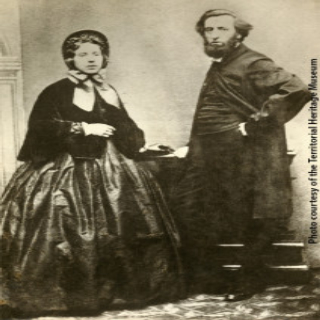 William Booth
The Salvation Army founder, William Booth was born in Nottingham, England, on 10 April 1829.
Salvation Army founder General William BoothFrom his earliest years, William was no stranger to poverty. He was just 14 when his father died and was already working as a pawnbroker’s apprentice to supplement the family’s income.
As a pawnbroker, William saw poverty and suffering on a daily basis. By the time he finished his six-year apprenticeship, he had developed a deep hatred of it.
William, a fiery and impulsive teenager, became a Christian at 15 and began attending the local Wesleyan Chapel. There, he developed the passion that would be the driving force in his life; to reach the down and out of Britain's cities through the Gospel of Christ.
William, a talented preacher from a young age, went on to work as a travelling evangelist with the Methodist church. But it was through preaching in the streets of London's slums that he discovered his life's purpose and The Salvation Army was born.
Catherine Booth
The Salvation Army "mother", Catherine Mumford was born in Ashbourne, Derbyshire, on 17 January 1829.
The Salvation Army founder and Army mother Catherine BoothFrom an early age, she was a serious and sensitive girl with a strong Christian upbringing. By the age of 12, it's said that she had read the Bible through eight times.
At 14, Catherine became ill and spent a great deal of time in bed. She kept herself busy, especially concerned about the problems of alcohol. She wrote articles for a magazine, encouraging people not to drink.
But at 16, she came wholly into her faith. Reading the words, 'My God I am Thine, what a comfort Divine' in her hymn book, she realised the truth of them for herself.
A gentle woman with powerful appeal, Catherine would go on to co-found The Salvation Army and prove an inspiration to women in a harsh time.
Life together
Catherine and William met when he came to preach at her church. They soon fell in love and became engaged. During their three-year engagement, William continued his work as a travelling evangelist. Catherine was a constant support to William, writing him letters of encouragement on his travels.
They married on 16 June 1855.
Together, William and Catherine embarked on a lifelong journey to answer the call of God to bring the Gospel to the people. While William was a natural speaker, Catherine was a quiet woman and not at all accustomed to speaking at gatherings. It took time for her to find her voice, but she was driven by a conviction that woman had the same rights as men to speak. She grew into a courageous speaker, known for her gentle manner but powerful appeal, counselling alcoholics in their homes and holding cottage meetings for new faithfuls.
They were also parents to a growing family of eight children, who were brought up with a firm Christian education and a great love for their God’s mission. Two of their children, Bramwell and Evangeline would go on to be Generals of The Salvation Army.
In 1865, William, by now an independent evangelist, along with Catherine founded The Christian Mission. William preached to the poor while Catherine spoke to the wealthy to gain support for their financially demanding work. In time, she began to hold her own fundraising campaigns.
It was not until 1878 that The Christian Mission became known as The Salvation Army. Modelled after the military with William and his fellow ministers a part of God’s Army, seeking salvation for the masses. William was appointed the first General and his ministers became “officers”.
Catherine became known as “The Army Mother” and remained a strong voice on The Salvation Army’s ideas on social issues and matters of belief.
With its strong focus on the downtrodden and dispossessed, The Salvation Army began to grow beyond Britain’s borders. In William’s lifetime, the Army would be established in 58 countries and colonies. Its mission was and is still guided by William’s book “In Darkest England and the Way Out”, which maps out a revoluntionary approach to social engagement never before undertaken by a church.
Both Catherine and William worked tirelessly to bring the Gospel to all, establishing a movement in the form of The Salvation Army. But, on 4th October 1890, Catherine lost her ongoing battle with ill health. Her son, Bramwell, described her passing as “a warrior laid down her sword to receive her crown”.
William continued on for many years, traveling all over the world to oversee his growing Army. On 20th August 1912, William Booth was, in Salvation Army terms, promoted to glory.
Though passed, both William and Catherine continue to be guiding influences in The Salvation Army and stand as the mightiest examples of how God uses the ordinary to create the extraordinary.
William Booth
The Salvation Army founder, William Booth was born in Nottingham, England, on 10 April 1829.
Salvation Army founder General William BoothFrom his earliest years, William was no stranger to poverty. He was just 14 when his father died and was already working as a pawnbroker’s apprentice to supplement the family’s income.
As a pawnbroker, William saw poverty and suffering on a daily basis. By the time he finished his six-year apprenticeship, he had developed a deep hatred of it.
William, a fiery and impulsive teenager, became a Christian at 15 and began attending the local Wesleyan Chapel. There, he developed the passion that would be the driving force in his life; to reach the down and out of Britain's cities through the Gospel of Christ.
William, a talented preacher from a young age, went on to work as a travelling evangelist with the Methodist church. But it was through preaching in the streets of London's slums that he discovered his life's purpose and The Salvation Army was born.
Catherine Booth
The Salvation Army "mother", Catherine Mumford was born in Ashbourne, Derbyshire, on 17 January 1829.
The Salvation Army founder and Army mother Catherine BoothFrom an early age, she was a serious and sensitive girl with a strong Christian upbringing. By the age of 12, it's said that she had read the Bible through eight times.
At 14, Catherine became ill and spent a great deal of time in bed. She kept herself busy, especially concerned about the problems of alcohol. She wrote articles for a magazine, encouraging people not to drink.
But at 16, she came wholly into her faith. Reading the words, 'My God I am Thine, what a comfort Divine' in her hymn book, she realised the truth of them for herself.
A gentle woman with powerful appeal, Catherine would go on to co-found The Salvation Army and prove an inspiration to women in a harsh time.
Life together
Catherine and William met when he came to preach at her church. They soon fell in love and became engaged. During their three-year engagement, William continued his work as a travelling evangelist. Catherine was a constant support to William, writing him letters of encouragement on his travels.
They married on 16 June 1855.
Together, William and Catherine embarked on a lifelong journey to answer the call of God to bring the Gospel to the people. While William was a natural speaker, Catherine was a quiet woman and not at all accustomed to speaking at gatherings. It took time for her to find her voice, but she was driven by a conviction that woman had the same rights as men to speak. She grew into a courageous speaker, known for her gentle manner but powerful appeal, counselling alcoholics in their homes and holding cottage meetings for new faithfuls.
They were also parents to a growing family of eight children, who were brought up with a firm Christian education and a great love for their God’s mission. Two of their children, Bramwell and Evangeline would go on to be Generals of The Salvation Army.
In 1865, William, by now an independent evangelist, along with Catherine founded The Christian Mission. William preached to the poor while Catherine spoke to the wealthy to gain support for their financially demanding work. In time, she began to hold her own fundraising campaigns.
It was not until 1878 that The Christian Mission became known as The Salvation Army. Modelled after the military with William and his fellow ministers a part of God’s Army, seeking salvation for the masses. William was appointed the first General and his ministers became “officers”.
Catherine became known as “The Army Mother” and remained a strong voice on The Salvation Army’s ideas on social issues and matters of belief.
With its strong focus on the downtrodden and dispossessed, The Salvation Army began to grow beyond Britain’s borders. In William’s lifetime, the Army would be established in 58 countries and colonies. Its mission was and is still guided by William’s book “In Darkest England and the Way Out”, which maps out a revoluntionary approach to social engagement never before undertaken by a church.
Both Catherine and William worked tirelessly to bring the Gospel to all, establishing a movement in the form of The Salvation Army. But, on 4th October 1890, Catherine lost her ongoing battle with ill health. Her son, Bramwell, described her passing as “a warrior laid down her sword to receive her crown”.
William continued on for many years, traveling all over the world to oversee his growing Army. On 20th August 1912, William Booth was, in Salvation Army terms, promoted to glory.
Though passed, both William and Catherine continue to be guiding influences in The Salvation Army and stand as the mightiest examples of how God uses the ordinary to create the extraordinary.
"which thief"
"Oh, of course, I intend to be saved sometime; but there is no use being in a hurry about it. There is always a chance, even at the eleventh hour. Remember the dying thief!" carelessly said a young man at the close of a meeting, when spoken to about his soul. "Which thief?" pointedly asked his questioner. "Why, I had really forgotten there were two. I mean the saved one," was the reply, as an anxious expression came over his face. "Yes, one was saved, and is in heaven now. The other, who had an equal opportunity for salvation, is wailing in hell. What warrant have you that you will not spend eternity as he will, rather than as the other?" It was a word fitly spoken, an arrow that pierced the joints of his harness; and the young man was led to see the folly of further procrastination, and that night was saved for eternity, through receiving the Lord Jesus Christ as his personal Saviour. Thousands, like him, forget there were "two thieves." They remember the mercy of God that saved the one, while forgetting the judgment of God meted out to the other. Carelessly they wander on, hoping to be saved at last; but, alas, how many are cut off in sin and damned forever, to whom the gospel was often presented, but who, presuming on the patience of God, rejected it until "there was no remedy." Which thief, reader, we affectionately ask, would you be like? We recollect speaking once to a very refined and elegant lady on a steamer, who asked, indignantly, "You do not mean to say I have got to go to heaven like the dying thief, do you?" "No, madam," we replied, "you do not have to. If you reject Christ, you will have to go to hell with the other." And so we would remind the reader; The saved thief believed on the Son of God, and is with Christ now. The lost thief scorned a Saviour, and is in the depths of woe. You must be with one or the other for eternity. "Because there is wrath, beware lest He take thee away with His stroke: then a great ransom cannot deliver thee." From The Only Two Religions and Other Gospel Papers by H. A. Ironside. New York: Loizeaux Brothers, Publishers, [n.d.].