
Others like the release of the spirit Features >>
How To Take The Limits Off God
Christ The Sum Of All Spiritual Things
The Release Of Power
-160.webp)
The Power Of Your Words: How God Can Bless Your Life Through The Words You Speak
The Holy Spirit And His Gifts
The Fear Of The Lord
.epub-160.webp)
The Price Of Spiritual Power
_by__A.B.%20Bruce_-160.webp)
Training Of The Twelve (Principles For Christian Leadership)
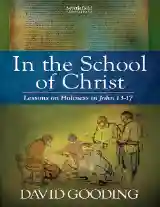
In The School Of Christ - Lessons On Holiness In John 13–17
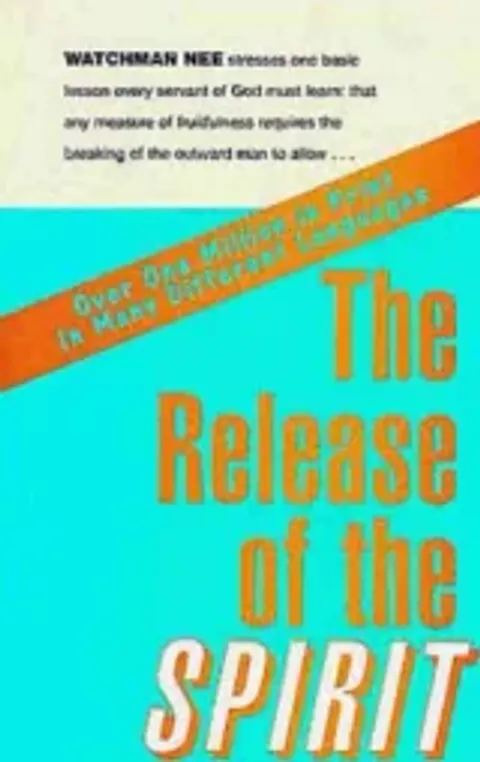
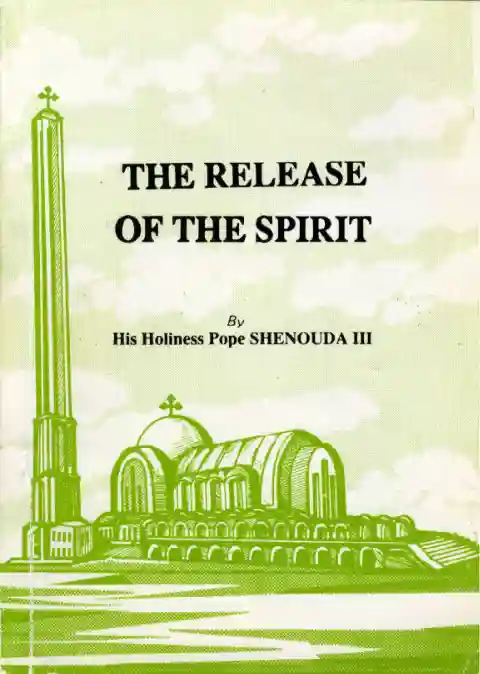
The Release Of Spirit
About the Book
"The Release of the Spirit" by Pope Shenouda III explores the concept of the spiritual life and how individuals can grow in their relationship with God. The book discusses the importance of prayer, meditation, and spiritual disciplines in nurturing a deep and meaningful connection with the divine. Pope Shenouda III encourages readers to seek spiritual transformation and liberation by surrendering to God and allowing the Holy Spirit to work within them.
Jack Miller
The Pursuit of True Discipleship
I learned as a very new Christian that if I was going to grow in the image of Christ I had to guard my heart. Here’s what that looked like for me. Very early on in my Christian walk, when I was almost 21 years old, I knew that I needed to be a woman of the Word. I began to guard my heart and my life by regularly engaging in the Bible. What’s important to know is that the most effective way to stay actively engaged in the Bible is not only to read the Word by yourself but also to read it with a small group. Everything you do personally is then maximized and multiplied when you’re in a group with a room full of women. The Holy Spirit is speaking to each and every one in the group as everyone is doing her daily reading throughout the week. The Lord has created each of us completely differently, unique from each other. So in a group we read the same passages every single week together, and yet the Lord speaks to us differently through every season of life we’re in. When we get to sit around the table or sit around someone’s living room and share exactly what we have each heard from the Lord, it’s a beautiful process that the Holy Spirit uses in our individual lives but also in the lives of all of those women who are meeting together. So this is a two-fold process. Not only do we grow personally, but we’re also growing as a unit — and that's a beautiful thing. I really hope you’re excited about what this might look like in your life. "Actively choose to put yourself in an atmosphere and environment to follow after Him, to constantly be changed into His image on this side of eternity." So, what is a disciple? I love to answer that question, because I think sometimes we make it more difficult than it actually is. Simply put, a disciple is a lifelong learner of Jesus Christ — someone who truly follows after Him all the days of her life. You actively choose to put yourself in an atmosphere and environment to follow after Him, to constantly be changed into His image on this side of eternity. Discipleship, then, means to intentionally equip believers with the Word of God, through accountable relationships and empowered by the Holy Spirit, in order to replicate faithful followers of Christ. Every single phrase in that definition is very important. One, it’s intentional. Two, we are equipping believers with the Word of God. From the beginning we must understand that the centerpiece of discipleship is God’s Word. Everything must always revolve around the centerpiece, because only God’s Word in the Spirit will change the hearts and the lives of people. We must intentionally equip believers with the Word of God. We’re doing that through accountable relationships and through the empowerment of the Holy Spirit. The end goal is always to replicate that process to make more disciples. John 8:31-32 says, “Then Jesus said to the Jews who had believed him, ‘If you continue in my word, you really are my disciples. You will know the truth, and the truth will set you free.’” I don't know about you, but I can always use more truth and freedom in my life — freedom from sin, freedom from bondage, and everything else that holds on to us in this world. We need to be women who say, I'm going to abide in Christ. I’m going to remain in His Word because remaining in His Word means that I am truly a disciple. Kandi Gallaty