
Others like the pursuit of god Features >>
-160.webp)
The Pursuit Of His Presence

The Power Of God's Names
The Words Of Jesus: A Gospel Of The Sayings Of Our Lord With Reflections
Knowing The Heart Of God - A Year Of Daily Readings
The Power Of Thank You
Trusting God In Times Of Adversity
Size Of The Soul

The Finest Of The Wheat
The Pleasures Of God: Meditations On God’s Delight

In Pursuit Of Peace - 21 Ways To Conquer
About the Book
"The Pursuit of God" by A.W. Tozer is a Christian spiritual classic that explores the nature of God and the believer's journey towards a deeper relationship with Him. Tozer emphasizes the importance of seeking God above all else and offers practical guidance on how to cultivate a life of intimacy with Him. The book challenges readers to reevaluate their priorities and pursue a life of devotion and submission to God.
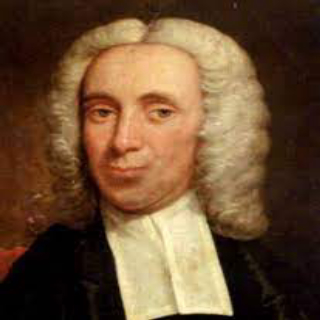
Isaac Watts
God Has a Wonderful Plan for Your Life
How do we choose what path to take? We have more opportunities than any generation before us. Technology, material wealth, and a global interconnectedness presents the average American Millennial with more potential than our parents could have ever imagined. In this cacophony, we routinely wonder — and worry — what direction our lives will take. For the believer, we are told to trust God and know that his will is perfect. Pulpit axioms and best-selling books echo themes to the effect of the Lord’s words to Jeremiah: “For I know the plans I have for you,” declares the Lord, “plans to prosper you and not to harm you, plans to give you hope and a future” (Jeremiah 29:11). God desires good for his children (Romans 8:28). This theme is repeated throughout his word and is true. But Paul has more specificity to add to God’s will for our lives. Paul states it in 1 Thessalonians 4:3, “For this is the will of God — your holiness.” The Plans You Have for You I hate everything the prosperity “gospel” stands for, but too often I live like one who believes it. When I think about God’s good plans for me, I picture getting married and raising a family as soon as possible, becoming a mid-level manager by 30, and retiring comfortably at 60. In other words, my way of viewing God’s plan for me looks oddly like the American Dream. These things are all good gifts, and there’s nothing immoral about wishing for a comfortable life in the right context. In fact, we should pray that God blesses us and his people. The problem arises when we wish for such temporary things more than the ultimate joy received through sanctification. The reality is that for most of church history — and in most of the world today — Christians have been severely oppressed, marginalized, and killed for their beliefs. Observe the lives of the early apostles; almost all of them were martyred. For most Christians, seeking God’s will doesn’t look like fretting over career decisions, but learning how to live for God’s glory when the stakes are high and the costs steep. Life Coach Or Lord? We often want God to be our life coach rather than our Lord. We want a pastor to give us three to five helpful tips on how to live an easier life, all the while forgetting that our mission is to exalt God. Instead of letting his glory to shape our desires and ambitions, we too often expect him to reveal his minute-by-minute instructions for our lives. We expect him to spell out everything. We crave the personal comfort of knowing our destined five-year plan over faithfully trusting him the next five years. Slowly, we forget that faith might look messy, and that we might not have our entire life plan unveiled to us immediately. Sometimes, we must step forward with both confidence and uncertainty. We forget that, while God has conquered death through his Son on the cross, we still live in a fallen world and are amid a spiritual war between good and evil. We forget that he’s sovereign over us. God’s Wonderful Plan for Your Life God does have a wonderful plan for your life. But for the believer, that plan is salvation from his wrath that we justly deserve. And it is indeed a wonderful plan — while we merited eternal punishment, God satisfied that payment through his Son. God’s wonderful plan for our life is that we continually surrender the evil desires of our flesh and conform more to his image. God’s wonderful plan for our life is that we repent, believe in him, and fight sin through his power. God’s wonderful plan for our life is sober-mindedness, sexual purity, and that we “walk not as unwise, but wise, making the most of our time because the day is evil” (Ephesians 5:15-16). God’s plan is that he may be most glorified in us through us being satisfied in him. As Christians we know that true happiness — the truly wonderful life — comes from true surrender. Free to Trust God So, what would it look like to reconstruct how we, as believers, view God’s will? His word says that “Godliness with contentment is great gain” (1 Timothy 6:6), and to, “Seek first the kingdom of God and his righteousness, and all these things will be added to you” (Matthew 6:33). How ought we make decisions in this light? In the here-and-now, it can be difficult to decipher what he’s telling us. In times when God seems to be speaking to us in a faint whisper, we must realize his primary will for us: holiness. This realization is tremendously freeing. Instead of being stuck in paralysis of deliberation, we can take the next step forward. We begin to recognize that what is on this earth is fleeting. We don’t have to fret in indecision, futilely trying to interpret God’s will as if it were a complex puzzle. When we have the choice between good options concerning careers, jobs, places to live, and the like, we can decide confidently knowing that God wants our holiness regardless of our context. We don’t know what the future will hold, but we know that he is good and will bring what he began to completion (Philippians 1:6). If we pursue holiness first, wherever we may end up will be of some importance, yet ultimately trivial. Before every big decision, surrender to God and pursue holiness. Trust the Lord and his promises to make your paths straight (Proverbs 3:5–6). Article by Daniel Hess