
Others like the post rapture church Features >>





About the Book
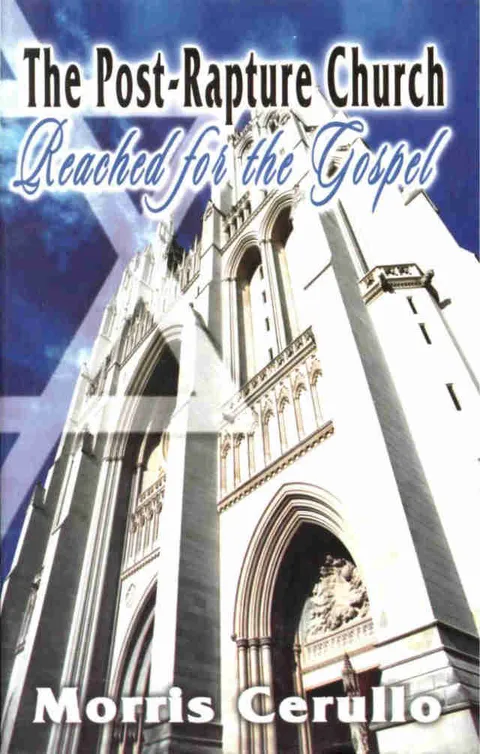
"The Post Rapture Church" by Morris Cerullo explores the concept of the church's role after the rapture of believers. Cerullo delves into biblical prophecy and provides insight into what believers can expect during this tumultuous time. The book offers guidance on how the church can stay faithful and fulfill its purpose in the world post-rapture.
John G. Lake
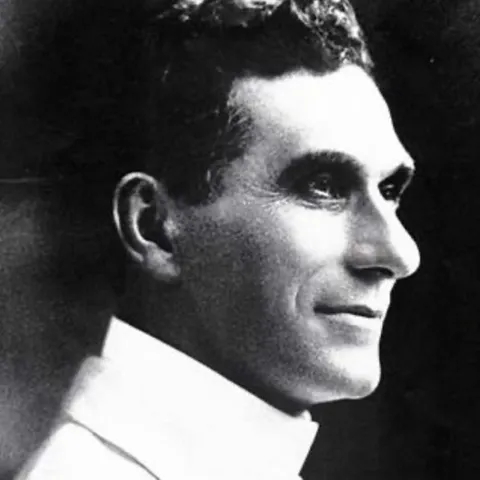 John G. Lake was born in Ontario, Canada on March 18th, 1870. He was a family man, person of integrity, honor, a savvy businessman and a good father. If you knew him you wouldn’t otherwise know that he would soon become one of the greatest men of God the world would ever know. He had a genuine love for the Lord Jesus and was known by his friends as a man who dedicated himself to intimacy with The Lord. It was out of this place that he loved his wife, was a man of integrity and built a very successful business career. To give you perspective, by 1905 John G Lake was making $50,000 per year this sum would be like upwards of 1.3 million dollars per year annually today. John grew up in a family environment which was plagued with sickness and death, it is said that his earliest memories were of sickness, death and funerals. Lake was from a large family, he had 16 siblings, 8 of which tragically died of various diseases. It is no coincidence that “the man of healing” was tormented from a young age with death and disease. The enemy will often oppose destinies with radical circumstances through a distortion of the very thing that we are called to walk in. Lake Was exposed to dramatic healing when he visited John Alexander Dowie’s ministry and was, in prayer, instantly healed of a rheumatism which had caused his legs to grow incorrectly. Just two short years into their marriage, Jennie Lake was diagnosed with tuberculosis and heart disease. Over the next couple of years, the condition worsened and the doctors resigned to the fact that it was only a matter of time before she would die. John allowed this situation to provoke him into faith, after being exposed to such death and disease from a young age he had a hatred for such things. When he would read the word of God he saw that his Christian experience was less than the promised “power of the Holy Spirit”. As Jennie was on her deathbed and perhaps taking her final breaths Lake was overcome with anger over sickness and threw his bible against the fireplace mantle! When he went to pick up his bible it was opened to Acts chapter 10:38 which says: "God anointed Jesus of Nazareth with the Holy Ghost and with power: who went about doing good, and healing all that were oppressed of the devil; for God was with him.” Lake had a surge of faith in that moment and sent a telegram to Dowie asking him to pray. Within an hour of Dowie praying she was fully healed! Not long after Jennie was healed, God began to speak to Lake about going into full time ministry. After some time of contemplation and seeking the Lord, God confirmed to John and Jennie separately that they were to move to South Africa to begin their life of ministry. John and Jennie then gave away all that they had, John forsook his mega-salary and they went on their way alongside some of their friends as ministry partners.
When they arrived in South Africa, they had no money. The problem was, that they needed at least $125 in order to clear customs. they nervously waited for their turn in line, rehearsing what they would say to the immigration officer They were in desperate need of a miracle, as the law read that they would be subject to deportation as quickly as they arrived in South Africa. Just as they were about the get to the front of the line, John felt a tap on his shoulder… A man was standing behind John and said “excuse me sir, can I have a word with you?” John nervously steps out of line at the man’s request and the man said “when I saw you and your family in line, the Lord told me to give you $200 cash”. The Lord provided just enough money for John and his family to enter the country. But their needs didn’t stop there. The Lakes and their crew had no ministry contact in Johannesburg. Soon after they cleared customs, a woman approached John’s friends and asked how many people are in their family, when they told her, she responded “no, not you” and went over to John and asked the same question. John replied “9” and she said “you’re the ones!” She went on to tell John that the Lord had spoken to her last night that she was to give her home to a family of 9 people who are coming from America to do God’s work. John, Jennie and their crew rejoiced in the dramatic provision of the Lord. Their time in South Africa was marked with waves of revival, there were multitudes saved, healed and delivered over the course of their 5 year ministry tour in South Africa.
By far my favorite story from this season of Revival takes place shortly after the Lake family and their team arrived in South Africa. A mighty plague was sweeping through the nation, the death count was climbing dramatically. So much so that there was a surplus of corpses who were victims of the plague and there was no one to bury the dead; if someone was to come in contact with a dead body they would most certainly become infected and their death sentence would immediately begin. John G. Lake astounded the medical officials because he, without any gloves or protective clothing began burying the dead. Physicians in a panic approached John and rebuked him for coming in contact with the dead, John boldly responded "when the disease comes in contact with my skin, you can watch it die". The doctors thought he was insane, so he challenged them to put a drop of the plague on his skin and watch it under a microscope. When they did so, John was right! The plague cells literally burned up the second they came in contact with his skin!
It is tough to understand what would happen towards the end of the Lake’s missionary journey in Africa. One day while John was away on a ministry trip, his wife Jennie suddenly passed away. The cause of her death was malnutrition and exhaustion. It wasn’t uncommon for the sick and broken to line the lawn of John G Lake’s home and Jennie, as an act of sacrifice, gave away all their food and any resources she could to the broken which frequented their house.
Although John and Jennie’s faith and sacrifice is commendable we must learn from this fatal mistake. John’s priorities clearly became altered as the demand for ministry raged on. He failed to guard and keep the very precious gift that God had given him, he allowed the demands of ministry to distract him from the needs of his family unto the tragic and preventable death of his wife. In the wake of Jennie’s death their children became bitter with John and subsequently God. Some of his children left the faith and the most recent accounts of them suggest that they died not following Christ. To this day some of John’s great grandchildren do not follow the Lord. John’s failure to obey the basic command of scripture for “husbands to love their wives as Christ loves the church” and his preoccupation with the demands of ministry opened up the door for the enemy to ravage his family. After Jennie’s death John moved back to the United States and remarried. He would then pioneer his famous healing ministry based out of Spokane Washington. Unfortunately John did not learn his lesson the first time, in the midst of more flames of revival he continued to be a poor father, emotionally disconnected from his children.
John G. Lake was born in Ontario, Canada on March 18th, 1870. He was a family man, person of integrity, honor, a savvy businessman and a good father. If you knew him you wouldn’t otherwise know that he would soon become one of the greatest men of God the world would ever know. He had a genuine love for the Lord Jesus and was known by his friends as a man who dedicated himself to intimacy with The Lord. It was out of this place that he loved his wife, was a man of integrity and built a very successful business career. To give you perspective, by 1905 John G Lake was making $50,000 per year this sum would be like upwards of 1.3 million dollars per year annually today. John grew up in a family environment which was plagued with sickness and death, it is said that his earliest memories were of sickness, death and funerals. Lake was from a large family, he had 16 siblings, 8 of which tragically died of various diseases. It is no coincidence that “the man of healing” was tormented from a young age with death and disease. The enemy will often oppose destinies with radical circumstances through a distortion of the very thing that we are called to walk in. Lake Was exposed to dramatic healing when he visited John Alexander Dowie’s ministry and was, in prayer, instantly healed of a rheumatism which had caused his legs to grow incorrectly. Just two short years into their marriage, Jennie Lake was diagnosed with tuberculosis and heart disease. Over the next couple of years, the condition worsened and the doctors resigned to the fact that it was only a matter of time before she would die. John allowed this situation to provoke him into faith, after being exposed to such death and disease from a young age he had a hatred for such things. When he would read the word of God he saw that his Christian experience was less than the promised “power of the Holy Spirit”. As Jennie was on her deathbed and perhaps taking her final breaths Lake was overcome with anger over sickness and threw his bible against the fireplace mantle! When he went to pick up his bible it was opened to Acts chapter 10:38 which says: "God anointed Jesus of Nazareth with the Holy Ghost and with power: who went about doing good, and healing all that were oppressed of the devil; for God was with him.” Lake had a surge of faith in that moment and sent a telegram to Dowie asking him to pray. Within an hour of Dowie praying she was fully healed! Not long after Jennie was healed, God began to speak to Lake about going into full time ministry. After some time of contemplation and seeking the Lord, God confirmed to John and Jennie separately that they were to move to South Africa to begin their life of ministry. John and Jennie then gave away all that they had, John forsook his mega-salary and they went on their way alongside some of their friends as ministry partners.
When they arrived in South Africa, they had no money. The problem was, that they needed at least $125 in order to clear customs. they nervously waited for their turn in line, rehearsing what they would say to the immigration officer They were in desperate need of a miracle, as the law read that they would be subject to deportation as quickly as they arrived in South Africa. Just as they were about the get to the front of the line, John felt a tap on his shoulder… A man was standing behind John and said “excuse me sir, can I have a word with you?” John nervously steps out of line at the man’s request and the man said “when I saw you and your family in line, the Lord told me to give you $200 cash”. The Lord provided just enough money for John and his family to enter the country. But their needs didn’t stop there. The Lakes and their crew had no ministry contact in Johannesburg. Soon after they cleared customs, a woman approached John’s friends and asked how many people are in their family, when they told her, she responded “no, not you” and went over to John and asked the same question. John replied “9” and she said “you’re the ones!” She went on to tell John that the Lord had spoken to her last night that she was to give her home to a family of 9 people who are coming from America to do God’s work. John, Jennie and their crew rejoiced in the dramatic provision of the Lord. Their time in South Africa was marked with waves of revival, there were multitudes saved, healed and delivered over the course of their 5 year ministry tour in South Africa.
By far my favorite story from this season of Revival takes place shortly after the Lake family and their team arrived in South Africa. A mighty plague was sweeping through the nation, the death count was climbing dramatically. So much so that there was a surplus of corpses who were victims of the plague and there was no one to bury the dead; if someone was to come in contact with a dead body they would most certainly become infected and their death sentence would immediately begin. John G. Lake astounded the medical officials because he, without any gloves or protective clothing began burying the dead. Physicians in a panic approached John and rebuked him for coming in contact with the dead, John boldly responded "when the disease comes in contact with my skin, you can watch it die". The doctors thought he was insane, so he challenged them to put a drop of the plague on his skin and watch it under a microscope. When they did so, John was right! The plague cells literally burned up the second they came in contact with his skin!
It is tough to understand what would happen towards the end of the Lake’s missionary journey in Africa. One day while John was away on a ministry trip, his wife Jennie suddenly passed away. The cause of her death was malnutrition and exhaustion. It wasn’t uncommon for the sick and broken to line the lawn of John G Lake’s home and Jennie, as an act of sacrifice, gave away all their food and any resources she could to the broken which frequented their house.
Although John and Jennie’s faith and sacrifice is commendable we must learn from this fatal mistake. John’s priorities clearly became altered as the demand for ministry raged on. He failed to guard and keep the very precious gift that God had given him, he allowed the demands of ministry to distract him from the needs of his family unto the tragic and preventable death of his wife. In the wake of Jennie’s death their children became bitter with John and subsequently God. Some of his children left the faith and the most recent accounts of them suggest that they died not following Christ. To this day some of John’s great grandchildren do not follow the Lord. John’s failure to obey the basic command of scripture for “husbands to love their wives as Christ loves the church” and his preoccupation with the demands of ministry opened up the door for the enemy to ravage his family. After Jennie’s death John moved back to the United States and remarried. He would then pioneer his famous healing ministry based out of Spokane Washington. Unfortunately John did not learn his lesson the first time, in the midst of more flames of revival he continued to be a poor father, emotionally disconnected from his children.
lord, all i have is yours
Jesus’s encounter with the rich young man has always unsettled me. I’m an American. I’m as middle-class as Americans go, which means I live in a level of affluence and abundance unknown by most of my co-inhabitants of this world today, and by a far, far lower percentage of people in history. In global and historical terms, I am that man. The most disturbing thing about the young man is that he seemed so familiar with his affluence-shaped religious and cultural assumptions that he didn’t realize how out of touch with spiritual reality he was. I doubt that many around him discerned how out of touch he was. From the very brief glimpses of him we catch in the synoptics, and by Jesus’s response to him in Mark’s account, this man doesn’t seem to match the arrogant rich oppressor we envision when we read James 5:4–6. Those around him might have assumed his prosperity was God’s affirmative blessing. After all, this man was spiritually earnest — running to Jesus and kneeling before him to ask him if there was more he needed to do to be saved (Mark 10:17). He had all the appearance of piety — having kept (or believed he did) the commandments Jesus listed since he was young (Mark 10:19–20). And he was sincere — Mark records that “Jesus, looking at him, loved him” (Mark 10:21). He was all these things, yet he lacked the kind of faith that saves. Spiritually earnest, sincere, apparently pious — perhaps more than most around him. Isn’t that what faith looks like? No, not necessarily. Faith looks like trusting . And when it comes to what we really believe, trusting looks like treasuring . For when it’s all on the line for us, we always trust in what we truly treasure. Show Me What I Trust The most loving thing Jesus could do for this earnest, sincere young man was show him the god he trusted: “You lack one thing: go, sell all that you have and give to the poor, and you will have treasure in heaven; and come, follow me” (Mark 10:21). Then the man saw his real god, and he walked away from Jesus’s incredible invitation “sorrowful.” Why? “He had great possessions” (Mark 10:22). This led to Jesus’s devastating observation: And Jesus looked around and said to his disciples, “How difficult it will be for those who have wealth to enter the kingdom of God! . . . It is easier for a camel to go through the eye of a needle than for a rich person to enter the kingdom of God.” (Mark 10:23–25) When it was all on the line for the young man, he trusted his wealth , his possessions , more than God. His wealth was his god, and that kept him from entering the kingdom. The thing is, he didn’t see this until he really had to choose. Do you find that disconcerting? The disciples did: “Then who can be saved?” (Mark 10:26). As an affluent American living in the midst of unprecedented historical abundance, I do. I don’t trust my faith self-assessment (1 Corinthians 4:3). I can trust only God’s assessment (1 Corinthians 4:4). And since faith is really proven genuine only when it is tried (1 Peter 1:6–7; James 1:2–4; 2 Corinthians 13:5), we must be willing, like the young man, to say to Jesus, Search me, O God, and know my heart! Try me and know my thoughts! And see if there be any grievous way in me, and lead me in the way everlasting! (Psalm 139:23–24) And if Jesus doesn’t call us to leave our abundance, but to continue living faithfully in it — if we are to really trust God and not our abundance — then we need the faith to abound. Faith to Abound Paul said he had learned to be content in whatever situation he found himself: I know how to be brought low, and I know how to abound. In any and every circumstance, I have learned the secret of facing plenty and hunger, abundance and need. I can do all things through him who strengthens me. (Philippians 4:12–13) If given the choice, most of us likely would prefer to be given the faith to abound rather than the faith to be brought low. I think that’s because we aren’t fully cognizant of the dangerous nature of material prosperity. Paul meant it when he said it requires God’s strength to “face plenty.” “Abundance” (prosperity) and “need” (scarcity) are very different circumstances. They both require faith in order to handle them in ways that glorify God. But they demand the exercising of different sets of faith muscles. Scarcity requires faith muscles for trusting God in a place of needy desperation. Prosperity requires faith muscles for trusting God in place of bountiful material security. Exercising faith in scarcity is not easy by any means. Most of us fear scarcity more than prosperity because the threat is clearly seen. But ironically, that’s one reason it can be easier to exercise faith in scarcity than in prosperity. Because in scarcity, our need is clear and our options are typically few. We feel desperate for God to provide for us and so we are driven to seek him — to exercise our faith. But exercising faith in prosperity is different. It’s a more complex and deceptive spiritual and psychological environment. It requires that we truly trust — truly treasure — God when we don’t feel desperate for his provision, when we feel materially secure, when nothing external is demanding that we feel urgency. When we have lots of options that look innocuous and we can spend precious time and money on all sorts of pursuits and enjoyments. This environment is so dangerous that Jesus warns it is harder for people in it to enter God’s kingdom than for a camel to climb through the eye of a needle. Test yourself. When have you sought God most earnestly: in need or abundance? When God Is Our Option Christians have always found it harder to voluntarily give away security than to desperately plead for it. It requires different faith muscles to trust God in divesting ourselves of prosperity for his sake than to trust God to meet our scarcity for his sake. In some ways, it takes greater faith to trust God when you have other options than when he is our only option. That’s why the laborers are so few when the harvest is so plenty (Luke 10:2). Few want to face worldly need in order to experience kingdom plenty. It makes the kind of faith that saints like George Müller and Hudson Taylor exercised so remarkable. Yes, they trusted in God in scarcity. But what made this all the more remarkable was that they could have raised money in other legitimate ways to support their work and avoid many of those needy moments. But they voluntarily chose (which is different from being circumstantially forced) to place themselves in a position of desperation to demonstrate that God exists and rewards those who seek him (Hebrews 11:6). They, like Paul, learned the secret of facing abundance and need: fully trusting God, their Treasure. Whatever It Takes We Christians who live in abundance need to heed the story of the rich young man. We need him to unnerve us. For the whole history of the church bears witness to the general trend that the wealthier she grows, the more corrupt, indulgent, and apathetic she grows. And the less urgent over lost souls she feels. It’s harder for people in our environment to be real Christians than for camels to pass through a needle’s eye. But Jesus does not leave us without great hope. He announces, “With man [handling material abundance faithfully] is impossible, but not with God. For all things are possible with God” (Mark 10:27). So, let us run to Jesus — who has power to do what is impossible for us — kneel before him, and plead: Whatever it takes, Lord, help me to truly trust you as my greatest treasure. I would rather lose my material security and gain the kingdom than gain the world and lose my soul. All I have is yours — my life, my family, my time, my money, my possessions, my future — and I will steward them as you wish, even if it means losing them (Philippians 3:8). And I invite you to search my heart and put my faith to the test.