
Others like the hidden man Features >>
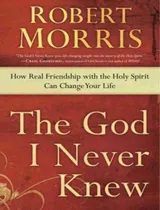
The God I Never Knew

When The Many Are One

The Oil And The Mantle

The Enemy Has Done This

The Tree And Your Ministry

The Wisdom Of Making Right Choices
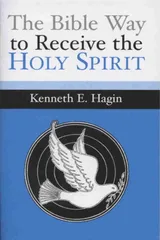
The Bible Way To Receive The Holy Spirit

The Person And Work Of The Holy Spirit

Invading Babylon - The 7 Mountain Mandate
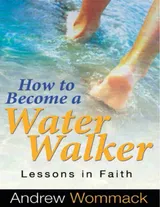
How To Become A Water Walker
About the Book
"The Hidden Man" by E.W. Kenyon explores the concept of the hidden man of the heart, a spiritual reality that affects every aspect of a person's life. Kenyon delves into the power of positive confession, the importance of faith and the role of the Holy Spirit in transforming the hidden man. The book emphasizes the need for believers to align their thoughts and words with God's truth to experience victory in life.
Jackie Hill Perry
Jackie Hill Perry has a way with words, and people canât stop listening. A gifted poet, rapper, writer, and teacher, she has written books and Bible studies, released hip-hop albums, and taught at events, conferences, colleges, and coliseums all over the nation. Inspired by her powerful testimony of salvation and deliverance from a gay lifestyle and her teaching on the holiness of God, the word is out: God is good, He is Lord, and those who surrender to Him are made new.
The Power of God
Itâs a message Jackie is passionate about because she knows firsthand the transformational power of Jesus Christ. She and her husband â fellow spoken-word artist, Preston Perry â met in 2009 while performing at an artistâs showcase. Impressed with Jackieâs poetry, Preston struck up a friendship that deepened over the years. Eventually, they began dating, which presented significant challenges but also great rewards. The Lord used Preston as a source of healing, and marriage forced Jackie to deal with hurts and fears sheâd been reluctant to give to God. The couple, who reside in Atlanta, married in 2014. They are now the parents of three daughters: Eden, Autumn, and Sage; and are expecting a son.
A decade ago, Jackie could never have imagined marriage, motherhood, and ministry in her future. Violated and abandoned by men who should have loved and protected her, Jackie was hurting. Fear and distrust kept watch over her heart. Surrender wasnât an option, even when a loving God promised her new life. Despite some exposure to church and to Scripture, Jackie was adamant that she would never submit to Jesus as Lord.
Her attraction to women started in early childhood and intensified during adolescence. Jackie finally gave in to same-sex desires, along with drugs and other habits that brought comfort, pleasure, and an emotional escape. Suppressing her femininity by wearing menâs clothing and assuming the male role in dating relationships, Jackie says every area of her life was characterized by sin and rebellion against God.
Then one evening, 19-year-old Jackie felt the conviction of the Holy Spirit. Recalling the experience, she says, âIt was a God thing. No one can ever tell me that I saved myself. I had some understanding of Jesus and obedience and Christianity. But I sincerely wanted nothing to do with God on His terms.â
Even as she resisted, Jackie clearly sensed the Lord speaking to her. âWhen He showed me that all of my sin would be the death of me â that it was true that the wages of sin is death, but it was equally true that God offered eternal life if I would repent and believe â I was compelled to trust Him. For the first time in my life, I knew that God was real and He was worth it. Just the day before, my heart was hard as a rock, and now I wanted Jesus. Only the Holy Spirit could have done that.â
âFor the first time in my life, I knew that God was real and He was worth it. Just the day before, my heart was hard as a rock, and now I wanted Jesus. Only the Holy Spirit could have done that.â
The Power of Words
Jackie dove into Godâs Word and began discovering the woman He designed her to be â mind, body, and spirit. Seeking to express herself in deeper, more artistic ways, she began writing poetry. Jackie didnât shy away from revealing her past or the ongoing struggle with temptation and sin. Her poems unflinchingly spoke gospel truth and glorified God as the ultimate source of love and life. After connecting with the Passion for Christ Movement (P4CM), Jackie was asked to write a poem about being an ex-lesbian. Hesitant at first, she felt the Lord prompting her to move forward. Through its confessional lyrics and rock-solid theology, My Life as a Stud shined a spotlight on Jackieâs conversion and marked the beginning of her public ministry.
âWhen My Life As a Stud came out in 2009, so many gay and lesbian people who didnât go to church, didnât trust Christians, and didnât want to have anything to do with the Bible clicked on the poem and suddenly wanted Jesus. I realized God had given me this art form where Iâm able to speak to peopleâs hearts.â
Since then, she has taken the message of Godâs love to artist showcases, faith-based conferences, college campuses, and major media outlets. The foundation of her message is always the Word of God: In His goodness, God created male and female. As the perfect designer of gender and sexuality, God is worthy of trust and obedience. Although same-sex attraction is central to her testimony, Jackie emphasizes that the church should approach the LGBTQ community the same way it approaches other people. Everyone is created to be an image-bearer of the living God with a unique identity and great worth. Rather than labeling someone as âa gay friend,â itâs important to develop genuine, one-on-one relationships the same way Jesus did. By investing in authentic friendships, Christians will be able to share the gospel because theyâre actually modeling it.
The Power of Redemption
Jackie points out that being âdead in sinâ goes far beyond someoneâs sexual preference. Without Christ, people are lost in every way. But when Jesus gives new life, He forgives and redeems the whole person. She says, âGod saved me from sin, not just my sexuality. I was an all-around sinful person. In essence, sin was my lord. As much as I loved women in a lustful way, I also loved pornography and drugs, bitterness and unforgiveness.â
Through discipleship, Jackie recognized the holistic nature of Godâs redemption. âIâve learned that pride is one of my greatest struggles, even more so than same-sex attraction,â she explains. âPride manifests itself in so many areas of my life, itâs hard to keep up. God didnât just rescue me from being gay. He saved me from believing Iâm a better lord than He is.â In response to the growing debate over same-sex attraction and the frequent questions she receives when people hear her testimony, Jackie wrote her first book, Gay Girl, Good God, to serve three core groups: people seeking to help and understand those within the LGBTQ community; people within the community who may disagree with some of her conclusions but are still intrigued; and people who are believers, yet have same-sex attraction and are trying to figure out how to love Jesus while dealing with those feelings.
When asked what she hopes the church learns from the book, she says, âI want people to see that how you reach the LGBTQ community is the same way you reach anybody â with the gospel. The gospel is about God. The method shouldnât be any different when youâre speaking to someone who is dealing with gluttony or lying or lust. Itâs all the same. God is Lord, Heâs Master, Heâs King, Heâs able to save. And the problem with sin is always a problem between us and God.â
"God is Lord, Heâs Master, Heâs King, Heâs able to save. And the problem with sin is always a problem between us and God."
The Power of Community
Jackie hopes the church will develop greater empathy for same-sex individuals and recognize how difficult it is to walk away from the gay lifestyle. She says, âItâs not a random sin that is easily put off. The feelings are real, and it takes time and work and a long process of dying to self.â Without a supportive church family to encourage and affirm her, the author might have fallen away. The first couple of years as a Christian were the hardest. Jackie had to learn to put off the old nature and put on Christ. The process required spiritual and physical discipline. She had to shop for womenâs clothing, an experience that made her feel strange, vulnerable, and afraid.
Temptation was a constant source of condemnation, at times pushing Jackie into depression and doubt as she grieved over her sinful nature. After a decade of growing in Christ, Jackie still faces temptations but says theyâre more subtle and easier to flee. Instead of looking at women as objects of lust, she chooses to see them as image-bearers of God. In evaluating her walk with the Lord, she considers whether she is loving people well, growing in holiness, and bearing good fruit. And she looks to Jesus, who endured the horror of the cross because He loved God with all of His heart. Knowing Jesus didnât want the cup of suffering, yet accepted it with humility, helps Jackie run the Christian race with endurance.
Endurance and spiritual growth became the inspiration for Jackieâs second album, Crescendo, which was hailed as âstunning,â âflawless,â and arguably âthe best hip-hop album of the year.â Although she began experimenting with rap simply for creative expression, Jackie soon saw it as another platform to share the gospel. When asked about the albumâs title, the talented artist says, âIn music theory, âcrescendoâ means the increase in sound. So I wanted to apply that to faith. When youâre in Christ, as your faith increases, your fruit should get louder. You love more, youâre more generous, more attentive to the needs of people. You listen well. Things begin to change as your faith becomes more evident.â
She wrote the album to mimic that spiritual progression. The first track begins on a low note with âLamentations,â a rap about the reality of sin and the tendency for Jackie to forget sheâs been forgiven. Taking listeners through an honest exploration of spiritual growth, Crescendo ends on a high note, celebrating how the Lord saved Jackie through His gospel, initiated her Christian walk, and sustains her to this day.
The Power of Legacy
A gifted communicator and lyricist, Jackie isnât just impacting culture with wordcraft. Sheâs also building a spiritual legacy for her children. Because of her childhood trauma, the idea of raising daughters was terrifying. But sheâs found so much joy in becoming a mom. Jackie says, âWhen I think of parenthood, I know Iâm only called to steward these children and disciple them and hope they will love the Lord with all their hearts, souls, minds, and strength. When I was carrying Eden, Titus 2 really spoke to me about the older women teaching the younger women.
"Once I realized what a privilege it would be to raise up a woman in my home, I welcomed the challenge.â As Jackie reflects on the last decade, she gives God all the glory and praise. Without Christ, she wouldnât have her precious daughters, would have missed out on beautiful friendships, and would never have experienced being loved by a man for the first time in her life. âIf God hadnât rescued me, none of this would be possible,â Jackie says. âLife still has its challenges, for sure. But itâs better. Itâs so much better.â
This article courtesy of HomeLife magazine.
Kneeling Among Lions - Learning to Pray Like Daniel
Tucked away in the book of Daniel, sandwiched between stories about fiery furnaces and lions on the one hand, and visions of statues, beasts, and rising kings on the other, is an extended prayer with a shockingly immediate answer. Daniel 9 contains an extended, earnest, and heartfelt prayer by the prophet. And before he even says âAmen,â the angel Gabriel is standing before him, ready to give insight and understanding to the broken-hearted prophet. What did Daniel pray that caused God to immediately dispatch an angel with an answer? And can Danielâs prayer instruct us today in how to pray? Plot Against Prayer Danielâs prayer is a dated prayer. âIn the first year of Darius the son of Ahasuerusâ (Daniel 9:1). And the particular timing mentioned draws attention to one of the most famous stories in the Bible. At the end of Daniel 5, Darius the Mede conquers the Chaldeans and dethrones Belshazzar. In chapter 6, he appoints 120 local rulers as governors over his kingdom, with high officials overseeing them. Daniel is one of these high officials. Indeed, he is distinguished above all of the high officials because of the excellent spirit (or is it Spirit?) residing in him (Daniel 6:1â3). Darius plans to elevate Daniel over all the other officials, provoking them to jealousy. They then plot to find fault with Daniel in hopes of bringing him down. After examining his life, they conclude, âWe shall not find any ground for complaint against this Daniel unless we find it in connection with the law of his Godâ (Daniel 6:5). Soon enough, they do find a ground for complaint against Daniel â his habits of prayer. Danielâs custom is to pray three times per day with an open window facing Jerusalem. The jealous officials manipulate Darius into passing an irrevocable decree against praying to anyone except the king (Daniel 6:6â9). And Danielâs defiance of this decree famously lands him in the lionsâ den (Daniel 6:10â16). What is the relevance for the prayer of Daniel 9? Itâs likely that Daniel 9 is the sort of prayer that Daniel was praying with that famous window open. Whatâs more, if weâre attentive to the whole Scriptures, we can better understand why Daniel was praying with a window open facing Jerusalem. Solomon, Jeremiah, and Daniel In 1 Kings 8, Solomon is dedicating the temple of the Lord. As he nears the end of his prayer, he contemplates the possibility (and even likelihood) that the people of Israel will sin grievously against God. When they do, God will, in fulfillment of the warnings of Deuteronomy, give them over to their enemies so that Israel will be carried captive into a foreign land. Nevertheless, God will remain faithful to his promises and his people, even as he sends them into exile. In Solomonâs request, notice the specific direction his exiled people ought to pray: Yet if they turn their heart in the land to which they have been carried captive, and repent and plead with you in the land of their captors, saying, âWe have sinned and have acted perversely and wickedly,â if they repent with all their heart and with all their soul in the land of their enemies, who carried them captive, and pray to you toward their land, which you gave to their fathers, the city that you have chosen, and the house that I have built for your name, then hear in heaven your dwelling place their prayer and their plea, and maintain their cause and forgive your people who have sinned against you, and all their transgressions that they have committed against you, and grant them compassion in the sight of those who carried them captive, that they may have compassion on them (for they are your people, and your heritage, which you brought out of Egypt, from the midst of the iron furnace). (1 Kings 8:47â51) Solomon specifically mentions repenting and praying from exile toward Israel, toward Jerusalem. Thus, Danielâs actions make perfect sense. He is following Solomonâs instructions in hope that God will have compassion and restore his people. Beyond Solomonâs dedication, the immediate cause of Danielâs prayer is Jeremiahâs prophecy concerning the seventy weeks. Recorded in Jeremiah 25, the prophet rebukes Israel for her stubbornness and promises Godâs judgment through Nebuchadnezzar, king of Babylon, who will lay waste to Israel. Babylon will be triumphant for seventy years, after which God will bring judgment upon them for their own sins. Daniel has this prophecy in mind when he offers his own prayer of repentance (Daniel 9:2). Lessons from Danielâs Prayer These particulars matter. Daniel offered this prayer at a specific moment in redemptive history, under the covenant that God made with Moses, during the time when Jerusalem was the center of the spiritual universe. Today we are in a different redemptive era, under the new covenant, when the heavenly Jerusalem is the center of the universe. Nonetheless, there are truths that span the covenants. Despite our differences in time, redemptive era, location, and circumstances, Danielâs prayer was still âwritten for our instruction, that . . . we might have hopeâ (Romans 15:4). So how does Danielâs prayer give us hope? Confess Clearly First, Daniel says âAmenâ to Godâs judgment. Danielâs prayer is fundamentally a prayer of confession and repentance. Again and again, Daniel acknowledges the sin of Godâs people. âWe have sinned. We have done wrong. We have acted wickedly. We have rebelled. We have turned aside from your commandments. We have not listened to your prophets. We have committed treachery. We have not obeyed your voice.â Twenty times, Daniel acknowledges that Israel has sinned. You will look in vain for any rationalizations in this prayer. Daniel is not asking God to excuse Israelâs sin; he is asking God to forgive Israelâs sin. And forgiveness begins with saying âAmenâ to Godâs judgment. âDaniel teaches us to mince no words in confession, to use no euphemisms, to soft-pedal no transgressions.â And this instructs us. We all are prone to justify and rationalize our sin, to ask God to excuse us for what weâve done, rather than asking him to forgive us for what weâve done. But Daniel teaches us to mince no words in confession, to use no euphemisms, to soft-pedal no transgressions; indeed, the great variety of terms for sin and wickedness in his prayer teaches us to labor to be clear before God about the precise ways that we have fallen short of his standards. Remember Specifically Second, Daniel remembers Godâs word and Godâs works. In confessing, Daniel directly quotes Deuteronomy 7:9, and frames his prayer by Israelâs failure to obey the law of Moses (Daniel 9:11). In punishing Israel, God is simply confirming the oaths and curses he laid down in Deuteronomy 28. Even more than that, Daniel remembers the great works of God, especially the exodus, when God brought his people out of Egypt with a mighty hand (Daniel 9:15). âGod is pleased with Bible-shaped and Scripture-saturated prayers.â This too instructs us. God is pleased with Bible-shaped and Scripture-saturated prayers. It is good and right for us to orient our confession, our repentance, and our supplications in light of Godâs laws, his promises, and his warnings. By using Scripture to frame our own prayers, we approach God in a way that he has established, with words that he has inspired, and thus we have greater confidence that he will hear and answer. Plead Confidently Third, Daniel pleads for Godâs mercy. Even as he says âAmenâ to the judgment of God, Daniel appeals to Yahwehâs mercy and forgiveness (Daniel 9:9). Daniel knows that judgment is not Godâs final word. And thus, he asks for God to again shine his face on his sanctuary (Daniel 9:17), and to turn aside his anger that has cast his people into exile. In doing so, Daniel demonstrates his deep faith in Yahwehâs fundamental character toward his people: he is a God compassionate and merciful, slow to anger, and abounding in steadfast love (Exodus 34:6â7). We too can approach Godâs throne with confidence because we know it is a throne of grace. Whatever chastisement and discipline he brings, mercy reigns in the heart of God. He will by no means clear the guilty, but he loves to forgive those who turn to him in humble faith. Unifying Thread Finally, what ties these elements together is Godâs righteousness â his unswerving commitment to uphold the glory of his name. Underneath Danielâs âAmenâ to Godâs judgment, underneath Danielâs remembrance of Godâs word and works, and underneath Danielâs appeal to Godâs mercy is Danielâs sure faith that God is uppermost in Godâs affections. To the Lord belongs righteousness, and therefore he has punished his people (Daniel 9:7). His judgment is a fulfillment of his commitment to his word; he will not overlook transgressions against his law (Daniel 9:11â12). He is righteous to bring this judgment. But more than that, he is righteous in showing mercy. Daniel appeals to Godâs love for his name. God made a name for himself in delivering Israel from Egypt (Daniel 9:15). And now, Daniel roots his plea for mercy in Godâs righteousness (Daniel 9:16). Israel has become a byword; the nations mock at the once-great nation and the once-great city of Jerusalem. But this nation and this city are called by the name of Yahweh. And therefore, Danielâs final plea is not based on Israelâs righteousness, but on Godâs name. Now therefore, O our God, listen to the prayer of your servant and to his pleas for mercy, and for your own sake, O Lord, make your face to shine upon your sanctuary, which is desolate. O my God, incline your ear and hear. Open your eyes and see our desolations, and the city that is called by your name. For we do not present our pleas before you because of our righteousness, but because of your great mercy. O Lord, hear; O Lord, forgive. O Lord, pay attention and act. Delay not, for your own sake, O my God, because your city and your people are called by your name. (Daniel 9:17â19) So too for us. When we approach God, we do not come based on our righteousness. How could we? Instead, we beg God to act on our behalf for his own sake. Indeed, as those who live under Godâs new covenant, we appeal to him in the name of his Son Jesus. We plead for God to hear and forgive and pay attention and act on our behalf because we are called by the name of his Son, the great and awesome God who keeps covenant and steadfast love with his blood-bought people.