-480.webp)

The Genesis Flood (The Biblical Records And Its Scientific Implications) Order Printed Copy
- Author: John Whitecomb & Henry Morris
- Size: 69.44MB | 563 pages
- |
Others like the genesis flood (the biblical records and its scientific implications) Features >>
The Bondage Of The Will
The Kingdom Of The Occult
The Lion And The Lamb
The Revelation Of The Seven Seals
The Sons Of God, The Flood, The Tower Of Babel
-160.webp)
Genesis 1-4 (A Linguistic, Literary, And Theological Commentary)
-160.webp)
The Gospel Of The Kingdom: Scriptural Studies In The Kingdom Of God
The Authority Of The Bible And The Rise Of The Modern World
Paul's System Of Truth
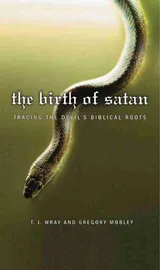
The Birth Of Satan
About the Book
"The Genesis Flood" by John Whitecomb and Henry Morris explores the biblical account of the Great Flood in the book of Genesis and its scientific implications. The authors argue that the Flood was a real historical event that shaped the geology and biology of the earth, supporting their claims with evidence from geology, biology, and paleontology. They also challenge the widely accepted theory of evolution and present a creationist perspective on the origins of the earth and life.
Warren Wiersbe
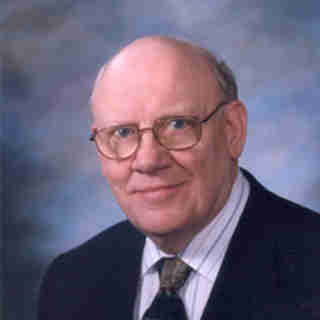 Dr. Warren Wiersbe once described Heaven as “not only a destination, but also a motivation. When you and I are truly motivated by the promise of eternity with God in heaven, it makes a difference in our lives.”
For Wiersbe, the promise of eternity became the motivation for his long ministry as a pastor, author, and radio speaker. Beloved for his biblical insight and practical teaching, he was called “one of the greatest Bible expositors of our generation” by the late Billy Graham.
Warren W. Wiersbe died on May 2, 2019, in Lincoln, Nebraska, just a few weeks shy of his 90th birthday.
“He was a longtime, cherished friend of Moody Bible Institute, a faithful servant of the Word, and a pastor to younger pastors like me,” said Dr. Mark Jobe, president of Moody Bible Institute. “We are lifting up pastor Wiersbe’s family in prayer at this time and rejoicing in the blessed hope that believers share together.”
Wiersbe grew up in East Chicago, Indiana, a town known for its steel mills and hard-working blue-collar families. In his autobiography, he connected some of his earliest childhood memories to Moody Bible Institute; his home church pastor was a 1937 graduate, Dr. William H. Taylor. After volunteering to usher at a 1945 Youth for Christ rally, Wiersbe found himself listening with rapt attention to Billy Graham’s sermon, and responded with a personal prayer of dedication.
In a precocious turn of events, the young Wiersbe was already a published author, having written a book of card tricks for the L. L. Ireland Magic Co. of Chicago. He quickly learned to liven up Sunday school lessons with magic tricks as object lessons (“not the cards!” he would say). After his high school graduation in 1947 (he was valedictorian), he spent a year at Indiana University before transferring to Northern Baptist Seminary in Chicago, where he earned a bachelor of theology degree. His future wife, Betty, worked in the school library, and Wiersbe was a frequent visitor.
While in seminary he became pastor of Central Baptist Church in East Chicago, serving until 1957. During those years he became a popular YFC speaker, which led to a full-time position with Youth for Christ International in Wheaton. He published his first article for Moody Monthly magazine in 1956, about Bible study methods, and seemed to outline his ongoing writing philosophy. “This is more of a personal testimony,” he said, “because I want to share these blessings with you, rather than write some scholarly essay, which I am sure I could not do anyway.”
At a 1957 YFC convention in Winona Lake, Indiana, Wiersbe preached a sermon that was broadcast live over WMBI, his first connection to Moody Radio. “I wish every preacher could have at least six months’ experience as a radio preacher,” he said later (because they would preach shorter).
While working with Youth for Christ, Wiersbe got a call from Pete Gunther at Moody Publishers, asking about possible book projects. First came Byways of Blessing (1961), an adult devotional; then two more books in 1962, A Guidebook for Teens and Teens Triumphant. He would eventually publish 14 titles with Moody, including William Culbertson: A Man of God (1974), Live Like a King (1976), The Annotated Pilgrim’s Progress (1980), and Ministering to the Mourning (2006), written with his son, David Wiersbe.
In 1961, D. B. Eastep invited Wiersbe to join the staff of Calvary Baptist Church in Covington, Kentucky. forming a succession plan that was hastened by Eastep’s sudden death in 1962. Warren and Betty Wiersbe remained at the church for 10 years, until they were surprised by a phone call from The Moody Church. The pastor, Dr. George Sweeting, had just resigned to become president of Moody Bible Institute. Would Wiersbe fill the pulpit, and pray about becoming a candidate?
He was already well known to the Chicago church—and to the MBI community. He continued to write for Moody Monthly and had just started a new column, “Insights for the Pastor.” The monthly feature continued to run during the years Wiersbe served at The Moody Church. Wiersbe would become one of the magazine’s most prolific writers—200 articles during a 40-year span. Meanwhile he also started work on the BE series of exegetical commentaries, books that soon found a place on the shelf of every evangelical pastor.
His ministry to pastors continued as he spoke at Moody Founder’s Week, Pastors’ Conference, and numerous campus events. He also inherited George Sweeting’s role as host of the popular Songs in the Night radio broadcast, produced by Moody Radio’s Bob Neff and distributed on Moody’s growing network of radio stations.
Later in life he would move to Lincoln, Nebraska, where he served as host of the Back to the Bible radio broadcast. He also taught courses on preaching at Trinity Evangelical Divinity School and Grand Rapids Baptist Seminary. He kept writing, eventually publishing more than 150 books and losing track of how many (“I can’t remember them all, and I didn’t save copies of everything,” he said.)
Throughout his ministry, Warren Wiersbe described himself as a bridge builder, a reference to his homiletical method of moving “from the world of the Bible to the world of today so that we could get to the other side of glory in Jesus.” As explained by his grandson, Dan Jacobson, “His preferred tools were words, his blueprints were the Scriptures, and his workspace was a self-assembled library.”
Several of Wiersbe’s extended family are Moody alums, including a son, David Wiersbe ’76; grandson Dan Jacobsen ’09 and his wife, Kristin (Shirk) Jacobsen ’09; and great-nephew Ryan Smith, a current student.
During his long ministry and writing career, Warren Wiersbe covered pretty much every topic, including the inevitability of death. These words from Ministering to the Mourning offer a fitting tribute to his own ministry:
We who are in Christ know that if He returns before our time comes to die, we shall be privileged to follow Him home. God’s people are always encouraged by that blessed hope. Yet we must still live each day soberly, realizing that we are mortal and that death may come to us at any time. We pray, “Teach us to number our days aright, that we may gain a heart of wisdom” (Psalm 90:12).
Dr. Warren Wiersbe once described Heaven as “not only a destination, but also a motivation. When you and I are truly motivated by the promise of eternity with God in heaven, it makes a difference in our lives.”
For Wiersbe, the promise of eternity became the motivation for his long ministry as a pastor, author, and radio speaker. Beloved for his biblical insight and practical teaching, he was called “one of the greatest Bible expositors of our generation” by the late Billy Graham.
Warren W. Wiersbe died on May 2, 2019, in Lincoln, Nebraska, just a few weeks shy of his 90th birthday.
“He was a longtime, cherished friend of Moody Bible Institute, a faithful servant of the Word, and a pastor to younger pastors like me,” said Dr. Mark Jobe, president of Moody Bible Institute. “We are lifting up pastor Wiersbe’s family in prayer at this time and rejoicing in the blessed hope that believers share together.”
Wiersbe grew up in East Chicago, Indiana, a town known for its steel mills and hard-working blue-collar families. In his autobiography, he connected some of his earliest childhood memories to Moody Bible Institute; his home church pastor was a 1937 graduate, Dr. William H. Taylor. After volunteering to usher at a 1945 Youth for Christ rally, Wiersbe found himself listening with rapt attention to Billy Graham’s sermon, and responded with a personal prayer of dedication.
In a precocious turn of events, the young Wiersbe was already a published author, having written a book of card tricks for the L. L. Ireland Magic Co. of Chicago. He quickly learned to liven up Sunday school lessons with magic tricks as object lessons (“not the cards!” he would say). After his high school graduation in 1947 (he was valedictorian), he spent a year at Indiana University before transferring to Northern Baptist Seminary in Chicago, where he earned a bachelor of theology degree. His future wife, Betty, worked in the school library, and Wiersbe was a frequent visitor.
While in seminary he became pastor of Central Baptist Church in East Chicago, serving until 1957. During those years he became a popular YFC speaker, which led to a full-time position with Youth for Christ International in Wheaton. He published his first article for Moody Monthly magazine in 1956, about Bible study methods, and seemed to outline his ongoing writing philosophy. “This is more of a personal testimony,” he said, “because I want to share these blessings with you, rather than write some scholarly essay, which I am sure I could not do anyway.”
At a 1957 YFC convention in Winona Lake, Indiana, Wiersbe preached a sermon that was broadcast live over WMBI, his first connection to Moody Radio. “I wish every preacher could have at least six months’ experience as a radio preacher,” he said later (because they would preach shorter).
While working with Youth for Christ, Wiersbe got a call from Pete Gunther at Moody Publishers, asking about possible book projects. First came Byways of Blessing (1961), an adult devotional; then two more books in 1962, A Guidebook for Teens and Teens Triumphant. He would eventually publish 14 titles with Moody, including William Culbertson: A Man of God (1974), Live Like a King (1976), The Annotated Pilgrim’s Progress (1980), and Ministering to the Mourning (2006), written with his son, David Wiersbe.
In 1961, D. B. Eastep invited Wiersbe to join the staff of Calvary Baptist Church in Covington, Kentucky. forming a succession plan that was hastened by Eastep’s sudden death in 1962. Warren and Betty Wiersbe remained at the church for 10 years, until they were surprised by a phone call from The Moody Church. The pastor, Dr. George Sweeting, had just resigned to become president of Moody Bible Institute. Would Wiersbe fill the pulpit, and pray about becoming a candidate?
He was already well known to the Chicago church—and to the MBI community. He continued to write for Moody Monthly and had just started a new column, “Insights for the Pastor.” The monthly feature continued to run during the years Wiersbe served at The Moody Church. Wiersbe would become one of the magazine’s most prolific writers—200 articles during a 40-year span. Meanwhile he also started work on the BE series of exegetical commentaries, books that soon found a place on the shelf of every evangelical pastor.
His ministry to pastors continued as he spoke at Moody Founder’s Week, Pastors’ Conference, and numerous campus events. He also inherited George Sweeting’s role as host of the popular Songs in the Night radio broadcast, produced by Moody Radio’s Bob Neff and distributed on Moody’s growing network of radio stations.
Later in life he would move to Lincoln, Nebraska, where he served as host of the Back to the Bible radio broadcast. He also taught courses on preaching at Trinity Evangelical Divinity School and Grand Rapids Baptist Seminary. He kept writing, eventually publishing more than 150 books and losing track of how many (“I can’t remember them all, and I didn’t save copies of everything,” he said.)
Throughout his ministry, Warren Wiersbe described himself as a bridge builder, a reference to his homiletical method of moving “from the world of the Bible to the world of today so that we could get to the other side of glory in Jesus.” As explained by his grandson, Dan Jacobson, “His preferred tools were words, his blueprints were the Scriptures, and his workspace was a self-assembled library.”
Several of Wiersbe’s extended family are Moody alums, including a son, David Wiersbe ’76; grandson Dan Jacobsen ’09 and his wife, Kristin (Shirk) Jacobsen ’09; and great-nephew Ryan Smith, a current student.
During his long ministry and writing career, Warren Wiersbe covered pretty much every topic, including the inevitability of death. These words from Ministering to the Mourning offer a fitting tribute to his own ministry:
We who are in Christ know that if He returns before our time comes to die, we shall be privileged to follow Him home. God’s people are always encouraged by that blessed hope. Yet we must still live each day soberly, realizing that we are mortal and that death may come to us at any time. We pray, “Teach us to number our days aright, that we may gain a heart of wisdom” (Psalm 90:12).
Hell Will Not Unsettle Heaven
How many of us, if we’re honest, can barely stomach the thought of divine judgment? We may genuinely believe the Bible, and acknowledge the reality (and rightness) of God’s wrath and an eternal hell, while mostly trying to avoid the subject. In a way, we tolerate God’s judgment, but our instinct is to turn away. At bottom, we may be a touch embarrassed by it. We celebrate Jesus’s self-sacrifice at the cross, but talk as little as possible about hell, even when sharing the gospel. The idea that we might someday enjoy God’s justice and power on display in his judgment seems almost imponderable — much less the thought that we might actually appreciate him for it, even now. Reconsidering Wrath When we avoid hell, though, we miss deeper and wider vistas on the glory of God. We overlook, minimize, or neglect significant facets of who God is. The wrath of God, and the reality of divine judgment, is one of Christianity’s most offensive claims today. Yet, as Tim Keller writes to skeptics, and to all of us, “If Christianity were the truth, it would have to be offending and correcting your thinking at some place. Maybe this is the place, the Christian doctrine of divine judgment” (The Reason for God, 73). “What if our shyness about divine judgment actually erodes our joy in God, rather than preserving it?” What if our shyness about divine judgment actually erodes our joy in God, rather than preserving it? Healthy hearts, of course, are not warmed at the prospect of unbelieving loved ones facing omnipotent wrath for all eternity. And yet if we follow God’s revelation of himself to us in the Scriptures, many of us will find more joy to be had, even now, not only in his love and grace, but also in his wrath and justice. Take just two glimpses, among others, in pondering the possibility. Judgment and Joy at the Exodus In Exodus 14, God’s people were backed up against the Red Sea, and they could see Pharaoh’s army coming for them. They seemed trapped, and began to experience a collective panic. Speaking into their great fear, Moses promised, “The Lord will fight for you” (Exodus 14:14), and as Pharaoh’s army approached, The angel of God who was going before the host of Israel moved and went behind them, and the pillar of cloud moved from before them and stood behind them, coming between the host of Egypt and the host of Israel. (Exodus 14:19–20) God, manifesting his presence in the pillar, moves to stand between his people and their enemy. This is an act of war. He steps forward to shield his own. He puts himself in the middle. He says, in effect, I’ll take this fight. I’ll protect my people from their aggressors. Let me have the Egyptians. DIVINE MAN OF WAR Then, after he has parted the sea, and as the Israelites are walking across, with the Egyptians coming in after them, God ends the battle with terrifying force: In the morning watch the Lord in the pillar of fire and of cloud looked down on the Egyptian forces and threw the Egyptian forces into a panic, clogging their chariot wheels so that they drove heavily. And the Egyptians said, “Let us flee from before Israel, for the Lord fights for them against the Egyptians.” (Exodus 14:24–25) “Divine wrath serves divine love, and in this way, love wins.” Moses stretches out his hand, the waters return to their normal course, and Exodus 14:27 reports, “The Lord threw the Egyptians into the midst of the sea.” God indeed has fought for them. He took their battle. He utterly destroyed their oppressors, and so, they break into song to celebrate their God, that “he has triumphed gloriously” (Exodus 15:1). They sing, “The Lord is a man of war; the Lord is his name” (Exodus 15:3). Exodus 14–15 will not be the last time we see God as a divine warrior against the enemies of his people (see also Deuteronomy 1:30; 3:22; 20:4; Joshua 23:10; 2 Chronicles 20:17; 32:8; Psalm 35:1; Isaiah 30:32; 31:4; Zechariah 14:3). However, note in particular here at the exodus: he is not only a “man of war,” but his people praise him for it. They don’t cringe. They’re not embarrassed. In fact, they delight in his wrath. They sing. They even dance (Exodus 15:20). Why? Because he destroyed their oppressors. WRATH SERVES LOVE The people celebrate God’s love (Exodus 15:13) — but not only his love. They also celebrate his fury against their enemies. They enjoy the protection of his wrath: Your right hand, O Lord, glorious in power, your right hand, O Lord, shatters the enemy. In the greatness of your majesty you overthrow your adversaries; you send out your fury; it consumes them like stubble. (Exodus 15:6–7) In the same moment, in the same action, God’s people are the object of his undeserved love, while his enemies are the objects of his well-deserved judgment. God’s demonstration of his wrath toward the Egyptians makes known his steadfast love to his people. He may patiently endure their mistreatment for a time, but in the end, his love compels the execution of justice against the wicked. Divine wrath serves divine love, and in this way, love wins. Judgment and Joy at the End We not only look back, though, to the exodus, but also forward to the final judgment. More blood flows in the pages of Revelation than anywhere else in the Scriptures. And yet what is the defining tenor of God’s people from beginning to end? They worship (Revelation 4:10; 5:14; 7:11; 11:16; and more). Their joy in God overflows in praise. As God’s horrific judgments fall one after another on the wicked, the torments of the damned do not diminish the delight of the saints in heaven. In fact, God’s judgments inspire the praises of his people. They rejoice, and know themselves recipients of his grace, precisely as his justice descends on those who endure in their rebellion against their Maker. “The day is coming when the people of God will rejoice that his judgment has fallen on the wicked.” When the clouds roll back, and we peek into heaven, we see martyrs cry out for justice: “O Sovereign Lord, holy and true, how long before you will judge and avenge our blood on those who dwell on the earth?” (Revelation 6:10). We hear an angelic call to worship “because the hour of his judgment has come” (Revelation 14:7). We hear yet another “song of Moses,” in which the saints in heaven proclaim, “All nations will come and worship you, for your righteous acts have been revealed” (Revelation 15:4). JUDGMENT AGAINST THEM, FOR YOU The worship of the heavenly hosts commends the justice of God’s judgments: Just are you, O Holy One, who is and who was, for you brought these judgments. For they have shed the blood of saints and prophets, and you have given them blood to drink. It is what they deserve! (Revelation 16:5–6) Heaven’s praises culminate in Revelation 18 and 19 with the final destruction of the wicked. God’s judgment displays his might for the watching eyes of his worshiping people (Revelation 18:8), and the destruction of Babylon summons his saints to worship: Rejoice over her, O heaven, and you saints and apostles and prophets, for God has given judgment for you against her! (Revelation 18:20) “For you,” it says to the saints. Divine judgments against the wicked are for you. HALLELUJAHS OVER HELL The climactic moment comes in Revelation 19:1–6. Here, at the height of God’s judgment, his people break forth in four hallelujahs (verses 1, 3, 4, and 6) — the only four in this book transfixed on heaven’s worship. Why hallelujah now? God’s people praise him for the judgment through which he saves them: Hallelujah! Salvation and glory and power belong to our God, for his judgments are true and just; for he has judged the great prostitute [Babylon] who corrupted the earth with her immorality, and has avenged on her the blood of his servants. (Revelation 19:1–2) “The horrors of hell will not spoil the joy of Jesus’s bride.” Then, once more, they cry, “Hallelujah!” and declare, “The smoke from her goes up forever and ever” (Revelation 19:3). The day is coming when the people of God will rejoice that his judgment has fallen on the wicked (so also Psalm 48:11; 58:10; 96:11–13). Then we will know in full what we perhaps only know and feel in part, for now. What About the Wicked We Love? Knowing that the eternal destruction of the wicked will not encumber, but in fact stir our eternal, ever-increasing joy in God Almighty does not mean we experience that joy fully now. Jesus himself wept over the lostness of Jerusalem (Matthew 23:37), and the apostle who knows these truths as well as any wrote of his “great sorrow and unceasing anguish” for his unbelieving “kinsmen according to the flesh” (Romans 9:2–3). Yet in the very same chapter, he was able to exult in wonder before the God who “desiring to show his wrath and to make known his power, has endured with much patience vessels of wrath prepared for destruction, in order to make known the riches of his glory for vessels of mercy, which he has prepared beforehand for glory” (Romans 9:22–23). That Paul can hold together both such sorrow and such glory gives us a glimpse of what our souls might be capable of, even in this life. The horrors of hell will not spoil the joy of Jesus’s bride. And imponderable as it may seem to us now in this disorienting in-between age, the decisive and eternal demonstration of God’s justice and power in the eternal destruction of the wicked will occasion the praise and joy of God’s people. Joy in the End — and Now We can indeed find eternal joy in the God of eternal wrath. In fact, we would not be able to find eternal, ever-increasing, ever-deepening joy in a God who was unjust. Deep down we all know we do not want a God who has no wrath and power. We do not want a God who affirms the wicked, or simply leaves them be, while they mount their eventual attack on God and his people. In the end, we do not ache for a God who stands idly by and doesn’t love his people enough to protect them from evil. In the end, the shades of grey will be gone, and those outside of Christ will be revealed for who they are: rebels against their Creator. Haters of the God we love. Abhorrers of the Christ we adore, and of his bride. There is an all-stakes war going on for the cosmos, and we have ignored it to our own peril. Our inability now to see how the eternal destruction of the wicked will one day soon be a cause for joy does not mean we will remain unable forever. In fact, we can grow and mature even in this age. And what we can’t feel now, we will soon enough. If not here in fresh tangible measures, then certainly in the age to come. We will not cringe. We will cry hallelujah. We will not dodge the truth but delight in it. No more will we wonder how these things can be so. We will know, and we will worship. Article by David Mathis