
Others like the blessing of the lord Features >>
The Logic Of Penal Substitution
A Treatise On The Law And The Gospel

The Power Of The Communion Table

The Bookends Of The Christian Life
Israel: The Blessing And The Curse
Power Of The Blood - Healing For You Spirit, Soul, And Body

Walking In The Newness Of Life
The Force Of Righteousness

The Power Of Forgiveness

The Ministry Of Healing
About the Book
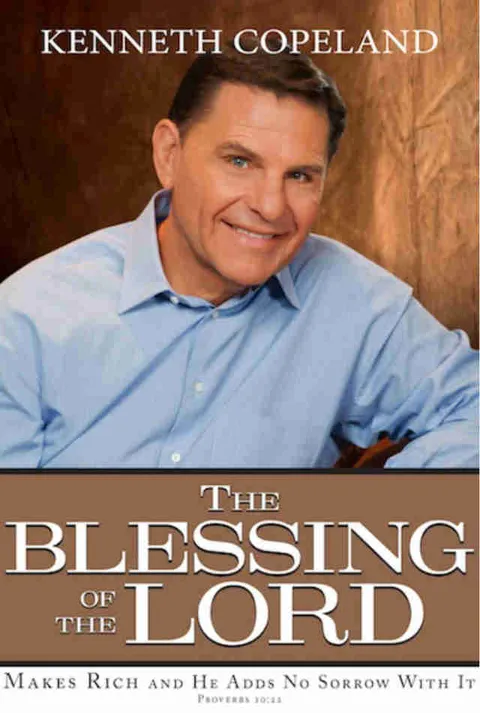
"The Blessing of the Lord" by Kenneth Copeland explores the power and importance of God's blessing in the lives of believers. Copeland delves into biblical principles and teachings to show how God's blessing can bring prosperity, health, and success to those who walk in faith and obedience. He emphasizes the significance of speaking God's blessings over one's life and highlights the transformative impact of receiving and living in the blessings of the Lord.
Gregory Thaumaturgus
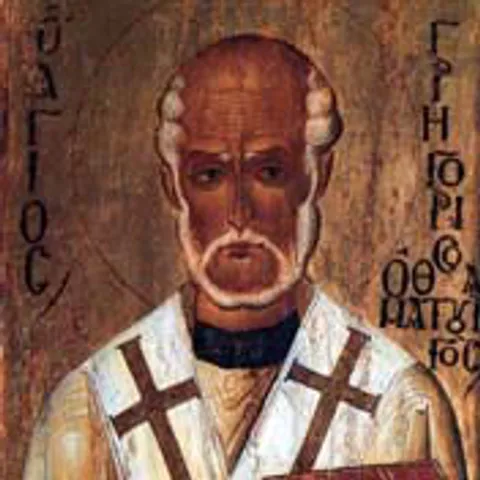 Gregory the Wonderworker’s Early life
Gregory was born in a Pontus, a region on the southern coast of the Black Sea, located in the modern-day eastern Black Sea Region of Turkey, around 212-13. His was a wealthy home and his parents named him Theodore (Gift of God) despite their pagan beliefs. When he was 14 years old his father died and soon after, he and his brother, Athenodorus, were anxious to study law at Beirut, Lebanon, then one of the four of five famous schools in the Hellenic world.
Influence of Origen
However, on the way, they first had to escort their sister to rejoin her husband, who was a government official assigned to Caesarea in Palestine (modern Haifa, Israel). When they arrived they learned that the celebrated scholar Origen, head of the catechetical school of Alexandria, lived there.
Inquisitiveness led them to hear and speak with the Origen and his irresistible charm quickly won their hearts. They soon dropped their desires for a life in Roman law, became Christian believers and pupils of Origen, learning philosophy and theology, for somewhere between five and eight years. Origen also baptised Gregory.
Pastor (then Bishop) of Neoceasarea
Gregory returned to his native Pontus with the intention of practicing oratory, but also to write a book proving the truth of Christianity, revealing his evangelistic heart. But his plans were disrupted when locals noticed his passion for Christ and his spiritual maturity. There were just seventeen Christians in Neoceasarea when Gregory arrived and this small group persuaded him to lead them as their bishop. (‘bishop’ simply meant a local overseer). At the time, Neocaesarea was a wicked, idolatrous province.
Signs of the Spirit
By his saintly life, his direct and lively preaching, helping the needy and settling quarrels and complaints, Gregory began to see many converts to Christ. But it was the signs and wonders that particularly attracted people to Christ.
En route to Neocaesarea from Amasea, Gregory expelled demons from a pagan temple, its priest converted to Christ immediately.
Once, when he was conversing with philosophers and teachers in the city square, a notorious harlot came up to him and demanded payment for the sin he had supposedly committed with her. At first Gregory gently remonstrated with her, saying that she perhaps mistook him for someone else.
But the loose woman would not be silenced. He then asked a friend to give her the money. Just as the woman took the unjust payment, she immediately fell to the ground in a demonic fit, and the fraud became evident. Gregory prayed over her, and the devil left her. This was the beginning of Gregory’s miracles. It was at this time he became known as ‘Gregory Thaumaturgus,’ ‘Gregory the Miracle Worker’ (or Wonderworker).
At one point Gregory wanted to flee from the worldly affairs into which influential townsmen persistently sought to push him. He went into the desert, where by fasting and prayer he developed an intimacy with God and received gifts of knowledge, wisdom and prophecy. He loved life in the wilderness and wanted to remain in solitude with God until the end of his days, but the Lord willed otherwise.
His theological contribution
Though he was primarily an evangelist and pastor, Gregory also had a deep theological understanding.
His principal work ‘The Exposition of Faith’, was a theological apology for Trinitarian belief. It incorporated his doctrinal instructions to new believers, expressed his arguments against heretical groups and was widely influential amongst leaders in the Patristic period: Basil the Great, Gregory the Theologian, and Gregory of Nyssa (The Cappadocian Fathers). It was the forerunner of the Nicene Creed that was to appear in the early 4th century.
In summary
He gave himself to the task of the complete conversion of the population of his diocese. The transformation in Neocaesarea was astonishing. Persuasive preaching, numerous healings and miraculous signs had a powerful effect. Such was his success that it was said that when Gregory became bishop (c 240) he found only seventeen Christians in his diocese; when he died only seventeen remained pagan (Latourette 1953:76).
Basil the Great’s Testimony
Basil the Great (330-379, Bishop of Caesarea, in his work ‘On the Spirit’ wrote the following account of Gregory the wonder-worker.
“But where shall I rank the great Gregory, and the words uttered by him? Shall we not place among Apostles and Prophets a man who walked by the same Spirit as they; who never through all his days diverged from the footprints of the saints; who maintained, as long as he lived, the exact principles of evangelical citizenship?
I am sure that we shall do the truth a wrong if we refuse to number that soul with the people of God, shining as it did like a beacon in the Church of God: for by the fellow-working of the Spirit the power which he had over demons was tremendous, and so gifted was he with the grace of the word ‘for obedience to the faith among. . .the nations.’ that, although only seventeen Christians were handed over to him, he brought the whole people alike in town and country through knowledge to God.
He too by Christ’s mighty name commanded even rivers to change their course, and caused a lake, which afforded a ground of quarrel to some covetous brethren, to dry up. Moreover, his predictions of things to come were such as in no wise to fall short of those of the great prophets. To recount all his wonderful works in detail would be too long a task. By the superabundance of gifts, wrought in him by the Spirit, in all power and in signs and in marvels, he was styled a second Moses by the very enemies of the Church.
Thus, in all that he through grace accomplished, alike by word and deed, a light seemed ever to be shining, token of the heavenly power from the unseen which followed him. To this day he is a great object of admiration to the people of his own neighborhood, and his memory, established in the churches ever fresh and green, is not dulled by length of time. (Schaff and Wace nd., Series 2. 8:46-47).
“Gregory was a great and conspicuous lamp, illuminating the church of God.” —Basil the Great.
Gregory the Wonderworker’s Early life
Gregory was born in a Pontus, a region on the southern coast of the Black Sea, located in the modern-day eastern Black Sea Region of Turkey, around 212-13. His was a wealthy home and his parents named him Theodore (Gift of God) despite their pagan beliefs. When he was 14 years old his father died and soon after, he and his brother, Athenodorus, were anxious to study law at Beirut, Lebanon, then one of the four of five famous schools in the Hellenic world.
Influence of Origen
However, on the way, they first had to escort their sister to rejoin her husband, who was a government official assigned to Caesarea in Palestine (modern Haifa, Israel). When they arrived they learned that the celebrated scholar Origen, head of the catechetical school of Alexandria, lived there.
Inquisitiveness led them to hear and speak with the Origen and his irresistible charm quickly won their hearts. They soon dropped their desires for a life in Roman law, became Christian believers and pupils of Origen, learning philosophy and theology, for somewhere between five and eight years. Origen also baptised Gregory.
Pastor (then Bishop) of Neoceasarea
Gregory returned to his native Pontus with the intention of practicing oratory, but also to write a book proving the truth of Christianity, revealing his evangelistic heart. But his plans were disrupted when locals noticed his passion for Christ and his spiritual maturity. There were just seventeen Christians in Neoceasarea when Gregory arrived and this small group persuaded him to lead them as their bishop. (‘bishop’ simply meant a local overseer). At the time, Neocaesarea was a wicked, idolatrous province.
Signs of the Spirit
By his saintly life, his direct and lively preaching, helping the needy and settling quarrels and complaints, Gregory began to see many converts to Christ. But it was the signs and wonders that particularly attracted people to Christ.
En route to Neocaesarea from Amasea, Gregory expelled demons from a pagan temple, its priest converted to Christ immediately.
Once, when he was conversing with philosophers and teachers in the city square, a notorious harlot came up to him and demanded payment for the sin he had supposedly committed with her. At first Gregory gently remonstrated with her, saying that she perhaps mistook him for someone else.
But the loose woman would not be silenced. He then asked a friend to give her the money. Just as the woman took the unjust payment, she immediately fell to the ground in a demonic fit, and the fraud became evident. Gregory prayed over her, and the devil left her. This was the beginning of Gregory’s miracles. It was at this time he became known as ‘Gregory Thaumaturgus,’ ‘Gregory the Miracle Worker’ (or Wonderworker).
At one point Gregory wanted to flee from the worldly affairs into which influential townsmen persistently sought to push him. He went into the desert, where by fasting and prayer he developed an intimacy with God and received gifts of knowledge, wisdom and prophecy. He loved life in the wilderness and wanted to remain in solitude with God until the end of his days, but the Lord willed otherwise.
His theological contribution
Though he was primarily an evangelist and pastor, Gregory also had a deep theological understanding.
His principal work ‘The Exposition of Faith’, was a theological apology for Trinitarian belief. It incorporated his doctrinal instructions to new believers, expressed his arguments against heretical groups and was widely influential amongst leaders in the Patristic period: Basil the Great, Gregory the Theologian, and Gregory of Nyssa (The Cappadocian Fathers). It was the forerunner of the Nicene Creed that was to appear in the early 4th century.
In summary
He gave himself to the task of the complete conversion of the population of his diocese. The transformation in Neocaesarea was astonishing. Persuasive preaching, numerous healings and miraculous signs had a powerful effect. Such was his success that it was said that when Gregory became bishop (c 240) he found only seventeen Christians in his diocese; when he died only seventeen remained pagan (Latourette 1953:76).
Basil the Great’s Testimony
Basil the Great (330-379, Bishop of Caesarea, in his work ‘On the Spirit’ wrote the following account of Gregory the wonder-worker.
“But where shall I rank the great Gregory, and the words uttered by him? Shall we not place among Apostles and Prophets a man who walked by the same Spirit as they; who never through all his days diverged from the footprints of the saints; who maintained, as long as he lived, the exact principles of evangelical citizenship?
I am sure that we shall do the truth a wrong if we refuse to number that soul with the people of God, shining as it did like a beacon in the Church of God: for by the fellow-working of the Spirit the power which he had over demons was tremendous, and so gifted was he with the grace of the word ‘for obedience to the faith among. . .the nations.’ that, although only seventeen Christians were handed over to him, he brought the whole people alike in town and country through knowledge to God.
He too by Christ’s mighty name commanded even rivers to change their course, and caused a lake, which afforded a ground of quarrel to some covetous brethren, to dry up. Moreover, his predictions of things to come were such as in no wise to fall short of those of the great prophets. To recount all his wonderful works in detail would be too long a task. By the superabundance of gifts, wrought in him by the Spirit, in all power and in signs and in marvels, he was styled a second Moses by the very enemies of the Church.
Thus, in all that he through grace accomplished, alike by word and deed, a light seemed ever to be shining, token of the heavenly power from the unseen which followed him. To this day he is a great object of admiration to the people of his own neighborhood, and his memory, established in the churches ever fresh and green, is not dulled by length of time. (Schaff and Wace nd., Series 2. 8:46-47).
“Gregory was a great and conspicuous lamp, illuminating the church of God.” —Basil the Great.
the mouth of a godly man
What if men in the church are more immature and less equipped because we’ve been expecting too little of them? What if we have simply failed to call them to more than sexual purity online and basic spiritual disciplines? I want to be a part of raising up men who, instead of merely avoiding this or that sin, become a force for good — better, a force for God . And I want to be that kind of man, the kind of man my son should imitate. When the apostle Paul wrote to a younger man, casting vision for what he might become in Christ, he charged him, “Let no one despise you for your youth, but set the believers an example in speech, in conduct, in love, in faith, in purity” (1 Timothy 4:12). In a previous article, I began recovering this simple but challenging framework as a paradigm for becoming a man of God. In this article, I want to narrow in on speech . What does it mean, more practically, to set an example in what a man says (or doesn’t say)? What about our words sets us apart from other men? Words really do matter. Jesus himself says, “I tell you, on the day of judgment people will give account for every careless word they speak, for by your words you will be justified, and by your words you will be condemned” (Matthew 12:36–37). Every careless word . Men of God learn to trade careless words for thoughtful ones. While many today speak, text, and tweet whatever they think or feel without a second thought, these men weigh the serious weight of what they say. They speak as if God is listening, because he is. And they know that what they say reveals who they are (Luke 6:45). They tremble over the consequences of sentences. They work to make their words a deeper and fuller well of grace. Seven Lessons for What We Say Wanting to set an example with our speech, what kind of example should we set? What does a man of God sound like in the wild? The letters of Paul say a great deal about what we say, distilled below into seven lessons (a list that is by no means comprehensive). Before we get into the seven, though, one verse in particular might serve as a worthy banner over the rest: Let your speech always be gracious, seasoned with salt, so that you may know how you ought to answer each person. (Colossians 4:6) If we want to set a good example in our speech, we should strive for our words to be a grace to others. Do our words consistently and effectively minister the grace of God to those who hear? Do they lead them to see and savor more of God? “Let no corrupting talk come out of your mouths,” Paul says elsewhere, “but only such as is good for building up, as fits the occasion, that it may give grace to those who hear ” (Ephesians 4:29). To fill out that graciousness, though, Paul gives us a number of specific principles for guarding our mouths and serving others in all we say. 1. Tell the truth about God. The first and most important lesson for our speech, especially in the context of Paul’s two letters to Timothy, is that we speak what is true about God and his word. The clear and immediate context of 1 Timothy 4:12 is teaching : Command and teach these things . Let no one despise you for your youth, but set the believers an example in speech, in conduct, in love, in faith, in purity. Until I come, devote yourself to the public reading of Scripture, to exhortation, to teaching . (1 Timothy 4:11–13; see also Titus 2:7) Paul was writing to a young pastor, but this is not a word only for pastors (or aspiring pastors). Every man of God should aspire to know and teach what is true about God. What you believe and say about God is one of the most important things about you. Men who speak well in the world are men who first listen well to God in his word. “Men who speak well in the world are men who first listen well to God in his word.” Strive to know him as thoroughly and deeply as you can — to meditate on his law day and night (Psalm 1:1–2) — and to bear a faithful witness to others of who he really is. Day after day, arm yourself with “the sword of the Spirit, which is the word of God” (Ephesians 6:17). Prepare yourself to “make a defense to anyone who asks you for a reason for the hope that is in you” (1 Peter 3:15). And then boldly tell others what God has revealed to you. 2. Tell the truth about everything. Telling the truth about God, however, ultimately means telling the truth about everything . Christian men are honest men — men of unquestionable integrity. That emphatically does not mean they are always right, but they are manifestly committed to being true . Having put away falsehood, let each one of you speak the truth with his neighbor, for we are members one of another. (Ephesians 4:25; see also Colossians 3:9) Men of God do not fabricate or repeat lies, and they do not hide or obscure the truth. They take responsibility and accept the consequences, even when it costs them much. And being honest will cost us much. Typically, we lie to protect or serve ourselves (even if it’s serving ourselves by making someone else happy). Godly men know that honesty, however painful and costly in the moment, honors Christ and loves others. They know that peace and pleasure built on deceit are really treachery. They also know, and have tasted personally, the durable peace and pleasure of Spirit-filled integrity. 3. Build others up with your words. One thread in Paul’s letters proves to be an especially useful test for our speech: Do I use my words to build others up? The apostle writes, Speaking the truth in love , we are to grow up in every way into him who is the head, into Christ, from whom the whole body, joined and held together by every joint with which it is equipped, when each part is working properly, makes the body grow so that it builds itself up in love . (Ephesians 4:15–16; see also 4:12) As you think about your conversations over the last week, do you see a pattern of building other believers up? Consider not just the absence of tearing others down — anger, cynicism, gossip, impatience, slander, and so on — but the presence of encouragement. And not just nice compliments, but real encouragement — words that build others’ faith and joy in God (Philippians 1:25). Building is hard work, and so building language is not always comfortable or easy to hear, but it is always constructive and hopeful. So, “strive to excel in building up the church” (1 Corinthians 14:12), especially in what you say. 4. Avoid all foolishness and filthiness. If we do not make a habit of building others up with our words, we may fall into tearing them down — discouraging, wounding, even corrupting them. Again, Ephesians 4:29: “ Let no corrupting talk come out of your mouths , but only such as is good for building up, as fits the occasion, that it may give grace to those who hear.” Some words build up, and others corrupt. So what kind of language corrupts? Paul gives the same charge in greater detail in Colossians 3:8: “Now you must put them all away: anger, wrath, malice, slander, and obscene talk from your mouth.” And in Ephesians 5:4: “Let there be no filthiness nor foolish talk nor crude joking, which are out of place.” Social media is overrun — like that overgrown, weed-infested yard down the street — with these word sins. If we live online long enough, our senses will be dulled and corruption will begin to feel normal, acceptable, even justified. It is not normal, and it does not please God. Setting a godly example in speech often begins with refusing to indulge these temptations — to cut out words that gratify our flesh at the expense of someone else. 5. Be unusually thankful. Setting an example begins with emptying our speech of corruption, and the best way to force corruption out is to fill our speech with something else. “Let there be no filthiness nor foolish talk nor crude joking, which are out of place, but instead let there be thanksgiving ” (Ephesians 5:4). Do you want your words to radiate grace? Thank God often, and out loud, for everything. Make sure that everyone in your life knows that everything you have is a gift of God (James 1:17). Strive to be unusually, stubbornly, even a little socially awkwardly thankful (Colossians 2:7). How often do you meet someone who sounds like this? “Be filled with the Spirit, addressing one another in psalms and hymns and spiritual songs, singing and making melody to the Lord with your heart, giving thanks always and for everything to God the Father in the name of our Lord Jesus Christ” (Ephesians 5:18–20). How often have you tried to discipline your own mouth into grace-giving, joy-stirring streams like these? How much more often, like me, have you fallen out of thanksgiving into grumbling? “Sometimes faithfulness sounds like silence.” “Do all things without grumbling or disputing,” Paul says elsewhere, “that you may be blameless and innocent, children of God without blemish in the midst of a crooked and twisted generation, among whom you shine as lights in the world ” (Philippians 2:14–15). This light shines in what we say (or don’t). Ask God to make you radiantly thankful. 6. Correct with gentleness. Men of God committed to building others up do not always affirm and applaud. They know that building requires vigilance and regular correction, that mistakes along the way can have devastating consequences later on. So, as we build the church, we can’t afford to allow sins, errors, and blind spots to go unchecked and unconfronted. To honor God in our speech, men of God must correct one another. And it is just as important how we correct one another. “Brothers, if anyone is caught in any transgression, you who are spiritual should restore him in a spirit of gentleness ” (Galatians 6:1). “The Lord’s servant . . . [corrects] his opponents with gentleness ” (2 Timothy 2:24–25). He could use his strength, like many other men, to be forceful, harsh, even brutal, but he chooses, instead, to be gentle — even when he has been sinned against. Instead of using his strength to overpower others, he uses his strength to restrain himself in love. He still confronts sin, but he does so with surprising patience and kindness. He knows that “a gentle tongue is a tree of life” (Proverbs 15:4). Part of pursuing godliness in speech and correcting with gentleness is being committed to making peace. “I appeal to you, brothers, by the name of our Lord Jesus Christ, that all of you agree, and that there be no divisions among you, but that you be united in the same mind and the same judgment” (1 Corinthians 1:10; see also Titus 3:2). “Blessed are the peacemakers,” Jesus promises, “for they shall be called sons of God” (Matthew 5:9). In the midst of correction and conflict, even when we have to say a hard word, we should be fighting for peace — not a cheap or superficial peace, but a deep, healthy, enduring peace in the Lord. 7. Leave behind boasting in self. Another dominant thread in the apostle’s letters seems to be all the more relevant today: Those captured by grace leave behind all boasting in self. “God chose what is low and despised in the world . . . so that no human being might boast in the presence of God” (1 Corinthians 1:28–29). Men of God are known for building others up, and for being surprisingly quiet about their own abilities, achievements, and ministry. Good men don’t go around reminding people of how good they are. They live by the proverb, “Let another praise you, and not your own mouth” (Proverbs 27:2). Again, in our day, social media factors in significantly here. A social media profile gives us an opportunity to present ourselves however we want. And painfully few of us, when given the choice, show the world who we really are. We choose to highlight what we think makes us look good. We selectively post and comment based on what reflects well on us. In that way, social media easily becomes an education in self-boasting. We learn, through trial and error (and lots and lots of scrolling), what will win affirmation ( like ) and admiration ( follow ). “Let the one who boasts, boast in the Lord” (1 Corinthians 1:31; 2 Corinthians 10:17). Humble, faithful, joy-filled speech boasts less and less in self and more and more in God. Lord, Guard Our Mouths One lesson weaves in and out of the points above that’s worth calling out on its own. Godly men not only know what to say at certain times and in certain situations, but they also know when to say less, or nothing at all. Sometimes faithfulness sounds like silence. As Paul’s fellow apostle James writes, “Know this, my beloved brothers: let every person be quick to hear, slow to speak , slow to anger” (James 1:19). Men who speak well are consistently slow to speak, especially in situations where most people would rush to say something. What makes a wise man slow to speak? He knows the amazing power of his words, for better or for worse. “How great a forest is set ablaze by such a small fire! And the tongue is a fire, a world of unrighteousness” (James 3:5–6). The wise feel the palpable danger in what they might say. They know how subtly sin creeps in and sets everything (and everyone) on fire. “When words are many, transgression is not lacking, but whoever restrains his lips is prudent” (Proverbs 10:19). Prudence makes friends with self-control, patience, and wise silence. Slowness to speak, however, does not make our speech godly. Yes, we resist saying too much too soon, but we also fill our mouths with words of grace — with honesty, with encouragement, with thankfulness, with whatever will build others up. We set a positive, proactive, gracious example, always asking God to watch over all we say. Set a guard, O Lord, over my mouth; keep watch over the door of my lips! (Psalm 141:3)