



-160.webp)


About the Book
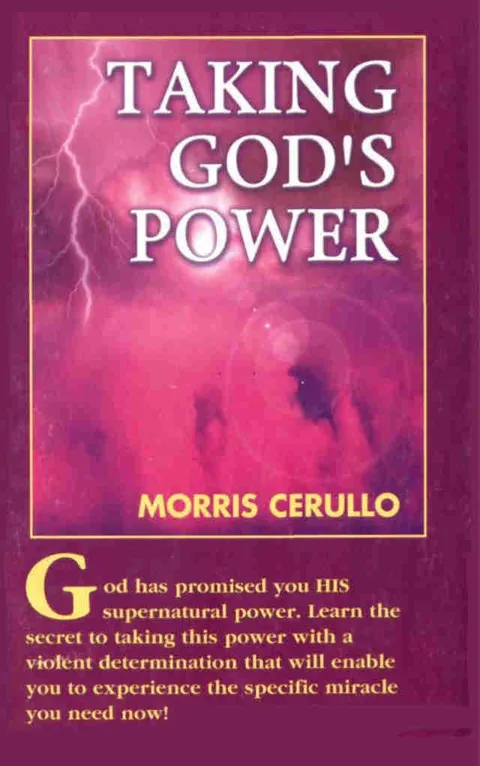
"Taking God's Power" by Morris Cerullo explores the concept of tapping into God's power to overcome obstacles and fulfill one's purpose. The book offers practical steps and guidance on how to access and unleash the supernatural power of God in everyday life. Through personal anecdotes and biblical teachings, Cerullo inspires readers to walk in faith and experience the transformative power of God in their lives.
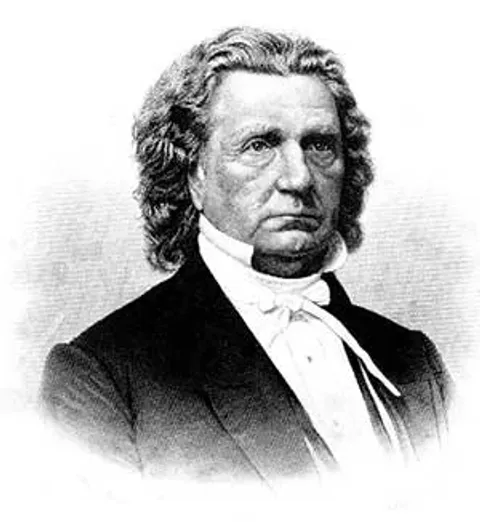
Emerson Andrews
 His Early life
Emerson Andrews was born in Mansfield, Bristol County, Massachusetts in 1806 to godly parents, James and Mercy Andrews. They were from English stock and were strict Puritans in faith and lifestyle. Although young Emerson was raised in the Congregational Church he was far from God in his teens and twenties.
Nevertheless, periodically, he experienced intense conviction, usually through his parents’ counsels and prayers but particularly through two unforgettable sermons delivered by the eccentric revivalist, Lorenzo Dow. Soon after this he was converted under the ministry of another revival preacher, Asahel Nettleton.
He was a very educated man formerly studying at Chesterfield Academy and, at the time of his conversion, at Plainfield Kimball Union Academy, in New Hampshire. In the spring of 1832 whilst studying further at Union College in Schenectady, New York, he was baptised by immersion in the Mohawk River. It was his convictions about the Bible’s teaching on water baptism that caused him to join the Baptist’s instead of the Congregationalists or Presbyterians.
A Lover of Revival
He wrote “Many revivals and protracted meetings of one, two, or more days, and some for weeks and months, have been held, in New England and elsewhere, within, my personal remembrance. These have sent out their hallowed influences, as the light of the world and salt of the earth. Just before and at the time of my second birth, many sweeping and glorious revivals, under the celebrated Dr. Netteton, John Leland, Jedediah Burchard, C. G. Finney, were hailed, enjoyed, and sounded all around and over the country.
As soon as I was converted I cherished the good news of revivals; and I sought a place and portion with live Christians, that I might speak for Christ and win souls to salvation. I asked God for direction and help, and was answered.
His first visit to a Revival
He describes his first visit to a Revival “The first meeting that I attended after my regeneration was held in the town of Windsor, Vt. It was called a “four days’ meeting.” But many such were held in different places about that time. This came off in the summer of l830. I was much delighted, fed, and strengthened by such a sight, experience, exercise, and spiritual supper. It was a precious banquet, adapted to develop and enlarge the young convert’s soul.
The four pastors of the town, with their respective churches and congregations, and some from neighboring towns, met with the Baptist church, of which Elder Leland Howard was the long-honored pastor. Some twenty other pastors also came in from adjacent towns, and a few Lawyers and teachers, who took leading parts in the services. Large congregations were constantly in attendance, and all the various exercises and meetings were interesting and profitable.
Some of the sermons and prayers were most powerful, melting, and effective. Sinners often arose, requesting prayers, or sent up short petitions to be read. A lawyer by the name of Shepherd, from New York, was found to be very able, pointed, and specific in prayer, and so effective and precise in noting each different request more perfectly than the ministers, that he was often invited to lead in prayer — especially when there were some ten or twenty different, or some difficult requests presented.
He seemed to be full of the Spirit, and was especially gifted and successful. Ministers learned something valuable from his wisdom and tact. I confess that his pointedness made a powerful and lasting impression on my mind and practice.
The professors and ministers were much blessed, and many sinners were converted in the meetings. The gospel was preached and the Spirit poured out, prayer and sacrifices made. Novelty and wonder attracted many. Here God crowned the effort.”
Mentored by Jacob Knapp
He writes. ” ROCHESTER, N.Y. 1839. Here I assisted in a powerful meeting, under the preaching of the celebrated Elder Jacob Knapp, for three weeks. Marvellous things were done. The wicked raged, the Spirit worked, grace prevailed, and hundreds were converted — a glorious triumph over rum, gambling, and infidelity. Jesus reigned.” This exposure to revival power whetted his appetite for an evangelistic ministry.
His first revival efforts
“WHITE DEER, PENN. 1839. In this rich farming district I had a revival meeting of five weeks, with a feeble Baptist church. We began at the close of the Association; but, with all the eloquent pastoral preaching in it, the brethren were not aroused, nor sinners much convicted.
Here my first sermon was from the text, “O Lord, revive thy work!” And he did so immediately. Some half a dozen persons were convicted and converted, and the church was revived by the power of God on that evening’s effort. The whole region, then, for seven miles around, was awakened, and some forty converts were immersed by Elder Spratt, D.D.
Here, too, we experienced severe opposition and much persecution from outside professors and sinners, but God strengthened our hands for a triumphant work. This was a blessed era with the church, and it is fragrant still.
“CLINTON, PENN. I had a revival meeting in this township. It was very great and powerful. Satan and sinners raged, at times, terribly, but the cross was triumphant. Many were immersed by the beloved pastor, Elder Spratt, D.D.
Hugh Donelly, the postmaster, rum-selling merchant, and an avowed infidel, who had slandered me and ridiculed the meeting, crept in away back, then into the middle seats; then, after a few nights, fell on his knees groaning and crying for mercy. I soon aided him in coming forward.
Then out came his wife and sister. We all prayed, and soon the three rejoiced in hope, and spoke boldly for Jesus. Brother Donelly has made a noble record in Pennsylvania and Indiana for Jesus and his cause…..
PARMA, N.Y. In this western village, in mid-winter, I preached night and day, for three weeks, to overflowing houses and attentive hearers. Christians renewed their “first love and vows,” and many sinners were converted and baptized.
An infidel, hearing a few sermons, was struck under conviction, and fled away thirty miles for comfort; but, feeling worse and worse, returned like the prodigal, feeling wretched and lost. He came forward, prayer was offered, and he soon yielded and believed, giving glory to God. Then he told his experience, and exhorted his old Universalist and infidel friends to repent and be saved from hell.
Emerson Andrews Preaching
His preaching zeal and effectiveness were quickly recognised and he was soon licensed to preach and for a four year period served brief pastorates in New York State – Waterford, West Troy, Lansingburg and Rome (1834-1838)
In 1838 began an itinerant evangelist for thirty-five years, mainly in America, but also in Europe, Africa, Asia and Canada. His estimates were that 40,000 were converted through his ministry.
His Early life
Emerson Andrews was born in Mansfield, Bristol County, Massachusetts in 1806 to godly parents, James and Mercy Andrews. They were from English stock and were strict Puritans in faith and lifestyle. Although young Emerson was raised in the Congregational Church he was far from God in his teens and twenties.
Nevertheless, periodically, he experienced intense conviction, usually through his parents’ counsels and prayers but particularly through two unforgettable sermons delivered by the eccentric revivalist, Lorenzo Dow. Soon after this he was converted under the ministry of another revival preacher, Asahel Nettleton.
He was a very educated man formerly studying at Chesterfield Academy and, at the time of his conversion, at Plainfield Kimball Union Academy, in New Hampshire. In the spring of 1832 whilst studying further at Union College in Schenectady, New York, he was baptised by immersion in the Mohawk River. It was his convictions about the Bible’s teaching on water baptism that caused him to join the Baptist’s instead of the Congregationalists or Presbyterians.
A Lover of Revival
He wrote “Many revivals and protracted meetings of one, two, or more days, and some for weeks and months, have been held, in New England and elsewhere, within, my personal remembrance. These have sent out their hallowed influences, as the light of the world and salt of the earth. Just before and at the time of my second birth, many sweeping and glorious revivals, under the celebrated Dr. Netteton, John Leland, Jedediah Burchard, C. G. Finney, were hailed, enjoyed, and sounded all around and over the country.
As soon as I was converted I cherished the good news of revivals; and I sought a place and portion with live Christians, that I might speak for Christ and win souls to salvation. I asked God for direction and help, and was answered.
His first visit to a Revival
He describes his first visit to a Revival “The first meeting that I attended after my regeneration was held in the town of Windsor, Vt. It was called a “four days’ meeting.” But many such were held in different places about that time. This came off in the summer of l830. I was much delighted, fed, and strengthened by such a sight, experience, exercise, and spiritual supper. It was a precious banquet, adapted to develop and enlarge the young convert’s soul.
The four pastors of the town, with their respective churches and congregations, and some from neighboring towns, met with the Baptist church, of which Elder Leland Howard was the long-honored pastor. Some twenty other pastors also came in from adjacent towns, and a few Lawyers and teachers, who took leading parts in the services. Large congregations were constantly in attendance, and all the various exercises and meetings were interesting and profitable.
Some of the sermons and prayers were most powerful, melting, and effective. Sinners often arose, requesting prayers, or sent up short petitions to be read. A lawyer by the name of Shepherd, from New York, was found to be very able, pointed, and specific in prayer, and so effective and precise in noting each different request more perfectly than the ministers, that he was often invited to lead in prayer — especially when there were some ten or twenty different, or some difficult requests presented.
He seemed to be full of the Spirit, and was especially gifted and successful. Ministers learned something valuable from his wisdom and tact. I confess that his pointedness made a powerful and lasting impression on my mind and practice.
The professors and ministers were much blessed, and many sinners were converted in the meetings. The gospel was preached and the Spirit poured out, prayer and sacrifices made. Novelty and wonder attracted many. Here God crowned the effort.”
Mentored by Jacob Knapp
He writes. ” ROCHESTER, N.Y. 1839. Here I assisted in a powerful meeting, under the preaching of the celebrated Elder Jacob Knapp, for three weeks. Marvellous things were done. The wicked raged, the Spirit worked, grace prevailed, and hundreds were converted — a glorious triumph over rum, gambling, and infidelity. Jesus reigned.” This exposure to revival power whetted his appetite for an evangelistic ministry.
His first revival efforts
“WHITE DEER, PENN. 1839. In this rich farming district I had a revival meeting of five weeks, with a feeble Baptist church. We began at the close of the Association; but, with all the eloquent pastoral preaching in it, the brethren were not aroused, nor sinners much convicted.
Here my first sermon was from the text, “O Lord, revive thy work!” And he did so immediately. Some half a dozen persons were convicted and converted, and the church was revived by the power of God on that evening’s effort. The whole region, then, for seven miles around, was awakened, and some forty converts were immersed by Elder Spratt, D.D.
Here, too, we experienced severe opposition and much persecution from outside professors and sinners, but God strengthened our hands for a triumphant work. This was a blessed era with the church, and it is fragrant still.
“CLINTON, PENN. I had a revival meeting in this township. It was very great and powerful. Satan and sinners raged, at times, terribly, but the cross was triumphant. Many were immersed by the beloved pastor, Elder Spratt, D.D.
Hugh Donelly, the postmaster, rum-selling merchant, and an avowed infidel, who had slandered me and ridiculed the meeting, crept in away back, then into the middle seats; then, after a few nights, fell on his knees groaning and crying for mercy. I soon aided him in coming forward.
Then out came his wife and sister. We all prayed, and soon the three rejoiced in hope, and spoke boldly for Jesus. Brother Donelly has made a noble record in Pennsylvania and Indiana for Jesus and his cause…..
PARMA, N.Y. In this western village, in mid-winter, I preached night and day, for three weeks, to overflowing houses and attentive hearers. Christians renewed their “first love and vows,” and many sinners were converted and baptized.
An infidel, hearing a few sermons, was struck under conviction, and fled away thirty miles for comfort; but, feeling worse and worse, returned like the prodigal, feeling wretched and lost. He came forward, prayer was offered, and he soon yielded and believed, giving glory to God. Then he told his experience, and exhorted his old Universalist and infidel friends to repent and be saved from hell.
Emerson Andrews Preaching
His preaching zeal and effectiveness were quickly recognised and he was soon licensed to preach and for a four year period served brief pastorates in New York State – Waterford, West Troy, Lansingburg and Rome (1834-1838)
In 1838 began an itinerant evangelist for thirty-five years, mainly in America, but also in Europe, Africa, Asia and Canada. His estimates were that 40,000 were converted through his ministry.
What Is Life’s Ultimate Good
Dear Dan, I agree; any view that has God as the foundation of morality — like the Christian view I described in my last letter — will have further, serious issues to address. In fact, your two objections get at the most central ones. Let me respond to both. What Makes God’s Laws Good? Your first objection has a great pedigree and can be traced all the way back to Plato. Namely, what makes God’s moral laws — his moral values — good? Does he like these laws because they are good? Or are they good because he likes them? Either way seems to spell trouble for Christianity. Take the first option. Are God’s laws good because they meet some separate standard of good, one “outside” of God? If so, God has to defer to — is beholden to — some higher authority. And that’s impossible, according to Christianity. But the alternative seems just as bad. If God’s laws are good because he likes them, it makes morality seem arbitrary, dependent merely on his personal tastes or whims. After all, what if he had preferred things like murder, rape, and torture? Would these therefore be good? Do we really want to define “good” as “what God likes,” similar to the way “coolness” is just whatever the cool kids like? Wouldn’t this rob statements like “God is good” of all significance, reducing them to saying merely that “God is the way he is”? Again, neither choice looks very promising. So, which horn of the dilemma should the Christian choose? Goodness Is Godness I think the second option is the right one: God’s laws are good because he likes them. That is, anything that God likes or values is good by definition. Goodness just is Godness. So then, is the phrase “God is good” nothing but an empty tautology, saying no more than “God is God”? “Anything that God likes or values is good by definition. Goodness just is Godness.” Well, no. In this specific context, where we’re defining “good,” “God is good” tells us something informative — namely, that God’s values are what make things morally good. But in most other contexts, when we say, “God is good” we can generally take for granted which properties or characteristics go on the “good” list. In these ordinary cases, “God is good” expresses something different — for example, “Here’s what God is like: he hates lying, murder, stealing — things we all agree are bad.” But then, if goodness is defined as whatever God likes, doesn’t my view mean that murder and rape would have been good if God had liked them? In a sense, perhaps; at least their advocacy would have been included in his moral laws. But remember that we’re currently defining “good,” and I think some of the rhetorical force of the wouldn’t-rape-therefore-be-good objection comes from ignoring this context. After all, it seems that regardless of what we say ultimately “makes” something good, if that “good-maker” were different, good would be different. And in any case, the traditional Christian view of God holds that he couldn’t have liked these things, that it’s logically impossible for God to be different than he is, just as a square couldn’t fail to have four equal sides. It turns out, therefore, that things aren’t as nearly as bad as the objection initially implied. Why Follow God’s Moral Law? Then there’s your second objection: why should we follow God’s laws? Is it because, if we don’t, he’ll submit us to everlasting punishment? Should we follow God’s laws simply to avoid pain? Does it turn out, after all, that morality is merely a matter of might makes right? Well, I think Christians should acknowledge that avoiding pain and suffering is a good reason to follow God’s moral laws. Moreover, I concede that this would be a genuine problem — if this were the only reason for obeying God. And as I said, even this reason isn’t without its virtues. After all, if we think of God as a parent — which the Bible encourages us to do — it’s a perfectly good reason, morally as well as rationally. As children we often obeyed our parents, in part, to avoid discipline. In fact, this was the reason for discipline in the first place — to help motivate us to obey. But of course, our obedience wasn’t merely motivated by a fear of discipline. We also obeyed our parents because we loved and trusted them. We knew that their requirements were an integral part of their deep love and affection for us, that they gave us these rules to benefit us. Their laws were evidence of our parents’ love. This interweaving of love and law, this close relation between our love for our parents, their love for us, and their moral values (that is, their moral loves) usually resulted in us adopting their morals; their values naturally became our values. We liked these values. And it didn’t stop with moral values; we sometimes adopted our parents’ values about sports teams, movies, and music — again, sometimes simply because we loved them. So, according to my view, we ought to follow God’s laws because, ultimately, we want to — and the main reason we want to is that we love him. In this way, morality is ultimately personal and grounded in what we love. Meaning of Life The personal aspect of value isn’t limited to moral value; it’s a component of all value, including life’s ultimate value. What we might call life’s ultimate meaning or purpose is perhaps the most important topic of all. So, what is our ultimate value, meaning, purpose, or goal in life? Well, suppose you’re right that there’s no God. The meaning of life, then, would be like all value in a godless cosmos: subjective and relative. And because each person has his own values, there would be as many meanings of life as there are persons. In such a world, there would be no objective meaning that life has. But according to Christianity, humans have been made for something, for a purpose. Moreover, this purpose does not depend on us, and so, in this sense, it’s objective, human-independent. And because we were designed for a specific purpose, humans will only truly flourish and thrive by fulfilling this purpose. Fulfilling God’s purpose for us is life’s ultimate meaning. That doesn’t mean that, in a world without God, humans could not find some measure of meaning or value in things like family, work, art, gardening, or whatever. But unless these individual goods are put into the context of the much larger, overall purpose, they will never be as meaningful (to us) as they could be. Only by fulfilling this ultimate purpose is our meaning of life maximized. What Are Humans For? What is this larger context or purpose? What were we made for? We find a hint by noticing that, for many of us, relationships and community are what we most value, where we find our greatest fulfillment. We flourish best in community with people we love. And this fact is entirely in line with the Christian view that our ultimate purpose is to know and love the ultimate Person, God himself. Christianity is of one voice on this. As one famous confession says, our ultimate purpose “is to glorify God and enjoy him forever.” Indeed, God is a loving relationship, as odd as that sounds. The mysterious doctrine of the Trinity says that the Godhead is an intimate community of three (divine) persons. That’s what he is. (This is one reason why monistic religions can’t truly make sense of the view that God is love: Who was God loving before he created persons other than himself? Such a being couldn’t essentially be love; at best, he would need creatures in order to love.) “Our ultimate purpose is to know and love the ultimate Person, God himself.” Notice that the centrality of relationships is also evident when Jesus sums up all of God’s laws in just two: love God and love your neighbor. The moral law — and, not coincidentally, life’s ultimate meaning — is about relationships, both human and divine. God, then, created humans for his own purpose. Our purpose — the meaning of life — is also importantly objective, just as morality is: it is human-independent. Yet it’s obvious that we can and do reject God’s purpose for us. In fact, the gospel message — and the entire Bible — is predicated on such rejection. But God has given us another chance to truly flourish, to find ultimate meaning through the life, death, and resurrection of Jesus Christ. He has made this possible at an immense cost to himself. Dan, I get why you would reject Christianity, viewing it as you do from the outside. I hope you’ll continue to consider all this and at least begin to sense that genuine atheism might be a lot different from your current “kinder, gentler” version. I also hope that in the process you’ll reconsider Christianity’s claims — in particular, Jesus’s offering of himself and the relationship you were made for. Article by Mitch Stokes