
Others like success strategies Features >>







About the Book
"Success Strategies" by David Oyedepo is a practical guide that offers valuable insights and strategies for achieving success in various aspects of life including career, finance, relationships, and spiritual growth. The book emphasizes the importance of faith, hard work, discipline, and positive thinking in achieving one's goals and encourages readers to take action towards their dreams. Oyedepo's teachings are based on biblical principles and personal experiences, making this book a powerful and inspirational resource for those seeking to improve their lives and achieve success.
Maria Woodworth-Etter
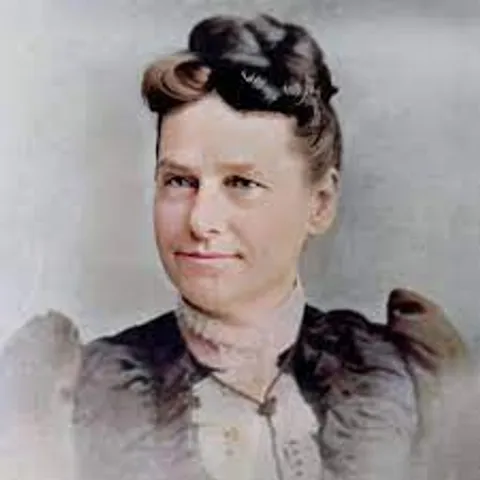 Maria Woodworth-Etter’s Early life
Maria’s early life was plagued with tragedies. Her father died of sunstroke when she was 11 years old leaving her mother with eight children to provide for. She married at 16 but fought a continual battle with ill-health, losing five of her six children. During her sickness she had visions of children in heaven and the lost suffering in hell.
She promised God, that if He would heal her, she would serve Him completely. She asked God for same apostolic power He gave the disciples and was gloriously baptized in the Holy Spirit. “It felt like liquid fire, and there were angels all around.”
The call to preach
Despite her personal struggles with ‘women in ministry’ and the prevailent hostile attitudes to female preachers, she felt compelled by God to accept the invitation to preach in the United Brethren in Christ (Friends) in 1876 and later associated with the Methodist Holiness church.
Evangelism with signs and wonders
Though simply evangelistic in the early days she was unusually successful and in 1885 supernatural signs began to accompany her ministry. Her ministry resurrected dead churches, brought salvation to thousands of unconverted and encouraged believers to seek a deeper walk with God.
She descibes one of her meetings
She described an 1883 meeting in Fairview, Ohio: “I felt impressed God was going to restore love and harmony in the church..… All present came to the altar, made a full consecration, and prayed for a baptism of the Holy Ghost and fire. That night it came. Fifteen same to the altar screaming for mercy.
Men and women fell and lay like dead. I felt it was the work of God, but did not know how to explain it or what to say. I was a little frightened . . . after lying for two hours all, one after another, sprang to their feet as quick as a flash with shining faces and shouted all over the house. I had never seen such bright conversions or such shouting….
The ministers and old saints wept and praised the Lord …..they said it was the Pentecost power, that the Lord was visiting them in great mercy and power …..(they) experienced visions of heaven and hell, collapsed on the floor as if they’d been shot or had died.” Subsequently, thousands were healed of a wide variety of sicknesses and diseases and many believers, even ministers, received mighty baptisms of the Holy Spirit. She soon became a national phenomenon.
1,000 seater tent
In 1889, she purchased a tent that could seat eight thousand people and set it up in Oakland, California. “The power of God was over all the congregation; and around in the city of Oakland. The Holy Ghost would fall on the people while we were preaching. The multitude would be held still, like as though death was in their midst.
Many of the most intelligent and best dressed men would fall back in their seats, with their hands held up to God. being held under the mighty power of God. Men and women fell, all over the tent, like trees in a storm; some would have visions of God. Most all of them came out shouting the praises of God.”
She declared that if 19th-century believers would meet God’s conditions, as the 120 did on the Day of Pentecost, they would have the same results. “A mighty revival would break out that would shake the world, and thousands of souls would be saved. The displays of God’s power on the Day of Pentecost were only a sample of what God designed should follow through the ages. Instead of looking back to Pentecost, let us always be expecting it to come, especially in these days.”
Her views of Pentecostalism
Initially she had grave concerns about the burgeoning Pentecostal movement, mainly because of some unbalanced teaching and reported extremism. Soon she came to believe it was an authentic move of the Holy Spirit and was enthusiastically welcomed within its ranks. She became both a model and a mentor for the fledgling movement. This association elicited another wave of revival between 1912 and her death in 1924 as she ministered throughout the country and her books were read across the world.
Etter Tabenacle
In 1918, she built Etter Tabernacle as her home church base and affiliated with the Assemblies of God. In her closing years she still ministered with a powerful anointing despite struggling with gastritis and dropsy. On occasion she would be carried to the podium, preach with extraordinary power, then be carried home again!
Her demise
Her health continued to decline and she died on September 16, 1924. She is buried in a grave in Indianapolis next to her daughter and son-in-law. Her inscription reads “Thou showest unto thousands lovingkindness.”
In conclusion
Without doubt Maria Woodworth-Etter was an amazing woman blessed with an astonishing ministry. Rev. Stanley Smith – one of the famous “Cambridge Seven” and for many years a worker with “The China Inland Mission” wrote this about her autobiography:
“I cannot let this opportunity go by without again bringing to the notice of my readers, ‘Acts of the Holy Ghost,’ or ‘Life and Experiences of Mrs. M. B. Woodworth-Etter.’ It is a book I value next to the Bible. In special seasons of waiting on God I have found it helpful to have the New Testament on one side of me and Mrs. Etter’s book on the other; this latter is a present-day record of ‘the Acts’ multiplied.
Mrs. Etter is a woman who has had a ministry of healing since 1885, her call as an evangelist being some years previous to this. I venture to think that this ministry is unparalleled in the history of the Church, for which I give all the glory to the Lord Jesus Christ, as Mrs. Etter would, I know, wish me to do. This ministry should be made known, for the glory of the Triune God and the good of believers.”
We agree and pray that such an anointing will rest upon God’s end-time people so that ‘this Gospel of the Kingdom will be preached in all the world before the end comes!’ Matthew 24:14
Tony Cauchi
Maria Woodworth-Etter’s Early life
Maria’s early life was plagued with tragedies. Her father died of sunstroke when she was 11 years old leaving her mother with eight children to provide for. She married at 16 but fought a continual battle with ill-health, losing five of her six children. During her sickness she had visions of children in heaven and the lost suffering in hell.
She promised God, that if He would heal her, she would serve Him completely. She asked God for same apostolic power He gave the disciples and was gloriously baptized in the Holy Spirit. “It felt like liquid fire, and there were angels all around.”
The call to preach
Despite her personal struggles with ‘women in ministry’ and the prevailent hostile attitudes to female preachers, she felt compelled by God to accept the invitation to preach in the United Brethren in Christ (Friends) in 1876 and later associated with the Methodist Holiness church.
Evangelism with signs and wonders
Though simply evangelistic in the early days she was unusually successful and in 1885 supernatural signs began to accompany her ministry. Her ministry resurrected dead churches, brought salvation to thousands of unconverted and encouraged believers to seek a deeper walk with God.
She descibes one of her meetings
She described an 1883 meeting in Fairview, Ohio: “I felt impressed God was going to restore love and harmony in the church..… All present came to the altar, made a full consecration, and prayed for a baptism of the Holy Ghost and fire. That night it came. Fifteen same to the altar screaming for mercy.
Men and women fell and lay like dead. I felt it was the work of God, but did not know how to explain it or what to say. I was a little frightened . . . after lying for two hours all, one after another, sprang to their feet as quick as a flash with shining faces and shouted all over the house. I had never seen such bright conversions or such shouting….
The ministers and old saints wept and praised the Lord …..they said it was the Pentecost power, that the Lord was visiting them in great mercy and power …..(they) experienced visions of heaven and hell, collapsed on the floor as if they’d been shot or had died.” Subsequently, thousands were healed of a wide variety of sicknesses and diseases and many believers, even ministers, received mighty baptisms of the Holy Spirit. She soon became a national phenomenon.
1,000 seater tent
In 1889, she purchased a tent that could seat eight thousand people and set it up in Oakland, California. “The power of God was over all the congregation; and around in the city of Oakland. The Holy Ghost would fall on the people while we were preaching. The multitude would be held still, like as though death was in their midst.
Many of the most intelligent and best dressed men would fall back in their seats, with their hands held up to God. being held under the mighty power of God. Men and women fell, all over the tent, like trees in a storm; some would have visions of God. Most all of them came out shouting the praises of God.”
She declared that if 19th-century believers would meet God’s conditions, as the 120 did on the Day of Pentecost, they would have the same results. “A mighty revival would break out that would shake the world, and thousands of souls would be saved. The displays of God’s power on the Day of Pentecost were only a sample of what God designed should follow through the ages. Instead of looking back to Pentecost, let us always be expecting it to come, especially in these days.”
Her views of Pentecostalism
Initially she had grave concerns about the burgeoning Pentecostal movement, mainly because of some unbalanced teaching and reported extremism. Soon she came to believe it was an authentic move of the Holy Spirit and was enthusiastically welcomed within its ranks. She became both a model and a mentor for the fledgling movement. This association elicited another wave of revival between 1912 and her death in 1924 as she ministered throughout the country and her books were read across the world.
Etter Tabenacle
In 1918, she built Etter Tabernacle as her home church base and affiliated with the Assemblies of God. In her closing years she still ministered with a powerful anointing despite struggling with gastritis and dropsy. On occasion she would be carried to the podium, preach with extraordinary power, then be carried home again!
Her demise
Her health continued to decline and she died on September 16, 1924. She is buried in a grave in Indianapolis next to her daughter and son-in-law. Her inscription reads “Thou showest unto thousands lovingkindness.”
In conclusion
Without doubt Maria Woodworth-Etter was an amazing woman blessed with an astonishing ministry. Rev. Stanley Smith – one of the famous “Cambridge Seven” and for many years a worker with “The China Inland Mission” wrote this about her autobiography:
“I cannot let this opportunity go by without again bringing to the notice of my readers, ‘Acts of the Holy Ghost,’ or ‘Life and Experiences of Mrs. M. B. Woodworth-Etter.’ It is a book I value next to the Bible. In special seasons of waiting on God I have found it helpful to have the New Testament on one side of me and Mrs. Etter’s book on the other; this latter is a present-day record of ‘the Acts’ multiplied.
Mrs. Etter is a woman who has had a ministry of healing since 1885, her call as an evangelist being some years previous to this. I venture to think that this ministry is unparalleled in the history of the Church, for which I give all the glory to the Lord Jesus Christ, as Mrs. Etter would, I know, wish me to do. This ministry should be made known, for the glory of the Triune God and the good of believers.”
We agree and pray that such an anointing will rest upon God’s end-time people so that ‘this Gospel of the Kingdom will be preached in all the world before the end comes!’ Matthew 24:14
Tony Cauchi
finding joy in the dark - the bold prayer of psalm 70
I recently spent three days with a group of pastors, almost all our time devoted to deep sharing of our life stories. We laughed at the silly things we’ve done. We marveled at the lineaments of God’s grace. We wept over sins, wounds, and struggles, both past and present. I drove home pondering the fact that when ten tenderhearted, Jesus-loving, spiritually alive pastors get into a room and are honest with each other, we share stories of theft, pornography, broken families, paralyzing anxiety, suicidal thoughts, marital struggles, and unfulfilled longings. If there’s such brokenness in the histories and hearts of godly shepherds, what must be the inner reality of the sheep in our churches? Surrounded by such brokenness within and without, how can the people of God possibly hope to sustain their joy in God? The odds seem long and the situation bleak. But Psalm 70 gives me strong hope. May All Be Glad I’ve been drawn to Psalm 70:4 for many years, because it brings together two awesome truths that thrill the heart of every Christian Hedonist: May all who seek you rejoice and be glad in you! May those who love your salvation say evermore, “God is great!” Only a capacious heart could breathe such an expansive prayer. Notice that David isn’t content for just a few (or even most) seekers of God to rejoice. No, he longs for all to experience God-centered gladness. And David’s requesting more than just a flickering, intermittent passion for the glory of God among the people of God; rather, he prays for their lips and lives to communicate God’s worth continually , at all times, without interruption. This is a plus-sized prayer. It’s so big that many millions of people can (and have) fit inside it. David was surely praying it for himself. He was also praying it for those of his generation and all future generations. In fact, if we’re seeking God and loving God’s salvation, David’s prayer is for us. David is asking God to sweeten our joy and strengthen our passion for his glory. He doesn’t specify how these two prayers might fit together, but John Piper has helped many of us treasure the biblical teaching that they are in fact one. As we find our deepest joy in God (“in you”), we display his worth to the world. Bold Prayer in Dark Days Though I’ve loved Psalm 70:4 for years, it wasn’t until recently that I noticed the context. And it’s the context that has filled me with hope. Here’s what I’ve noticed: Psalm 70 is not a sunny psalm. It’s not a walk in the park or a day at the beach. Life is not good in this psalm. Instead, it’s hard — very hard. In fact, the psalm is an almost-unremittingly desperate plea for God’s help. Verse 1 (the first verse) and verse 5 (the last verse) are bookends: Make haste, O God, to deliver me! O Lord, make haste to help me! Hasten to me, O God! You are my help and my deliverer; O Lord, do not delay! There’s a focused urgency here. David sounds like a soldier pinned down by enemy fire, radioing desperately to central command. His enemies want David dead, and they gloat over David’s misfortunes (“Aha, Aha!” verse 3). We’ve already seen David’s response to this dark situation. He feels two overwhelming desires, one expected and the other exceptional. First, David wants out of the situation. In four out of five verses, he pleads with God for speedy deliverance. This reaction is perfectly natural and completely understandable. Who wouldn’t want this? Of course, we’d all be asking for the same rescue. Second, however, the intense pressure of David’s circumstances also squeezes from his heart another cry, this one much more unusual. Stunningly, the request in verse 4 is not just for himself, but for others. It’s nothing short of miraculous that David, in his foxhole, under heavy fire, prays not simply for personal escape, but for gladness among all God’s people, and for the continual glorifying of God. What is going on here? Praying in a Sea of Suffering Some of us hear the Bible’s repeated calls to pursue our joy and believe that it’s simply beyond us in our present state. For the moment, our attention is occupied by other matters: sin, sickness, loneliness, financial difficulty, opposition, relational pain. We feel we’re in the 101 class of “Surviving Our Problems” and not quite ready for the 201 class of “Pursuing Our Joy.” Verse 4, we think, is for people who have it all together (or at least more together). “Christian Hedonism is as much for bleak days as it is for bright ones.” And this is why the context of verse 4 is so challenging and so encouraging, because verse 4 exists in a sea of suffering. David doesn’t say, “Once I get free from my enemies, then I’ll start to care about the gladness of God’s people and the glory of God.” His foxhole prayer, in worrying and uncomfortable circumstances, is for gladness and glory. This is a real-world prayer. Christian Hedonism is as much for bleak days as it is for bright ones. If God can work this extraordinary impulse in David’s heart, why can’t he do the same in us? Why can’t he implant a renewed passion for our joy and his glory even in the midst of intense suffering? Could it be that God might even use the desperation of our brokenness to drive us to him? In his poem “The Storm,” George Herbert ponders how, like the violent force of a terrible rainstorm, A throbbing conscience spurred by remorse Hath a strange force: It quits the earth, and mounting more and more, Dares to assault thee, and besiege thy doore. (lines 10–12) Our inner and outer conflicts may produce something good. “They purge the aire without, within the breast” (line 18). This was certainly the case for David in Psalm 70. His desperation yielded a passionate cry to God that continues to encourage followers of God to this day. Seek and Rest You can pray a David-like prayer in your own bleak situation by taking two cues from David himself. “Joy and gladness are the unassailable possession of those who fix their eyes on Jesus in the storms of life.” First, seek God. “May all who seek you rejoice and be glad in you!” Joy and gladness are the unassailable possession of those who fix their eyes on Jesus in the storms of life. Look more deeply and more often at Jesus than you look at your enemies or your troubles. Second, love God’s salvation. “May those who love your salvation say evermore, ‘God is great!’” Consider frequently how God has saved you (and how he’s saving many others). Delight in this salvation. Rest in it. Love it. The more you love your salvation, the more readily your lips will spill over with natural praise of the God who saved you. Please don’t wait to pursue your joy in God until God has healed your brokenness and resolved your problems. Verse 4 isn’t a postscript to Psalm 70; it doesn’t come after David’s crisis. It emerges from the midst of it. This is an example and invitation for us. Don’t wait to pursue your joy. Start right now.