

Others like so good they can't ignore you Features >>
Half Time (Moving From Success To Significance)
7 Strategies For Wealth & Happiness

Eat That Frog

Fail Until You Don't

Excellence: How To Pursue An Excellent Spirit
-160.webp)
Collaborating With The Enemy (How To Work With People You Don’t Agree With Or Like Or Trust)

The Ultimate Gift

Find Your Passion

The Principles And Power Of Vision

Success Habits
About the Book
"So Good They Can't Ignore You" by Cal Newport explores the idea that passion for your work is not necessarily the key to success. Instead, Newport argues that developing rare and valuable skills, cultivating a craftsman mindset, and engaging in deliberate practice are more important for achieving career satisfaction and thriving in the professional world. The book encourages readers to focus on building expertise and creating value in their chosen field, rather than chasing after an elusive passion.
Maria Woodworth-Etter
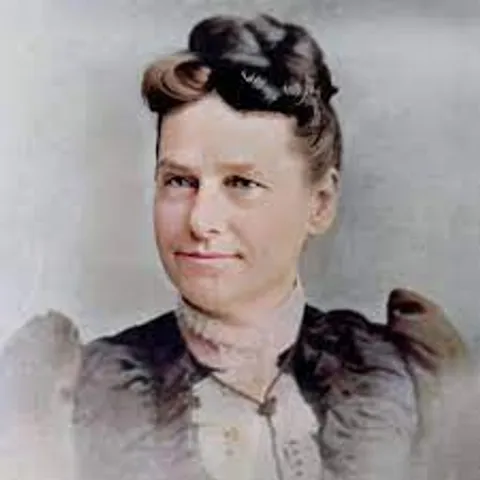 Maria Woodworth-Etter’s Early life
Maria’s early life was plagued with tragedies. Her father died of sunstroke when she was 11 years old leaving her mother with eight children to provide for. She married at 16 but fought a continual battle with ill-health, losing five of her six children. During her sickness she had visions of children in heaven and the lost suffering in hell.
She promised God, that if He would heal her, she would serve Him completely. She asked God for same apostolic power He gave the disciples and was gloriously baptized in the Holy Spirit. “It felt like liquid fire, and there were angels all around.”
The call to preach
Despite her personal struggles with ‘women in ministry’ and the prevailent hostile attitudes to female preachers, she felt compelled by God to accept the invitation to preach in the United Brethren in Christ (Friends) in 1876 and later associated with the Methodist Holiness church.
Evangelism with signs and wonders
Though simply evangelistic in the early days she was unusually successful and in 1885 supernatural signs began to accompany her ministry. Her ministry resurrected dead churches, brought salvation to thousands of unconverted and encouraged believers to seek a deeper walk with God.
She descibes one of her meetings
She described an 1883 meeting in Fairview, Ohio: “I felt impressed God was going to restore love and harmony in the church..… All present came to the altar, made a full consecration, and prayed for a baptism of the Holy Ghost and fire. That night it came. Fifteen same to the altar screaming for mercy.
Men and women fell and lay like dead. I felt it was the work of God, but did not know how to explain it or what to say. I was a little frightened . . . after lying for two hours all, one after another, sprang to their feet as quick as a flash with shining faces and shouted all over the house. I had never seen such bright conversions or such shouting….
The ministers and old saints wept and praised the Lord …..they said it was the Pentecost power, that the Lord was visiting them in great mercy and power …..(they) experienced visions of heaven and hell, collapsed on the floor as if they’d been shot or had died.” Subsequently, thousands were healed of a wide variety of sicknesses and diseases and many believers, even ministers, received mighty baptisms of the Holy Spirit. She soon became a national phenomenon.
1,000 seater tent
In 1889, she purchased a tent that could seat eight thousand people and set it up in Oakland, California. “The power of God was over all the congregation; and around in the city of Oakland. The Holy Ghost would fall on the people while we were preaching. The multitude would be held still, like as though death was in their midst.
Many of the most intelligent and best dressed men would fall back in their seats, with their hands held up to God. being held under the mighty power of God. Men and women fell, all over the tent, like trees in a storm; some would have visions of God. Most all of them came out shouting the praises of God.”
She declared that if 19th-century believers would meet God’s conditions, as the 120 did on the Day of Pentecost, they would have the same results. “A mighty revival would break out that would shake the world, and thousands of souls would be saved. The displays of God’s power on the Day of Pentecost were only a sample of what God designed should follow through the ages. Instead of looking back to Pentecost, let us always be expecting it to come, especially in these days.”
Her views of Pentecostalism
Initially she had grave concerns about the burgeoning Pentecostal movement, mainly because of some unbalanced teaching and reported extremism. Soon she came to believe it was an authentic move of the Holy Spirit and was enthusiastically welcomed within its ranks. She became both a model and a mentor for the fledgling movement. This association elicited another wave of revival between 1912 and her death in 1924 as she ministered throughout the country and her books were read across the world.
Etter Tabenacle
In 1918, she built Etter Tabernacle as her home church base and affiliated with the Assemblies of God. In her closing years she still ministered with a powerful anointing despite struggling with gastritis and dropsy. On occasion she would be carried to the podium, preach with extraordinary power, then be carried home again!
Her demise
Her health continued to decline and she died on September 16, 1924. She is buried in a grave in Indianapolis next to her daughter and son-in-law. Her inscription reads “Thou showest unto thousands lovingkindness.”
In conclusion
Without doubt Maria Woodworth-Etter was an amazing woman blessed with an astonishing ministry. Rev. Stanley Smith – one of the famous “Cambridge Seven” and for many years a worker with “The China Inland Mission” wrote this about her autobiography:
“I cannot let this opportunity go by without again bringing to the notice of my readers, ‘Acts of the Holy Ghost,’ or ‘Life and Experiences of Mrs. M. B. Woodworth-Etter.’ It is a book I value next to the Bible. In special seasons of waiting on God I have found it helpful to have the New Testament on one side of me and Mrs. Etter’s book on the other; this latter is a present-day record of ‘the Acts’ multiplied.
Mrs. Etter is a woman who has had a ministry of healing since 1885, her call as an evangelist being some years previous to this. I venture to think that this ministry is unparalleled in the history of the Church, for which I give all the glory to the Lord Jesus Christ, as Mrs. Etter would, I know, wish me to do. This ministry should be made known, for the glory of the Triune God and the good of believers.”
We agree and pray that such an anointing will rest upon God’s end-time people so that ‘this Gospel of the Kingdom will be preached in all the world before the end comes!’ Matthew 24:14
Tony Cauchi
Maria Woodworth-Etter’s Early life
Maria’s early life was plagued with tragedies. Her father died of sunstroke when she was 11 years old leaving her mother with eight children to provide for. She married at 16 but fought a continual battle with ill-health, losing five of her six children. During her sickness she had visions of children in heaven and the lost suffering in hell.
She promised God, that if He would heal her, she would serve Him completely. She asked God for same apostolic power He gave the disciples and was gloriously baptized in the Holy Spirit. “It felt like liquid fire, and there were angels all around.”
The call to preach
Despite her personal struggles with ‘women in ministry’ and the prevailent hostile attitudes to female preachers, she felt compelled by God to accept the invitation to preach in the United Brethren in Christ (Friends) in 1876 and later associated with the Methodist Holiness church.
Evangelism with signs and wonders
Though simply evangelistic in the early days she was unusually successful and in 1885 supernatural signs began to accompany her ministry. Her ministry resurrected dead churches, brought salvation to thousands of unconverted and encouraged believers to seek a deeper walk with God.
She descibes one of her meetings
She described an 1883 meeting in Fairview, Ohio: “I felt impressed God was going to restore love and harmony in the church..… All present came to the altar, made a full consecration, and prayed for a baptism of the Holy Ghost and fire. That night it came. Fifteen same to the altar screaming for mercy.
Men and women fell and lay like dead. I felt it was the work of God, but did not know how to explain it or what to say. I was a little frightened . . . after lying for two hours all, one after another, sprang to their feet as quick as a flash with shining faces and shouted all over the house. I had never seen such bright conversions or such shouting….
The ministers and old saints wept and praised the Lord …..they said it was the Pentecost power, that the Lord was visiting them in great mercy and power …..(they) experienced visions of heaven and hell, collapsed on the floor as if they’d been shot or had died.” Subsequently, thousands were healed of a wide variety of sicknesses and diseases and many believers, even ministers, received mighty baptisms of the Holy Spirit. She soon became a national phenomenon.
1,000 seater tent
In 1889, she purchased a tent that could seat eight thousand people and set it up in Oakland, California. “The power of God was over all the congregation; and around in the city of Oakland. The Holy Ghost would fall on the people while we were preaching. The multitude would be held still, like as though death was in their midst.
Many of the most intelligent and best dressed men would fall back in their seats, with their hands held up to God. being held under the mighty power of God. Men and women fell, all over the tent, like trees in a storm; some would have visions of God. Most all of them came out shouting the praises of God.”
She declared that if 19th-century believers would meet God’s conditions, as the 120 did on the Day of Pentecost, they would have the same results. “A mighty revival would break out that would shake the world, and thousands of souls would be saved. The displays of God’s power on the Day of Pentecost were only a sample of what God designed should follow through the ages. Instead of looking back to Pentecost, let us always be expecting it to come, especially in these days.”
Her views of Pentecostalism
Initially she had grave concerns about the burgeoning Pentecostal movement, mainly because of some unbalanced teaching and reported extremism. Soon she came to believe it was an authentic move of the Holy Spirit and was enthusiastically welcomed within its ranks. She became both a model and a mentor for the fledgling movement. This association elicited another wave of revival between 1912 and her death in 1924 as she ministered throughout the country and her books were read across the world.
Etter Tabenacle
In 1918, she built Etter Tabernacle as her home church base and affiliated with the Assemblies of God. In her closing years she still ministered with a powerful anointing despite struggling with gastritis and dropsy. On occasion she would be carried to the podium, preach with extraordinary power, then be carried home again!
Her demise
Her health continued to decline and she died on September 16, 1924. She is buried in a grave in Indianapolis next to her daughter and son-in-law. Her inscription reads “Thou showest unto thousands lovingkindness.”
In conclusion
Without doubt Maria Woodworth-Etter was an amazing woman blessed with an astonishing ministry. Rev. Stanley Smith – one of the famous “Cambridge Seven” and for many years a worker with “The China Inland Mission” wrote this about her autobiography:
“I cannot let this opportunity go by without again bringing to the notice of my readers, ‘Acts of the Holy Ghost,’ or ‘Life and Experiences of Mrs. M. B. Woodworth-Etter.’ It is a book I value next to the Bible. In special seasons of waiting on God I have found it helpful to have the New Testament on one side of me and Mrs. Etter’s book on the other; this latter is a present-day record of ‘the Acts’ multiplied.
Mrs. Etter is a woman who has had a ministry of healing since 1885, her call as an evangelist being some years previous to this. I venture to think that this ministry is unparalleled in the history of the Church, for which I give all the glory to the Lord Jesus Christ, as Mrs. Etter would, I know, wish me to do. This ministry should be made known, for the glory of the Triune God and the good of believers.”
We agree and pray that such an anointing will rest upon God’s end-time people so that ‘this Gospel of the Kingdom will be preached in all the world before the end comes!’ Matthew 24:14
Tony Cauchi
Men of Faith Are Men Who Fight
Men professing faith in Christ have been walking away from him since the church began. “Some have made shipwreck of their faith,” the apostle Paul reports in his first letter to Timothy. In fact, the language of leaving is all over 1–2 Timothy: men were wandering away from the faith, departing from the faith, swerving from the faith, being disqualified from the faith (1 Timothy 1:19; 4:1; 5:12; 6:10, 20–21; 2 Timothy 3:8). There seemed to be something of a small exodus already happening in the first century, perhaps not unlike the wave of deconversions we’re seeing online today. We shouldn’t be surprised; Jesus told us it would be so: “As for what fell among the thorns, they are those who hear, but as they go on their way they are choked by the cares and riches and pleasures of life, and their fruit does not mature” (Luke 8:14). Those same thorns are still sharp and threatening to faith in our day. In fact, with the ways we use technology, we’re now breeding thorns in our pockets, drawing them even closer than before. This context gives the charge in 1 Timothy 6:11–12 all the more meaning and power, both for Timothy’s day and for ours: As for you, O man of God, flee these things. Pursue righteousness, godliness, faith, love, steadfastness, gentleness. Fight the good fight of the faith. Take hold of the eternal life to which you were called and about which you made the good confession in the presence of many witnesses. “Men professing faith in Christ have been walking away from him since the church began.” Who are the men who will fight the good fight of faith? Who will stay and battle while others fall away? In the words of 1 Timothy 4:12, which young men will step up and set an example for the believers in faith? Fight of Faith That faith is a fight means believing will not be easy. It won’t always feel natural, organic, or effortless. We could never earn the love of Christ, but following him will often be harder than we expect or want. “If anyone would come after me,” Jesus says in Luke 9:23, “let him deny himself and take up his cross” — and not the light and charming crosses some wear around their necks, but the pain and heartache of following a crucified King in the world that killed him. If we declare our love for Jesus, God tells us, suffering will expose and refine us (1 Peter 4:12), people will despise, slander, and disown us (John 15:18), Satan and his demons will assault us (John 10:10), and our own sin will seek to ruin us from within (1 Peter 2:11). If we refuse to fight, we won’t last. The ships of our souls will inevitably drift, and then crash, take on water, and sink. The verses before 1 Timothy 6:12 give us examples of specific threats we will face in the fight of faith, and each still threatens men today. ENEMY OF PRIDE When Paul describes the men who had walked away from Jesus, specifically those who had been teaching faithfully but had now embraced false teaching, he points first to their pride. These men, he says, were “puffed up with conceit” (1 Timothy 6:4). Instead of being laid low by the grace and mercy of God, they used the gospel to feel better about themselves. Like Adam and Eve in the garden, they seized on the love of God to try to make themselves God. Many of us do not last in faith because we simply cannot submit to any god but ourselves, because we do not see pride — our instinct to put ourselves above others, even God — as an enemy of our souls. ENEMY OF DISTRACTION Pride was not the only enemy these men faced, however. Paul says they also had “an unhealthy craving for controversy and for quarrels about words, which produce envy, dissension, slander, evil suspicions, and constant friction among people” (1 Timothy 6:4–5). It’s almost hard to believe the apostle wasn’t writing about the twenty-first century. Were these distractions really problems thousands of years before Twitter, before the Internet, before even the printing press? Apparently so. And yet the temptation explains so much of our dysfunction today. In our sin, we often nurture an unhealthy craving for controversy. Faithfulness doesn’t sell ads; friction does. As you scroll through your feeds or watch the evening news or even monitor your casual conversation, ask how much of what you’re allowing into your soul falls into 1 Timothy 6:4–5. How much of our attention has been intentionally, even relentlessly, steered into passing controversies and vain debates? How much have we been fed suspicion, envy, and slander as “news,” not realizing how poisonous this kind of diet is to our faith? ENEMY OF MORE Greed is a threat we know exists, and often see in others, but rarely see in ourselves — especially in a greed-driven society like ours in America. The insatiable craving for more, however, can leave us spiritually dull and penniless. Those who desire to be rich fall into temptation, into a snare, into many senseless and harmful desires that plunge people into ruin and destruction. For the love of money is a root of all kinds of evils. It is through this craving that some have wandered away from the faith and pierced themselves with many pangs. (1 Timothy 6:9–10) When you read “those who desire to be rich,” don’t think elaborate mansions in tropical places with pools beside the ocean; think “those who crave more than they need.” In other words, this isn’t a rare temptation, but a pervasive one, especially in wealthier nations. The temptation may be subtle, but the consequences are not. These cravings, the apostle warns, “plunge people into ruin and destruction.” Their life is choked out not by pain or sorrow or fear, but by the pleasures of life (Luke 8:14) — things to buy, shows to watch, meals to eat, places to visit. “The more we see how much threatens our walk with Jesus, the less surprising it is that so many walk away.” Do we still wonder why Paul would call faith a fight? The more we see how much threatens our walk with Jesus, the less surprising it is that so many walk away. What’s more surprising is that some men learn to fight well and then keep fighting while others bow out of the war. How to Win the War If we see our enemies for what they are, how do we wage war against them? In 1 Timothy 6:11–12, Paul gives us four clear charges for the battlefield: Flee. Pursue. Fight. Seize. FLEE First, we flee. Some have been puffed up by pride, others have been distracted by controversy, and still others have fallen in love with this world — “but as for you, O man of God, flee these things” (1 Timothy 6:11). Spiritual warfare is not fight or flight; it is fight and flight. We prepare to battle temptation, but we also do our best to avoid temptation altogether. As far as it depends on us, we “make no provision for the flesh, to gratify its desires” (Romans 13:14). If necessary, we cut off our hand or gouge out our eye (Matthew 5:29–30), meaning we go to extraordinary lengths to flee the sin we know would ruin us. PURSUE Spiritual warfare, however, is not only fight and flight, but also pursuit. “Pursue righteousness, godliness, faith, love, steadfastness, gentleness” (1 Timothy 6:11). We could linger over each of the six qualities Paul exhorts us to pursue here, but for now let’s focus briefly on faith. Are you pursuing faith in Jesus — not just keeping faith, but pursuing faith? Are you making time each day to be alone with God through his word? Are you weaving prayer into the unique rhythms of your life? Are you committed to a local church, and intentionally looking for ways to grow and serve there? Are you asking God to show you other creative ways you might deepen your spiritual strength and joy? FIGHT Third, we fight. “Fight the good fight of the faith” (1 Timothy 6:12). We avoid temptation as much as we can, but we cannot avoid temptation completely. Whatever wise boundaries and tools we put in place, we still carry our remaining sin, which means we bring the war with us wherever we go. And too many of us go to war unarmed. Without the armor of God — the belt of truth, the breastplate of righteousness, the shield of faith, the helmet of salvation, the sword of the Spirit — we will be helpless against the spiritual forces of evil (Ephesians 6:11–12). But having taken our enemies seriously and strapping on our weapons daily, “we wage the good warfare” (1 Timothy 1:18). SEIZE Lastly, men of God learn to seize the new life God has given them. “Take hold of the eternal life to which you were called” (1 Timothy 6:12). This is the opposite of the spiritual passivity and complacency so common among young men — men who want out of hell, but have little interest in God. Those men, however, who see reality and eternity more clearly, know that the greater treasure is in heaven, so they live to have him (Matthew 13:43–44). Their driving desire is to see more of Christ, and to become more like Christ. They may look like fools now, but they will soon be kings. They wake up on another normal Wednesday, and seize the grace that God has laid before them. Some men will lay down their weapons before the war is over, even some you know and love. But make no mistake: this is a war worth fighting to the end. As you watch others flag and fail and leave the church, let their withdrawal renew your vigilance and fuel your advance. Learn to fight the good fight of faith. Article by Marshall Segal