

Others like love and respect Features >>





About the Book
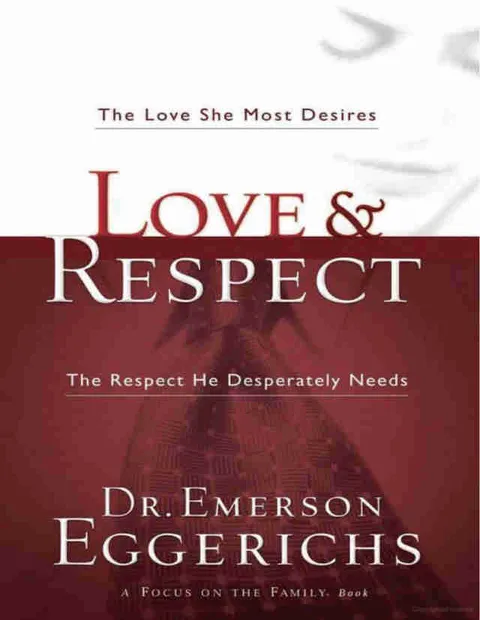
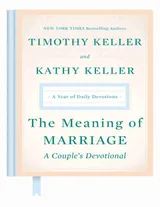
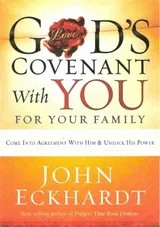
"Love and Respect" by Dr. Emerson is a marriage guide that emphasizes the importance of mutual respect and understanding between spouses. The book highlights the differences in how men and women perceive love and respect, and offers practical advice on how couples can communicate effectively and strengthen their relationship by meeting each other's needs.
Calvin Miller
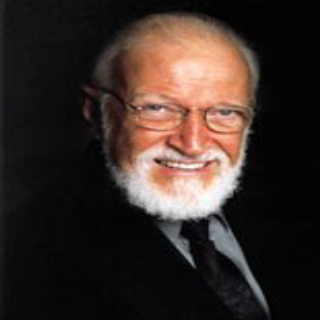 Calvin Miller was a pastor, professor and storyteller, best known for The Singer Trilogy, a mythic retelling of the New Testament story in the spirit of C. S. Lewis and J. R. R. Tolkien. Miller passed away on the afternoon of August 19, 2012, due to complications after heart surgery. He was 75.
A prolific artist and a writer's writer, Miller garnered respect and praise throughout his career from peers like Luci Shaw, Max Lucado and Philip Yancey. He was the author of more than forty books of popular theology and Christian inspiration including such recent books as Letters to Heaven, The Path of Celtic Prayer, Letters to a Young Pastor and his memoir Life Is Mostly Edges.
In addition to his twenty years of pastoral service at Westside Church in Omaha, Nebraska, Miller was also a great mentor to many students and leaders through his preaching and pastoral ministry classes at Beeson Divinity School. Calvin Miller, never one to multiply words, used just four to describe his rule of life: "Time is a gift."
RESCUE FROM THE SLUSH PILE
In October 1973 one important book was rescued from the slush pile (the stack of unsolicited manuscripts every publisher receives) by assistant editor Don Smith. He read a manuscript by a little-known Baptist pastor in Nebraska that was a poetic retelling of the life of Jesus—portraying him as a Troubadour. Both he and Linda Doll excitedly encouraged Jim Sire to take this imaginative manuscript seriously. In February 1974 Sire wrote the author, Calvin Miller, that IVP wanted to publish his book The Singer.
Months before, Miller had been waking up nights, stirred to write this tale, perhaps unconsciously inspired by the recent Broadway hits Jesus Christ Superstar and Godspell. Later Miller wrote:
When the manuscript was done, I sent it to Jim Sire at InterVarsity Press. “It’s good,” he said, “but we want to think about it a couple of weeks before we give you an answer.” So I waited until finally the letter came. They were going to do it. Jim Sire had done his Ph.D. on John Milton, and the fact that he liked it was joy immeasurable to me. “But,” he cautioned, “we’re going to print five thousand of these. They may not do well—in fact we may end up with four thousand of them on skids in our basement for the next ten years. Still, it’s a good book and deserves to be in print.”
Far more than a thousand copies sold. Actually, over three hundred times that amount sold in its first decade. It became “the most successful evangelical publication in this genre.” The Singer was followed in two years by The Song (paralleling the story of the early church in Acts) and two years after that by The Finale (inspired by the book of Revelation). Publication of The Singer changed Miller’s life. Even though he stayed in the pastorate for many years, it set him on a course of writing and speaking that he could not have imagined.
Calvin Miller was a pastor, professor and storyteller, best known for The Singer Trilogy, a mythic retelling of the New Testament story in the spirit of C. S. Lewis and J. R. R. Tolkien. Miller passed away on the afternoon of August 19, 2012, due to complications after heart surgery. He was 75.
A prolific artist and a writer's writer, Miller garnered respect and praise throughout his career from peers like Luci Shaw, Max Lucado and Philip Yancey. He was the author of more than forty books of popular theology and Christian inspiration including such recent books as Letters to Heaven, The Path of Celtic Prayer, Letters to a Young Pastor and his memoir Life Is Mostly Edges.
In addition to his twenty years of pastoral service at Westside Church in Omaha, Nebraska, Miller was also a great mentor to many students and leaders through his preaching and pastoral ministry classes at Beeson Divinity School. Calvin Miller, never one to multiply words, used just four to describe his rule of life: "Time is a gift."
RESCUE FROM THE SLUSH PILE
In October 1973 one important book was rescued from the slush pile (the stack of unsolicited manuscripts every publisher receives) by assistant editor Don Smith. He read a manuscript by a little-known Baptist pastor in Nebraska that was a poetic retelling of the life of Jesus—portraying him as a Troubadour. Both he and Linda Doll excitedly encouraged Jim Sire to take this imaginative manuscript seriously. In February 1974 Sire wrote the author, Calvin Miller, that IVP wanted to publish his book The Singer.
Months before, Miller had been waking up nights, stirred to write this tale, perhaps unconsciously inspired by the recent Broadway hits Jesus Christ Superstar and Godspell. Later Miller wrote:
When the manuscript was done, I sent it to Jim Sire at InterVarsity Press. “It’s good,” he said, “but we want to think about it a couple of weeks before we give you an answer.” So I waited until finally the letter came. They were going to do it. Jim Sire had done his Ph.D. on John Milton, and the fact that he liked it was joy immeasurable to me. “But,” he cautioned, “we’re going to print five thousand of these. They may not do well—in fact we may end up with four thousand of them on skids in our basement for the next ten years. Still, it’s a good book and deserves to be in print.”
Far more than a thousand copies sold. Actually, over three hundred times that amount sold in its first decade. It became “the most successful evangelical publication in this genre.” The Singer was followed in two years by The Song (paralleling the story of the early church in Acts) and two years after that by The Finale (inspired by the book of Revelation). Publication of The Singer changed Miller’s life. Even though he stayed in the pastorate for many years, it set him on a course of writing and speaking that he could not have imagined.
you don’t have to know god’s will
You don’t have to know God’s will if you are confident in God’s word. If that raises objections, trust me, I understand. Like you, I have significant questions that I don’t have answers for. I have personal quandaries, parenting quandaries, ministry quandaries, financial quandaries, etc. Some are massively important and I’m not sure what to do. This can tempt me to fear. I’ve prayed about these things, some for quite a while. Clarity has not yet come. But over the decades I’ve followed him, Jesus has made something very clear to me in the Scriptures, the lives of eminent saints, and my own stumbling experience: Living in the will of God is more about knowing and trusting his specific promises than receiving specific direction (Hebrews 11:8). It’s more about resting in his sovereignty than wrestling with my ambiguity (Psalm 131:1–2). I’ve learned and continue to learn that embracing God’s will for me largely consists in transferring my confidence from my own miniscule capacity to understand what’s going on and why to God’s omniscient and completely wise understanding (Proverbs 3:5–6). Our Felt Need Is Often Not Our Fundamental Need As the result of the fall, we all come into the world wildly and irrationally over-confident in ourselves. When God redeems us in Christ, he enrolls us in a discipleship program uniquely tailored to the purposes he has for each of us. He knows that for us to live according to his will, our fundamental need is a significant loss of self-confidence and a significant gain in God-confidence. But this is usually not our felt need. The need we typically feel is to know specifically what we’re supposed to do, where we’re supposed to go, how our needs will be provided, or why the terrible thing happened. “Living in the will of God is more about resting in his sovereignty than wrestling with your ambiguity.” What we’re seeking for and hope to find in those answers are certainty and security — peace. But due to our manifold limitations on every level, the answers we think we want would rarely provide us the peace we seek. God knows his explanations would not even make sense to us since we lack the capacities to comprehend the complexity of the equation. That’s why Hudson Taylor counsels us to, “make up your mind that God is an infinite Sovereign, and has the right to do as He pleases with His own, and he may not explain to you a thousand things which may puzzle your reason in His dealings with you.” (A Camaraderie of Confidence, 31) Our infinite Sovereign knows that our fundamental need is to learn to trust him over our very finite selves. He knows that trust will provide us what explanations won’t: the peace that surpasses understanding (Philippians 4:7). That’s why when we pray about God’s will for us, God’s answers often aim at addressing this fundamental need: learning to trust him over our understanding (Proverbs 3:5). But because we are focused on our felt needs, we often fail to recognize God’s answers at first. He is addressing a need we have, but don’t feel. So it can seem like God is ignoring our need for the peace we long for. How God Meets Our Need for Peace But God is most certainly not ignoring our need for peace. He has promised that we will experience peace through believing (Romans 15:13). Believing what? Believing his “precious and very great promises” (2 Peter 1:4). This is what I mean when I say that we don’t need to know God’s will if we are confident in God’s word. When God’s direction and purposes for us are unclear, his promises are always crystal clear. God frequently calls us to stand on the rock of his promises and faithfulness in the murky, swirling fog of perplexing circumstances (Hebrews 10:23). Is this not the story of almost every biblical saint? “When God’s direction and purposes for us are unclear, his promises are always crystal clear.” God’s promises are the checks that are accepted at the bank of heaven. They are God’s promissory notes to us, guaranteeing that he will make good on the value they represent. No matter how things appear at any given time, no matter how dark, foreboding, lonely, depressing, even hopeless things look, God always makes good on his promises. And he wants us to cash them. That’s why Charles Spurgeon said, “When I pray, I like to go to God just as I go to a bank clerk when I have [a] cheque to be cashed. I walk in, put the cheque down on the counter, and the clerk gives me my money, I take it up, and go about my business.” (A Camaraderie of Confidence, 54) That almost sounds flippant. It’s not. It’s experience. If there is anything we can legitimately name and claim as Christians, it is a clear promise of God. We cannot claim it on our own terms or timing, but we can in good conscience hold God to it, because it is God’s will to say yes in Christ to every promise he makes to us in the Bible (2 Corinthians 1:20). God’s word is as good as God. Listen to the Cloud of Witnesses: Cash the Checks! If you struggle to believe these things, join the club. It doesn’t come natural to any of us to trust God’s promises over our perceptions. God knows this and knows how to cultivate trust in us. And one way he does this is through the testimonies of others who have put his promises to the test. This “cloud of witnesses” (Hebrews 12:1), those who have known God best, all cry, “Cash the checks! They’re real!” Listen to them speak from the Scripture and church history. “God always makes good on his promises. And he wants us to cash them.” One of my favorites, a man whose example convicts and encourages me every time I turn to him, is George Müller of Bristol. And speaking on behalf of the great cloud he says to us: “Everyone is invited and commanded to trust in the Lord, to trust in Him with all his heart, and to cast his burden upon Him, and to call upon Him in the day of trouble. Will you not do this, my dear brethren in Christ? I long that you may do so. I desire that you may taste the sweetness of that state of heart, in which, while surrounded by difficulties and necessities, you can yet be at peace, because you know that the living God, your Father in heaven, cares for you.” (A Camaraderie of Confidence, 83) God has given you the checks of his promises and you are invited to take them to the bank of heaven. If you want peace, the peace that surpasses understanding and guards your heart and mind during your most embattled, stormy, confusing, and frightening moments, you must cash the checks. For this peace comes only from trust. If you do, you will be able to live at peace in the midst of many quandaries not yet knowing God’s specific will because you are confident in God’s specific word.

-480.webp)