
Others like joshua: god's chosen warrior Features >>
-160.webp)
God's Generals (Charles F. Parham)

Becoming
-160.webp)
50 Women Every Christian Should Know: Learning From Heroines Of The Faith
The Untold Story Of A Young Billy Graham
The Act Of The Apostle
Autobiography Of Madame Guyon

Elisabeth Elliot: Joyful Surrender
Charlie Coulson: The Christian Drummer Boy
God's Generals - The Missionaries

The Keys Of This Blood: The Struggle For World Dominion Between Pope John Paul II, Mikhail Gorbachev And The Capitalist West
About the Book
"Joshua: GOD's Chosen Warrior" tells the story of Joshua, a faithful servant of God who led the Israelites into the Promised Land after the death of Moses. The book highlights Joshua's unwavering faith, courage, and obedience to God's commands as he conquers the lands of Canaan. Through Joshua's leadership, the Israelites experience God's faithfulness and provision, ultimately fulfilling His promise to give them a land flowing with milk and honey.
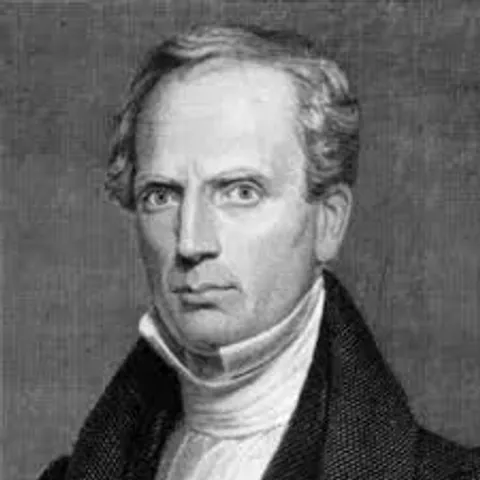
Charles Finney
 Childhood and Teen years
Charles Grandison Finney was born the year after Wesley died on 29th August, 1792 in Warren, Connecticut. In 1794 his family moved to New York state, eventually settling at Henderson, near Lake Ontario. Although he received only a brief formal education he decided to study law and joined the practice of a local lawyer, Benjamin Wright. He was also very musical, played the cello and directed the choir at the local Presbyterian Church pastured by Rev. George Gale.
His conversion
His conversion on October 10th 1821 reads like something out of the book of Acts. Smitten with conviction from Bible reading he decided to ‘settle the question of my soul’s salvation at once, that if it were possible, I would make my peace with God.’ (Autobiography)
This conviction increased to an unbearable level over the next couple of days and came to an head when he was suddenly confronted with an ‘inward voice.’ He was inwardly questioned about his spiritual condition and finally received revelation about the finished work of Christ and his own need to give up his sins and submit to Christ’s righteousness.
As he sought God in a nearby wood he was overwhelmed with an acute sense of his own wickedness and pride but finally submitted his life to Christ. Back at work that afternoon he was filled with a profound sense of tenderness, sweetness and peace. When work was over and he bade his employer goodnight, he then experienced a mighty baptism in the Holy Spirit, which was recorded as vividly as the day he experienced it, though it was penned some fifty years later.
The next morning Finney announced to a customer that he was leaving his law studies to become a preacher of the Gospel.
Charles Finney licensed to preach
He was licensed to preach in 1823 and ordained as an evangelist in 1824. His penetrating preaching was quite different from many local ministers and included an obvious attempt to break away from the traditional and, as he saw it, dead, orthodox Calvinism. He married to Lydia Andrews in October 1824 and was also joined by Daniel Nash (1774-1831), known popularly as ‘Father Nash.’ Undoubtedly Nash’s special ministry of prayer played a great part in Finney’s growing success as an evangelist.
Things really took off when he preached in his old church, where Rev. Gale still ministered. Numerous converts and critics followed! Similar results were experienced in nearby towns of Rome and Utica. Soon newspapers were reporting his campaigns and he began drawing large crowds with dramatic responses.
Soon he was preaching in the largest cities of the north with phenomenal results. Campaign after campaign secured thousands of converts.
The high point of Finney’s revival career was reached at Rochester, New York, during his 1830-1 meetings. Shopkeepers closed their businesses and the whole city seemed to centre on the revivalist. Responding to his irresistible logic and passionate arguments many of his converts were lawyers, merchants and those from a higher income and professional status.
His Preaching
Finney openly preached a modified Calvinism, influenced with his own theology of conversion and used what were perceived to be ‘revivalistic techniques.’
These ‘means’ included the use of the anxious bench (a special place for those under conviction), protracted meetings, women allowed to pray in mixed meetings, publicly naming those present resisting God in meetings and the hurried admission of new converts into church membership. Opponents viewed his preaching of the law as ‘scare tactics’ and his persuasive appeals for sinners to come to Christ for salvation were seen as over-emphasising the responsibility of men and ignoring the sovereignty of God.
His theology and practise soon became known as the ‘New Measures’ and attracted many opponents from the Old School Presbyterians led by Asahel Nettleton (himself no stranger to true revival and , the revivalistic Congregationalists headed by Lyman Beecher.
Pastor at Chatham Street Chapel
Finney accepted an appointment as pastor of Chatham Street Chapel in New York City in 1832 where he remained until 1837. It was during this time that he delivered a series of sermons published in 1835 as ‘Lectures on Revivals of Religion.’ Here he clearly stated his views regarding revivals being products of the correct use of human means. Such was the controversy that he left the Presbyterian denomination and joined the Congregationalists in 1836.
Oberlin College
The next year he became professor of theology at Oberlin College (Ohio) where he taught until his death. He was President here from 1851 until 1866, but still continued regular revival meetings in urban settings (twice in England, 1848, 1851) until 1860. During his stay at Oberlin he produced his, Lectures to Professing Christians (1836), Sermons on Important Subjects (1839) and his famous Memoirs.
The Father of Modern Revivalism
There is no doubt that Charles Grandison Finney well-deserves the title ‘The Father of Modern Revivalism.’ He was an evangelistic pioneer whose model was followed by a long line of revivalists from D. L. Moody to Billy Graham. His writing have made a massive impact on the entire evangelical world and particularly the ‘Lectures on Revivals’ which has, arguably, ignited more fires of revival than any other single piece literature in evangelical history.
This ‘Prince of Revivalists’ passed away peacefully at Oberlin on Sunday, 16th August, 1875 aged almost 83 years.
Bibliography: I Will Pour Out My Spirit, R. E. Davies, 1997; Ed: A. Scott Moreau, Baker Evangelical Dictionary of World Missions, 2000; Dictionary of Evangelical Biography 1730-1860, Vol. 1, 1995.
Tony Cauchi
Childhood and Teen years
Charles Grandison Finney was born the year after Wesley died on 29th August, 1792 in Warren, Connecticut. In 1794 his family moved to New York state, eventually settling at Henderson, near Lake Ontario. Although he received only a brief formal education he decided to study law and joined the practice of a local lawyer, Benjamin Wright. He was also very musical, played the cello and directed the choir at the local Presbyterian Church pastured by Rev. George Gale.
His conversion
His conversion on October 10th 1821 reads like something out of the book of Acts. Smitten with conviction from Bible reading he decided to ‘settle the question of my soul’s salvation at once, that if it were possible, I would make my peace with God.’ (Autobiography)
This conviction increased to an unbearable level over the next couple of days and came to an head when he was suddenly confronted with an ‘inward voice.’ He was inwardly questioned about his spiritual condition and finally received revelation about the finished work of Christ and his own need to give up his sins and submit to Christ’s righteousness.
As he sought God in a nearby wood he was overwhelmed with an acute sense of his own wickedness and pride but finally submitted his life to Christ. Back at work that afternoon he was filled with a profound sense of tenderness, sweetness and peace. When work was over and he bade his employer goodnight, he then experienced a mighty baptism in the Holy Spirit, which was recorded as vividly as the day he experienced it, though it was penned some fifty years later.
The next morning Finney announced to a customer that he was leaving his law studies to become a preacher of the Gospel.
Charles Finney licensed to preach
He was licensed to preach in 1823 and ordained as an evangelist in 1824. His penetrating preaching was quite different from many local ministers and included an obvious attempt to break away from the traditional and, as he saw it, dead, orthodox Calvinism. He married to Lydia Andrews in October 1824 and was also joined by Daniel Nash (1774-1831), known popularly as ‘Father Nash.’ Undoubtedly Nash’s special ministry of prayer played a great part in Finney’s growing success as an evangelist.
Things really took off when he preached in his old church, where Rev. Gale still ministered. Numerous converts and critics followed! Similar results were experienced in nearby towns of Rome and Utica. Soon newspapers were reporting his campaigns and he began drawing large crowds with dramatic responses.
Soon he was preaching in the largest cities of the north with phenomenal results. Campaign after campaign secured thousands of converts.
The high point of Finney’s revival career was reached at Rochester, New York, during his 1830-1 meetings. Shopkeepers closed their businesses and the whole city seemed to centre on the revivalist. Responding to his irresistible logic and passionate arguments many of his converts were lawyers, merchants and those from a higher income and professional status.
His Preaching
Finney openly preached a modified Calvinism, influenced with his own theology of conversion and used what were perceived to be ‘revivalistic techniques.’
These ‘means’ included the use of the anxious bench (a special place for those under conviction), protracted meetings, women allowed to pray in mixed meetings, publicly naming those present resisting God in meetings and the hurried admission of new converts into church membership. Opponents viewed his preaching of the law as ‘scare tactics’ and his persuasive appeals for sinners to come to Christ for salvation were seen as over-emphasising the responsibility of men and ignoring the sovereignty of God.
His theology and practise soon became known as the ‘New Measures’ and attracted many opponents from the Old School Presbyterians led by Asahel Nettleton (himself no stranger to true revival and , the revivalistic Congregationalists headed by Lyman Beecher.
Pastor at Chatham Street Chapel
Finney accepted an appointment as pastor of Chatham Street Chapel in New York City in 1832 where he remained until 1837. It was during this time that he delivered a series of sermons published in 1835 as ‘Lectures on Revivals of Religion.’ Here he clearly stated his views regarding revivals being products of the correct use of human means. Such was the controversy that he left the Presbyterian denomination and joined the Congregationalists in 1836.
Oberlin College
The next year he became professor of theology at Oberlin College (Ohio) where he taught until his death. He was President here from 1851 until 1866, but still continued regular revival meetings in urban settings (twice in England, 1848, 1851) until 1860. During his stay at Oberlin he produced his, Lectures to Professing Christians (1836), Sermons on Important Subjects (1839) and his famous Memoirs.
The Father of Modern Revivalism
There is no doubt that Charles Grandison Finney well-deserves the title ‘The Father of Modern Revivalism.’ He was an evangelistic pioneer whose model was followed by a long line of revivalists from D. L. Moody to Billy Graham. His writing have made a massive impact on the entire evangelical world and particularly the ‘Lectures on Revivals’ which has, arguably, ignited more fires of revival than any other single piece literature in evangelical history.
This ‘Prince of Revivalists’ passed away peacefully at Oberlin on Sunday, 16th August, 1875 aged almost 83 years.
Bibliography: I Will Pour Out My Spirit, R. E. Davies, 1997; Ed: A. Scott Moreau, Baker Evangelical Dictionary of World Missions, 2000; Dictionary of Evangelical Biography 1730-1860, Vol. 1, 1995.
Tony Cauchi
the sluggard in me - four lies that lead to lazy
Come, follow closely, and gaze for a moment upon a rare creature in his native habitat. There he is, drooling upon his pillow an hour before lunchtime, creaking over the bedsprings like a door on its hinges. “How long will you lie there? When will you arise from your sleep?” his mother shouts from the kitchen. Quiet, now: she has roused him. Here he comes, stumbling into his chair, and begins to feed. “What’s wrong with a little sleep, a little slumber?” he mumbles between mouthfuls. A dozen handfuls later, however, he stops, his hand submerged in his cereal like a sunk boat. He breathes heavily, chin against his chest, and begins to snore again. Meet the sluggard (Proverbs 26:14; 6:9–10; 19:24). He is a figure of “tragi-comedy,” Derek Kidner writes ( Proverbs , 39): comedy, because the sluggard’s laziness makes him ludicrous; tragedy, because only sin could so debase a man. The image of God was never meant to yawn through life. Yet those who are paying attention will also see something more in this tragi-comic sloth: themselves. We all have an inner sluggard, counseling us to sleep when we should rise, rest when we should work, eat when we should move. “The wise man,” Kidner goes on to write, knows that the sluggard is no freak, but, as often as not, an ordinary man who has made too many excuses, too many refusals, and too many postponements. It has all been as imperceptible, and as pleasant, as falling asleep. (40) We don’t need to look far, then, to see the sluggard in his native habitat. We only need to hear his “excuses,” “refusals,” and “postponements,” and then listen for their inner echo. ‘I need just a little more.’ A little sleep, a little slumber, a little folding of the hands to rest. (Proverbs 6:10; 24:33) The words sit in the mouth of the sluggard more than once in Proverbs. They are, perhaps, his motto, his favorite response to the wisdom of the diligent. “Early to rest, early to rise . . .” they tell him; “A little sleep, a little slumber . . .” he answers. “An ordinary man becomes a sluggard one small surrender at a time.” Sluggishness often hides beneath that eminently reasonable phrase “just a little more.” What harm could a little do? What’s one more snooze cycle? What’s one more show? What’s one more refreshing of the timeline? Not much, in itself: but much indeed when piled atop ten thousand other littles and one mores . They may seem like “small surrenders” (to use a phrase from Bruce Waltke, Proverbs , 131) — and they are. But an ordinary man becomes a sluggard one small surrender at a time. How do the wise respond? They know that diligent Christians are not a special species of saint. Like the sluggard, the diligent daily face unpleasant tasks. Unlike the sluggard, the diligent speak a different motto: “A little labor, a little energy, a little moving of the hands to work.” Instead of building a stack of small surrenders, they build a stack of small successes — taking little step by little step in the strength that God supplies. Over time, how we handle little is no little matter. Little drudgeries, little tasks, little opportunities: these are the moments when the sluggard gains ground in our souls, or loses it. ‘There’s always tomorrow.’ The sluggard does not plow in the autumn; he will seek at harvest and have nothing. (Proverbs 20:4) Often enough, “just a little more” achieves the sluggard’s purpose. But if, for some reason, his conscience should protest, he has another word at his disposal that rarely fails: tomorrow . Autumn was the season for plowing and planting in ancient Israel, and summer the season for harvest. We don’t know exactly why the sluggard took it easy while his neighbors plowed their fields. Maybe the difficulty of the task daunted him, or maybe, as the King James Version suggests, the season’s chill deterred him: “The sluggard will not plow by reason of the cold .” Either way, he no doubt fell asleep on many autumn nights warmed by the thought, “There’s always tomorrow” — until one day he woke up in winter. When the sluggard finally arrived at his chosen tomorrow , the time for plowing and planting had escaped his grasp. How often have we too discovered that tomorrow is too late? The conversation we should have initiated yesterday proves more awkward today. The essay we should have begun last week overwhelms us this week. The forgiveness we should have sought last month feels harder to seek this month. Autumn has passed, winter has come, and opportunity has slipped through our fingers. The wise learn to take the farmer’s view of life: when the time comes to plow, a farmer pays more attention to the season than to his feelings. And when the time comes to tackle our own difficult tasks, the wise do the same. ‘I would be putting myself at risk.’ There is a lion outside! I shall be killed in the streets! (Proverbs 22:13; see also 26:13) Indulging a bad excuse is a little like feeding a pigeon: give bread to one, and twenty more will soon coo at your feet. Bad excuses breed bad excuses — and even worse excuses over time. And so, when a friend, family member, or boss refuses to entertain the sluggard’s littles and tomorrows , he takes more radical measures: “Haven’t you seen the lion roaming the streets? I’ll die!” Did any sluggard ever attempt such an excuse? Maybe. “Laziness is a great lion-maker,” says Charles Spurgeon. “He who does little dreams much. His imagination could create not only a lion but a whole menagerie of wild beasts” (“One Lion: Two Lions: No Lion at All”). For our own purposes, however, we can consider a tamer version of the sluggard’s beast: “I would be putting myself at risk.” To our inner sluggard, a scratch in the throat is cause for a sick day, a little tiredness is reason to nap instead of mow, and a long day at work is justification for skipping small group. After all, our bodies and minds need the rest, don’t they? Care is required here, of course. Some people really do work their bodies into the dust, forsaking the rest God gives and “eating the bread of anxious toil” (Psalm 127:2). The sluggard, however, is prone to label as “anxious toil” any work that meets with inner resistance. He forgets that overcoming such resistance is part of what makes diligence diligence . God made our bodies to bend and strain, our minds to crank and labor, our souls to strive and press. The lion called “Lazy” will counsel us to avoid the strain, but diligence will slay the lion. ‘What do you know about the pressures I’m under?’ The sluggard is wiser in his own eyes than seven men who can answer sensibly. (Proverbs 26:16) Confront a sluggard in his sluggishness, and you may find that he has a penchant for euphemisms. “He has no idea that he is lazy,” writes Kidner on Proverbs 26:13–16. He is not a shirker but a “realist” (13); not self-indulgent but “below his best in the morning” (14); his inertia is “an objection to being hustled” (15); his mental indolence a fine “sticking to his guns” (16). ( Proverbs , 156) Our own sluggishness, then, often appears in our defenses against the charge. Once, as a single man, I told a mentor, “I need more time to myself.” “You don’t need it,” he responded. Immediately, I raised the drawbridge, manned the ramparts, and launched inward mortars against the attack. What could he, a husband and father of three, possibly know about the pressures I was under? The self-defense is laughable now, but back then, wise in my own eyes, I couldn’t accept that much of what I called “alone time” was better labeled “sluggishness.” The sluggard sees his own work as the hardest work, his own excuses as the best excuses, his own diversions as the most reasonable diversions — no matter what his friends, wife, or pastor may say. But the wise learn to develop a self-distrustful posture. Rather than responding to requests or challenges with an inward Don’t you see my burdens? they remember their proneness to folly, and learn to call the sluggard by his real name. The Christian and the Sluggard Between the Christian and the sluggard, Spurgeon says, “there should be as wide a division as between the poles.” He’s right. “Christian” and “sluggard” go together like “husband” and “playboy,” like “judge” and “thief”: the latter destroys the integrity of the former. “In Christ we find our pattern for work. In Christ we find our power for work. And in Christ the sluggard dies.” And why? Because Christians belong to Jesus Christ, and Jesus Christ was not sluggish. He was no workaholic, of course: he could feast, rest, sleep, and develop deep relationships. But oh did he work. In the Gospels we find not the sluggishness but “the steadfastness of Christ” (2 Thessalonians 3:5): the diligence of one who never entertained “just a little more” or “tomorrow,” but worked while it was day (John 9:4). He plowed in the autumn cold of life, forsaking every excuse not to save us. And he never cried “lion!” though he walked into the den (Psalm 22:21). Therefore, the apostle Paul can say to the sluggish, “Such persons we command and encourage in the Lord Jesus Christ to do their work” (2 Thessalonians 3:12). In Christ we find our pattern for work. In Christ we find our power for work. And in Christ the sluggard dies.