
The Keys Of This Blood: The Struggle For World Dominion Between Pope John Paul II, Mikhail Gorbachev And The Capitalist West Order Printed Copy
- Author: Malachi Martin
- Size: 2.48MB | 790 pages
- |
Others like the keys of this blood: the struggle for world dominion between pope john paul ii, mikhail gorbachev and the capitalist west Features >>
The Act Of The Apostle

Hearts Of Fire - Eight Women In The Underground Church And Their Stories Of Costly Faith
Church History: The First Century
The Heroic Boldness Of Martin Luther
The True History Of The Early Christian Church

The Life Of Bunyan, The Pilgrim's Progress And Christiana
-160.webp)
The Myth Of The Twelve Tribes Of Israel (New Identities Across Time And Space)
-160.webp)
By Their Blood (Christian Martyrs From The Twentieth Century And Beyond)
-160.webp)
Faith Like Potatoes: The Story Of A Farmer Who Risked Everything For God

A History Of The Ancient Near-East
About the Book
"The Keys of This Blood" is a detailed examination of the power struggle for world domination between Pope John Paul II, Mikhail Gorbachev, and the capitalist West during the late 20th century. Malachi Martin explores the political and religious dynamics at play, shedding light on the intricate relationships between these influential figures and their respective spheres of influence. The book delves into the complexities of geopolitics, religion, and global power struggles, offering a compelling analysis of one of the most significant conflicts of the modern era.
Smith Wigglesworth
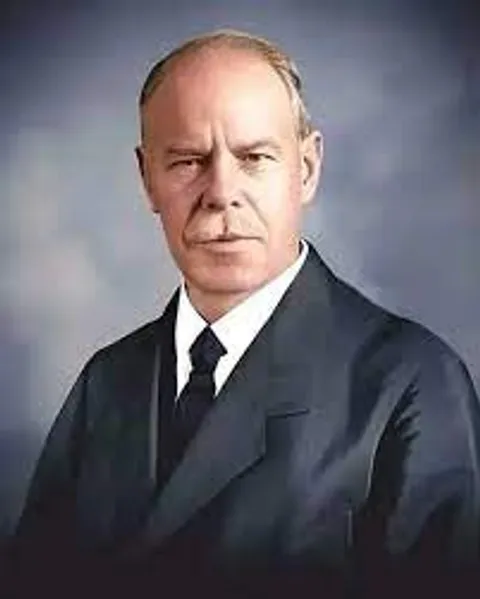 Smith Wigglesworth was born in 1859 to a very poor family. His father did manual labor, for very little pay. Smith himself went to work at the age of six to help with the family income. At six he was pulling turnips and at seven he was working in a woolen mill twelve hours a day. His parents did not know God, but Smith hungered in his heart to know Him. Even as a youngster he would pray in the fields. His grandmother was the critical Christian in his life. She was a Wesleyan Methodist and would take Smith to meetings with her. At one of these meetings there was a song being sung about Jesus as the lamb and Smith came into the realization of God's love for him and his decision to believe Christ for his salvation was decided that day. He was immediately filled with the desire to evangelize and led his own mother to Christ.
Smith has various church experiences as he was growing up. He first went to an Episcopal church and then at thirteen a Wesleyan Methodist church. When he was sixteen he became involved in the Salvation Army. He felt deeply called to fast and pray for lost souls. He saw many people come to Christ. At seventeen a mentor shared with him about water baptism and he decided to be baptized. The Salvation Army was experiencing a tremendous level of the power of God in those days. He describes meetings where "many would be prostrated under the power of the Spirit, sometimes for as long as twenty-four hours at a time." They would pray and fast and cry out for the salvation of fifty or a hundred people for the week and they would see what they had prayed for.
At eighteen Smith left the factory and became a plumber. He moved to Liverpool when he was twenty and continued to work during the day and minister during his free time. He felt called to minister to young people and brought them to meetings. These were destitute and ragged children, whom he would often feed and care for. Hundreds were saved. Smith was often asked to speak in Salvation meetings and he would break down and weep under the power of God. Many would come to repentance in those meetings through this untrained man. At twenty-three he returned back Bradford and continued his work with the Salvation Army.
In Bradford Smith met Mary Jane Featherstone, known as Polly, the daughter of a temperance lecturer. She left home and went to Bradford to take a servants job. One night she was drawn to a Salvation Army meeting. She listened to the woman evangelist, Gipsy Tillie Smith, and gave her heart to Christ. Smith was in that meeting and saw her heart for God. Polly became an enthusiastic Salvationsist and was granted a commission by General Booth. They developed a friendship, but Polly went to Scotland to help with a new Salvationist work. She eventually moved back to Bradford and married Smith, who was very much in love with her.
The couple worked together to evangelize the lost. They opened a small church in a poor part of town. Polly would preach and Smith would make the altar calls. For a season, however, Smith became so busy with his plumbing work that his evangelistic fervor began to wane. Polly continued on, bringing Smith to conviction. One day while Smith was working in the town of Leeds he heard of a divine healing meeting. He shared with Polly about it. She needed healing and so they went to a meeting, and Polly was healed.
Smith struggled with the reality of healing, while being ill himself. He decided to give up the medicine that he was taking and trust God. He was healed. They had five children, a girl and four boys. One morning two of the boys were sick. The power of God came and they prayed for the boys and they were instantly healed. Smith struggled with the idea that God would use him to heal the sick in general. He would gather up a group of people and drive them to get prayer in Leeds. The leaders of the meeting were going to a convention and left Smith in charge. He was horrified. How could he lead a meeting about divine healing? He tried to pass it off to someone else but could not. Finally he led the meeting and several people were healed. That was it. From then on Smith began to pray for people for healing.
Smith had another leap to make. He had heard about the Pentecostals who were being baptized in the Holy Spirit. He went to meetings and was so hungry for God he created a disturbance and church members asked him to stop. He went to prayer and prayed for four days. Finally he was getting ready to head home and the vicar's wife prayed for him and he fell under the power of God and spoke in tongues. Everything changed after that. He would walk by people and they would come under the conviction of the Holy Spirit and be saved. He began to see miracles and healings and the glory of God would fall when he prayed and preached.
Smith had to respond to the many calls that came in and gave up his business for the ministry. Polly unexpectedly died in 1913, and this was a real blow to Smith. He prayed for her and commanded that death release her. She did arise but said "Smith - the Lord wants me." His heartbroken response was "If the Lord wants you, I will not hold you". She had been his light and joy for all the years of their marriage, and he grieved deeply over the loss. After his wife was buried he went to her grave, feeling like he wanted to die. When God told him to get up and go Smith told him only if you "give to me a double portion of the Spirit – my wife’s and my own – I would go and preach the Gospel. God was gracious to me and answered my request.” His daughter Alice and son-in-law James Salter began to travel with him to handle his affairs.
Smith would pray and the blind would see, and the deaf were healed, people came out of wheelchairs, and cancers were destroyed. One remarkable story is when He prayed for a woman in a hospital. While he and a friend were praying she died. He took her out of the bed stood her against the wall and said "in the name of Jesus I rebuke this death". Her whole body began to tremble. The he said "in the name of Jesus walk", and she walked. Everywhere he would go he would teach and then show the power of God. He began to receive requests from all over the world. He taught in Europe, Asia, New Zealand and many other areas. When the crowds became very large he began a "wholesale healing". He would have everyone who needed healing lay hands on themselves and then he would pray. Hundreds would be healed at one time.
Over Smith's ministry it was confirmed that 14 people were raised from the dead. Thousands were saved and healed and he impacted whole continents for Christ. Smith died on March 12, 1947 at the funeral of his dear friend Wilf Richardson. His ministry was based on four principles " First, read the Word of God. Second, consume the Word of God until it consumes you. Third believe the Word of God. Fourth, act on the Word."
Smith Wigglesworth was born in 1859 to a very poor family. His father did manual labor, for very little pay. Smith himself went to work at the age of six to help with the family income. At six he was pulling turnips and at seven he was working in a woolen mill twelve hours a day. His parents did not know God, but Smith hungered in his heart to know Him. Even as a youngster he would pray in the fields. His grandmother was the critical Christian in his life. She was a Wesleyan Methodist and would take Smith to meetings with her. At one of these meetings there was a song being sung about Jesus as the lamb and Smith came into the realization of God's love for him and his decision to believe Christ for his salvation was decided that day. He was immediately filled with the desire to evangelize and led his own mother to Christ.
Smith has various church experiences as he was growing up. He first went to an Episcopal church and then at thirteen a Wesleyan Methodist church. When he was sixteen he became involved in the Salvation Army. He felt deeply called to fast and pray for lost souls. He saw many people come to Christ. At seventeen a mentor shared with him about water baptism and he decided to be baptized. The Salvation Army was experiencing a tremendous level of the power of God in those days. He describes meetings where "many would be prostrated under the power of the Spirit, sometimes for as long as twenty-four hours at a time." They would pray and fast and cry out for the salvation of fifty or a hundred people for the week and they would see what they had prayed for.
At eighteen Smith left the factory and became a plumber. He moved to Liverpool when he was twenty and continued to work during the day and minister during his free time. He felt called to minister to young people and brought them to meetings. These were destitute and ragged children, whom he would often feed and care for. Hundreds were saved. Smith was often asked to speak in Salvation meetings and he would break down and weep under the power of God. Many would come to repentance in those meetings through this untrained man. At twenty-three he returned back Bradford and continued his work with the Salvation Army.
In Bradford Smith met Mary Jane Featherstone, known as Polly, the daughter of a temperance lecturer. She left home and went to Bradford to take a servants job. One night she was drawn to a Salvation Army meeting. She listened to the woman evangelist, Gipsy Tillie Smith, and gave her heart to Christ. Smith was in that meeting and saw her heart for God. Polly became an enthusiastic Salvationsist and was granted a commission by General Booth. They developed a friendship, but Polly went to Scotland to help with a new Salvationist work. She eventually moved back to Bradford and married Smith, who was very much in love with her.
The couple worked together to evangelize the lost. They opened a small church in a poor part of town. Polly would preach and Smith would make the altar calls. For a season, however, Smith became so busy with his plumbing work that his evangelistic fervor began to wane. Polly continued on, bringing Smith to conviction. One day while Smith was working in the town of Leeds he heard of a divine healing meeting. He shared with Polly about it. She needed healing and so they went to a meeting, and Polly was healed.
Smith struggled with the reality of healing, while being ill himself. He decided to give up the medicine that he was taking and trust God. He was healed. They had five children, a girl and four boys. One morning two of the boys were sick. The power of God came and they prayed for the boys and they were instantly healed. Smith struggled with the idea that God would use him to heal the sick in general. He would gather up a group of people and drive them to get prayer in Leeds. The leaders of the meeting were going to a convention and left Smith in charge. He was horrified. How could he lead a meeting about divine healing? He tried to pass it off to someone else but could not. Finally he led the meeting and several people were healed. That was it. From then on Smith began to pray for people for healing.
Smith had another leap to make. He had heard about the Pentecostals who were being baptized in the Holy Spirit. He went to meetings and was so hungry for God he created a disturbance and church members asked him to stop. He went to prayer and prayed for four days. Finally he was getting ready to head home and the vicar's wife prayed for him and he fell under the power of God and spoke in tongues. Everything changed after that. He would walk by people and they would come under the conviction of the Holy Spirit and be saved. He began to see miracles and healings and the glory of God would fall when he prayed and preached.
Smith had to respond to the many calls that came in and gave up his business for the ministry. Polly unexpectedly died in 1913, and this was a real blow to Smith. He prayed for her and commanded that death release her. She did arise but said "Smith - the Lord wants me." His heartbroken response was "If the Lord wants you, I will not hold you". She had been his light and joy for all the years of their marriage, and he grieved deeply over the loss. After his wife was buried he went to her grave, feeling like he wanted to die. When God told him to get up and go Smith told him only if you "give to me a double portion of the Spirit – my wife’s and my own – I would go and preach the Gospel. God was gracious to me and answered my request.” His daughter Alice and son-in-law James Salter began to travel with him to handle his affairs.
Smith would pray and the blind would see, and the deaf were healed, people came out of wheelchairs, and cancers were destroyed. One remarkable story is when He prayed for a woman in a hospital. While he and a friend were praying she died. He took her out of the bed stood her against the wall and said "in the name of Jesus I rebuke this death". Her whole body began to tremble. The he said "in the name of Jesus walk", and she walked. Everywhere he would go he would teach and then show the power of God. He began to receive requests from all over the world. He taught in Europe, Asia, New Zealand and many other areas. When the crowds became very large he began a "wholesale healing". He would have everyone who needed healing lay hands on themselves and then he would pray. Hundreds would be healed at one time.
Over Smith's ministry it was confirmed that 14 people were raised from the dead. Thousands were saved and healed and he impacted whole continents for Christ. Smith died on March 12, 1947 at the funeral of his dear friend Wilf Richardson. His ministry was based on four principles " First, read the Word of God. Second, consume the Word of God until it consumes you. Third believe the Word of God. Fourth, act on the Word."
five ways to build stronger relationships
“That used to be nice.” That was the first response when I recently asked a group of men what comes to mind when they think about friendship. Once they entered their upper twenties and thirties, many of them no longer had close friendships. We mostly laughed when joking about Jesus’s “miracle” of having twelve close friends in his thirties. Many factors combine to make friendship difficult for men. Personally, time for friends seems unrealistic in light of work or family responsibilities. Culturally, we don’t have a shared understanding of what friendships among men should look like. We also find ourselves connecting more digitally than deeply. We’ve lost a vision for strong, warm, face-to-face and side-by-side male friendship. But God made us for more. He made us in his own image, the image of a triune God who exists in communal love. Therefore, friendship is not a luxury; it’s a relational necessity. We glorify God by enjoying him and reflecting his relational love with one another. If you are a man who has struggled to go deeper with other men, here are five concrete steps to cultivate deeper friendships. 1. Establish rhythms for your relationships. Without rhythms in our lives, the important priorities don’t get done. If we value communing with God through his word and prayer, we form a habit. If we want to exercise consistently, we create a pattern. Here’s a proposal for cultivating friendship: Build it into your schedule. Establish a regular rhythm for coffee together. Devote a meal each week — say, Monday breakfasts or Wednesday dinners — to share with others. Plan to meet up to take walks together. Reserve an extended weekend each year to get away and enjoy God’s creation together. 2. Drop each conversation one notch deeper. Conversations about sports and daily activities are worthwhile. But if that’s all we talk about, it’s like snorkeling on the surface while missing the deeper wonders of the ocean. But how do we take our conversations deeper? First, ask thoughtful questions. When you’re driving to meet your friend, think about what you want to learn about him. Think about the main aspects of his life right now — his relationship with the Lord, his family, his work — and ask him about how things are going. When he shares about a challenge, ask how his internal life (his heart, his disposition toward God) is doing in the midst of this. From there, stay curious and ask more questions. Second, talk about what you’re each reading. Ask how God’s word has convicted or encouraged him recently. Ask what book he’s recently read that helped him know God or live more faithfully as a disciple. Consider reading through Scripture or a Scripture-saturated book together and meeting to talk about it. 3. Overcome our cultural aversion to expressing affection. “Love one another with brotherly affection” (Romans 12:10). We don’t usually put those last two words next to one another — brotherly feels masculine; affection feels feminine. But there they are together, inviting us to cultivate genuine, non-weird, affectionate brotherhood. We see this affectionate bond with Jonathan and David: “The soul of Jonathan was knit to the soul of David, and Jonathan loved him as his own soul” (1 Samuel 18:1). We see it with Paul and the Ephesian elders: “And there was much weeping on the part of all; they embraced Paul and kissed him” (Acts 20:37). Expressing affection feels uncomfortable to men today because our culture has slowly shifted its understanding of masculinity. Rather than combining strength and tenderness, we view manhood as muscular and aggressive. Our culture has also sexualized love, interpreting affection between men as something other than friendship. But we can build a better way. 4. Oxygenate your friendships with affirmation. What happens without oxygen? We become sluggish and lethargic. This is what relationships feel like without affirmation. This may be why some of your relationships feel withered, thin, or tired. Affirmation is relational oxygen. One of the most powerful tools for cultivating true friendship is Romans 12:10: “Outdo one another in showing honor.” Men find it hard to give and receive honor and affirmation. It feels uncomfortable at first to tell someone why you thank God for him or why you respect him. But only at first. I’ve seen many men work through their initial hesitations and start cultivating a culture of sincere encouragement around them. And I’ve seen the other men flourish because of it. 5. Invite friends into what you’re already doing. Our schedules are full and we rush from one thing to the next. We don’t see how we can find time for friends. But what if you don’t need to open up your schedule? What if you can include friends into the activities you already do? Here are a few suggestions I’ve seen work: When you plan to watch a sports game or weekly show, find out who else would want to watch it and invite them to join you. If you exercise a few times each week, do it with a friend. Invite friends or family members to join you for dinner or dessert. If you have young kids, let your guests participate in the bedtime routine and then stay around afterward. If you have young kids, invite someone to join your family at the park. Put a few friends on speed dial and call them on your daily commute home. If you have a home project to complete, invite someone to help you and offer to help him with his. Hope and Help for Forging Friendship Jesus is our greatest model of male friendship. He initiated relationships and he invited men to be with him (Mark 3:14). He continually asked thought-provoking questions. He loved his disciples with brotherly affection (John 13:1). He calls us his friends (John 15:13–15). He also gives us the great privilege of reflecting and enjoying this kind of true friendship to other men. Maybe as you consider taking these steps, you look ahead with both hope and hesitancy. Maybe you think back to when you experienced deeper community and think you won’t find that again. Or maybe you still feel pain from failed attempts at connecting with others. You wonder if forging friendship is harder, even impossible, for you. Before you give up, remember two truths: First, Jesus isn’t just the model for true friendship; he is himself our truest friend. He initiates friendship with us, and we receive it on terms of grace. Now “no one need ever say I have no ‘friend’ to turn to, so long as Christ is in heaven” (J.C. Ryle, Expository Thoughts , 3:114). And second, he delights for us to ask for true community in his name. God alone is able to create, renew, and strengthen the deepest human relationships. So, pray. Ask God to make your efforts at friendship fruitful. Then trust him, stay patient, and keep taking steps toward others in the strength he provides.