
-480.webp)

Others like i am n Features >>

The Most Important Decision You Will Ever Make
Methodologies Of Multiplication
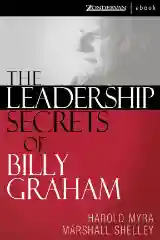
The Leadership Secrets Of Billy Graham

The Unexpected Adventure
-160.webp)
Evidence For The Resurrection (What It Means For Your Relationship With God)
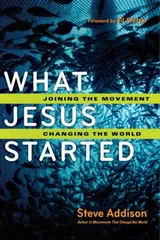
What Jesus Started: Joining The Movement
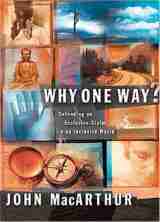
Why One Way

Outlive Your Life
Visions Of The Harvest
Connecting With Muslims
About the Book
"I am n" shares true stories of Christians around the world who have faced persecution and violence at the hands of Islamic extremists. The book provides an inspiring look at the courage and faith of these individuals as they stand firm in their beliefs despite unimaginable circumstances. It serves as a powerful reminder of the strength and resilience of those who face persecution for their faith.
Charles Finney
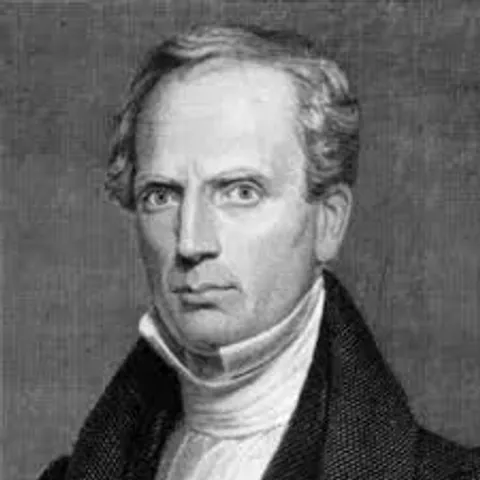 Childhood and Teen years
Charles Grandison Finney was born the year after Wesley died on 29th August, 1792 in Warren, Connecticut. In 1794 his family moved to New York state, eventually settling at Henderson, near Lake Ontario. Although he received only a brief formal education he decided to study law and joined the practice of a local lawyer, Benjamin Wright. He was also very musical, played the cello and directed the choir at the local Presbyterian Church pastured by Rev. George Gale.
His conversion
His conversion on October 10th 1821 reads like something out of the book of Acts. Smitten with conviction from Bible reading he decided to ‘settle the question of my soul’s salvation at once, that if it were possible, I would make my peace with God.’ (Autobiography)
This conviction increased to an unbearable level over the next couple of days and came to an head when he was suddenly confronted with an ‘inward voice.’ He was inwardly questioned about his spiritual condition and finally received revelation about the finished work of Christ and his own need to give up his sins and submit to Christ’s righteousness.
As he sought God in a nearby wood he was overwhelmed with an acute sense of his own wickedness and pride but finally submitted his life to Christ. Back at work that afternoon he was filled with a profound sense of tenderness, sweetness and peace. When work was over and he bade his employer goodnight, he then experienced a mighty baptism in the Holy Spirit, which was recorded as vividly as the day he experienced it, though it was penned some fifty years later.
The next morning Finney announced to a customer that he was leaving his law studies to become a preacher of the Gospel.
Charles Finney licensed to preach
He was licensed to preach in 1823 and ordained as an evangelist in 1824. His penetrating preaching was quite different from many local ministers and included an obvious attempt to break away from the traditional and, as he saw it, dead, orthodox Calvinism. He married to Lydia Andrews in October 1824 and was also joined by Daniel Nash (1774-1831), known popularly as ‘Father Nash.’ Undoubtedly Nash’s special ministry of prayer played a great part in Finney’s growing success as an evangelist.
Things really took off when he preached in his old church, where Rev. Gale still ministered. Numerous converts and critics followed! Similar results were experienced in nearby towns of Rome and Utica. Soon newspapers were reporting his campaigns and he began drawing large crowds with dramatic responses.
Soon he was preaching in the largest cities of the north with phenomenal results. Campaign after campaign secured thousands of converts.
The high point of Finney’s revival career was reached at Rochester, New York, during his 1830-1 meetings. Shopkeepers closed their businesses and the whole city seemed to centre on the revivalist. Responding to his irresistible logic and passionate arguments many of his converts were lawyers, merchants and those from a higher income and professional status.
His Preaching
Finney openly preached a modified Calvinism, influenced with his own theology of conversion and used what were perceived to be ‘revivalistic techniques.’
These ‘means’ included the use of the anxious bench (a special place for those under conviction), protracted meetings, women allowed to pray in mixed meetings, publicly naming those present resisting God in meetings and the hurried admission of new converts into church membership. Opponents viewed his preaching of the law as ‘scare tactics’ and his persuasive appeals for sinners to come to Christ for salvation were seen as over-emphasising the responsibility of men and ignoring the sovereignty of God.
His theology and practise soon became known as the ‘New Measures’ and attracted many opponents from the Old School Presbyterians led by Asahel Nettleton (himself no stranger to true revival and , the revivalistic Congregationalists headed by Lyman Beecher.
Pastor at Chatham Street Chapel
Finney accepted an appointment as pastor of Chatham Street Chapel in New York City in 1832 where he remained until 1837. It was during this time that he delivered a series of sermons published in 1835 as ‘Lectures on Revivals of Religion.’ Here he clearly stated his views regarding revivals being products of the correct use of human means. Such was the controversy that he left the Presbyterian denomination and joined the Congregationalists in 1836.
Oberlin College
The next year he became professor of theology at Oberlin College (Ohio) where he taught until his death. He was President here from 1851 until 1866, but still continued regular revival meetings in urban settings (twice in England, 1848, 1851) until 1860. During his stay at Oberlin he produced his, Lectures to Professing Christians (1836), Sermons on Important Subjects (1839) and his famous Memoirs.
The Father of Modern Revivalism
There is no doubt that Charles Grandison Finney well-deserves the title ‘The Father of Modern Revivalism.’ He was an evangelistic pioneer whose model was followed by a long line of revivalists from D. L. Moody to Billy Graham. His writing have made a massive impact on the entire evangelical world and particularly the ‘Lectures on Revivals’ which has, arguably, ignited more fires of revival than any other single piece literature in evangelical history.
This ‘Prince of Revivalists’ passed away peacefully at Oberlin on Sunday, 16th August, 1875 aged almost 83 years.
Bibliography: I Will Pour Out My Spirit, R. E. Davies, 1997; Ed: A. Scott Moreau, Baker Evangelical Dictionary of World Missions, 2000; Dictionary of Evangelical Biography 1730-1860, Vol. 1, 1995.
Tony Cauchi
Childhood and Teen years
Charles Grandison Finney was born the year after Wesley died on 29th August, 1792 in Warren, Connecticut. In 1794 his family moved to New York state, eventually settling at Henderson, near Lake Ontario. Although he received only a brief formal education he decided to study law and joined the practice of a local lawyer, Benjamin Wright. He was also very musical, played the cello and directed the choir at the local Presbyterian Church pastured by Rev. George Gale.
His conversion
His conversion on October 10th 1821 reads like something out of the book of Acts. Smitten with conviction from Bible reading he decided to ‘settle the question of my soul’s salvation at once, that if it were possible, I would make my peace with God.’ (Autobiography)
This conviction increased to an unbearable level over the next couple of days and came to an head when he was suddenly confronted with an ‘inward voice.’ He was inwardly questioned about his spiritual condition and finally received revelation about the finished work of Christ and his own need to give up his sins and submit to Christ’s righteousness.
As he sought God in a nearby wood he was overwhelmed with an acute sense of his own wickedness and pride but finally submitted his life to Christ. Back at work that afternoon he was filled with a profound sense of tenderness, sweetness and peace. When work was over and he bade his employer goodnight, he then experienced a mighty baptism in the Holy Spirit, which was recorded as vividly as the day he experienced it, though it was penned some fifty years later.
The next morning Finney announced to a customer that he was leaving his law studies to become a preacher of the Gospel.
Charles Finney licensed to preach
He was licensed to preach in 1823 and ordained as an evangelist in 1824. His penetrating preaching was quite different from many local ministers and included an obvious attempt to break away from the traditional and, as he saw it, dead, orthodox Calvinism. He married to Lydia Andrews in October 1824 and was also joined by Daniel Nash (1774-1831), known popularly as ‘Father Nash.’ Undoubtedly Nash’s special ministry of prayer played a great part in Finney’s growing success as an evangelist.
Things really took off when he preached in his old church, where Rev. Gale still ministered. Numerous converts and critics followed! Similar results were experienced in nearby towns of Rome and Utica. Soon newspapers were reporting his campaigns and he began drawing large crowds with dramatic responses.
Soon he was preaching in the largest cities of the north with phenomenal results. Campaign after campaign secured thousands of converts.
The high point of Finney’s revival career was reached at Rochester, New York, during his 1830-1 meetings. Shopkeepers closed their businesses and the whole city seemed to centre on the revivalist. Responding to his irresistible logic and passionate arguments many of his converts were lawyers, merchants and those from a higher income and professional status.
His Preaching
Finney openly preached a modified Calvinism, influenced with his own theology of conversion and used what were perceived to be ‘revivalistic techniques.’
These ‘means’ included the use of the anxious bench (a special place for those under conviction), protracted meetings, women allowed to pray in mixed meetings, publicly naming those present resisting God in meetings and the hurried admission of new converts into church membership. Opponents viewed his preaching of the law as ‘scare tactics’ and his persuasive appeals for sinners to come to Christ for salvation were seen as over-emphasising the responsibility of men and ignoring the sovereignty of God.
His theology and practise soon became known as the ‘New Measures’ and attracted many opponents from the Old School Presbyterians led by Asahel Nettleton (himself no stranger to true revival and , the revivalistic Congregationalists headed by Lyman Beecher.
Pastor at Chatham Street Chapel
Finney accepted an appointment as pastor of Chatham Street Chapel in New York City in 1832 where he remained until 1837. It was during this time that he delivered a series of sermons published in 1835 as ‘Lectures on Revivals of Religion.’ Here he clearly stated his views regarding revivals being products of the correct use of human means. Such was the controversy that he left the Presbyterian denomination and joined the Congregationalists in 1836.
Oberlin College
The next year he became professor of theology at Oberlin College (Ohio) where he taught until his death. He was President here from 1851 until 1866, but still continued regular revival meetings in urban settings (twice in England, 1848, 1851) until 1860. During his stay at Oberlin he produced his, Lectures to Professing Christians (1836), Sermons on Important Subjects (1839) and his famous Memoirs.
The Father of Modern Revivalism
There is no doubt that Charles Grandison Finney well-deserves the title ‘The Father of Modern Revivalism.’ He was an evangelistic pioneer whose model was followed by a long line of revivalists from D. L. Moody to Billy Graham. His writing have made a massive impact on the entire evangelical world and particularly the ‘Lectures on Revivals’ which has, arguably, ignited more fires of revival than any other single piece literature in evangelical history.
This ‘Prince of Revivalists’ passed away peacefully at Oberlin on Sunday, 16th August, 1875 aged almost 83 years.
Bibliography: I Will Pour Out My Spirit, R. E. Davies, 1997; Ed: A. Scott Moreau, Baker Evangelical Dictionary of World Missions, 2000; Dictionary of Evangelical Biography 1730-1860, Vol. 1, 1995.
Tony Cauchi
Be Content with What You Have
Contentment is not simply about settling for what we have, but trusting in what God has said. Both anxiety and greed rise in our hearts as God’s words fall. When the author of Hebrews wanted to teach his readers about contentment, he told them an old story with a familiar refrain. He quieted their fears and quenched their greed by reminding them what God had said . “Keep your life free from love of money, and be content with what you have, for he has said , ‘I will never leave you nor forsake you’” (Hebrews 13:5). Which prompted Charles Spurgeon to ask, Will not the distresses of life and the pangs of death, will not the internal corruptions and the external snares, will not the trials from above and the temptations from beneath all seem but light afflictions when we can hide ourselves beneath the bulwark of “he has said”? The seed of unnecessary fear in the heart of a Christian is forgetfulness — an inability to remember and trust what the God of the universe has said and done. No one has ever had any grounds to accuse God of not following through on his word. Not even one phrase in any sentence in any statement he has ever made has failed (Joshua 21:45). We will only be truly content with what we have when we know that we have him. And we will remember that we have him when we hear and believe his voice. God Has Said When God said, “I will never leave you nor forsake you,” he was speaking to Joshua before little Israel went up to take the whole land of Canaan by force. A nation of nomads was about to invade a land filled with enemies bigger and stronger than themselves. Not one army, but many (Joshua 3:10) — and not our turf, but theirs. Israel’s only confidence was that God had told them to go. He had said . What did he say? The foreign land you are about to enter is already yours (Joshua 1:3). No enemy, no matter how many or how strong, will be able to defeat you (Joshua 1:5). And most promising of all: “I will not leave you or forsake you.” ‘I Will Never Leave You’ “Both anxiety and greed rise in our hearts as God’s words fall.” This great promise will fall flat if we think mainly in terms of geography and not fidelity. Of course God will never leave us because he’s everywhere all the time. “If I ascend to heaven, you are there! If I make my bed in Sheol, you are there!” (Psalms 139:8). But we see God’s fidelity in the very next verse, “If I take the wings of the morning and dwell in the uttermost parts of the sea, even there your hand shall lead me, and your right hand shall hold me” (Psalms 139:9–10). If you are his, he will not leave you; he will lead and protect you. When Joshua stared out into impossible circumstances and enormous opposition, God said, “I will not leave you or forsake you. . . . Be strong and courageous. Do not be frightened, and do not be dismayed, for the Lord your God is with you wherever you go.” (Joshua 1:5, 9) When the author of Hebrews saw what followers of Jesus would face, and how they would be tempted to wander, he went back to those same words (the only time this promise is quoted in the New Testament), “He has said, ‘I will never leave you nor forsake you’” (Hebrews 13:5). You will never be alone. No matter how desperate and alone you feel, no matter how much opposition you face, no matter how precarious your circumstances become, he has said, I will be with you. His presence can calm any fear — if we don’t forget that he’s there, he’s near, and he’s attentive. What You Don’t Have The author of Hebrews, however, wasn’t warning about Canaanites, Hittites, Hivites, Perizzites, Girgashites, Amorites, and Jebusites. His readers, who were Jewish converts, were facing intense persecution, but from within their own nation — from their own communities, even their own families. And as the scorching friendly fire fell, an even more threatening enemy emerged within their hearts: their own cravings and desires. He says, “Keep your life free from love of money, and be content with what you have, for he has said, ‘I will never leave you nor forsake you’” (Hebrews 13:5). When Western Christians today read, “Be content with what you have,” we might assume the Christian has enough. We may hear, “Don’t long for more than you need.” But many of these young converts were being thrown out of their families, cut off from all provision and protection. To follow Jesus was to embrace abandonment and accept poverty. So, many of them were being called to be content with what they did not have. “The seed of unnecessary fear in the heart of a Christian is forgetfulness.” Discontentment suddenly doesn’t seem so unreasonable. Some of them went without food — for Christ. Some of them had only the clothes on their back — for Christ. Some of them lost their homes — for Christ. Some of them “joyfully accepted the plundering of [their] property, since [they] knew that [they themselves] had a better possession and an abiding one” (Hebrews 10:34). If they could be content with what they had, and didn’t have, how can we not learn to be content with what we have? Grace Enough Be content with what you have. Are there six more terrifying words in a culture like ours? They certainly land on me like six sharp cannon blasts. Don’t let your heart endlessly pine for what you might have one day, but cultivate satisfaction in what God has given you for today. The word for content is the same word in 2 Corinthians 12:9, when Jesus says to the apostle Paul, “My grace is sufficient for you, for my power is made perfect in weakness.” Paul responds, “Therefore I will boast all the more gladly of my weaknesses, so that the power of Christ may rest upon me. For the sake of Christ, then, I am content with weaknesses, insults, hardships, persecutions, and calamities. For when I am weak, then I am strong” (2 Corinthians 12:9–10). Paul’s message is not like so many contentment gospels: If the Lord gives you less, make lemonade. Rather, he says, If Christ gives you less, boast in your less, because you get to see more of him in your less. His grace is sufficient to cover any deficiency in us. If God is that big, and grace that sweet, then we are able to say what the vast majority cannot say: “If we have food and clothing, with these we will be content” (1 Timothy 6:8). We will not be simply appeased, but pleased, because our deepest joy does not rise and fall with what we have (Philippians 4:11). How Silver Kills a Man If we want to be content with what we have, however, we have to be free from the love of money. As Paul warns, “The love of money is a root of all kinds of evils. It is through this craving that some have wandered away from the faith and pierced themselves with many pangs” (1 Timothy 6:10). And through this craving, many have forfeited contentment and forgotten what God has said. Intimacy with God loses its value as we fall deeper in love with our currency (and all it buys for us). “We will only be truly content with what we have when we know that we have him.” If we keep flirting with money, we will make ourselves sons of Judas, who traded God himself for thirty pitiful pieces of silver (Matthew 26:15). But even before he died, Judas knew he had been had (Matthew 27:3). He had grossly overestimated money and misjudged the love that no amount of silver could buy: “I will never leave you nor forsake you.” Could he not see how murderously unhappy the Pharisees were (Luke 16:14)? Still he couldn’t shake his cravings for more, even if they cost him everything. If we could feel the horrible realization he felt after trading Jesus away for money, would we not race to give away every possession necessary to have God? Would we not gladly have however little in this life to gain him in the next and forever? Content and Courageous What does contentment sound like? True contentment does not sound cheap, shy, or docile because it often requires profound strength and lionhearted courage. Hebrews continues, “He has said, ‘I will never leave you nor forsake you.’ So we can confidently say , ‘The Lord is my helper; I will not fear; what can man do to me?’” (Hebrews 13:5–6). As he looks out on this small army of Jesus-followers, facing want and need and worse, he turns from Joshua 1 to Psalm 118, which goes on to say, It is better to take refuge in the Lord than to trust in man. It is better to take refuge in the Lord than to trust in princes. (Psalm 118:8–9) Courage ties Psalm 118 to the promise from Joshua 1 because God says to Joshua three times, “Be strong and courageous” (Joshua 1:6–7, 9). And before Joshua heard those four words, Moses had said to him, “Be strong and courageous. Do not fear or be in dread of them, for it is the Lord your God who goes with you. He will not leave you or forsake you” (Deuteronomy 31:6). When you are tempted to worry about how much you have, set your mind on what he has said . If the true God is your God, he goes with you. He knows what you need (Matthew 6:32). And knowing all you need, and all you will face, he will never leave you nor forsake you. Therefore, we can be courageous wherever his hand leads us, flee the shiny promises of silver, and rejoice in what we have. Most of all, we can rejoice that we have him.
-480.webp)
-480.webp)