
Holy Spirit: The Bondage Breaker Order Printed Copy
- Author: David Diga Hernandez
- Size: 2.39MB | 256 pages
- |
Others like holy spirit: the bondage breaker Features >>





About the Book
"Holy Spirit: The Bondage Breaker" by David Diga Hernandez explores the power of the Holy Spirit in breaking bondages and strongholds in our lives. The book delves into practical ways believers can tap into the strength and guidance of the Holy Spirit to overcome spiritual obstacles and live in freedom. Through personal stories and biblical teachings, Hernandez highlights the transformative work of the Holy Spirit and the importance of surrendering to His leading in order to experience true liberty.
Maria Woodworth-Etter
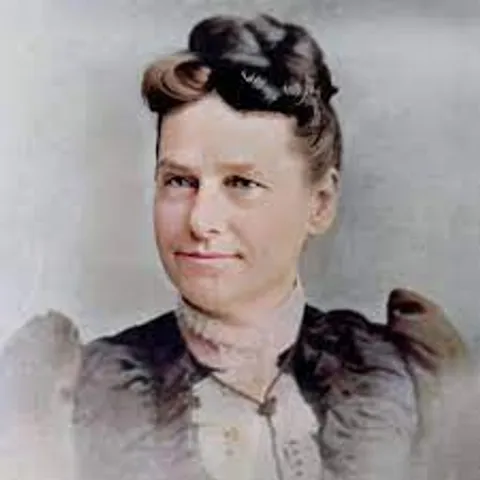 Maria Woodworth-Etter’s Early life
Maria’s early life was plagued with tragedies. Her father died of sunstroke when she was 11 years old leaving her mother with eight children to provide for. She married at 16 but fought a continual battle with ill-health, losing five of her six children. During her sickness she had visions of children in heaven and the lost suffering in hell.
She promised God, that if He would heal her, she would serve Him completely. She asked God for same apostolic power He gave the disciples and was gloriously baptized in the Holy Spirit. “It felt like liquid fire, and there were angels all around.”
The call to preach
Despite her personal struggles with ‘women in ministry’ and the prevailent hostile attitudes to female preachers, she felt compelled by God to accept the invitation to preach in the United Brethren in Christ (Friends) in 1876 and later associated with the Methodist Holiness church.
Evangelism with signs and wonders
Though simply evangelistic in the early days she was unusually successful and in 1885 supernatural signs began to accompany her ministry. Her ministry resurrected dead churches, brought salvation to thousands of unconverted and encouraged believers to seek a deeper walk with God.
She descibes one of her meetings
She described an 1883 meeting in Fairview, Ohio: “I felt impressed God was going to restore love and harmony in the church..… All present came to the altar, made a full consecration, and prayed for a baptism of the Holy Ghost and fire. That night it came. Fifteen same to the altar screaming for mercy.
Men and women fell and lay like dead. I felt it was the work of God, but did not know how to explain it or what to say. I was a little frightened . . . after lying for two hours all, one after another, sprang to their feet as quick as a flash with shining faces and shouted all over the house. I had never seen such bright conversions or such shouting….
The ministers and old saints wept and praised the Lord …..they said it was the Pentecost power, that the Lord was visiting them in great mercy and power …..(they) experienced visions of heaven and hell, collapsed on the floor as if they’d been shot or had died.” Subsequently, thousands were healed of a wide variety of sicknesses and diseases and many believers, even ministers, received mighty baptisms of the Holy Spirit. She soon became a national phenomenon.
1,000 seater tent
In 1889, she purchased a tent that could seat eight thousand people and set it up in Oakland, California. “The power of God was over all the congregation; and around in the city of Oakland. The Holy Ghost would fall on the people while we were preaching. The multitude would be held still, like as though death was in their midst.
Many of the most intelligent and best dressed men would fall back in their seats, with their hands held up to God. being held under the mighty power of God. Men and women fell, all over the tent, like trees in a storm; some would have visions of God. Most all of them came out shouting the praises of God.”
She declared that if 19th-century believers would meet God’s conditions, as the 120 did on the Day of Pentecost, they would have the same results. “A mighty revival would break out that would shake the world, and thousands of souls would be saved. The displays of God’s power on the Day of Pentecost were only a sample of what God designed should follow through the ages. Instead of looking back to Pentecost, let us always be expecting it to come, especially in these days.”
Her views of Pentecostalism
Initially she had grave concerns about the burgeoning Pentecostal movement, mainly because of some unbalanced teaching and reported extremism. Soon she came to believe it was an authentic move of the Holy Spirit and was enthusiastically welcomed within its ranks. She became both a model and a mentor for the fledgling movement. This association elicited another wave of revival between 1912 and her death in 1924 as she ministered throughout the country and her books were read across the world.
Etter Tabenacle
In 1918, she built Etter Tabernacle as her home church base and affiliated with the Assemblies of God. In her closing years she still ministered with a powerful anointing despite struggling with gastritis and dropsy. On occasion she would be carried to the podium, preach with extraordinary power, then be carried home again!
Her demise
Her health continued to decline and she died on September 16, 1924. She is buried in a grave in Indianapolis next to her daughter and son-in-law. Her inscription reads “Thou showest unto thousands lovingkindness.”
In conclusion
Without doubt Maria Woodworth-Etter was an amazing woman blessed with an astonishing ministry. Rev. Stanley Smith – one of the famous “Cambridge Seven” and for many years a worker with “The China Inland Mission” wrote this about her autobiography:
“I cannot let this opportunity go by without again bringing to the notice of my readers, ‘Acts of the Holy Ghost,’ or ‘Life and Experiences of Mrs. M. B. Woodworth-Etter.’ It is a book I value next to the Bible. In special seasons of waiting on God I have found it helpful to have the New Testament on one side of me and Mrs. Etter’s book on the other; this latter is a present-day record of ‘the Acts’ multiplied.
Mrs. Etter is a woman who has had a ministry of healing since 1885, her call as an evangelist being some years previous to this. I venture to think that this ministry is unparalleled in the history of the Church, for which I give all the glory to the Lord Jesus Christ, as Mrs. Etter would, I know, wish me to do. This ministry should be made known, for the glory of the Triune God and the good of believers.”
We agree and pray that such an anointing will rest upon God’s end-time people so that ‘this Gospel of the Kingdom will be preached in all the world before the end comes!’ Matthew 24:14
Tony Cauchi
Maria Woodworth-Etter’s Early life
Maria’s early life was plagued with tragedies. Her father died of sunstroke when she was 11 years old leaving her mother with eight children to provide for. She married at 16 but fought a continual battle with ill-health, losing five of her six children. During her sickness she had visions of children in heaven and the lost suffering in hell.
She promised God, that if He would heal her, she would serve Him completely. She asked God for same apostolic power He gave the disciples and was gloriously baptized in the Holy Spirit. “It felt like liquid fire, and there were angels all around.”
The call to preach
Despite her personal struggles with ‘women in ministry’ and the prevailent hostile attitudes to female preachers, she felt compelled by God to accept the invitation to preach in the United Brethren in Christ (Friends) in 1876 and later associated with the Methodist Holiness church.
Evangelism with signs and wonders
Though simply evangelistic in the early days she was unusually successful and in 1885 supernatural signs began to accompany her ministry. Her ministry resurrected dead churches, brought salvation to thousands of unconverted and encouraged believers to seek a deeper walk with God.
She descibes one of her meetings
She described an 1883 meeting in Fairview, Ohio: “I felt impressed God was going to restore love and harmony in the church..… All present came to the altar, made a full consecration, and prayed for a baptism of the Holy Ghost and fire. That night it came. Fifteen same to the altar screaming for mercy.
Men and women fell and lay like dead. I felt it was the work of God, but did not know how to explain it or what to say. I was a little frightened . . . after lying for two hours all, one after another, sprang to their feet as quick as a flash with shining faces and shouted all over the house. I had never seen such bright conversions or such shouting….
The ministers and old saints wept and praised the Lord …..they said it was the Pentecost power, that the Lord was visiting them in great mercy and power …..(they) experienced visions of heaven and hell, collapsed on the floor as if they’d been shot or had died.” Subsequently, thousands were healed of a wide variety of sicknesses and diseases and many believers, even ministers, received mighty baptisms of the Holy Spirit. She soon became a national phenomenon.
1,000 seater tent
In 1889, she purchased a tent that could seat eight thousand people and set it up in Oakland, California. “The power of God was over all the congregation; and around in the city of Oakland. The Holy Ghost would fall on the people while we were preaching. The multitude would be held still, like as though death was in their midst.
Many of the most intelligent and best dressed men would fall back in their seats, with their hands held up to God. being held under the mighty power of God. Men and women fell, all over the tent, like trees in a storm; some would have visions of God. Most all of them came out shouting the praises of God.”
She declared that if 19th-century believers would meet God’s conditions, as the 120 did on the Day of Pentecost, they would have the same results. “A mighty revival would break out that would shake the world, and thousands of souls would be saved. The displays of God’s power on the Day of Pentecost were only a sample of what God designed should follow through the ages. Instead of looking back to Pentecost, let us always be expecting it to come, especially in these days.”
Her views of Pentecostalism
Initially she had grave concerns about the burgeoning Pentecostal movement, mainly because of some unbalanced teaching and reported extremism. Soon she came to believe it was an authentic move of the Holy Spirit and was enthusiastically welcomed within its ranks. She became both a model and a mentor for the fledgling movement. This association elicited another wave of revival between 1912 and her death in 1924 as she ministered throughout the country and her books were read across the world.
Etter Tabenacle
In 1918, she built Etter Tabernacle as her home church base and affiliated with the Assemblies of God. In her closing years she still ministered with a powerful anointing despite struggling with gastritis and dropsy. On occasion she would be carried to the podium, preach with extraordinary power, then be carried home again!
Her demise
Her health continued to decline and she died on September 16, 1924. She is buried in a grave in Indianapolis next to her daughter and son-in-law. Her inscription reads “Thou showest unto thousands lovingkindness.”
In conclusion
Without doubt Maria Woodworth-Etter was an amazing woman blessed with an astonishing ministry. Rev. Stanley Smith – one of the famous “Cambridge Seven” and for many years a worker with “The China Inland Mission” wrote this about her autobiography:
“I cannot let this opportunity go by without again bringing to the notice of my readers, ‘Acts of the Holy Ghost,’ or ‘Life and Experiences of Mrs. M. B. Woodworth-Etter.’ It is a book I value next to the Bible. In special seasons of waiting on God I have found it helpful to have the New Testament on one side of me and Mrs. Etter’s book on the other; this latter is a present-day record of ‘the Acts’ multiplied.
Mrs. Etter is a woman who has had a ministry of healing since 1885, her call as an evangelist being some years previous to this. I venture to think that this ministry is unparalleled in the history of the Church, for which I give all the glory to the Lord Jesus Christ, as Mrs. Etter would, I know, wish me to do. This ministry should be made known, for the glory of the Triune God and the good of believers.”
We agree and pray that such an anointing will rest upon God’s end-time people so that ‘this Gospel of the Kingdom will be preached in all the world before the end comes!’ Matthew 24:14
Tony Cauchi
you are not that special - the glory of ordinary christianity
I had a professor in seminary who had a knack for humbling first-year students. He enjoyed showing them they weren’t special, no matter what their Sunday school teachers and home churches had told them. In fact, this professor was so effective at humbling new seminarians, he developed a reputation for it. He was provocative and polarizing. He had his detractors around campus, and beyond. To some, he seemed cocky and headstrong. But others loved him dearly. Not because he walked the fine line between arrogance and purposeful provocation, but because they themselves had been wonderfully awakened. First they had been humbled by his jabs, and it hurt. It was disorienting. But as much as it smarted at first, they came to humble themselves and receive the uncomfortable truth. The professor’s shocking words proved to be the wounds of a friend. He was right. They weren’t that special — not in the ways that seminary students (and most humans) tend to think they are. You Are (Not) Special For many of us, one of the earliest messages we heard, the constant refrain of children’s books, the chorus of our parents (and especially grandparents), and likely even the message we heard in Sunday school, was essentially you are special . There’s an element of truth in it, of course. You are indeed special — as human, and especially as redeemed — in ways that redound to the glory of God. In relation to the animal kingdom, God made our human race special, in his own image . Even the angels marvel at the grace we’ve received in Christ (1 Peter 1:12). And in Christ, no doubt, you are special to God — through being chosen before the foundation of the world, and then particularly redeemed by the sacrifice of Christ two millennia before you were born. And then you are three times special by the regenerating work of the Holy Spirit. Jesus died for his friends (John 15:13), his sheep (John 10:14–15), his bride (Ephesians 5:25). He loved the church with his special love and gave himself up for her. “God, being rich in mercy, because of the great love with which he loved us, even when we were dead in our trespasses, made us alive together with Christ” (Ephesians 2:4–5). In Christ, you are not just loved but greatly so. And on the human level, children are indeed special to their own parents and grandparents. We grant that. It’s in God’s good design. Also, it’s worth acknowledging that a group of self-doubting humans and saints have a difficult time believing they are special in ways that really matter. They’ve been so beaten down by life in this world – or perhaps they’ve simply found low self-esteem to be a convenient excuse for coddling sin. To be human, and alive, is amazing. To be called a child of the living God by being joined to his Son, by faith alone, is scandalous. Chosen by God before you even did anything good or bad! What wondrous love is this? But oh, how prone we can be, like first-year seminarians, to let such specialness go to our heads — to transpose it into ways that serve the flesh rather than the Spirit. Not That Special When sinners contemplate their own specialness, we don’t typically think about our relation to animals or angels, or what it means to be in Christ, or our particular specialness to family and friends. Rather, we often think we’re special compared to others — because of our qualities. Our gifts. Our achievements. Our abilities. Bells that ring to our own glory. This is where we need to hear a clear, and sometimes forceful, voice say, in love, You are not that special . You are not an exception to the basic laws and ordinances of human society, and as a Christian, you are not an exception to the ordinary means and patterns of the Christian life. You are not a cut above the rank-and-file in the world, and especially in the church. You are not exceptional in the ways you like to tell yourself in silence. You are not special in the sense that ordinary, everyday, normal Christianity is no longer essential to you because of your qualities. You are not that special . You don’t have a special path to heaven or a special route through the toils and snares of this world. Just consider Jesus. He is indeed the Father’s special Son. If anyone could plead special privilege, it would be the divine Son. And yet. And yet! He did not cling to his equality with God as a self-serving privilege or ask to be excused from the mission. He did not request a pass from poverty, suffering, or even torture. He became “obedient to the point of death, even death on a cross” (Philippians 2:6–8). Do we claim to be his disciples, yet presume ourselves to be greater than our Master? Inconvenient Specialness How might we discern whether we are appropriating specialness in the right places and ways? One test would be whether we tell ourselves we’re special in ways that are easy and convenient for the flesh. Do I presume I’ll get my way because I’m special? Should others follow my lead, without my earning their trust, because I’m special? Another way at it might be this: Do I love the specialness of humanity, and being Christ’s, only when it applies to me, but not when it applies to those I find most difficult to endure? Which gets at what may be one of the greatest indicators of humility: how we view the church. Not the big, universal, capital-C Church — the one that is often much easier to love. But your church. The local church where God has placed you. The people God has picked to appear, and reappear, and reappear again, in your real-life story. Those faces. That church. With all the warts and frustrations and inconveniences you’re increasingly aware of. When you ponder the flesh-and-blood Christians you know, and worship with weekly, and share the Table with, do you think of yourself as special in distinction to them? Or are you special with them? Really Belong to His Body Local churches are wonderfully humbling collectives. And one of the chief ways God roughs up our souls, and keeps them in shape, and prepares them to welcome his humbling hand when it descends — and often brings the very conflicts that are his humbling work — is through really belonging to a particular, imperfect local body of fellow believers. Really belong. Really join. As a fellow sheep. (Pastors too. Humble ones think of themselves first and foremost as sheep, not shepherds. They rejoice not that the demons are subject to them in great acts of ministry, but that their names are written in heaven, Luke 10:20.) Among other blessings, one gift that the messy, often difficult life of the local church offers us, if we will let it, is the regular reminder that we’re not that special, not in whatever twisted ways we like to tell ourselves. We are indeed special to God with these people , but not in comparison with them. And what the down-to-earth life of the local church reminds us is how good it can be to be normal, and to remember, for our good, that no Christian is exempt from normal Christianity: from repentance, from trust in Christ alone for forgiveness, from the moment-by-moment help of his Spirit, from saturating our lives in the word of God, from daily availing ourselves of his ear in prayer, and from genuinely belonging to his body in a local church. Good to Be Normal Brothers and sisters, let’s rehearse for ourselves, as much as we need it, that we are indeed special, and at the same time not that special, not in ways convenient to our flesh. And let’s celebrate that together with Jesus’s church, we are indeed special. You are special — you plural. Jesus loved the church and gave himself up for her. He laid down his life for this sheep. Through faith in Jesus, we are joined to him, and not alone. And in him we also are joined to his people, his bride, his flock. He has loved us (plural) with his special, electing, and effective love. We glory in this specialness, and die to sin’s temptation to think of ourselves as special in ways that swell our hearts with conceit.