

Others like her daughter's dream Features >>





-160.webp)

About the Book
"Her Daughter's Dream" by Francine Rivers follows the story of Carolyn and May Flower Dawn as they navigate the challenges of mother-daughter relationships and strive to find forgiveness and healing in their tumultuous family history. Spanning multiple generations, this novel explores themes of love, faith, and redemption.
Richard Wurmbrand
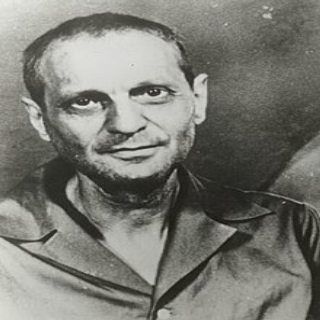 Richard Wurmbrand (1909 – 2001) was born in 1909 in Bucharist in the country of Romania. He was the youngest of four boys born in a Jewish family. He lived with his family in Istanbul for a short time. When he was 9, his father died and the Wurmbrands returned to Romania when he was 15.
He was sent to study Marxism in Moscow. When he returned, he was already a Comintern Agent. A Comintern Agent was a member of the Communist International Organisation which intended to fight:
Like other Romanian Communists, he was arrested and released several times.
He married Sabina Oster on 26th October 1936. Wurmbrand and his wife went to live in an isolated village high in the mountains of Romania. But, as a athiest there was no peace to be found in his heart. So one day, when his heart was in a state of turmoil he cried out:
“God, if perchance you exist, it is Your duty to reveal yourself to me.”
Shorthly after he prayed that prayer, he met a German carpenter in his village who gave him a bible. The carpenter and his wife had been praying earnestly that God would bring a Jew to his village, because the carpenter wanted to bring a Jew to Christ, because Jesus was a Jew. So the carpenter gave him a Bible to read. Wurmbrand said, when he opened that Bible he could not stop weeping. He had read the Bible before but it had meant nothing to him. This time when he opened the Bible he could barely read it because of the copious amount of tears that filled his eyes. Sometime later he found out the carpenter and his wife had been praying earnestly for him. Wurnbrand said that every word that he read were like flames of love burning in his heart. He realized for the first ime in his life that there was a God of love who loved him, even though he had beeen living a bad life and had nurtured a hated towards the concept of a ‘loving’ God.
The Power of Intercessory Prayer
But now for the first time he knew that Jesus had suffered at the cross of Calvary for his sins and he was loved and accepted of God. Richard and his wife became believers in Jesus the Messiah. All the hatred that he had formerly held toward God was washed away under the blood of Christ and Richard and his wife Sabrina were born of the Spirit. That is the power of intercessory prayer!
Richard prepared himself for the ministry. He was ordained as an Anglican minister in 1938 at the start of world war 2. Both Richard and his wife were arrested several times. They were beaten and hauled before a Nazi court. They suffered under the Nazi regime throughout world war 2. But Richard said, it was only a taste of what was to come.
Russian Troups Enter Romania
Towards the end of world war 2, Richard Wurmbrand became a Lutheran and he pastored a Lutheran church in Romania. But, the same year, 1 million Russian troups entered and occupied the entire territory of Romania.
Within a very short space of time the Communists took over Romania. The reign of terror began. Out of fear 4,000 priests, pastors & ministers became Communists overnight. They confessed their allegience and loyalty to the new Communist Government because they all feared for their survival.
Romania’s Resistance
Harsh persecutions of any enemies of the Communist government started with the Soviet occupation in 1945. The Soviet army behaved as an occupation force (although theoretically it was an ally against Nazi Germany), and could arrest virtually anyone at will. Shortly after Soviet occupation, ethnic Germans (who were Romanian citizens and had been living as a community in Romania for 800 years) were deported to the Donbas coal mines. Despite the King’s protest, who pointed out that this was against international law, an estimated 70,000 men and women were forced to leave their homes, starting in January 1945, before the war had even ended. They were loaded in cattle cars and put to work in the Soviet mines for up to ten years as “reparations”, where about one in five died from disease, accidents and malnutrition.
Once the Communist government became more entrenched, the number of arrests increased. All strata of society were involved, but particularly targeted were the pre-war elites, such as intellectuals, clerics, teachers, former politicians (even if they had left-leaning views) and anybody who could potentially form the nucleus of anti-Communist resistance. The existing prisons were filled with political prisoners, and a new system of forced labor camps and prisons was created, modeled after the Soviet Gulag. Some of the most notorious prisons included Sighet, Gherla, Piteşti and Aiud, and forced labor camps were set up at lead mines and in the Danube Delta.
Underground Church
Richard and his wife knew that Christianity and Communism were totally opposed to each other. They knew that a true follower of Christ cannot compromise. So they created an “Underground Church” movement to preach the pure gospel of Christ and to reach out to the unsaved people of Romania and secondly to reach out secretly to the Russian soldiers. They secretly printed thousands of Bibles and Christian literature and distributed it to the Russian soldiers. Many of the Russian soldiers were convicted and they gave their life to Christ.
So the underground church grew. But, in 1948 the Secret Police arrested Wurmbrand and he was placed in solitary confinement for 3 years. He was then transferred to a group cell for the next five years. Whilst in prison he continued to win the other prisoners to Christ. After 8 years in prison he was released and he immediately resumed his work with the undergound church. A few years later, 1959, he was arrested again and was sentenced to 25 years in prison. However, after spending 5 years in prison an organisation called the Christian Alliance negotiated with the Communist Government and they managed to secure his release for a fee of $10,000. They quickly got Richard Wurmbrand out of Romania and took him to England, then to the USA.
In 1966, Richard was called to Washington DC to give his testimony before the United States Senate. He took off his shirt to show the Senate the scars and the wounds that he received whilst he served time in prison under the Communist Government in Romania.
The newspapers throughout the USA, Europe and Asia carried his story all across the world. Christian leaders called him the “Voice of the Underground Church.”
In 1967, with a $100 old typewriter and 500 names and addresses, Richard Wurmbrand published the first issue of THE VOICE OF THE MARTYRS newsletter. This newsletter was dedicated to communicating the testimonies and trails facing our brothers and sisters in restricted nations worldwide. Richard wrote:
“The message I bring from the Underground Church is:
“Don’t abandon us!”
“Don’t forget us!”
“Don’t write us off!”
“Give us the tools we need! We will pay the price for using them!”
“This is the message I have been charged to deliver to the free church.”
Richard Wurmbrand and his wife travelled throughout the world to establish a network of over 30 offices. Their primary aim was to call Christians to shoulder their responsibility and to demonstrate the real substance of their faith by supporting their brothers and sisters in Christ who are being persecuted in heathen lands.
The VOICE OF THE MARTYRS newsletter continues to inform, and lead to action, Christians throughout the free world of the plight of those who suffer for their faith in Jesus Christ. Throughout their network of offices around the world, the newsletter is published in over 30 different languages. To this cause, VOICE OF THE MARTYRS presses on, serving in nearly 40 countries around the world where our brothers and sisters are systematically persecuted.
The writer of the Book of Hebrews brings a convicting word to the Christian church:
” Remember them that are in bonds, as bound with them; and them that suffer adversity, as being yourselves also in the body.”
(Hebrews 13:3)
We have a responsibility to those who suffer for their faith in Christ.
Today, there is an estimated 200 million Christians in heathen nations who are suffering persecution for their faith in Christ.
Richard Wurmbrand (1909 – 2001) was born in 1909 in Bucharist in the country of Romania. He was the youngest of four boys born in a Jewish family. He lived with his family in Istanbul for a short time. When he was 9, his father died and the Wurmbrands returned to Romania when he was 15.
He was sent to study Marxism in Moscow. When he returned, he was already a Comintern Agent. A Comintern Agent was a member of the Communist International Organisation which intended to fight:
Like other Romanian Communists, he was arrested and released several times.
He married Sabina Oster on 26th October 1936. Wurmbrand and his wife went to live in an isolated village high in the mountains of Romania. But, as a athiest there was no peace to be found in his heart. So one day, when his heart was in a state of turmoil he cried out:
“God, if perchance you exist, it is Your duty to reveal yourself to me.”
Shorthly after he prayed that prayer, he met a German carpenter in his village who gave him a bible. The carpenter and his wife had been praying earnestly that God would bring a Jew to his village, because the carpenter wanted to bring a Jew to Christ, because Jesus was a Jew. So the carpenter gave him a Bible to read. Wurmbrand said, when he opened that Bible he could not stop weeping. He had read the Bible before but it had meant nothing to him. This time when he opened the Bible he could barely read it because of the copious amount of tears that filled his eyes. Sometime later he found out the carpenter and his wife had been praying earnestly for him. Wurnbrand said that every word that he read were like flames of love burning in his heart. He realized for the first ime in his life that there was a God of love who loved him, even though he had beeen living a bad life and had nurtured a hated towards the concept of a ‘loving’ God.
The Power of Intercessory Prayer
But now for the first time he knew that Jesus had suffered at the cross of Calvary for his sins and he was loved and accepted of God. Richard and his wife became believers in Jesus the Messiah. All the hatred that he had formerly held toward God was washed away under the blood of Christ and Richard and his wife Sabrina were born of the Spirit. That is the power of intercessory prayer!
Richard prepared himself for the ministry. He was ordained as an Anglican minister in 1938 at the start of world war 2. Both Richard and his wife were arrested several times. They were beaten and hauled before a Nazi court. They suffered under the Nazi regime throughout world war 2. But Richard said, it was only a taste of what was to come.
Russian Troups Enter Romania
Towards the end of world war 2, Richard Wurmbrand became a Lutheran and he pastored a Lutheran church in Romania. But, the same year, 1 million Russian troups entered and occupied the entire territory of Romania.
Within a very short space of time the Communists took over Romania. The reign of terror began. Out of fear 4,000 priests, pastors & ministers became Communists overnight. They confessed their allegience and loyalty to the new Communist Government because they all feared for their survival.
Romania’s Resistance
Harsh persecutions of any enemies of the Communist government started with the Soviet occupation in 1945. The Soviet army behaved as an occupation force (although theoretically it was an ally against Nazi Germany), and could arrest virtually anyone at will. Shortly after Soviet occupation, ethnic Germans (who were Romanian citizens and had been living as a community in Romania for 800 years) were deported to the Donbas coal mines. Despite the King’s protest, who pointed out that this was against international law, an estimated 70,000 men and women were forced to leave their homes, starting in January 1945, before the war had even ended. They were loaded in cattle cars and put to work in the Soviet mines for up to ten years as “reparations”, where about one in five died from disease, accidents and malnutrition.
Once the Communist government became more entrenched, the number of arrests increased. All strata of society were involved, but particularly targeted were the pre-war elites, such as intellectuals, clerics, teachers, former politicians (even if they had left-leaning views) and anybody who could potentially form the nucleus of anti-Communist resistance. The existing prisons were filled with political prisoners, and a new system of forced labor camps and prisons was created, modeled after the Soviet Gulag. Some of the most notorious prisons included Sighet, Gherla, Piteşti and Aiud, and forced labor camps were set up at lead mines and in the Danube Delta.
Underground Church
Richard and his wife knew that Christianity and Communism were totally opposed to each other. They knew that a true follower of Christ cannot compromise. So they created an “Underground Church” movement to preach the pure gospel of Christ and to reach out to the unsaved people of Romania and secondly to reach out secretly to the Russian soldiers. They secretly printed thousands of Bibles and Christian literature and distributed it to the Russian soldiers. Many of the Russian soldiers were convicted and they gave their life to Christ.
So the underground church grew. But, in 1948 the Secret Police arrested Wurmbrand and he was placed in solitary confinement for 3 years. He was then transferred to a group cell for the next five years. Whilst in prison he continued to win the other prisoners to Christ. After 8 years in prison he was released and he immediately resumed his work with the undergound church. A few years later, 1959, he was arrested again and was sentenced to 25 years in prison. However, after spending 5 years in prison an organisation called the Christian Alliance negotiated with the Communist Government and they managed to secure his release for a fee of $10,000. They quickly got Richard Wurmbrand out of Romania and took him to England, then to the USA.
In 1966, Richard was called to Washington DC to give his testimony before the United States Senate. He took off his shirt to show the Senate the scars and the wounds that he received whilst he served time in prison under the Communist Government in Romania.
The newspapers throughout the USA, Europe and Asia carried his story all across the world. Christian leaders called him the “Voice of the Underground Church.”
In 1967, with a $100 old typewriter and 500 names and addresses, Richard Wurmbrand published the first issue of THE VOICE OF THE MARTYRS newsletter. This newsletter was dedicated to communicating the testimonies and trails facing our brothers and sisters in restricted nations worldwide. Richard wrote:
“The message I bring from the Underground Church is:
“Don’t abandon us!”
“Don’t forget us!”
“Don’t write us off!”
“Give us the tools we need! We will pay the price for using them!”
“This is the message I have been charged to deliver to the free church.”
Richard Wurmbrand and his wife travelled throughout the world to establish a network of over 30 offices. Their primary aim was to call Christians to shoulder their responsibility and to demonstrate the real substance of their faith by supporting their brothers and sisters in Christ who are being persecuted in heathen lands.
The VOICE OF THE MARTYRS newsletter continues to inform, and lead to action, Christians throughout the free world of the plight of those who suffer for their faith in Jesus Christ. Throughout their network of offices around the world, the newsletter is published in over 30 different languages. To this cause, VOICE OF THE MARTYRS presses on, serving in nearly 40 countries around the world where our brothers and sisters are systematically persecuted.
The writer of the Book of Hebrews brings a convicting word to the Christian church:
” Remember them that are in bonds, as bound with them; and them that suffer adversity, as being yourselves also in the body.”
(Hebrews 13:3)
We have a responsibility to those who suffer for their faith in Christ.
Today, there is an estimated 200 million Christians in heathen nations who are suffering persecution for their faith in Christ.
triune decision-making - how god guides tough choices
When we face a big decision, sometimes the decision-making process can feel more like a game show than a guided path. We can easily slip into the thinking that God is hosting “Let’s Make a Deal,” where we have to choose one of a slew of suitcases, hoping we pick the right one. When we face multiple doors and potential pathways, the freedom to choose can feel like crippling anxiety and pressure. Thankfully, our God does not play games with us, nor does he leave us to our own devices when making decisions. Contrary to popular belief, decisions are not puzzles to solve, but privileges to steward with the guidance of our triune God. Triune Guidance God offers triune guidance to his children as we face the decisions of life, from the minute to the monumental. Rather than stand far off from us, watching as we make decisions in consternation, he comes near to us, offering to guide us gently through a process that ultimately leads to more of himself. “Contrary to popular belief, decisions are not puzzles to solve, but privileges to steward.” As the Father who stands outside of time, God knows all that will happen and assures us that none of his plans will be thwarted (Isaiah 14:27; Job 42:2). He providentially steers all of creation, even the decisions of humans made in his image, working all things according to his everlasting and good purposes (Ephesians 1:11; Romans 8:28). He knows the number of hairs on our heads, the length of our days, and the tears we shed as we wrestle to make decisions (Luke 12:7; Psalm 139:16; Psalm 56:8). As the Son who stepped into time, Jesus is the pioneer and perfecter of our faith (Hebrews 12:1–3). He knows what it feels like to live within the limits of time and space, as he made decisions daily during his time on earth. While the first Adam led the way into disastrous, self-centered decision-making, as the second Adam, Christ always made decisions in light of the goodness of his Father (Romans 6:17–21). His perfect decisions cleared the path so that we can make our present decisions in the presence of the triune God. As the Spirit who makes his home within us, the Holy Spirit guides us into all truth, convicting us of our selfish propensities and pointing us to God’s promises as we make decisions (John 16:12–15). He offers us comfort and peace when we feel dizzied by the sheer amount of decisions we make daily. Triune Perspective In addition to these timeless truths that anchor our souls in the sea of decisions, a Trinitarian perspective can also serve as a practical help in the process. When we face decisions large or small, we are limited by our own perspective as embodied creatures. We simply cannot see or imagine all the possible angles, try as we may. God does not live within these limitations. As John Frame wisely notes, God “sees all things from every possible perspective” ( Theology in Three Dimensions , 4–5). While the Trinity is a unity (meaning all of God does all that God does), Frame’s triperspectivalism creates a framework that helps us approach complex truths from three different angles or perspectives within the Trinity. The normative, the situational, and the existential perspectives (which correlate to Father, Son, and Holy Spirit) can serve as different entry points for considering decisions. The normative perspective relates to God’s authority. God acts as our loving authority, providing principles and revealing truths by which we can understand the normative human experience. As Creator and Father, God sets the standards by which his creatures operate best in his world. When we approach a decision from the normative perspective, we ask, “What does God’s word say about the decision set before me?” The situational perspective relates to God’s control. Through his eternal Word, God perfectly controls and orders the movement of every proton and every person. If God is in complete control over all things (which he is), then we can trust that he has perfectly ordered our present circumstances with their opportunities, challenges, and limitations. When we approach a decision from the situational perspective, we assess the realities and circumstances in which we find ourselves. The existential perspective relates to God’s presence. The triune God has always sought to be close to his people, and by the Holy Spirit, he now lives within every believer. He is closer than even the air we breathe. The Spirit searches and permeates the deep waters of human hearts and personalities (1 Corinthians 2:10–13; Proverbs 20:5). When we approach a decision from the existential perspective, then, we are asking more internal questions about personal desires and feelings. Three Perspectives in Action If we can get past the length of the word triperspectivalism , we will begin to see the depth of practical wisdom we can glean from this approach to decisions. For example, when a couple is praying through a potential marriage, walking through the decision from the normative, the situational, and the existential can provide helpful insight. In Scripture, God is clear that marriage is between a man and a woman and that believers are to be equally yoked spiritually ( normative ). If the couple’s friends and family are not opposed to the union, and present circumstances seem to allow it ( situational ), the couple is then free to consider whether they desire to commit to each other in the covenant of marriage ( existential ). Let’s consider a different example. A young couple is eager to grow their family and has prayed and processed through adoption. They know that physical adoption is one of the most powerful pictures of the spiritual adoption we have received through Christ into the household of God (normative). They have been going through the prerequisite steps of training, they have conducted a home study, and they have even begun to check out agencies. There are countless options in their county, all of which they are able to pursue (situational); however, they both feel especially pulled toward the foster-care system, even though they know it will likely present unique challenges (existential). While God is pleased with all forms of adoption, they plan to forgo international and private adoption after much praying and processing within their local church. “God promises to use the decision-making process as a means to make us more like him and to give us more of him.” Finally, let’s look at a more ordinary, everyday decision through these three perspectives. A child has been invited to play in a sports tournament on a Sunday. The family has already prioritized worship in the local church (normative). The child knows that he will miss the first game because attendance at worship is a high point of the family’s weekly rhythms; however, he really wants to play in the afternoon game (existential). The parent of another player offers a ride to the second game that does not interfere with the rest of the plans for the day (situational). The parents are left to discuss what the child thinks is the best way to serve as a team member (existential). Guided Process to More of God When we are facing a significant decision, it is natural to be overwhelmed at the various paths set before us. But no matter which of the potential pathways you choose, remember that Jesus has opened up the most significant pathway for us already: he has opened up the path to fellowship with God through his own body (John 14:6). He has not left us alone to see how we fare in our decisions, as if he were a game show host. Rather, he takes us by the hand and leads us toward glory (Psalm 73:23–24). And along the way, he promises to use the decision-making process as a means to make us more like him and to give us more of him, who is our great reward (Genesis 15:1).
.-480.webp)