
Good And Angry - Redeeming Anger, Irritation, Complaining, And Bitterness Order Printed Copy
- Author: David Powlison
- Size: 2MB | 371 pages
- |
Others like good and angry - redeeming anger, irritation, complaining, and bitterness Features >>

Shine On - Overcoming Persecution

Golden Glory - The New Wave Of Signs And Wonders

Lost And Found - Finding Hope In The Detours Of Life

No Handle On The Cross - An Asian Meditation On The Crucified Mind

Don't Let Go Of Your Dreams

Beautiful Outlaw: Experiencing The Playful, Disruptive, Extravagant Personality Of Jesus

Make Fear Bow
The Purpose Driven Life

The Power Of Imagination

Angelic Visitations And Supernatural Encounters
About the Book
"Good And Angry" by David Powlison explores how to deal with anger, irritation, complaining, and bitterness in a biblical and constructive manner. The author offers practical advice and guidance on how to understand and manage these emotions in a way that honors God and leads to personal growth and healing.
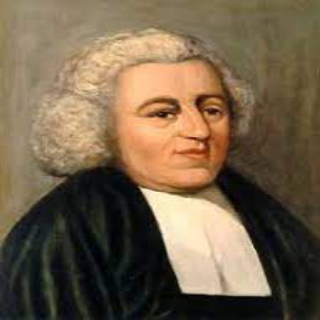
John Newton
Labor Like You’re Loved
By the grace of God I am what I am, and his grace toward me was not in vain. On the contrary, I worked harder than any of them, though it was not I, but the grace of God that is with me. (1 Corinthians 15:10) At one level, this passage contains one of the more surprising statements in any of Paul’s letters. “I worked harder than any of them,” he says — them, meaning the other apostles. Seemingly without any blushing or posturing, but just calmly stating the facts, Paul self-identifies as the hardest working of a select group who had been with Jesus, none of them known for laziness. Clearly in his letters and in the book of Acts, Paul demonstrates a kind of uncommon energy and intensity. Perhaps he would acknowledge that he had some unusual wiring. Again and again, however, he puts his uncommon exertions forward not as an exception to admire, but as an example to follow. Even still, what the apostle Paul is remembered for today, more than his hard work, is the precious truth we call “justification by faith alone.” Paul lived and taught that those who labor, and sing, and overcome, and run the race most energetically, do so not to earn God’s favor. They exert effort precisely because they can testify already, in Christ, “All is mine” — because they know that grace is a gift. First, Full Pardon Getting the order right is all-important. The first word, and foundational word, is that our human effort, no matter how impressive compared to others, cannot secure the acceptance and favor of the Almighty. God’s full and final acceptance — called justification — comes to us “by his grace as a gift, through the redemption that is in Christ Jesus” (Romans 3:24), not through our working (Romans 3:28). God’s choice of his people “depends not on human will or exertion, but on God, who has mercy” (Romans 9:16), and so, fittingly, his final and decisive approval and embrace of his people is through our believing in him, not our working for him (Romans 4:4–5; 2 Timothy 1:9; Titus 3:5). In this way, the Christian faith is the world’s greatest rest from human labor, as Jesus invites “all who labor and are heavy laden” to come to him for his gift of rest (Matthew 11:28). And then, in this rest, God supplies remarkable, even supernatural, ambition for pouring out what energies we have for the good of others. Then, New Power In coming to Christ in faith, we receive another gift, not just justification: “the promised Holy Spirit” (Ephesians 1:13). The Spirit not only produces in us the faith by which we’re justified, but he gives us new life in Christ — new desires, new inclinations, new instincts, and new energy. By the Spirit, our coming into such rest does not make us idle or lazy. Rather, Paul says, the Spirit begins to make us “zealous for good works” (Titus 2:14), eager and ready to do good (2 Timothy 2:21; 3:16–17; Titus 3:1–2), devoting ourselves to acts that serve the good of others (Titus 3:8, 14). Knowing we cannot earn the favor of God Almighty with our efforts, but that his smile has been secured for us by Jesus, we are liberated to pour our energy and time and skill and attention into blessing others. Few, if any, will match Paul’s labors. And yet right here in 1 Corinthians 15:10, where he identifies as the hardest-working apostle, we find a word of hope for those of us who feel that we can’t keep pace with him. He says he “worked harder than” the others, and he also affirms, “though it was not I, but the grace of God that is with me.” Elsewhere, Paul makes a similar confession, that the key to his seemingly tireless labors is God at work in him (Philippians 2:12–13; Colossians 1:29). It is not in his own strength to do what he did. Rather, Christ is strengthening him (1 Timothy 1:12; Philippians 4:13). To This I Hold Paul would be quick to challenge today’s most energetic and aggressive personalities with the truth that, apart from God, our best labors will prove futile in the end. And for those who know they need help, who have more regrets about laziness than over-work, he would remind them, “We are his workmanship, created in Christ Jesus for good works, which God prepared beforehand, that we should walk in them” (Ephesians 2:10). Walk, not sprint. Our God doesn’t leave us to labor, and sing, and overcome, and run our race in our own strength. He has good works prepared for us ahead of time, and gives us his Spirit to empower them in and through us. He doesn’t demand a dead sprint, but invites us to walk in them, and to say with joy in the end, “Yet not I but through Christ in me.” Article by David Mathis