


Forgiven (Firstborn Series 02) Order Printed Copy
- Author: Karen Kingsbury
- Size: 1.41MB | 220 pages
- |
%20Karen%20Kingsbury-160.webp)
%20Karen%20Kingsbury-160.webp)





-160.webp)


About the Book
"Forgiven" is the second book in the Firstborn series by Karen Kingsbury. The novel follows the Baxter family as they navigate through forgiveness, redemption, and the power of second chances. The story focuses on the characters of Dayne Matthews and Katy Hart as they must confront their pasts and find forgiveness in order to move forward in their relationship and personal lives. The novel explores themes of faith, love, and the importance of letting go of past mistakes in order to find true happiness.
Maria Woodworth-Etter
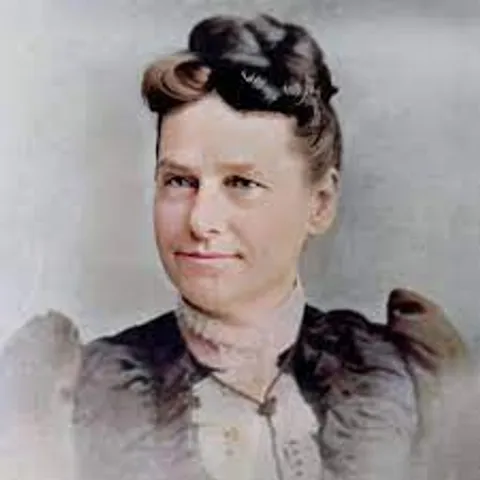 Maria Woodworth-Etter’s Early life
Maria’s early life was plagued with tragedies. Her father died of sunstroke when she was 11 years old leaving her mother with eight children to provide for. She married at 16 but fought a continual battle with ill-health, losing five of her six children. During her sickness she had visions of children in heaven and the lost suffering in hell.
She promised God, that if He would heal her, she would serve Him completely. She asked God for same apostolic power He gave the disciples and was gloriously baptized in the Holy Spirit. “It felt like liquid fire, and there were angels all around.”
The call to preach
Despite her personal struggles with ‘women in ministry’ and the prevailent hostile attitudes to female preachers, she felt compelled by God to accept the invitation to preach in the United Brethren in Christ (Friends) in 1876 and later associated with the Methodist Holiness church.
Evangelism with signs and wonders
Though simply evangelistic in the early days she was unusually successful and in 1885 supernatural signs began to accompany her ministry. Her ministry resurrected dead churches, brought salvation to thousands of unconverted and encouraged believers to seek a deeper walk with God.
She descibes one of her meetings
She described an 1883 meeting in Fairview, Ohio: “I felt impressed God was going to restore love and harmony in the church..… All present came to the altar, made a full consecration, and prayed for a baptism of the Holy Ghost and fire. That night it came. Fifteen same to the altar screaming for mercy.
Men and women fell and lay like dead. I felt it was the work of God, but did not know how to explain it or what to say. I was a little frightened . . . after lying for two hours all, one after another, sprang to their feet as quick as a flash with shining faces and shouted all over the house. I had never seen such bright conversions or such shouting….
The ministers and old saints wept and praised the Lord …..they said it was the Pentecost power, that the Lord was visiting them in great mercy and power …..(they) experienced visions of heaven and hell, collapsed on the floor as if they’d been shot or had died.” Subsequently, thousands were healed of a wide variety of sicknesses and diseases and many believers, even ministers, received mighty baptisms of the Holy Spirit. She soon became a national phenomenon.
1,000 seater tent
In 1889, she purchased a tent that could seat eight thousand people and set it up in Oakland, California. “The power of God was over all the congregation; and around in the city of Oakland. The Holy Ghost would fall on the people while we were preaching. The multitude would be held still, like as though death was in their midst.
Many of the most intelligent and best dressed men would fall back in their seats, with their hands held up to God. being held under the mighty power of God. Men and women fell, all over the tent, like trees in a storm; some would have visions of God. Most all of them came out shouting the praises of God.”
She declared that if 19th-century believers would meet God’s conditions, as the 120 did on the Day of Pentecost, they would have the same results. “A mighty revival would break out that would shake the world, and thousands of souls would be saved. The displays of God’s power on the Day of Pentecost were only a sample of what God designed should follow through the ages. Instead of looking back to Pentecost, let us always be expecting it to come, especially in these days.”
Her views of Pentecostalism
Initially she had grave concerns about the burgeoning Pentecostal movement, mainly because of some unbalanced teaching and reported extremism. Soon she came to believe it was an authentic move of the Holy Spirit and was enthusiastically welcomed within its ranks. She became both a model and a mentor for the fledgling movement. This association elicited another wave of revival between 1912 and her death in 1924 as she ministered throughout the country and her books were read across the world.
Etter Tabenacle
In 1918, she built Etter Tabernacle as her home church base and affiliated with the Assemblies of God. In her closing years she still ministered with a powerful anointing despite struggling with gastritis and dropsy. On occasion she would be carried to the podium, preach with extraordinary power, then be carried home again!
Her demise
Her health continued to decline and she died on September 16, 1924. She is buried in a grave in Indianapolis next to her daughter and son-in-law. Her inscription reads “Thou showest unto thousands lovingkindness.”
In conclusion
Without doubt Maria Woodworth-Etter was an amazing woman blessed with an astonishing ministry. Rev. Stanley Smith – one of the famous “Cambridge Seven” and for many years a worker with “The China Inland Mission” wrote this about her autobiography:
“I cannot let this opportunity go by without again bringing to the notice of my readers, ‘Acts of the Holy Ghost,’ or ‘Life and Experiences of Mrs. M. B. Woodworth-Etter.’ It is a book I value next to the Bible. In special seasons of waiting on God I have found it helpful to have the New Testament on one side of me and Mrs. Etter’s book on the other; this latter is a present-day record of ‘the Acts’ multiplied.
Mrs. Etter is a woman who has had a ministry of healing since 1885, her call as an evangelist being some years previous to this. I venture to think that this ministry is unparalleled in the history of the Church, for which I give all the glory to the Lord Jesus Christ, as Mrs. Etter would, I know, wish me to do. This ministry should be made known, for the glory of the Triune God and the good of believers.”
We agree and pray that such an anointing will rest upon God’s end-time people so that ‘this Gospel of the Kingdom will be preached in all the world before the end comes!’ Matthew 24:14
Tony Cauchi
Maria Woodworth-Etter’s Early life
Maria’s early life was plagued with tragedies. Her father died of sunstroke when she was 11 years old leaving her mother with eight children to provide for. She married at 16 but fought a continual battle with ill-health, losing five of her six children. During her sickness she had visions of children in heaven and the lost suffering in hell.
She promised God, that if He would heal her, she would serve Him completely. She asked God for same apostolic power He gave the disciples and was gloriously baptized in the Holy Spirit. “It felt like liquid fire, and there were angels all around.”
The call to preach
Despite her personal struggles with ‘women in ministry’ and the prevailent hostile attitudes to female preachers, she felt compelled by God to accept the invitation to preach in the United Brethren in Christ (Friends) in 1876 and later associated with the Methodist Holiness church.
Evangelism with signs and wonders
Though simply evangelistic in the early days she was unusually successful and in 1885 supernatural signs began to accompany her ministry. Her ministry resurrected dead churches, brought salvation to thousands of unconverted and encouraged believers to seek a deeper walk with God.
She descibes one of her meetings
She described an 1883 meeting in Fairview, Ohio: “I felt impressed God was going to restore love and harmony in the church..… All present came to the altar, made a full consecration, and prayed for a baptism of the Holy Ghost and fire. That night it came. Fifteen same to the altar screaming for mercy.
Men and women fell and lay like dead. I felt it was the work of God, but did not know how to explain it or what to say. I was a little frightened . . . after lying for two hours all, one after another, sprang to their feet as quick as a flash with shining faces and shouted all over the house. I had never seen such bright conversions or such shouting….
The ministers and old saints wept and praised the Lord …..they said it was the Pentecost power, that the Lord was visiting them in great mercy and power …..(they) experienced visions of heaven and hell, collapsed on the floor as if they’d been shot or had died.” Subsequently, thousands were healed of a wide variety of sicknesses and diseases and many believers, even ministers, received mighty baptisms of the Holy Spirit. She soon became a national phenomenon.
1,000 seater tent
In 1889, she purchased a tent that could seat eight thousand people and set it up in Oakland, California. “The power of God was over all the congregation; and around in the city of Oakland. The Holy Ghost would fall on the people while we were preaching. The multitude would be held still, like as though death was in their midst.
Many of the most intelligent and best dressed men would fall back in their seats, with their hands held up to God. being held under the mighty power of God. Men and women fell, all over the tent, like trees in a storm; some would have visions of God. Most all of them came out shouting the praises of God.”
She declared that if 19th-century believers would meet God’s conditions, as the 120 did on the Day of Pentecost, they would have the same results. “A mighty revival would break out that would shake the world, and thousands of souls would be saved. The displays of God’s power on the Day of Pentecost were only a sample of what God designed should follow through the ages. Instead of looking back to Pentecost, let us always be expecting it to come, especially in these days.”
Her views of Pentecostalism
Initially she had grave concerns about the burgeoning Pentecostal movement, mainly because of some unbalanced teaching and reported extremism. Soon she came to believe it was an authentic move of the Holy Spirit and was enthusiastically welcomed within its ranks. She became both a model and a mentor for the fledgling movement. This association elicited another wave of revival between 1912 and her death in 1924 as she ministered throughout the country and her books were read across the world.
Etter Tabenacle
In 1918, she built Etter Tabernacle as her home church base and affiliated with the Assemblies of God. In her closing years she still ministered with a powerful anointing despite struggling with gastritis and dropsy. On occasion she would be carried to the podium, preach with extraordinary power, then be carried home again!
Her demise
Her health continued to decline and she died on September 16, 1924. She is buried in a grave in Indianapolis next to her daughter and son-in-law. Her inscription reads “Thou showest unto thousands lovingkindness.”
In conclusion
Without doubt Maria Woodworth-Etter was an amazing woman blessed with an astonishing ministry. Rev. Stanley Smith – one of the famous “Cambridge Seven” and for many years a worker with “The China Inland Mission” wrote this about her autobiography:
“I cannot let this opportunity go by without again bringing to the notice of my readers, ‘Acts of the Holy Ghost,’ or ‘Life and Experiences of Mrs. M. B. Woodworth-Etter.’ It is a book I value next to the Bible. In special seasons of waiting on God I have found it helpful to have the New Testament on one side of me and Mrs. Etter’s book on the other; this latter is a present-day record of ‘the Acts’ multiplied.
Mrs. Etter is a woman who has had a ministry of healing since 1885, her call as an evangelist being some years previous to this. I venture to think that this ministry is unparalleled in the history of the Church, for which I give all the glory to the Lord Jesus Christ, as Mrs. Etter would, I know, wish me to do. This ministry should be made known, for the glory of the Triune God and the good of believers.”
We agree and pray that such an anointing will rest upon God’s end-time people so that ‘this Gospel of the Kingdom will be preached in all the world before the end comes!’ Matthew 24:14
Tony Cauchi
Blessed Are the Unoffendable
I remember the flush of embarrassment that came to my face as I realized that my friend was letting me know I hadn’t been invited to be a part of the group of women she was meeting with regularly — and not by accident. I tried to navigate the moment, relieving the tension by telling her not to worry about it. I let her know that my plate was full with doctors’ appointments and kids’ activities. “I couldn’t join the group even if I were asked!” I laughed, doing all I could to keep her from feeling sorry for me. And my words were true. I really did have a plate too full to add anything else. I really didn’t want her to worry about it. Yet my hot cheeks and thumping heart told the secret I was trying to conceal — I was fighting the impulse to take offense. Shutting the Gates I knew well enough how destructive becoming offended can be. Proverbs 18:19 says, “A brother offended is more unyielding than a strong city.” What horrible strength there is in taking up an offense! Offended people can become unassailable. Recalcitrant. Too hard-hearted to hear an appeal. When we are offended, we believe ourselves to have the moral high ground; therefore, we feel justified in making the one who has offended us a villain. I thought I was on the inside of this particular group of friends, only to discover I was not. My sense of where I fit in with others was challenged in a painful way. I could choose to accept it with goodwill toward these sisters and lean on my Savior who has called me his friend, or I could get tough — hard as nails — like an unyielding strong city whose gates have been shut and whose pride has locked out the offending parties. “Offended people become unassailable. Recalcitrant. Too hard-hearted to hear an appeal.” The Scriptures show us many instances of Jesus causing offense. He offends his hometown crowd. He offends Pharisees and scribes. He is the stone of stumbling and rock of offense. This is no big surprise to Christians. We aren’t shocked that the Pharisees or the hometown crowd are resentful and outraged by his superior understanding and his mighty deeds. From our vantage point, it isn’t too hard to see that when Jesus challenges their view of reality, he’s always right. We can see their blind spots and pride and how that pride makes them easily offended. But it’s much harder to spot the pride when we’re the one being offended, and when the offender is someone other than the perfect Jesus. The Drug of Offendedness What do we do when we’re offended by one another? What do we do if the offense given or taken is a result of carelessness, or thin skin, or personality differences, or unintentionally missing the mark, or sinfulness in ourselves or others? First, remember that when others are offensive in a truly sinful way, their offense is against God first and foremost. Sin against us feels personal, because it often is personal. But it’s significantly more personal to God, who doesn’t just relate to us, but who created us. God is patient with those who have offended his holiness. But he will not wait forever. And for those who are united to his Son through faith, their offenses against him have been extinguished at the cross. Second, it is good to remember that God has made a way for us to deal with a legitimate offense. We can follow the instructions of our Lord and go to that person directly in the hopes of gaining our brother (Matthew 18:15). We don’t ever need to stay offended. Even when we don’t gain our brother by going to him, we don’t have to live in our offended state; we can lay that down at the cross. And laying our offense there, we can take a posture that is eager for reconciliation, should God grant it. But what about when there is no intentional or discernible sin? What about the kind of situation that I found myself in — the one where I had not been sinned against, yet my hurt feelings were poised to harden into offendedness? It helps to acknowledge that taking offense is a powerful drug. It’s a powerful drug precisely because it gives us power. Remember the proverb — the offended brother is more unyielding than a strong city! “Taking offense is a powerful drug. It’s a powerful drug precisely because it gives us power.” When we turn hurt feelings into offendedness, we go from vulnerable to impenetrable. When we’re hurt by someone else’s words or actions, it’s tempting to try to protect ourselves with anger or self-righteousness that masquerades as having been offended. It’s easier to imagine the ones who have hurt us as villains rather than own that our hurt often has to do with our insecurities and fragility more than with the objective sinfulness of others. Good Sense and Glory Proverbs 19:11 says, “Good sense makes one slow to anger, and it is his glory to overlook an offense.” Good sense and glory are in short supply these days. Rather than slow down and give our rational minds a chance to inform our wildly thumping hearts, we let our feelings inform our response. Rather than overlook an offense, we go conjuring them up from every possible infraction, mounting chips on our shoulders. Everything another person says that we disagree with is a devilish opportunity for taking up an offense. Anything another person does that is different than how we would do it strengthens the resolve of the unyielding, hardened heart. Too often, we can’t merely disagree with people; we are personally offended by the words, opinions, and actions of others, even when they have no bearing on our personal lives. And if we can’t find a way to be personally offended ourselves, too many have begun taking up an offense on behalf of another. Rather than cover an offense in the interest of love and refusing to repeat a matter (Proverbs 17:9), the society around us urges us to lend and borrow offenses as a currency of backward virtue. Blessed Are the Unoffendable There is more than insecurity and fragility underneath our proclivity to take up an offense, although those problems are constantly feeding it. At root, our easily offended hearts are full of pride and idolatry. We have set ourselves as the standard of what is right and good and what must be honored — any perceived challenge to that assumption results in anger, resentment, and the taking up of an offense. But we’re not the standard; God is — which is wonderful news for sinners. Because he is the standard, because only he can see into hearts and discern the motives of each of us, we can be free to assume the best of others, trusting that he will judge perfectly in the end. We can have the good sense to be slow to anger. We can become gloriously unoffendable. Won’t you lay down the offendedness you’ve nursed against others, and rest in the salvation of the God who is slow to anger and abounding in steadfast love? He is patient in delaying judgment, but judgment will come. Today is the day to crucify the counterfeit power of offendedness and take hold of the gospel — which is the power of God for salvation to all who believe (Romans 1:16). Article by Abigail Dodds
%20Karen%20Kingsbury-480.webp)