
Fashioned To Reign: Empowering Women To Fulfill Their Divine Destiny Order Printed Copy
- Author: Kris Vallotton
- Size: 1.32MB | 30 pages
- |
Others like fashioned to reign: empowering women to fulfill their divine destiny Features >>

Kingdom Woman: Embracing Your Purpose

The True Measure Of A Woman
Captivating: Unveiling The Mysteries Of A Woman's Soul

The Proverbs 31 Woman
-160.webp)
Beautiful In God's Eyes For Young Women: Looking Good From The Inside Out

Esther: The Beauty Of Courageous Submission

The Resolution For Women

Women - Gods Secret Weapon

It's Not How You Look, It's What You See

7 Questions Wise Women Ask
About the Book
"Fashioned to Reign" by Kris Vallotton is a book that empowers women to embrace their divine purpose and destiny. Vallotton challenges traditional views on women's roles in society and encourages women to step into positions of leadership and influence. Through biblical teachings and personal anecdotes, the book inspires women to live out their full potential and make a positive impact in the world.
Warren Wiersbe
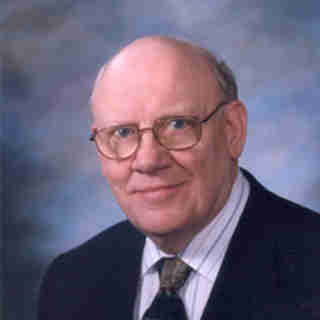 Dr. Warren Wiersbe once described Heaven as “not only a destination, but also a motivation. When you and I are truly motivated by the promise of eternity with God in heaven, it makes a difference in our lives.”
For Wiersbe, the promise of eternity became the motivation for his long ministry as a pastor, author, and radio speaker. Beloved for his biblical insight and practical teaching, he was called “one of the greatest Bible expositors of our generation” by the late Billy Graham.
Warren W. Wiersbe died on May 2, 2019, in Lincoln, Nebraska, just a few weeks shy of his 90th birthday.
“He was a longtime, cherished friend of Moody Bible Institute, a faithful servant of the Word, and a pastor to younger pastors like me,” said Dr. Mark Jobe, president of Moody Bible Institute. “We are lifting up pastor Wiersbe’s family in prayer at this time and rejoicing in the blessed hope that believers share together.”
Wiersbe grew up in East Chicago, Indiana, a town known for its steel mills and hard-working blue-collar families. In his autobiography, he connected some of his earliest childhood memories to Moody Bible Institute; his home church pastor was a 1937 graduate, Dr. William H. Taylor. After volunteering to usher at a 1945 Youth for Christ rally, Wiersbe found himself listening with rapt attention to Billy Graham’s sermon, and responded with a personal prayer of dedication.
In a precocious turn of events, the young Wiersbe was already a published author, having written a book of card tricks for the L. L. Ireland Magic Co. of Chicago. He quickly learned to liven up Sunday school lessons with magic tricks as object lessons (“not the cards!” he would say). After his high school graduation in 1947 (he was valedictorian), he spent a year at Indiana University before transferring to Northern Baptist Seminary in Chicago, where he earned a bachelor of theology degree. His future wife, Betty, worked in the school library, and Wiersbe was a frequent visitor.
While in seminary he became pastor of Central Baptist Church in East Chicago, serving until 1957. During those years he became a popular YFC speaker, which led to a full-time position with Youth for Christ International in Wheaton. He published his first article for Moody Monthly magazine in 1956, about Bible study methods, and seemed to outline his ongoing writing philosophy. “This is more of a personal testimony,” he said, “because I want to share these blessings with you, rather than write some scholarly essay, which I am sure I could not do anyway.”
At a 1957 YFC convention in Winona Lake, Indiana, Wiersbe preached a sermon that was broadcast live over WMBI, his first connection to Moody Radio. “I wish every preacher could have at least six months’ experience as a radio preacher,” he said later (because they would preach shorter).
While working with Youth for Christ, Wiersbe got a call from Pete Gunther at Moody Publishers, asking about possible book projects. First came Byways of Blessing (1961), an adult devotional; then two more books in 1962, A Guidebook for Teens and Teens Triumphant. He would eventually publish 14 titles with Moody, including William Culbertson: A Man of God (1974), Live Like a King (1976), The Annotated Pilgrim’s Progress (1980), and Ministering to the Mourning (2006), written with his son, David Wiersbe.
In 1961, D. B. Eastep invited Wiersbe to join the staff of Calvary Baptist Church in Covington, Kentucky. forming a succession plan that was hastened by Eastep’s sudden death in 1962. Warren and Betty Wiersbe remained at the church for 10 years, until they were surprised by a phone call from The Moody Church. The pastor, Dr. George Sweeting, had just resigned to become president of Moody Bible Institute. Would Wiersbe fill the pulpit, and pray about becoming a candidate?
He was already well known to the Chicago church—and to the MBI community. He continued to write for Moody Monthly and had just started a new column, “Insights for the Pastor.” The monthly feature continued to run during the years Wiersbe served at The Moody Church. Wiersbe would become one of the magazine’s most prolific writers—200 articles during a 40-year span. Meanwhile he also started work on the BE series of exegetical commentaries, books that soon found a place on the shelf of every evangelical pastor.
His ministry to pastors continued as he spoke at Moody Founder’s Week, Pastors’ Conference, and numerous campus events. He also inherited George Sweeting’s role as host of the popular Songs in the Night radio broadcast, produced by Moody Radio’s Bob Neff and distributed on Moody’s growing network of radio stations.
Later in life he would move to Lincoln, Nebraska, where he served as host of the Back to the Bible radio broadcast. He also taught courses on preaching at Trinity Evangelical Divinity School and Grand Rapids Baptist Seminary. He kept writing, eventually publishing more than 150 books and losing track of how many (“I can’t remember them all, and I didn’t save copies of everything,” he said.)
Throughout his ministry, Warren Wiersbe described himself as a bridge builder, a reference to his homiletical method of moving “from the world of the Bible to the world of today so that we could get to the other side of glory in Jesus.” As explained by his grandson, Dan Jacobson, “His preferred tools were words, his blueprints were the Scriptures, and his workspace was a self-assembled library.”
Several of Wiersbe’s extended family are Moody alums, including a son, David Wiersbe ’76; grandson Dan Jacobsen ’09 and his wife, Kristin (Shirk) Jacobsen ’09; and great-nephew Ryan Smith, a current student.
During his long ministry and writing career, Warren Wiersbe covered pretty much every topic, including the inevitability of death. These words from Ministering to the Mourning offer a fitting tribute to his own ministry:
We who are in Christ know that if He returns before our time comes to die, we shall be privileged to follow Him home. God’s people are always encouraged by that blessed hope. Yet we must still live each day soberly, realizing that we are mortal and that death may come to us at any time. We pray, “Teach us to number our days aright, that we may gain a heart of wisdom” (Psalm 90:12).
Dr. Warren Wiersbe once described Heaven as “not only a destination, but also a motivation. When you and I are truly motivated by the promise of eternity with God in heaven, it makes a difference in our lives.”
For Wiersbe, the promise of eternity became the motivation for his long ministry as a pastor, author, and radio speaker. Beloved for his biblical insight and practical teaching, he was called “one of the greatest Bible expositors of our generation” by the late Billy Graham.
Warren W. Wiersbe died on May 2, 2019, in Lincoln, Nebraska, just a few weeks shy of his 90th birthday.
“He was a longtime, cherished friend of Moody Bible Institute, a faithful servant of the Word, and a pastor to younger pastors like me,” said Dr. Mark Jobe, president of Moody Bible Institute. “We are lifting up pastor Wiersbe’s family in prayer at this time and rejoicing in the blessed hope that believers share together.”
Wiersbe grew up in East Chicago, Indiana, a town known for its steel mills and hard-working blue-collar families. In his autobiography, he connected some of his earliest childhood memories to Moody Bible Institute; his home church pastor was a 1937 graduate, Dr. William H. Taylor. After volunteering to usher at a 1945 Youth for Christ rally, Wiersbe found himself listening with rapt attention to Billy Graham’s sermon, and responded with a personal prayer of dedication.
In a precocious turn of events, the young Wiersbe was already a published author, having written a book of card tricks for the L. L. Ireland Magic Co. of Chicago. He quickly learned to liven up Sunday school lessons with magic tricks as object lessons (“not the cards!” he would say). After his high school graduation in 1947 (he was valedictorian), he spent a year at Indiana University before transferring to Northern Baptist Seminary in Chicago, where he earned a bachelor of theology degree. His future wife, Betty, worked in the school library, and Wiersbe was a frequent visitor.
While in seminary he became pastor of Central Baptist Church in East Chicago, serving until 1957. During those years he became a popular YFC speaker, which led to a full-time position with Youth for Christ International in Wheaton. He published his first article for Moody Monthly magazine in 1956, about Bible study methods, and seemed to outline his ongoing writing philosophy. “This is more of a personal testimony,” he said, “because I want to share these blessings with you, rather than write some scholarly essay, which I am sure I could not do anyway.”
At a 1957 YFC convention in Winona Lake, Indiana, Wiersbe preached a sermon that was broadcast live over WMBI, his first connection to Moody Radio. “I wish every preacher could have at least six months’ experience as a radio preacher,” he said later (because they would preach shorter).
While working with Youth for Christ, Wiersbe got a call from Pete Gunther at Moody Publishers, asking about possible book projects. First came Byways of Blessing (1961), an adult devotional; then two more books in 1962, A Guidebook for Teens and Teens Triumphant. He would eventually publish 14 titles with Moody, including William Culbertson: A Man of God (1974), Live Like a King (1976), The Annotated Pilgrim’s Progress (1980), and Ministering to the Mourning (2006), written with his son, David Wiersbe.
In 1961, D. B. Eastep invited Wiersbe to join the staff of Calvary Baptist Church in Covington, Kentucky. forming a succession plan that was hastened by Eastep’s sudden death in 1962. Warren and Betty Wiersbe remained at the church for 10 years, until they were surprised by a phone call from The Moody Church. The pastor, Dr. George Sweeting, had just resigned to become president of Moody Bible Institute. Would Wiersbe fill the pulpit, and pray about becoming a candidate?
He was already well known to the Chicago church—and to the MBI community. He continued to write for Moody Monthly and had just started a new column, “Insights for the Pastor.” The monthly feature continued to run during the years Wiersbe served at The Moody Church. Wiersbe would become one of the magazine’s most prolific writers—200 articles during a 40-year span. Meanwhile he also started work on the BE series of exegetical commentaries, books that soon found a place on the shelf of every evangelical pastor.
His ministry to pastors continued as he spoke at Moody Founder’s Week, Pastors’ Conference, and numerous campus events. He also inherited George Sweeting’s role as host of the popular Songs in the Night radio broadcast, produced by Moody Radio’s Bob Neff and distributed on Moody’s growing network of radio stations.
Later in life he would move to Lincoln, Nebraska, where he served as host of the Back to the Bible radio broadcast. He also taught courses on preaching at Trinity Evangelical Divinity School and Grand Rapids Baptist Seminary. He kept writing, eventually publishing more than 150 books and losing track of how many (“I can’t remember them all, and I didn’t save copies of everything,” he said.)
Throughout his ministry, Warren Wiersbe described himself as a bridge builder, a reference to his homiletical method of moving “from the world of the Bible to the world of today so that we could get to the other side of glory in Jesus.” As explained by his grandson, Dan Jacobson, “His preferred tools were words, his blueprints were the Scriptures, and his workspace was a self-assembled library.”
Several of Wiersbe’s extended family are Moody alums, including a son, David Wiersbe ’76; grandson Dan Jacobsen ’09 and his wife, Kristin (Shirk) Jacobsen ’09; and great-nephew Ryan Smith, a current student.
During his long ministry and writing career, Warren Wiersbe covered pretty much every topic, including the inevitability of death. These words from Ministering to the Mourning offer a fitting tribute to his own ministry:
We who are in Christ know that if He returns before our time comes to die, we shall be privileged to follow Him home. God’s people are always encouraged by that blessed hope. Yet we must still live each day soberly, realizing that we are mortal and that death may come to us at any time. We pray, “Teach us to number our days aright, that we may gain a heart of wisdom” (Psalm 90:12).
I Lay My Life in Your Hands
Down through church history, Christians have referred to the seven statements Jesus spoke from the cross as the “last words” of Christ. According to tradition, the very last of these last words, which Jesus cried out before giving himself over to death, were these: “Father, into your hands I commit my spirit” (Luke 23:46). It was a powerful, heartbreaking, poetic moment. God prayed to his God by quoting God-breathed Scripture. The Word of God died with the word of God on his lips. And it was a word of poetry, the first half of Psalm 31:5. Most of those gathered on Golgotha that dark afternoon likely knew these words well. They were nearly a lullaby, a prayer Jewish parents taught their children to pray just before giving themselves over to sleep for the night. So, in Jesus’s cry, they likely heard a dying man’s last prayer of committal before his final “falling asleep.” And, of course, it was that. But that’s not all it was. And every Jewish religious leader present would have recognized this if he were paying attention. For these men would have known this psalm of David very well. All of it. They would have known this prayer was uttered by a persecuted king of the Jews, pleading with God for rescue from his enemies. They also would have known it as a declaration of faith-fueled confidence that God would, in fact, deliver him. For when Jesus had recited the first half of Psalm 31:5, they would have been able to finish the second half from memory: “You have redeemed me, O Lord, faithful God.” What Was Jesus Thinking? The most maddening thing for the Jewish rulers had always been trying to get inside Jesus’s head. What was he thinking? Who was he making himself out to be (John 8:53)? “The Word of God died with the word of God on his lips.” Well, he had finally confirmed their suspicions at his trial: he believed himself to be Israel’s long-awaited Messiah (Matthew 26:63–64). It was true: he really did see himself as “the son of David” (Matthew 22:41–45). Now here he was, brutalized beyond recognition, quoting David with his last breath — a quote that, in context, seemed to make no sense in this moment: You are my rock and my fortress; and for your name’s sake you lead me and guide me; you take me out of the net they have hidden for me, for you are my refuge. Into your hand I commit my spirit; you have redeemed me, O Lord, faithful God. (Psalm 31:3–5) What had Jesus been thinking? This should have been a moment of utter despair for him. David had prayed, “Let me never be put to shame” (Psalm 31:1), but there Jesus was, covered in nothing but shame. David had prayed, “In your righteousness deliver me!” (Psalm 31:1) But Jesus was dying a brutal death. In what possible way could he have believed at that moment that God was his refuge? David proved to be the Lord’s anointed because God had delivered him “out of the net” of death. David committed his spirit into God’s hand, and God had been faithful to him by redeeming him. But this so-called “son of David” received no such deliverance, no such redemption. King Who Became a Reproach Yet, as they looked at that wasted body hanging on the cross, with a sign posted above it that read, “This is Jesus, the King of the Jews” (Matthew 27:37), and pondered his final words, might some of them have perceived possible foreshadows of messianic suffering in this song of David? Be gracious to me, O Lord, for I am in distress; my eye is wasted from grief; my soul and my body also. For my life is spent with sorrow, and my years with sighing; my strength fails because of my iniquity, and my bones waste away. Because of all my adversaries I have become a reproach, especially to my neighbors, and an object of dread to my acquaintances; those who see me in the street flee from me. (Psalm 31:9–11) This psalm recorded a moment when David, the most beloved king of the Jews in Israel’s history, had become a reproach. He had been accused, blamed, censured, charged. He had become an “object of dread” to all who knew him; people had wanted nothing to do with him. He had “been forgotten like one who is dead”; he had “become like a broken vessel” (Psalm 31:12). Had this at all been in Jesus’s mind as he uttered his last prayer? David, of course, hadn’t died. God delivered him and honored him. Surely he would do the same, and more, for the Messiah! After Death, Life Yet, there were those haunting words of the prophet Isaiah: “We esteemed him stricken, smitten by God, and afflicted. But he was pierced for our transgressions; he was crushed for our iniquities” (Isaiah 53:4–5). Pierced. Crushed. Indeed, It was the will of the Lord to crush him; he has put him to grief; when his soul makes an offering for guilt, he shall see his offspring; he shall prolong his days; the will of the Lord shall prosper in his hand. (Isaiah 53:10) It would have been unnerving to recall that Isaiah’s “suffering servant” is first “slaughtered” like a sacrificial lamb (Isaiah 53:7) and then afterward “prolong[s] his days.” After death, life. Not only that, but God himself commends and promises to glorify him for his sacrifice: “Behold, my servant shall act wisely; he shall be high and lifted up, and shall be exalted” (Isaiah 52:13). Had Jesus really believed, even as his life drained away, that he was the King of the Jews bearing reproach, the Suffering Servant? Was this woven into the fabric of his final cry? ‘My Times Are in Your Hand’ This self-understanding would make sense of Jesus’s physically agonizing yet spiritually peaceful resignation to the will of God as he died. Even more, it also would fit with his previous foretelling of his death and resurrection — something these leaders were quite cognizant of at that moment (Matthew 27:62–64). All this again aligned with the childlike faith and hope David had expressed in Psalm 31: I trust in you, O Lord; I say, “You are my God.” My times are in your hand; rescue me from the hand of my enemies and from my persecutors! Make your face shine on your servant; save me in your steadfast love! Oh, how abundant is your goodness, which you have stored up for those who fear you and worked for those who take refuge in you, in the sight of the children of mankind! (Psalm 31:14–16, 19) If any of the Jewish leaders (and others) had been paying careful attention to where Jesus’s words were drawn from, they would have heard more than a desperate man’s prayer before falling into deathly sleep. They also would have heard a faithful man’s expression of trust that his God held all his times in his hands, including that most terrible of times, and that his God had stored up abundant goodness for him, despite how circumstances appeared in the moment. Let Your Heart Take Courage I can only speculate what may have passed through the minds of the Jewish leaders as they heard the very last of Jesus’s last words. But I have no doubt that the words, “Father, into your hands I commit my spirit,” were pregnant with meaning from the entire psalm when the Word cried them out. “God can be acting most faithfully in the very moments when it appears he’s not being faithful at all.” Which makes Jesus’s quotation of half of Psalm 31:5 the most profound and powerful commentary on this psalm ever made. We now read it through the lens of the crucified and risen Christ. And one crucial dimension we must not miss is this: at that moment of his death, no one but Jesus perceived the faithfulness of God at work. He shows us that God can be acting most faithfully in the very moments when it appears he’s not being faithful at all. We all experience such moments when we must, like Jesus, sit in the first half of Psalm 31:5 (“Into your hand I commit my spirit”). As we sit, we can lean into the faithfulness of God to keep his word, trusting that he who holds all our times will bring to pass the second half of the verse when the time is right (“You have redeemed me, O Lord, faithful God”). We can also, with David, sing the psalm all the way to the end: Love the Lord, all you his saints! The Lord preserves the faithful but abundantly repays the one who acts in pride. Be strong, and let your heart take courage, all you who wait for the Lord! (Psalm 31:23–24) Article by Jon Bloom