





About the Book
"Everyday Millionaire" by Chris Hogan is a book that reveals the common habits and traits of everyday people who have achieved millionaire status. Hogan explores the principles of hard work, determination, and goal-setting that have helped ordinary individuals build wealth and financial security. The book provides practical advice and actionable steps for anyone looking to improve their financial situation and work towards becoming a millionaire.
Maria Woodworth-Etter
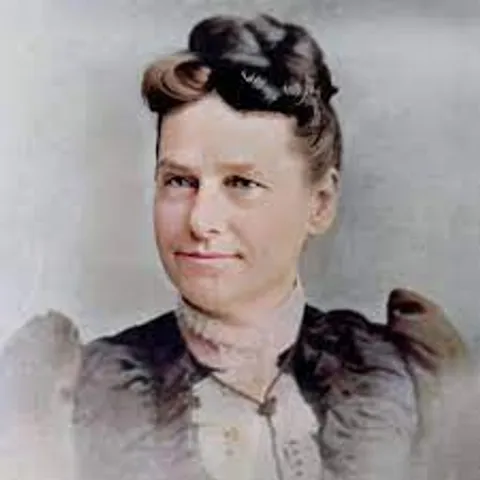 Maria Woodworth-Etter’s Early life
Maria’s early life was plagued with tragedies. Her father died of sunstroke when she was 11 years old leaving her mother with eight children to provide for. She married at 16 but fought a continual battle with ill-health, losing five of her six children. During her sickness she had visions of children in heaven and the lost suffering in hell.
She promised God, that if He would heal her, she would serve Him completely. She asked God for same apostolic power He gave the disciples and was gloriously baptized in the Holy Spirit. “It felt like liquid fire, and there were angels all around.”
The call to preach
Despite her personal struggles with ‘women in ministry’ and the prevailent hostile attitudes to female preachers, she felt compelled by God to accept the invitation to preach in the United Brethren in Christ (Friends) in 1876 and later associated with the Methodist Holiness church.
Evangelism with signs and wonders
Though simply evangelistic in the early days she was unusually successful and in 1885 supernatural signs began to accompany her ministry. Her ministry resurrected dead churches, brought salvation to thousands of unconverted and encouraged believers to seek a deeper walk with God.
She descibes one of her meetings
She described an 1883 meeting in Fairview, Ohio: “I felt impressed God was going to restore love and harmony in the church..… All present came to the altar, made a full consecration, and prayed for a baptism of the Holy Ghost and fire. That night it came. Fifteen same to the altar screaming for mercy.
Men and women fell and lay like dead. I felt it was the work of God, but did not know how to explain it or what to say. I was a little frightened . . . after lying for two hours all, one after another, sprang to their feet as quick as a flash with shining faces and shouted all over the house. I had never seen such bright conversions or such shouting….
The ministers and old saints wept and praised the Lord …..they said it was the Pentecost power, that the Lord was visiting them in great mercy and power …..(they) experienced visions of heaven and hell, collapsed on the floor as if they’d been shot or had died.” Subsequently, thousands were healed of a wide variety of sicknesses and diseases and many believers, even ministers, received mighty baptisms of the Holy Spirit. She soon became a national phenomenon.
1,000 seater tent
In 1889, she purchased a tent that could seat eight thousand people and set it up in Oakland, California. “The power of God was over all the congregation; and around in the city of Oakland. The Holy Ghost would fall on the people while we were preaching. The multitude would be held still, like as though death was in their midst.
Many of the most intelligent and best dressed men would fall back in their seats, with their hands held up to God. being held under the mighty power of God. Men and women fell, all over the tent, like trees in a storm; some would have visions of God. Most all of them came out shouting the praises of God.”
She declared that if 19th-century believers would meet God’s conditions, as the 120 did on the Day of Pentecost, they would have the same results. “A mighty revival would break out that would shake the world, and thousands of souls would be saved. The displays of God’s power on the Day of Pentecost were only a sample of what God designed should follow through the ages. Instead of looking back to Pentecost, let us always be expecting it to come, especially in these days.”
Her views of Pentecostalism
Initially she had grave concerns about the burgeoning Pentecostal movement, mainly because of some unbalanced teaching and reported extremism. Soon she came to believe it was an authentic move of the Holy Spirit and was enthusiastically welcomed within its ranks. She became both a model and a mentor for the fledgling movement. This association elicited another wave of revival between 1912 and her death in 1924 as she ministered throughout the country and her books were read across the world.
Etter Tabenacle
In 1918, she built Etter Tabernacle as her home church base and affiliated with the Assemblies of God. In her closing years she still ministered with a powerful anointing despite struggling with gastritis and dropsy. On occasion she would be carried to the podium, preach with extraordinary power, then be carried home again!
Her demise
Her health continued to decline and she died on September 16, 1924. She is buried in a grave in Indianapolis next to her daughter and son-in-law. Her inscription reads “Thou showest unto thousands lovingkindness.”
In conclusion
Without doubt Maria Woodworth-Etter was an amazing woman blessed with an astonishing ministry. Rev. Stanley Smith – one of the famous “Cambridge Seven” and for many years a worker with “The China Inland Mission” wrote this about her autobiography:
“I cannot let this opportunity go by without again bringing to the notice of my readers, ‘Acts of the Holy Ghost,’ or ‘Life and Experiences of Mrs. M. B. Woodworth-Etter.’ It is a book I value next to the Bible. In special seasons of waiting on God I have found it helpful to have the New Testament on one side of me and Mrs. Etter’s book on the other; this latter is a present-day record of ‘the Acts’ multiplied.
Mrs. Etter is a woman who has had a ministry of healing since 1885, her call as an evangelist being some years previous to this. I venture to think that this ministry is unparalleled in the history of the Church, for which I give all the glory to the Lord Jesus Christ, as Mrs. Etter would, I know, wish me to do. This ministry should be made known, for the glory of the Triune God and the good of believers.”
We agree and pray that such an anointing will rest upon God’s end-time people so that ‘this Gospel of the Kingdom will be preached in all the world before the end comes!’ Matthew 24:14
Tony Cauchi
Maria Woodworth-Etter’s Early life
Maria’s early life was plagued with tragedies. Her father died of sunstroke when she was 11 years old leaving her mother with eight children to provide for. She married at 16 but fought a continual battle with ill-health, losing five of her six children. During her sickness she had visions of children in heaven and the lost suffering in hell.
She promised God, that if He would heal her, she would serve Him completely. She asked God for same apostolic power He gave the disciples and was gloriously baptized in the Holy Spirit. “It felt like liquid fire, and there were angels all around.”
The call to preach
Despite her personal struggles with ‘women in ministry’ and the prevailent hostile attitudes to female preachers, she felt compelled by God to accept the invitation to preach in the United Brethren in Christ (Friends) in 1876 and later associated with the Methodist Holiness church.
Evangelism with signs and wonders
Though simply evangelistic in the early days she was unusually successful and in 1885 supernatural signs began to accompany her ministry. Her ministry resurrected dead churches, brought salvation to thousands of unconverted and encouraged believers to seek a deeper walk with God.
She descibes one of her meetings
She described an 1883 meeting in Fairview, Ohio: “I felt impressed God was going to restore love and harmony in the church..… All present came to the altar, made a full consecration, and prayed for a baptism of the Holy Ghost and fire. That night it came. Fifteen same to the altar screaming for mercy.
Men and women fell and lay like dead. I felt it was the work of God, but did not know how to explain it or what to say. I was a little frightened . . . after lying for two hours all, one after another, sprang to their feet as quick as a flash with shining faces and shouted all over the house. I had never seen such bright conversions or such shouting….
The ministers and old saints wept and praised the Lord …..they said it was the Pentecost power, that the Lord was visiting them in great mercy and power …..(they) experienced visions of heaven and hell, collapsed on the floor as if they’d been shot or had died.” Subsequently, thousands were healed of a wide variety of sicknesses and diseases and many believers, even ministers, received mighty baptisms of the Holy Spirit. She soon became a national phenomenon.
1,000 seater tent
In 1889, she purchased a tent that could seat eight thousand people and set it up in Oakland, California. “The power of God was over all the congregation; and around in the city of Oakland. The Holy Ghost would fall on the people while we were preaching. The multitude would be held still, like as though death was in their midst.
Many of the most intelligent and best dressed men would fall back in their seats, with their hands held up to God. being held under the mighty power of God. Men and women fell, all over the tent, like trees in a storm; some would have visions of God. Most all of them came out shouting the praises of God.”
She declared that if 19th-century believers would meet God’s conditions, as the 120 did on the Day of Pentecost, they would have the same results. “A mighty revival would break out that would shake the world, and thousands of souls would be saved. The displays of God’s power on the Day of Pentecost were only a sample of what God designed should follow through the ages. Instead of looking back to Pentecost, let us always be expecting it to come, especially in these days.”
Her views of Pentecostalism
Initially she had grave concerns about the burgeoning Pentecostal movement, mainly because of some unbalanced teaching and reported extremism. Soon she came to believe it was an authentic move of the Holy Spirit and was enthusiastically welcomed within its ranks. She became both a model and a mentor for the fledgling movement. This association elicited another wave of revival between 1912 and her death in 1924 as she ministered throughout the country and her books were read across the world.
Etter Tabenacle
In 1918, she built Etter Tabernacle as her home church base and affiliated with the Assemblies of God. In her closing years she still ministered with a powerful anointing despite struggling with gastritis and dropsy. On occasion she would be carried to the podium, preach with extraordinary power, then be carried home again!
Her demise
Her health continued to decline and she died on September 16, 1924. She is buried in a grave in Indianapolis next to her daughter and son-in-law. Her inscription reads “Thou showest unto thousands lovingkindness.”
In conclusion
Without doubt Maria Woodworth-Etter was an amazing woman blessed with an astonishing ministry. Rev. Stanley Smith – one of the famous “Cambridge Seven” and for many years a worker with “The China Inland Mission” wrote this about her autobiography:
“I cannot let this opportunity go by without again bringing to the notice of my readers, ‘Acts of the Holy Ghost,’ or ‘Life and Experiences of Mrs. M. B. Woodworth-Etter.’ It is a book I value next to the Bible. In special seasons of waiting on God I have found it helpful to have the New Testament on one side of me and Mrs. Etter’s book on the other; this latter is a present-day record of ‘the Acts’ multiplied.
Mrs. Etter is a woman who has had a ministry of healing since 1885, her call as an evangelist being some years previous to this. I venture to think that this ministry is unparalleled in the history of the Church, for which I give all the glory to the Lord Jesus Christ, as Mrs. Etter would, I know, wish me to do. This ministry should be made known, for the glory of the Triune God and the good of believers.”
We agree and pray that such an anointing will rest upon God’s end-time people so that ‘this Gospel of the Kingdom will be preached in all the world before the end comes!’ Matthew 24:14
Tony Cauchi
the quiet power of ordinary devotions
As Christians, we are not interested in merely reading our Bibles. We want to be moved, inspired, changed by what we read. We do not wake up early simply to pass our eyes over the pages of Scripture. We come to meet God (1 Samuel 3:21). We come to taste honey and gather gold (Psalm 19:10). We come to “rejoice with joy that is inexpressible and filled with glory” (1 Peter 1:8). That means days of ordinary devotions, as we’ve all experienced, can be all the more disappointing. As any faithful Bible reader knows, many devotional times come and go without fireworks. We may get alone, ask for God’s help, read attentively, and then rise up feeling — normal. Our time in the living, active, inspired word of God has felt spectacularly ordinary. Sometimes, the ordinariness comes as a result of our lingering blindness to glory. I, for one, feel a kinship with those disciples on the Emmaus road, to whom Jesus said, “O foolish ones, and slow of heart to believe all that the prophets have spoken” (Luke 24:25). God save us from foolish minds and slow hearts, which so often close our eyes to the light of his revelation. “The grace of God sometimes lands on us like lighting, and sometimes falls like dew.” Yet the cause does not always lie in us. If we are reading our Bibles rightly, in fact, we should expect many mornings of ordinary devotions: devotions that do not sparkle with insight or direct-to-life application, but that nevertheless do us good. Just as most meals are ordinary, but still nourish, and just as most conversations with friends are ordinary, but still deepen affection, so most devotions are ordinary, but still grow us in the grace and knowledge of Jesus Christ. Saturated with Scripture As a new Christian in college, I carried in my pocket a packet of Scripture-memory cards from the Navigators. On one of the first cards, I found 2 Timothy 3:16: “All Scripture is breathed out by God and profitable for teaching, for reproof, for correction, and for training in righteousness.” I believed Paul’s words readily, having felt firsthand the profit of books like John and Romans, Philippians and James. Scarcely did I realize then, however, that Paul would have thought first of passages quite different from these — passages from which I struggled then (and still do now) to find the same kind of encouragement. Consider, for example, some of the God-breathed, profitable Scripture Paul had in mind as he wrote 2 Timothy: Solomon’s discussion of wisdom in Proverbs 2:6 (2 Timothy 2:7) Isaiah’s prophecy of the cornerstone in Isaiah 28:16 (2 Timothy 2:19) The story of Korah’s rebellion in Numbers 16 (2 Timothy 2:19) The account of the Egyptian magicians in Exodus 7–9 (2 Timothy 3:8) Few of us would dip into these passages for immediate edification. Few of us would offer them as our first illustrations of God-breathed, profitable Scriptures. Many of us, after stumbling through such pages of God’s word, emerge on the other side feeling unchanged, uninspired — ordinary. We can strive to avoid such experiences, of course, by staying safely in those parts of Scripture where we have felt God’s breath most powerfully. And yet, if we want a soul not merely sprinkled but saturated with God’s words, our only option is to carry on a long, patient acquaintance with passages that seem obscure. With passages that, upon first, second, or even fifth reading, leave us feeling quite ordinary afterward, but that slowly reveal the scope of God’s glory and make us “wise for salvation through faith in Christ Jesus” (2 Timothy 3:15). Devotions Without a Devotional Perhaps our impatience with days of ordinary devotions comes from the expectation that daily devotions should be like devotionals . A devotional gathers perhaps a month’s or a year’s worth of daily readings, each designed to give a boost toward Godward thinking and living. And the best of them do so quite well. Daily devotionals have a place in the Christian life. (I would have to ditch Charles Spurgeon’s Morning and Evening if I thought otherwise.) Yet we do well to remember that, in giving us Scripture, God did not intend to give us a typical daily devotional. If he had, the chronicler might have spared us his genealogies, Ezekiel might have skipped his extended temple vision, and the author of Hebrews might have left out Melchizedek. If a daily devotional is like a photo album, with each page offering a self-contained snapshot of glory, Scripture itself is like a mural, with each day’s reading comprising only a centimeter of the whole. Some days, we happen upon a centimeter bright with glory, perhaps Psalm 23 or Romans 8. Other days, a dark image appears before us, as when we read prophecies or stories of judgment. Still other days, we find a section that simply mystifies us, the kind that we would never find in a daily devotional. Over time, though, we begin to grasp a glory in this mural that a snapshot could never give: a swirl of brightness and darkness, clarity and obscurity that coalesces into a masterpiece. And on those days, we will not wish that we had stayed safely within the snapshots of glory. Grace Like Dew We can rarely judge the value of our daily devotions, then, by considering any day in itself. In fact, initial impressions can deceive. High-octane devotions do not always lead to spiritual growth, and ordinary devotions often yield more fruit than we expect. J.C. Ryle once preached, Do not think you are getting no good from the Bible, merely because you do not see that good day by day. The greatest effects are by no means those which make the most noise, and are the most easily observed. The greatest effects are often silent, quiet, and hard to detect at the time they are being produced. Think of the influence of the moon upon the earth, and of the air upon the human lungs. Remember how silently the dew falls, and how imperceptibly the grass grows. There may be far more doing than you think in your soul by your Bible-reading. “Ordinary devotions are not the enemy. Like the manna in the wilderness, they too are from God.” The grace of God sometimes lands on us like lighting, and sometimes falls like dew. During some devotions, God places us in the cleft of the rock and lets us catch the trailing edge of his glory as he passes by (Exodus 33:18–23). During others, he shrouds us in darkness so that we cannot see (Isaiah 50:10). Yet if we read patiently and faithfully, not trusting in our wisdom but crying out for God’s, then the grace of God, though perhaps hidden in the moment, will in due time reveal its silent working. Sometimes, then, we do well to ask of our morning devotions not “What were my feelings?” but “What, over time, are the effects?” Regardless of what I feel on any given morning, am I coming to treasure more of Christ’s multifaceted glories? Is God’s word making me a more holy husband, wife, brother, sister, friend? Am I growing in my readiness for every good work (2 Timothy 3:17)? Manna and Milk Ordinary devotions, of course, are not the ideal. We do not hope to come to our Bibles and walk away unmoved — or, worse, confused. We hope rather to “behold wondrous things out of your law” (Psalm 119:18) and walk away full of praise. And when this hope is deferred, it too can make the heart sick. Yet neither are ordinary devotions the enemy. Like the manna in the wilderness, they too are from God. They too nourish and sustain us, even if imperceptibly. If we will patiently, faithfully eat the food God provides, ordinary days will give way to the milk and honey we long to taste again. And in the meantime, how good it is for us to be thrown back on God, knowing more deeply than ever that if we are to see at all, he must give us sight. How good to sing with the psalmist, “As the eyes of servants look to the hand of their master, as the eyes of a maidservant to the hand of her mistress, so our eyes look to the Lord our God, till he has mercy upon us” (Psalm 123:2). In God’s good time, if we do not give up, the unfolding of his words will give light (Psalm 119:130).